Corporation Personal Held Without Bond In Hillsborough
Description

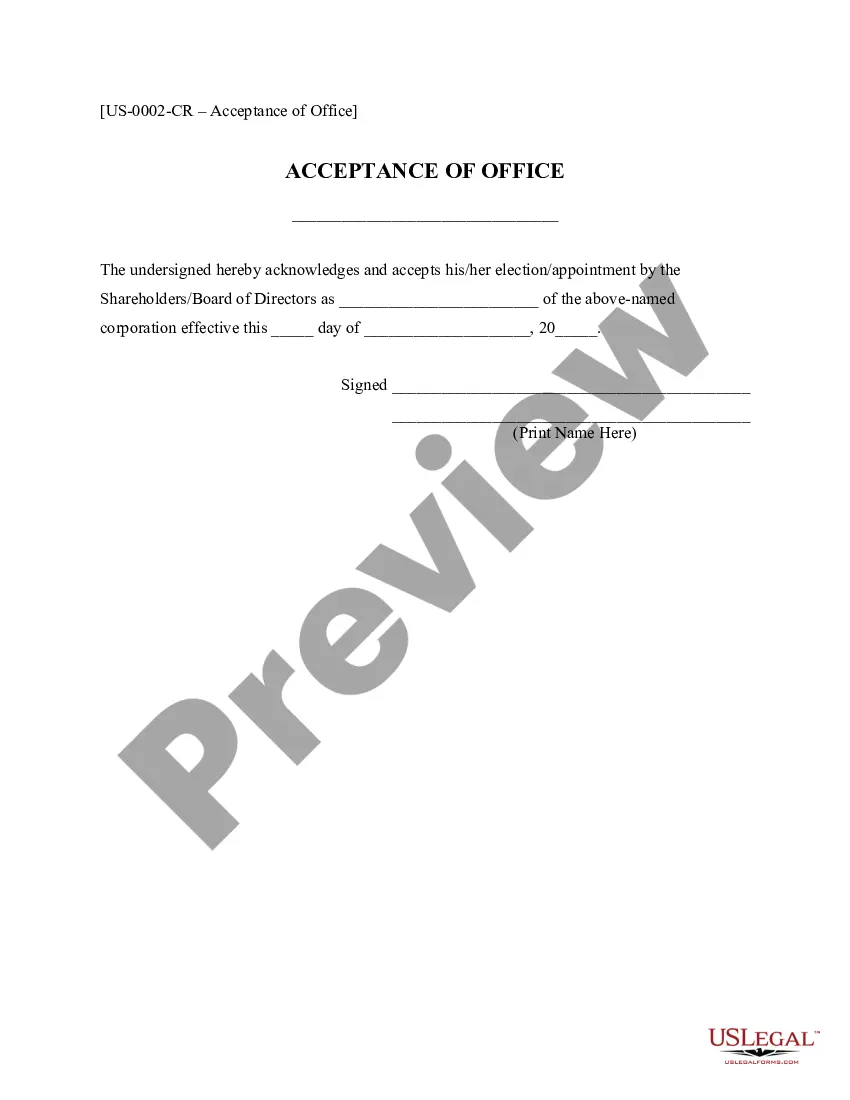
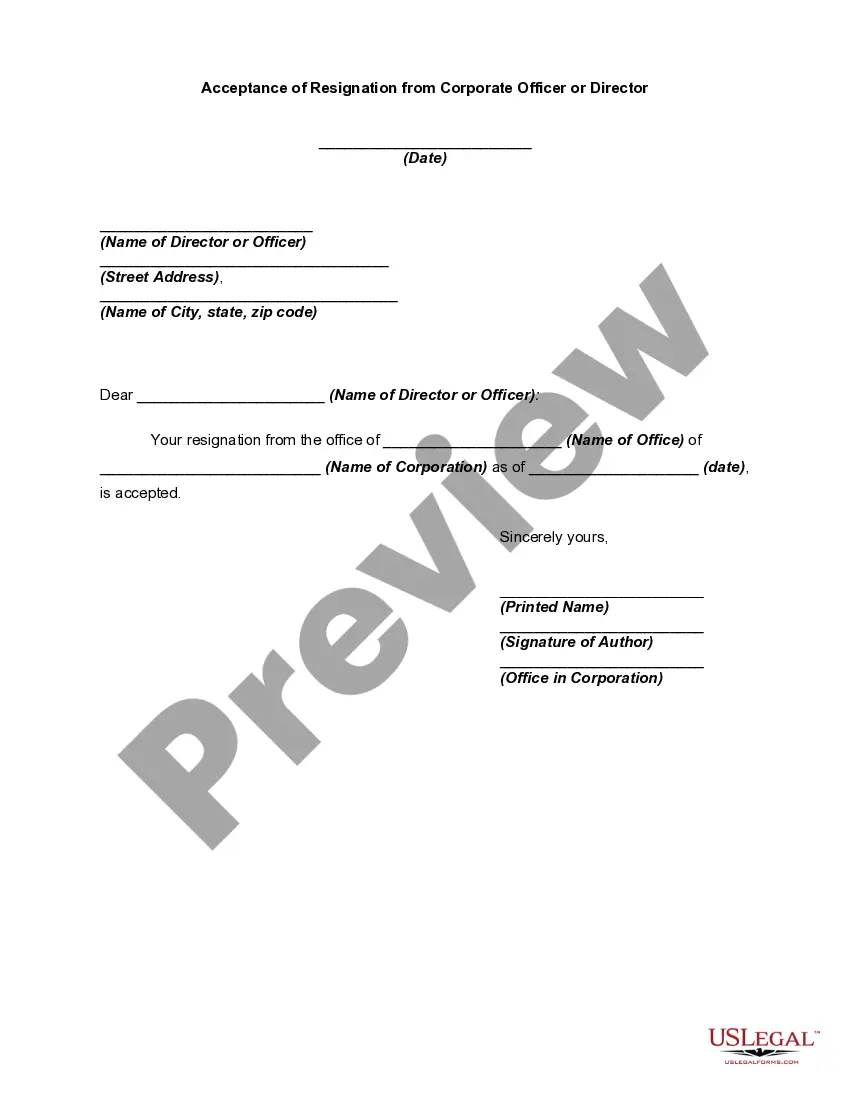
Get your form ready online
Our built-in tools help you complete, sign, share, and store your documents in one place.
Make edits, fill in missing information, and update formatting in US Legal Forms—just like you would in MS Word.
Download a copy, print it, send it by email, or mail it via USPS—whatever works best for your next step.
Sign and collect signatures with our SignNow integration. Send to multiple recipients, set reminders, and more. Go Premium to unlock E-Sign.
If this form requires notarization, complete it online through a secure video call—no need to meet a notary in person or wait for an appointment.
We protect your documents and personal data by following strict security and privacy standards.

Make edits, fill in missing information, and update formatting in US Legal Forms—just like you would in MS Word.

Download a copy, print it, send it by email, or mail it via USPS—whatever works best for your next step.

Sign and collect signatures with our SignNow integration. Send to multiple recipients, set reminders, and more. Go Premium to unlock E-Sign.

If this form requires notarization, complete it online through a secure video call—no need to meet a notary in person or wait for an appointment.

We protect your documents and personal data by following strict security and privacy standards.
Looking for another form?
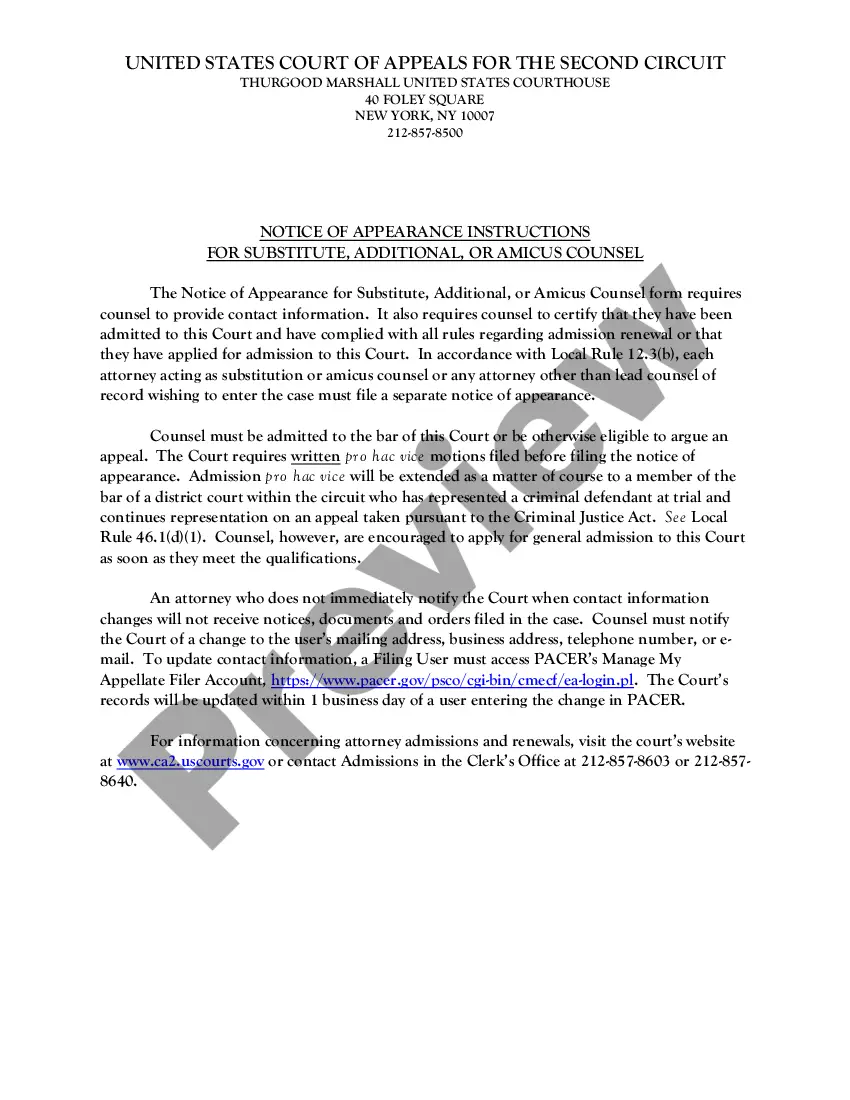
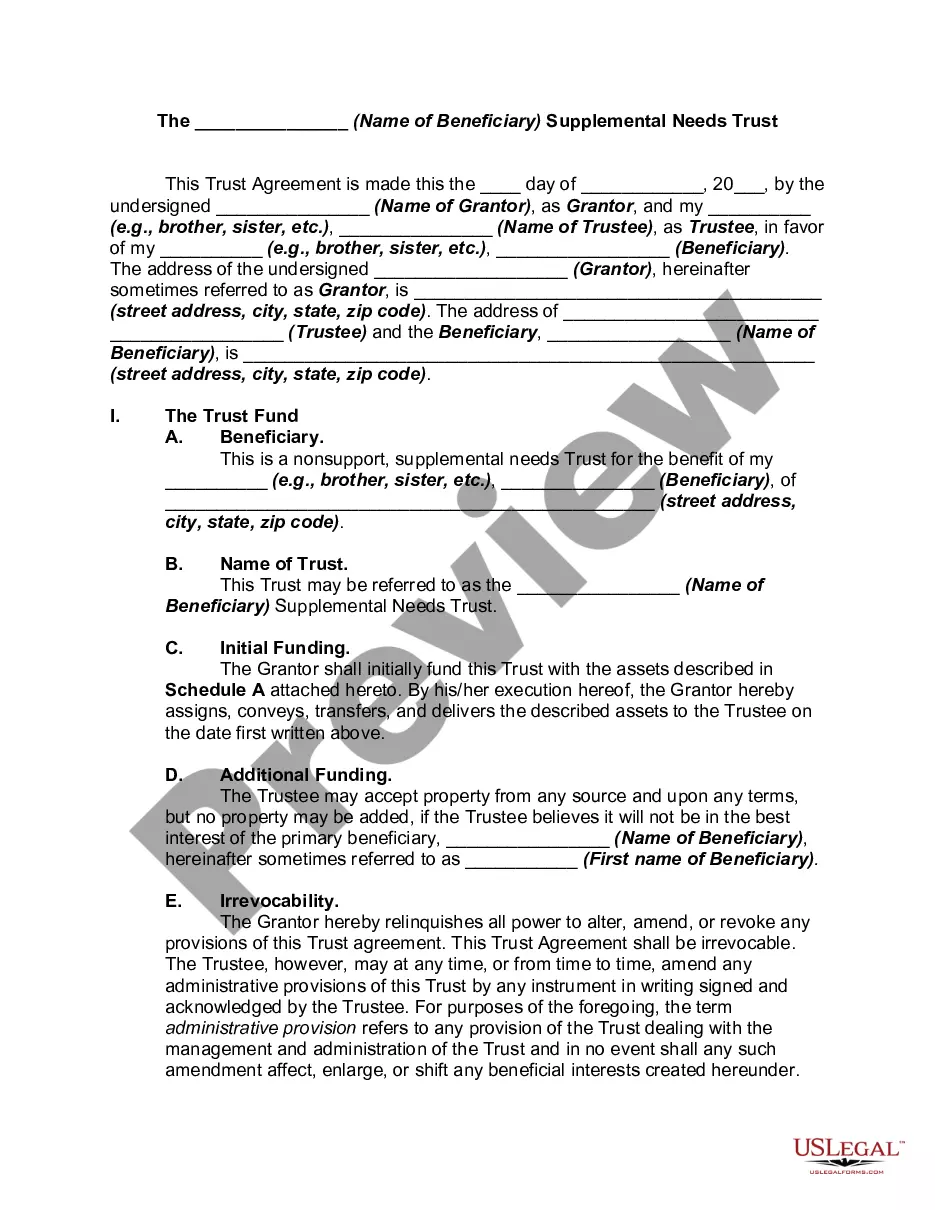
Form popularity
FAQ
How Bail Bonds Work in Florida. You or your loved one has the right to bail unless you were charged with a capital crime that carries a life sentence or death, or you are facing a violation of probation. Probationers in violation will normally be held on a "no bond" status which means they cannot bond out.
In addition to capital, life, and first-degree felonies, certain other felonies and dangerous crimes could disqualify someone from being granted bail. These include violent crimes in Florida such as: Arson. Aggravated armed burglary.
Definition of No Bond When a judge announces no bond, the defendant isn't eligible for release from county jail through bail as the judge has not set a bail amount. Instead, the arrested person has to remain in custody until the case concludes or a judge potentially sets bail at a later hearing.
If you or a loved one are remanded without bond, it means there is no chance for release before a trial date. Instead, you will be required to remain in jail until your hearing.
Under Florida Rule of Criminal Procedure 3.134, state prosecutors generally have up to 30 days to file charges against someone following their arrest. If the defendant remains uncharged, the court must release them on their own recognizance by the 33rd day following their initial arrest.
And while some will tell you that you can't remain anonymous, the short answer is actually yes, you can. (But with one major consideration.) The Court is going to need a name and person to return the bond to once the court date has been successfully completed.
If you or a loved one are remanded without bond, it means there is no chance for release before a trial date. Instead, you will be required to remain in jail until your hearing.
Maximum Time in Jail Without Bond California Penal Code Section 825 says that a person arrested in California must be brought before a judge within 48 hours to be charged or released.

