Resignation Officer With A Felony In Florida
Description

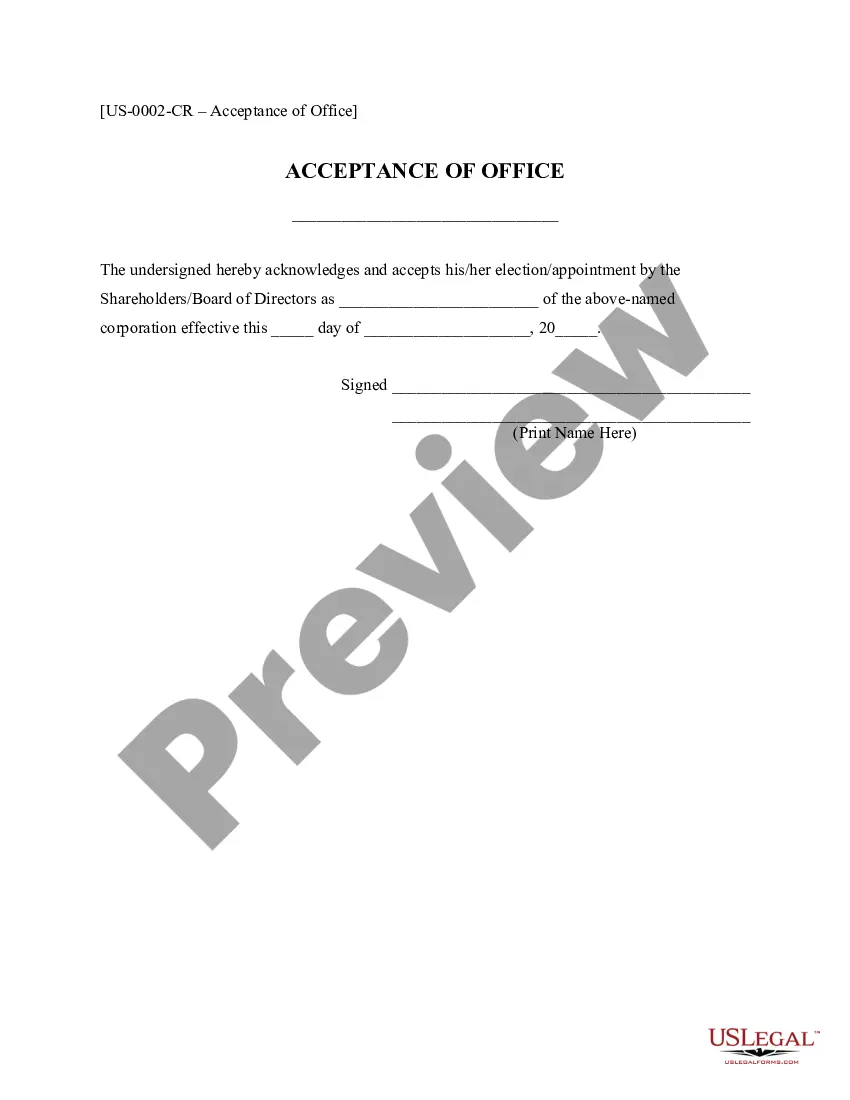
Get your form ready online
Our built-in tools help you complete, sign, share, and store your documents in one place.
Make edits, fill in missing information, and update formatting in US Legal Forms—just like you would in MS Word.
Download a copy, print it, send it by email, or mail it via USPS—whatever works best for your next step.
Sign and collect signatures with our SignNow integration. Send to multiple recipients, set reminders, and more. Go Premium to unlock E-Sign.
If this form requires notarization, complete it online through a secure video call—no need to meet a notary in person or wait for an appointment.
We protect your documents and personal data by following strict security and privacy standards.

Make edits, fill in missing information, and update formatting in US Legal Forms—just like you would in MS Word.

Download a copy, print it, send it by email, or mail it via USPS—whatever works best for your next step.

Sign and collect signatures with our SignNow integration. Send to multiple recipients, set reminders, and more. Go Premium to unlock E-Sign.

If this form requires notarization, complete it online through a secure video call—no need to meet a notary in person or wait for an appointment.

We protect your documents and personal data by following strict security and privacy standards.
Looking for another form?

Form popularity
FAQ
Can I still become a Correctional Officer? Any person convicted as an adult of a felony is prohibited from employment as a certified officer pursuant to Florida Statute 943.13.
Drug offenses will disqualify you regardless whether they were felonies or misdemeanors; failing a drug test during your application will keep you from further consideration, too. Undocumented workers are not permitted to apply to be correctional officers.
Can I still become a Correctional Officer? Any person convicted as an adult of a felony is prohibited from employment as a certified officer pursuant to Florida Statute 943.13.
You must have a “clean” criminal record. Drug related crimes, whether they were a felony or misdemeanor, will probably make you ineligible to be a correctional officer.
Stat. (2021), public employers cannot deny employment to applicants solely based on a low-level criminal conviction. However, applicants for jobs in the public sector can be denied employment based on felony or first-degree misdemeanor convictions that directly relate to their jobs.
Any person who, after July 1, 1981, pleads guilty or nolo contendere to or is found guilty of any felony or of a misdemeanor involving perjury or a false statement is not eligible for employment or appointment as an officer, notwithstanding suspension of sentence or withholding of adjudication.
The combination of high stress, danger, lack of support, and limited opportunities for advancement creates an environment that is ripe for burnout among correctional officers. Addressing these systemic issues is critical to improving job satisfaction and retention in this challenging field.
Must interview with the Director or Coordinator of the Public Service Training Center. Pass the entrance physical fitness test. The test consists of a 1.5-mile run/walk. For Basic Corrections the recruit must complete it in 20 minutes or less.

