Force Director To Resign In Fairfax
Description

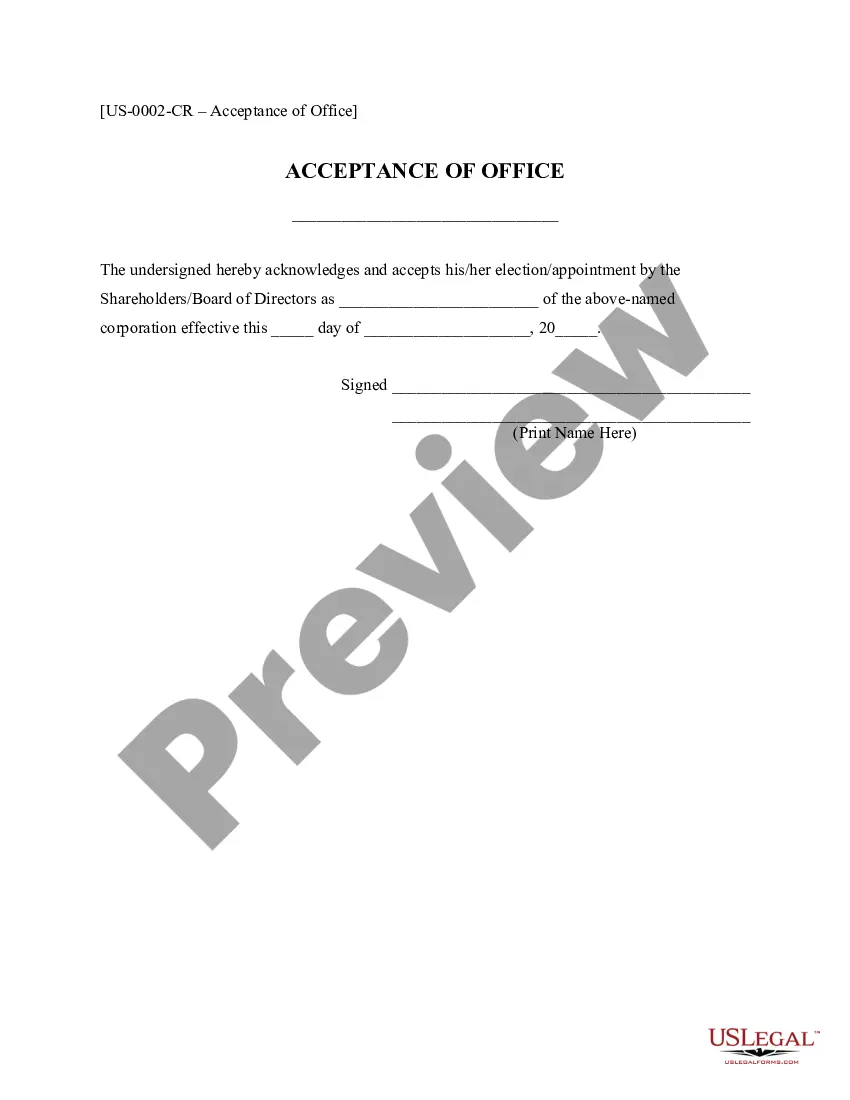
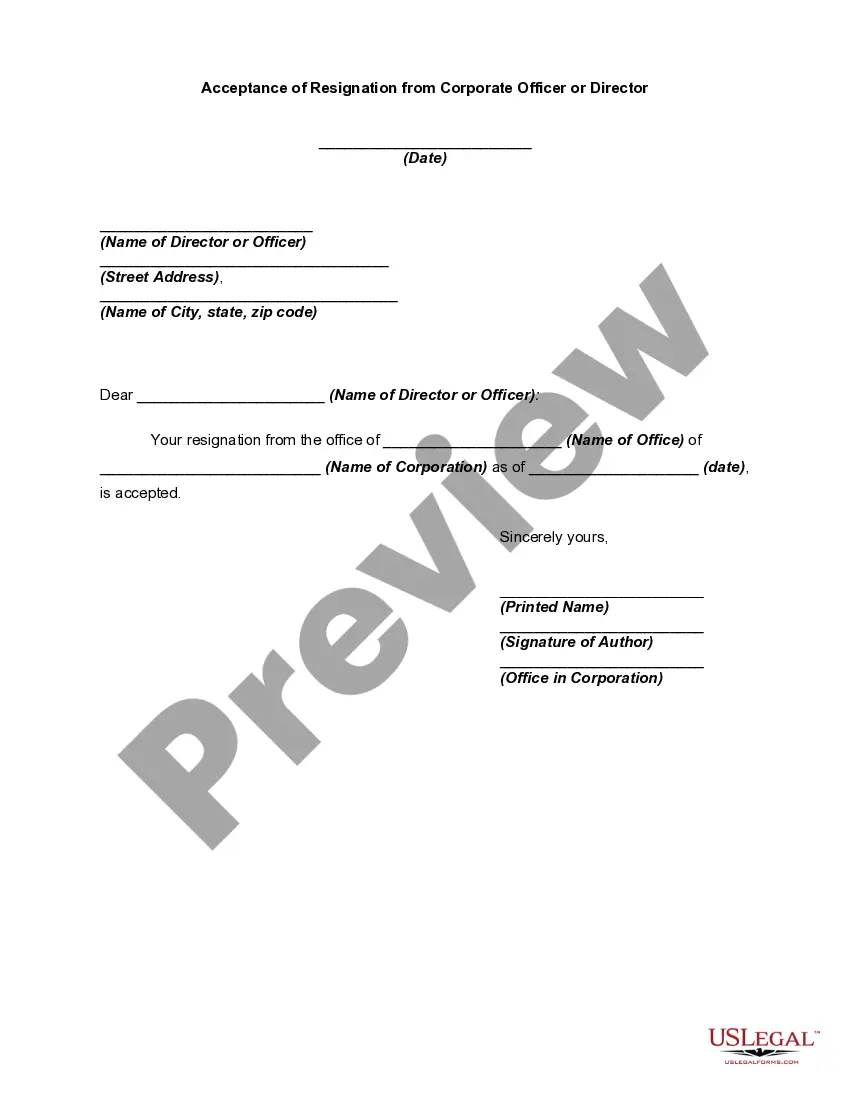
Get your form ready online
Our built-in tools help you complete, sign, share, and store your documents in one place.
Make edits, fill in missing information, and update formatting in US Legal Forms—just like you would in MS Word.
Download a copy, print it, send it by email, or mail it via USPS—whatever works best for your next step.
Sign and collect signatures with our SignNow integration. Send to multiple recipients, set reminders, and more. Go Premium to unlock E-Sign.
If this form requires notarization, complete it online through a secure video call—no need to meet a notary in person or wait for an appointment.
We protect your documents and personal data by following strict security and privacy standards.

Make edits, fill in missing information, and update formatting in US Legal Forms—just like you would in MS Word.

Download a copy, print it, send it by email, or mail it via USPS—whatever works best for your next step.

Sign and collect signatures with our SignNow integration. Send to multiple recipients, set reminders, and more. Go Premium to unlock E-Sign.

If this form requires notarization, complete it online through a secure video call—no need to meet a notary in person or wait for an appointment.

We protect your documents and personal data by following strict security and privacy standards.
Looking for another form?








Form popularity
FAQ
A director may resign from his office by giving a notice in writing to the company and the Board shall on receipt of such notice take note of the same and the company shall intimate the Registrar in such manner, within such time and in such form as may be prescribed and shall also place the fact of such resignation in ...
Removing a director for breach of duty If you have sufficient shares to force through a resolution to remove, you do not need to have a good underlying reason to do so under Company law. However, is often important to have a clear reason before director removal due to employment law implications and other reasons.
In some cases, this may be due to misconduct, gross negligence or dereliction of the director's duties. Additionally, a director may be removed if they are bankrupt, convicted of a serious offence or deemed unfit to continue in their role.
The statutory provision allowing any director to be removed from office by ordinary resolution of the shareholders is in Section 168 of the Companies Act 2006 (CA06). Importantly, the resolution must be proposed at a formal shareholders' meeting and cannot be passed as a written resolution.
If a director cannot be persuaded to resign as a director and an employee as part of a severance package, the Articles might provide alternative means for the director to vacate office which is less problematic than the statutory procedure for removal.
Clearly, conflict with a director can be a difficult time for a company. The easiest way is normally to seek to persuade the director to resign in consideration for a severance package. Alternatively the Company's Articles may make provision for removal of a director.
Subject to the constitution, a director may be removed from office before the end of his or her term of office by ordinary resolution (Section 206, CA 2016). 2. A resolution to remove a director under CA 2016 cannot be passed as a written resolution, even if it is presented by the Board of any private company members.
A director may resign at any time by submitting his/her resignation. Any time a vacancy is created on the board, whether through resignation, death, removal, or otherwise, the vacancy should be recorded in the minutes. Meeting minutes should always record any changes in the board's membership and its officers. 1.

