Resignation Officer With No Experience In Dallas
Description

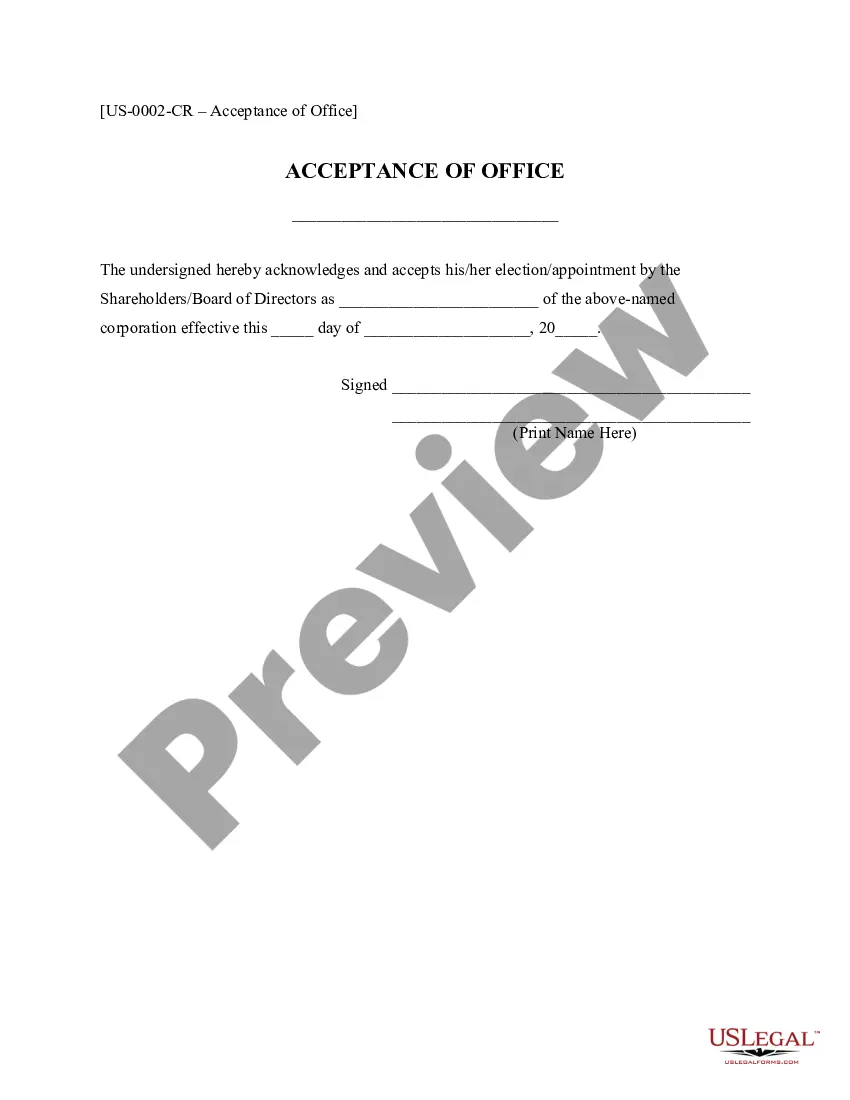
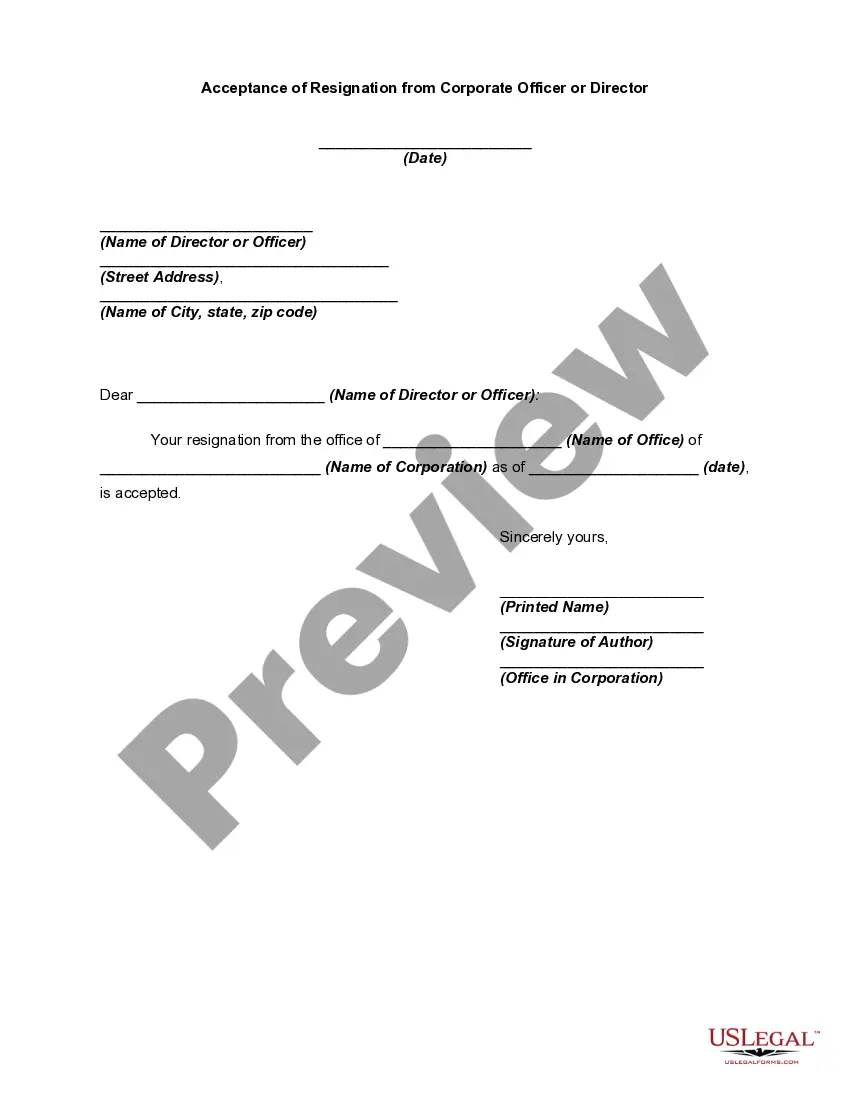
Get your form ready online
Our built-in tools help you complete, sign, share, and store your documents in one place.
Make edits, fill in missing information, and update formatting in US Legal Forms—just like you would in MS Word.
Download a copy, print it, send it by email, or mail it via USPS—whatever works best for your next step.
Sign and collect signatures with our SignNow integration. Send to multiple recipients, set reminders, and more. Go Premium to unlock E-Sign.
If this form requires notarization, complete it online through a secure video call—no need to meet a notary in person or wait for an appointment.
We protect your documents and personal data by following strict security and privacy standards.

Make edits, fill in missing information, and update formatting in US Legal Forms—just like you would in MS Word.

Download a copy, print it, send it by email, or mail it via USPS—whatever works best for your next step.

Sign and collect signatures with our SignNow integration. Send to multiple recipients, set reminders, and more. Go Premium to unlock E-Sign.

If this form requires notarization, complete it online through a secure video call—no need to meet a notary in person or wait for an appointment.

We protect your documents and personal data by following strict security and privacy standards.
Looking for another form?



Form popularity
FAQ
To make your letter heartfelt, thank your employer for the opportunity and express your gratitude for your time there. You might choose to mention relationships you made, skills you gained or experiences you had in your role. Again, you can make your letter heartfelt without making it too personal.
You don't necessarily need to provide details to your employer. For example, you can simply state that you are leaving for personal reasons or family reasons. You're not obligated to explain why you're moving on. In some cases, you may want to give a reason.
The following are the things to keep in mind when writing an immediate resignation letter: Write the date first. Explain only necessities. Remain professional. Include questions. Be grateful. Add contact information. Proofread your letter. Make copies and hand-deliver the letters.
Format: Use a standard business letter format. Include your address, the date, and the employer's address at the top. Content: State your intention to resign, mention your last working day, and express gratitude for the opportunities received. Keep it professional and concise. Dear (Employer's Name),
How to Write a Resignation Letter A greeting: Start formal. A statement of resignation. Offer help with transitioning. Thank your employer for giving you a chance to be a part of their company, and for their time. Leave your contact information for your employer. Sign off with “Sincerely” or “Thank you”
Here are some steps to help you write a resignation letter before starting a job: Make sure you want to leave. Look at your employment contract. Address your letter. Include relevant details. State your objective. Give a specific date. Apologize. Give a reason for leaving.
How to Write a Resignation Letter A greeting: Start formal. A statement of resignation. Offer help with transitioning. Thank your employer for giving you a chance to be a part of their company, and for their time. Leave your contact information for your employer. Sign off with “Sincerely” or “Thank you”
So if you found yourself feeling apathetic towards showing up to work every day, consider these three red flags. You're not using the skills you were hired for. Your skills aren't being maintained. Your skills are lacking opportunity.
No, you are not legally required to provide a reason for your resignation in most situations. However, it is often considered professional and courteous to do so, especially if you have a good relationship with your employer.
1. Provide a Respectable Reason for Leaving. It's highly likely you'll need to share a reason for your resignation. Your boss will probably want to know why you're resigning and your future employer will be interested in what motivated you to look elsewhere.

