Corporation Personal Held Within A Corporation In Clark
Description

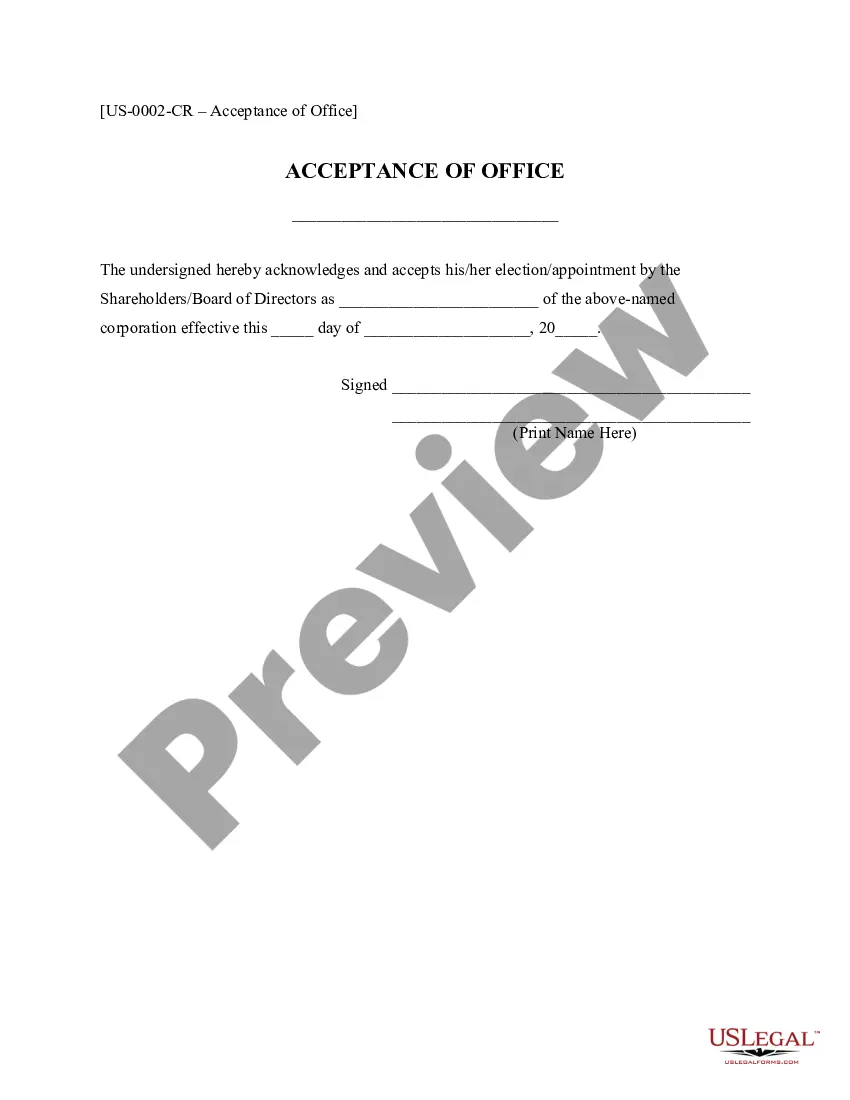
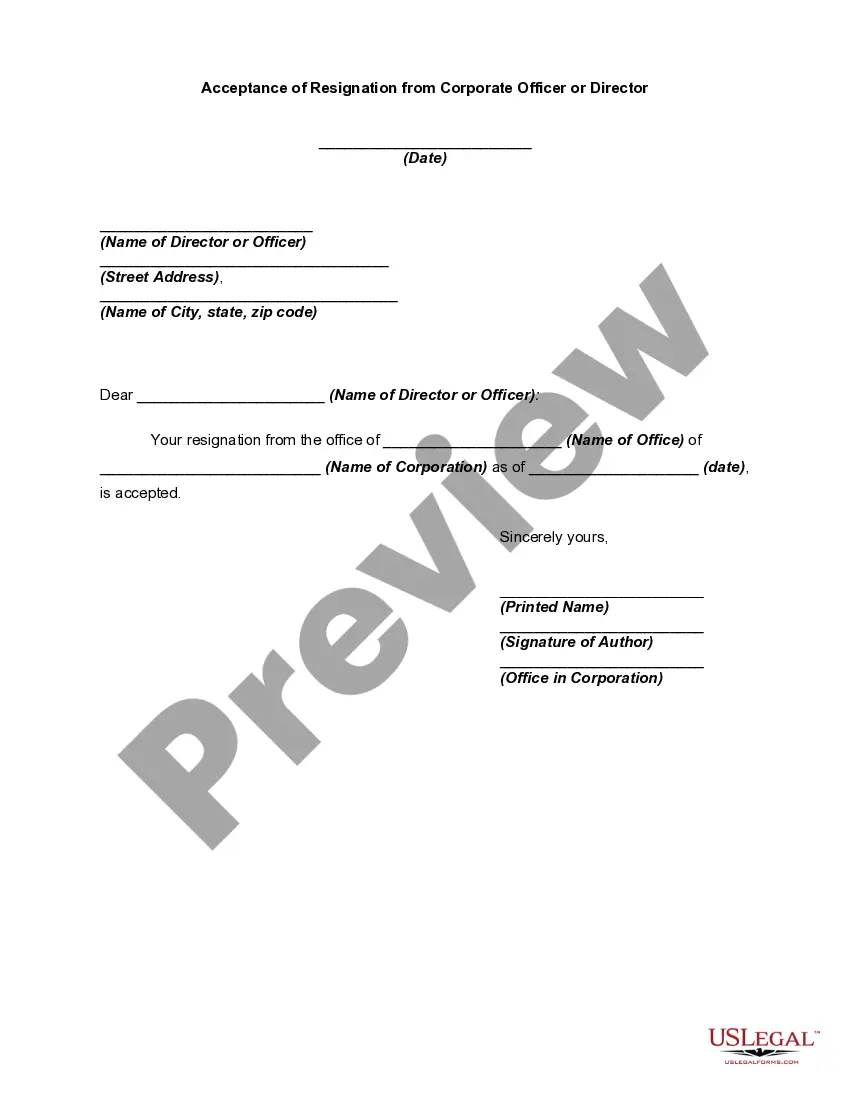
Get your form ready online
Our built-in tools help you complete, sign, share, and store your documents in one place.
Make edits, fill in missing information, and update formatting in US Legal Forms—just like you would in MS Word.
Download a copy, print it, send it by email, or mail it via USPS—whatever works best for your next step.
Sign and collect signatures with our SignNow integration. Send to multiple recipients, set reminders, and more. Go Premium to unlock E-Sign.
If this form requires notarization, complete it online through a secure video call—no need to meet a notary in person or wait for an appointment.
We protect your documents and personal data by following strict security and privacy standards.

Make edits, fill in missing information, and update formatting in US Legal Forms—just like you would in MS Word.

Download a copy, print it, send it by email, or mail it via USPS—whatever works best for your next step.

Sign and collect signatures with our SignNow integration. Send to multiple recipients, set reminders, and more. Go Premium to unlock E-Sign.

If this form requires notarization, complete it online through a secure video call—no need to meet a notary in person or wait for an appointment.

We protect your documents and personal data by following strict security and privacy standards.
Looking for another form?

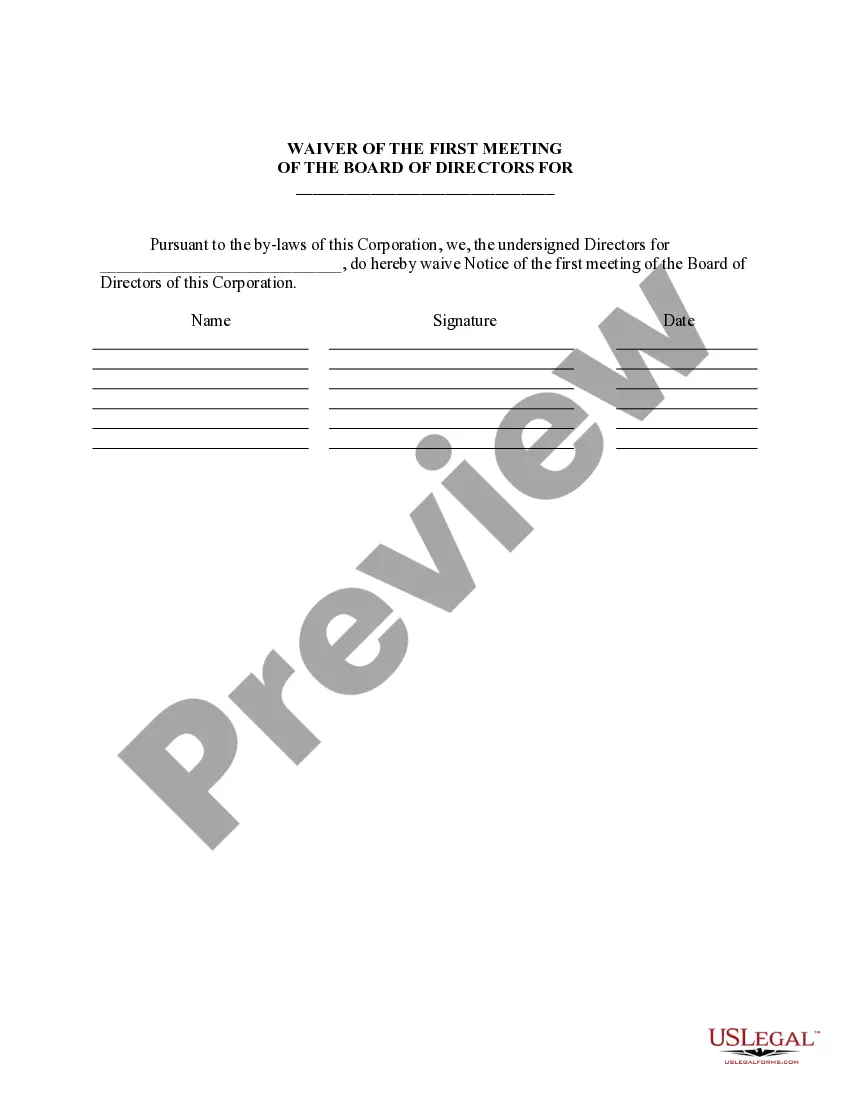




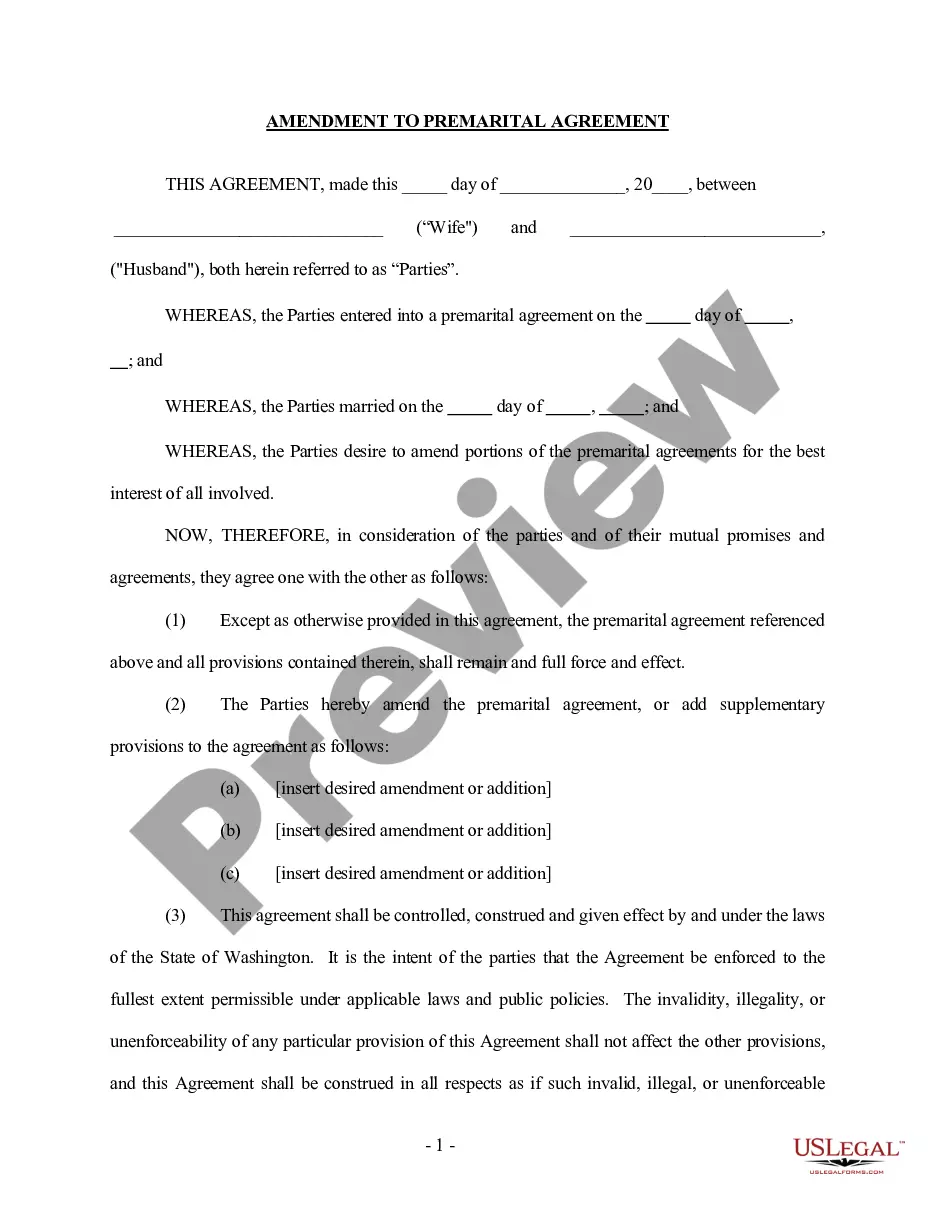



Form popularity
FAQ
Corporations issue stock to their owners and the corporation itself must file an income tax return. If the corporation ceases doing business, the owners can file paperwork to have the corporation dissolved, or they can allow the corporation to become inactive.
A corporation is an incorporated entity designed to limit the liability of its owners (called shareholders). Generally, shareholders are not personally liable for the debts of the corporation. Creditors can only collect their debts by going after corporate assets.
Personal service corporations are designed to provide certain services in fields like accounting, engineering, and consulting. They are taxed at the same rate as C corporations (21%), but they may also benefit from additional corporate tax deductions.
A California corporation can protect (shield) the owners personal assets from the corporate debts, liabilities and obligations. Shielding personal assets from corporate liabilities (Asset Protection) is generally one of the primary purposes of incorporation.
Qualifications and eligibility of a business incorporator The general requirements are: Must be an adult (typically 18 years or older). Some states require the incorporator to be a resident of the state. Can be an individual, attorney, accountant, or a professional business formation company.
In most countries, a corporation has the same rights as a natural person to hold property, enter into contracts, and to sue or be sued. Granting non-human entities personhood is a Western concept applied to corporations.
Yes, a single member LLC can form an S Corp. This structure is popular among solo entrepreneurs who want to benefit from the tax advantages of an S Corporation and the liability protection of an LLC. Remember, while you're the only owner, your LLC is a separate legal entity from yourself for legal purposes.
Domestic and foreign business corporations are required by Section 408 of the Business Corporation Law to file a Biennial Statement every two years with the New York Department of State.
Once established, a corporation stands as a separate legal entity from its owners. Therefore, its legal and financial liabilities do not put its owners' belongings at risk.
A legal entity refers to any business, organization, or individual that's required to meet legal obligations as set by local, state, and federal laws. Think of it as a separate “person” in the eyes of the law. It can own property, sign contracts, sue or be sued, and be held accountable for its actions.

