Force Director To Resign In California
Description

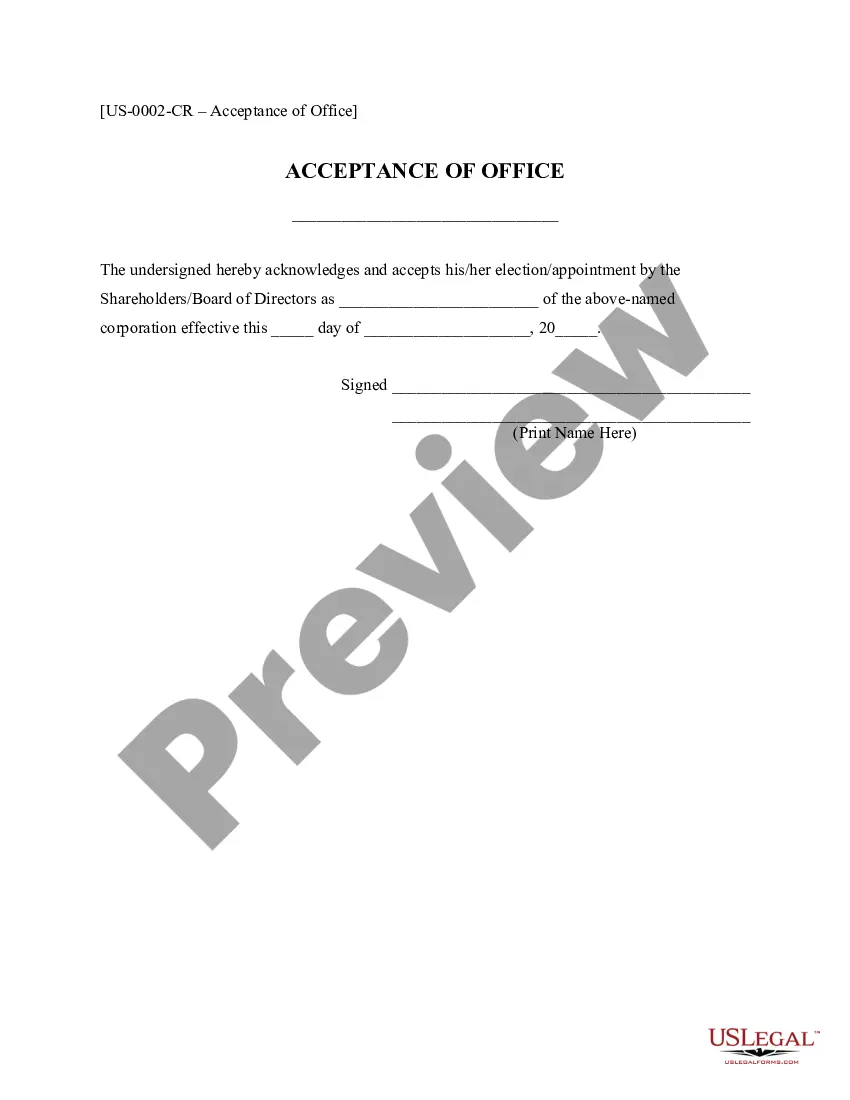
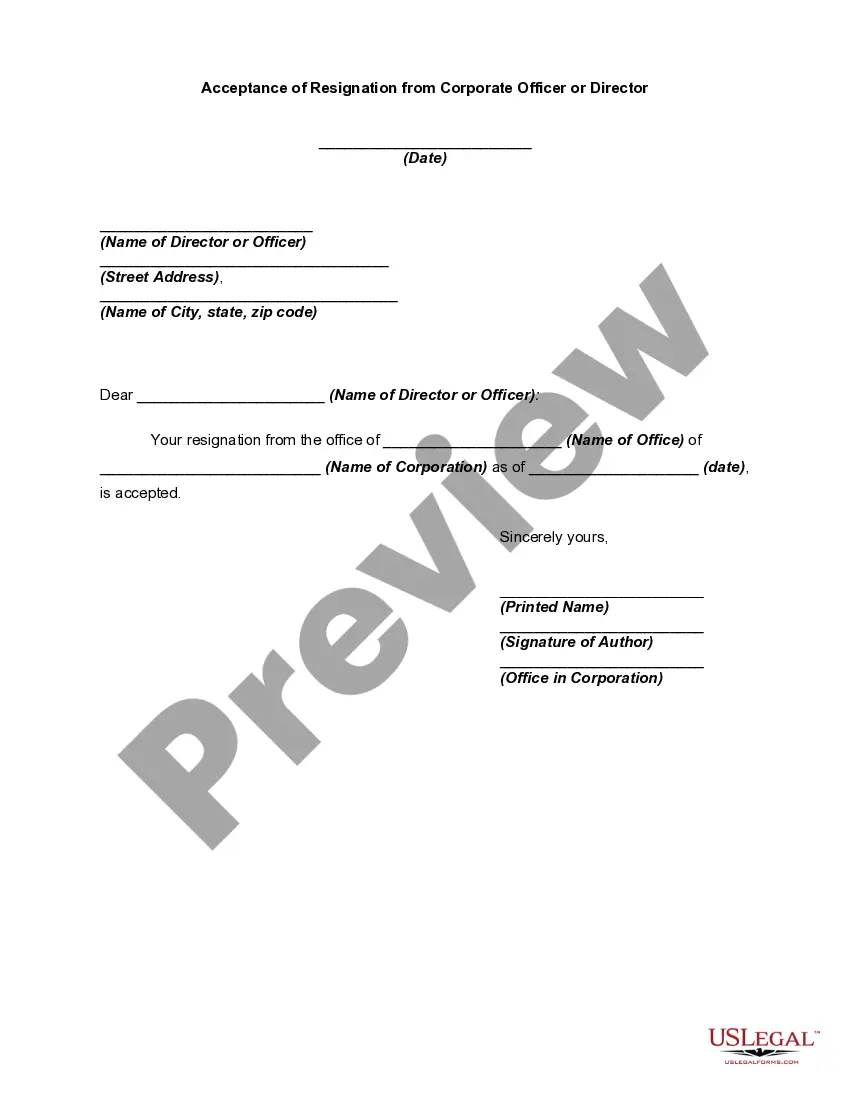
Get your form ready online
Our built-in tools help you complete, sign, share, and store your documents in one place.
Make edits, fill in missing information, and update formatting in US Legal Forms—just like you would in MS Word.
Download a copy, print it, send it by email, or mail it via USPS—whatever works best for your next step.
Sign and collect signatures with our SignNow integration. Send to multiple recipients, set reminders, and more. Go Premium to unlock E-Sign.
If this form requires notarization, complete it online through a secure video call—no need to meet a notary in person or wait for an appointment.
We protect your documents and personal data by following strict security and privacy standards.

Make edits, fill in missing information, and update formatting in US Legal Forms—just like you would in MS Word.

Download a copy, print it, send it by email, or mail it via USPS—whatever works best for your next step.

Sign and collect signatures with our SignNow integration. Send to multiple recipients, set reminders, and more. Go Premium to unlock E-Sign.

If this form requires notarization, complete it online through a secure video call—no need to meet a notary in person or wait for an appointment.

We protect your documents and personal data by following strict security and privacy standards.
Looking for another form?

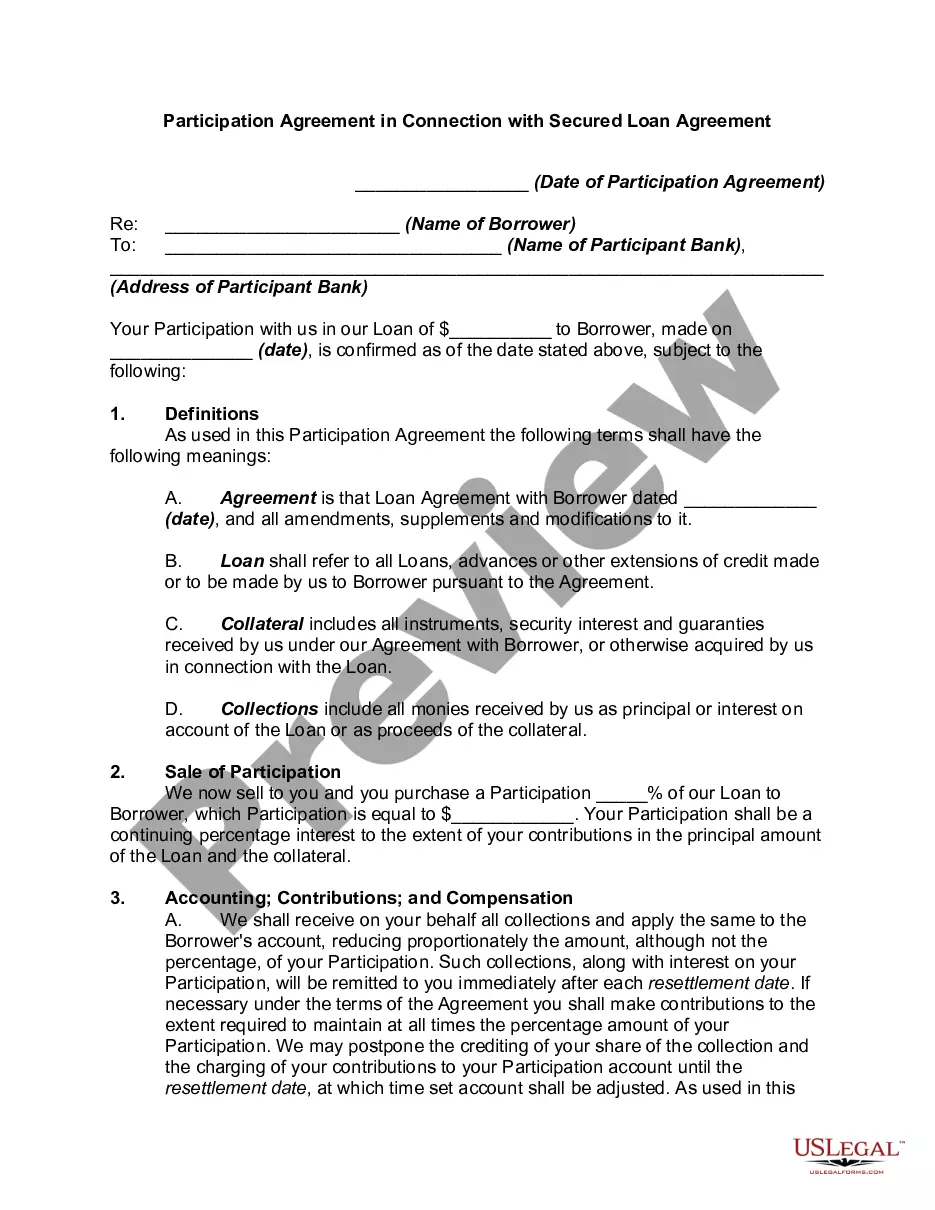






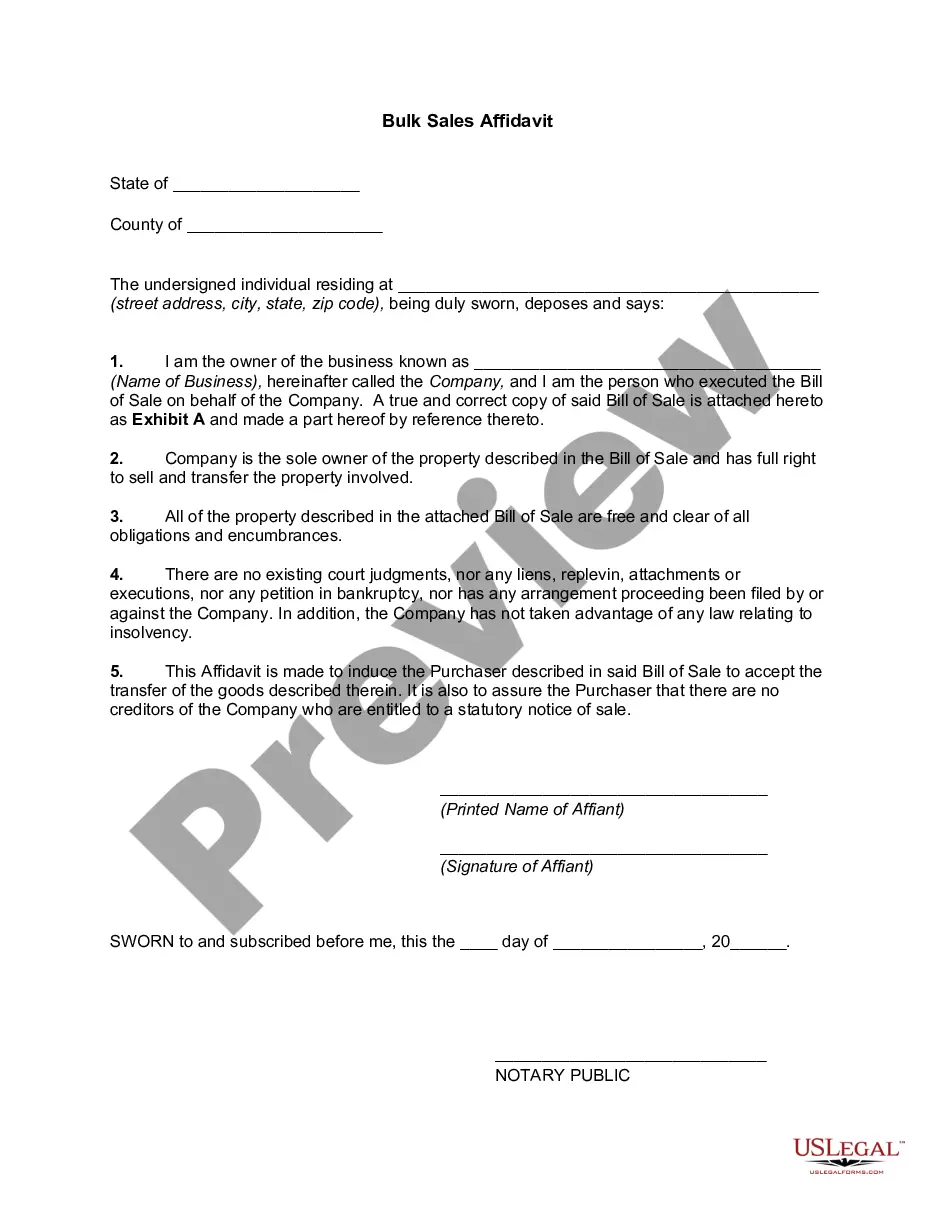
Form popularity
FAQ
The statutory procedure allows any director to be removed by ordinary resolution of the shareholders in general meetings (i.e., the holders of more than 50% of the voting shares must agree). This right of removal by the shareholders cannot be excluded by the Articles or by any agreement.
Notice period: This typically varies with territory and position. Executive-level roles in Europe typically require three months notice, but in the United States, it can be as little as two weeks. While it is possible to negotiate your notice period, always work to a schedule dictated by your notice period.
Tell your fellow directors you want to resign Ideally this should take the form of a written notice, either left at or send to the company's registered office, stating your intention to resign and the date this is to be effective from.
A director may resign from his office by giving a notice in writing to the company and the Board shall on receipt of such notice take note of the same and the company shall intimate the Registrar in such manner, within such time and in such form as may be prescribed and shall also place the fact of such resignation in ...
Under Item 502(b) of Form 8-K, if a director resigns from or refuses to stand for re-election to the board, a company must disclose that the event has occurred in a Form 8-K filed within four business days of the triggering event.
As per sec168 of Companies Act, 2013 a director may resign from company by giving notice in writing to company and board on receipt of notice, company intimate to ROC within 30 days of receipt of notice. Director may also intimate to ROC (forward copy of resignation) along with reason for resignation.
California follows an “at-will” employment doctrine, which means that either the employer or the employee can terminate the employment relationship at any time. However, this doesn't grant employers unlimited power to force resignations.
So, the answer to the question is: Yes, a director can be forced out – but the exact scenario depends on the protocols you establish from day one.
The decision to quit or wait to be fired in California is complex and depends on your specific situation. While quitting may offer some control over the narrative, being fired can strengthen certain legal claims and provide access to unemployment benefits.
In some cases, this may be due to misconduct, gross negligence or dereliction of the director's duties. Additionally, a director may be removed if they are bankrupt, convicted of a serious offence or deemed unfit to continue in their role.

