Trial Continuance Without A Finding In Queens
Description

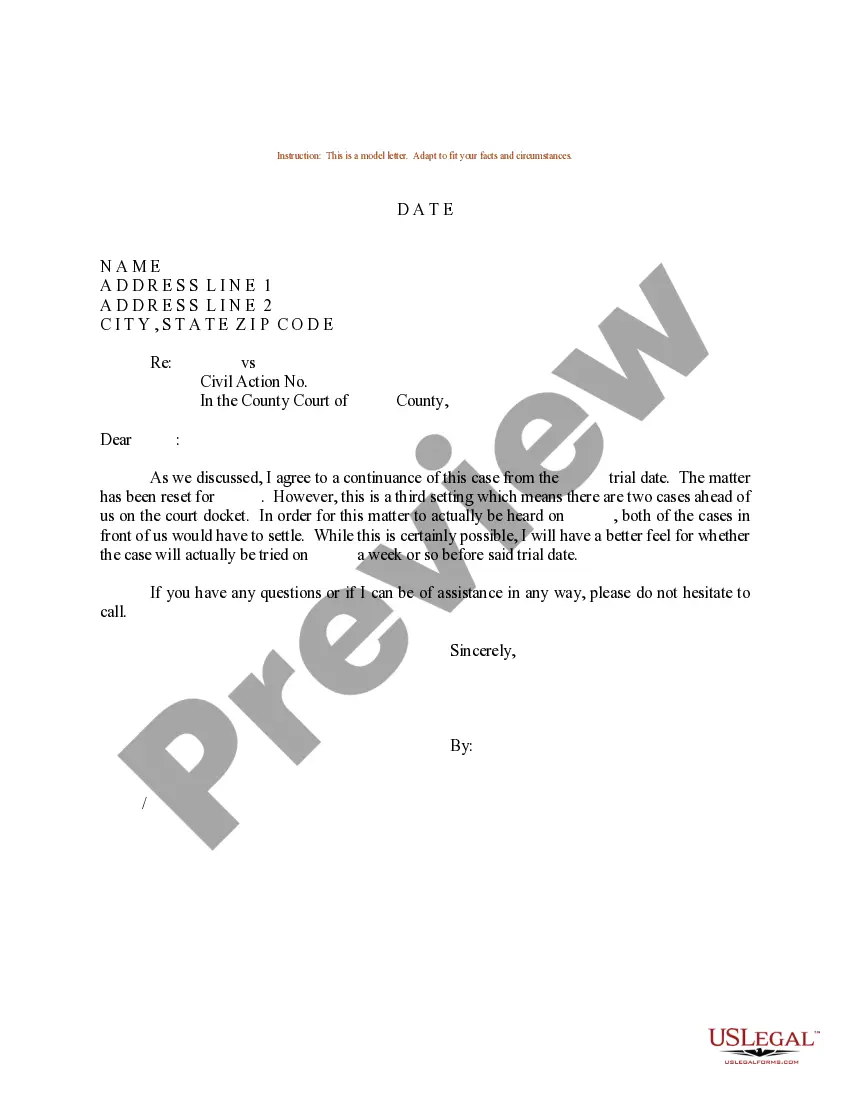
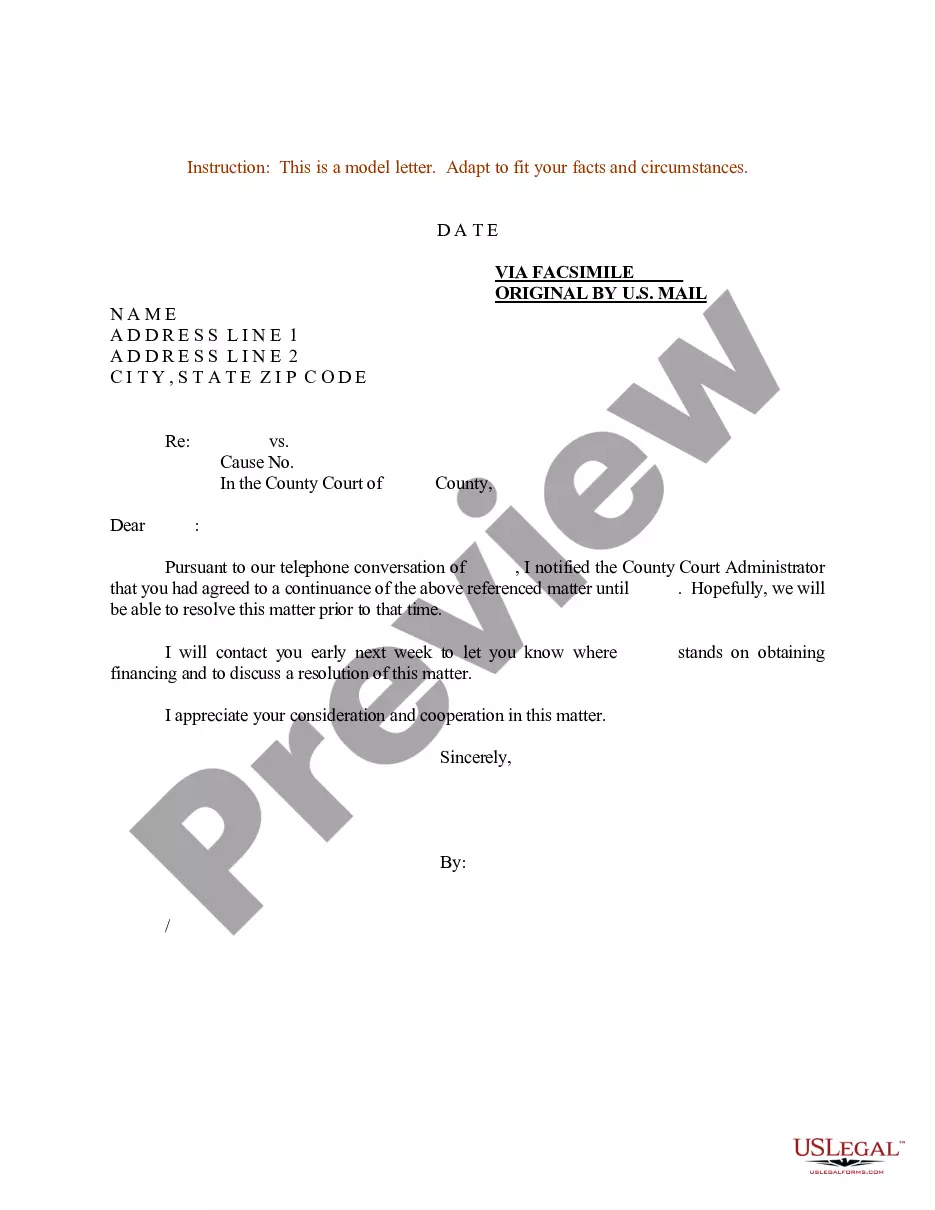
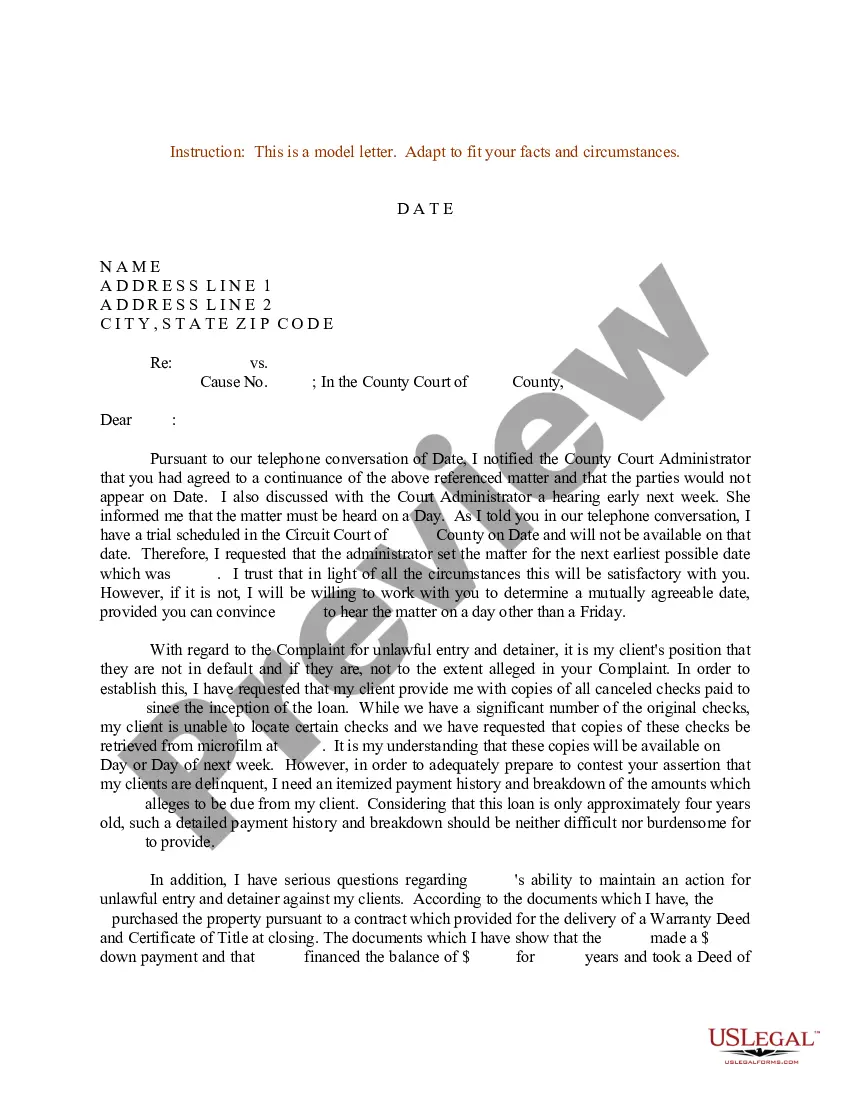
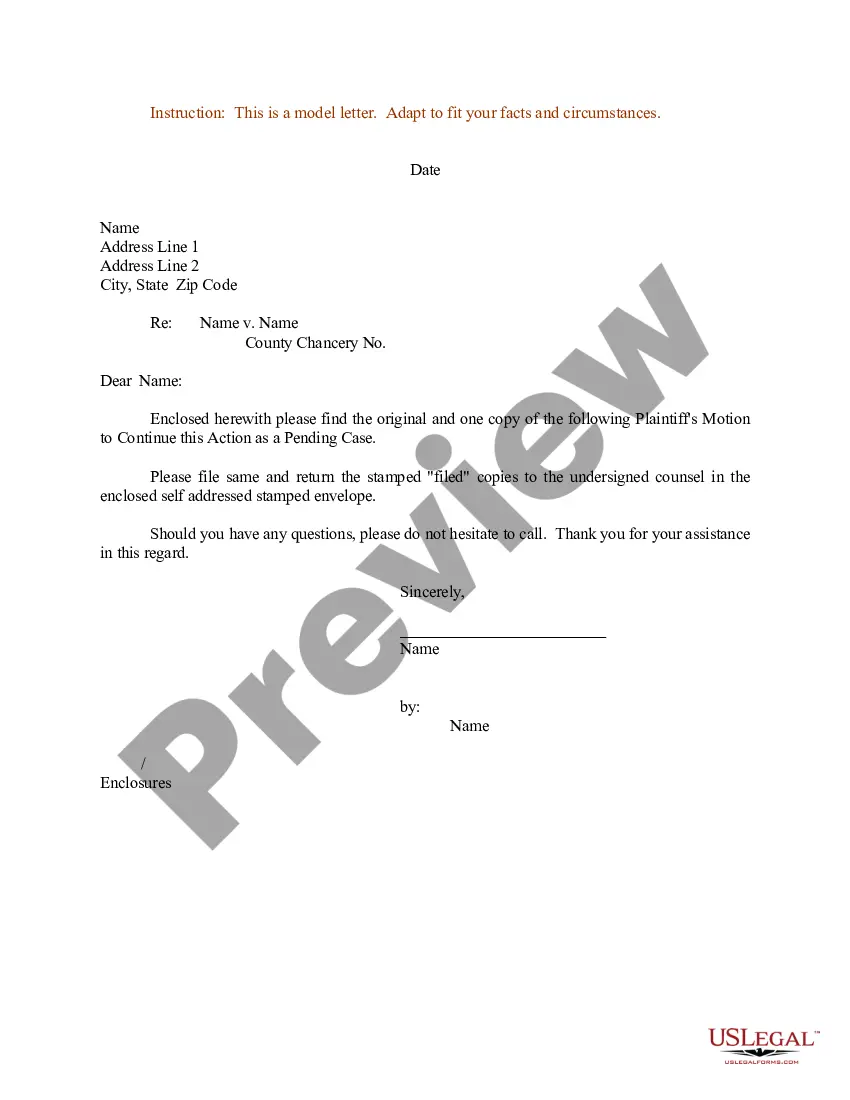
Get your form ready online
Our built-in tools help you complete, sign, share, and store your documents in one place.
Make edits, fill in missing information, and update formatting in US Legal Forms—just like you would in MS Word.
Download a copy, print it, send it by email, or mail it via USPS—whatever works best for your next step.
Sign and collect signatures with our SignNow integration. Send to multiple recipients, set reminders, and more. Go Premium to unlock E-Sign.
If this form requires notarization, complete it online through a secure video call—no need to meet a notary in person or wait for an appointment.
We protect your documents and personal data by following strict security and privacy standards.

Make edits, fill in missing information, and update formatting in US Legal Forms—just like you would in MS Word.

Download a copy, print it, send it by email, or mail it via USPS—whatever works best for your next step.

Sign and collect signatures with our SignNow integration. Send to multiple recipients, set reminders, and more. Go Premium to unlock E-Sign.

If this form requires notarization, complete it online through a secure video call—no need to meet a notary in person or wait for an appointment.

We protect your documents and personal data by following strict security and privacy standards.
Looking for another form?




Form popularity
FAQ
Judges generally do not grant continuances freely unless proceeding to trial would violate the defendant's rights. They have discretion to deny a continuance unless the law in their state requires a continuance to be granted in a certain situation.
A “motion for a continuance” is a request asking the judge to make an order changing your hearing date. If the judge grants your motion, your court date will be postponed to a later time. For most requests for continuances, you must provide the judge with a suitable reason (“good cause”) for postponing your court date.
Illness, death or withdrawal of counsel in civil cases are also reasons for granting a continuance. Absence of witness or evidence. A civil case may be continued due to a lack of evidence or witnesses. Absence or incapacity of counsel. Absence of party. Surprise. Other grounds.
You'll need to file a request with the court. This is usually done in the form of a written motion, which is a formal request to the court to make a particular decision. Your motion should explain why you need more time and how long of a delay you are requesting.
An objection to a continuance should be clear and positive, though no particular form of words is required. Words such as “I object,” or “We want it tried,” are clear enough. Expressions such as “Well, we leave it up to the court,” or “I cannot consent,” are equivocal, and will not be taken as objections.
(2) For purposes of this section, "good cause" includes, but is not limited to, those cases involving murder, as defined in subdivision (a) of Section 187, allegations that stalking, as defined in Section 646.9, a violation of one or more of the sections specified in subdivision (a) of Section 11165.1 or Section ...
When writing your continuance letter, it's important to follow the proper format and structure. Begin with a formal salutation, such as "Dear Judge Last Name," and introduce yourself and your case. Clearly state your reasons for requesting a continuance and provide supporting evidence.
Absolutely. You would just need to draft it and explain why you need the continuance.
Circumstances that may indicate good cause for a continuance include the unavailability of an essential witness (CRC 3.1332 (c)(1)); the unavailability of a party because of death, illness, or other excusable circumstances (CRC 3.1332 (c)(2)); or a significant, unanticipated change in the status of the case as a result ...
Begin with a formal salutation, such as "Dear Judge Last Name," and introduce yourself and your case. Clearly state your reasons for requesting a continuance and provide supporting evidence. Conclude your letter by expressing your gratitude and willingness to cooperate with the court's decision.

