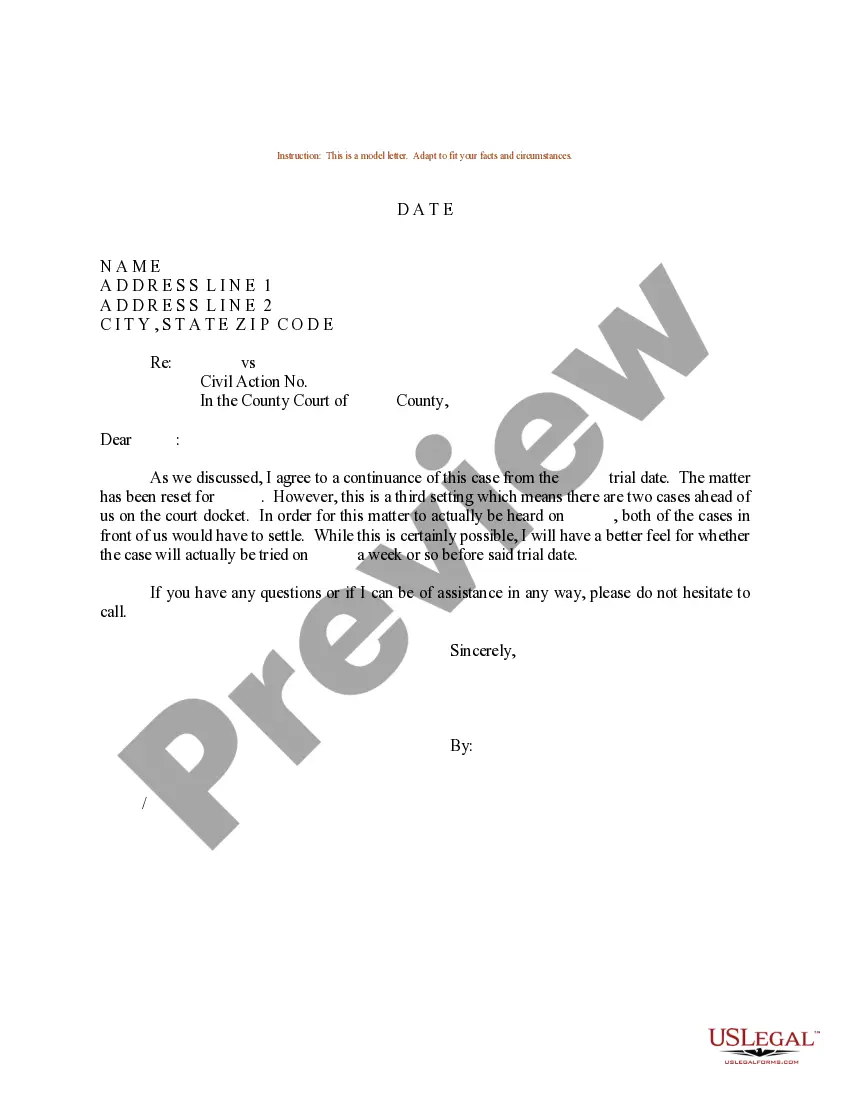
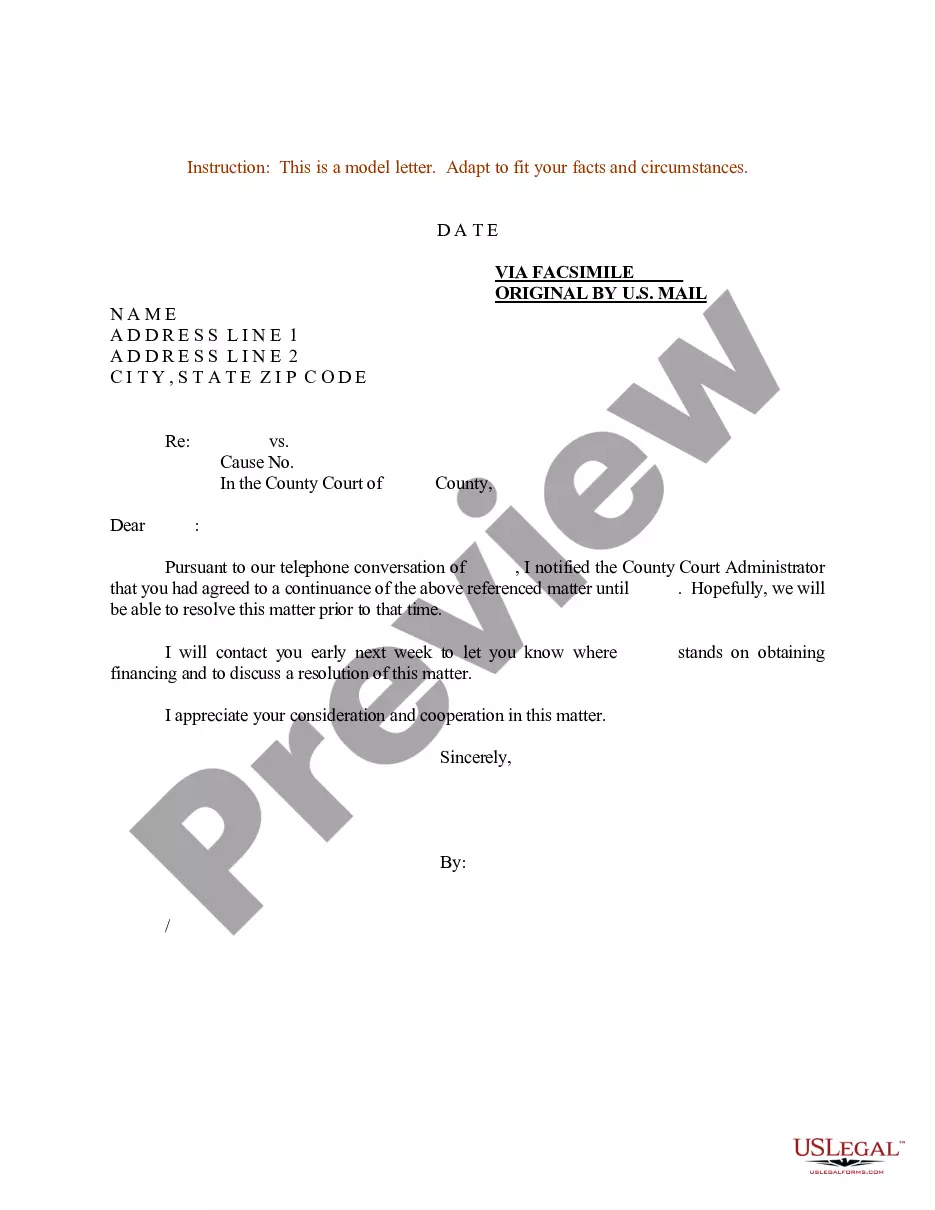
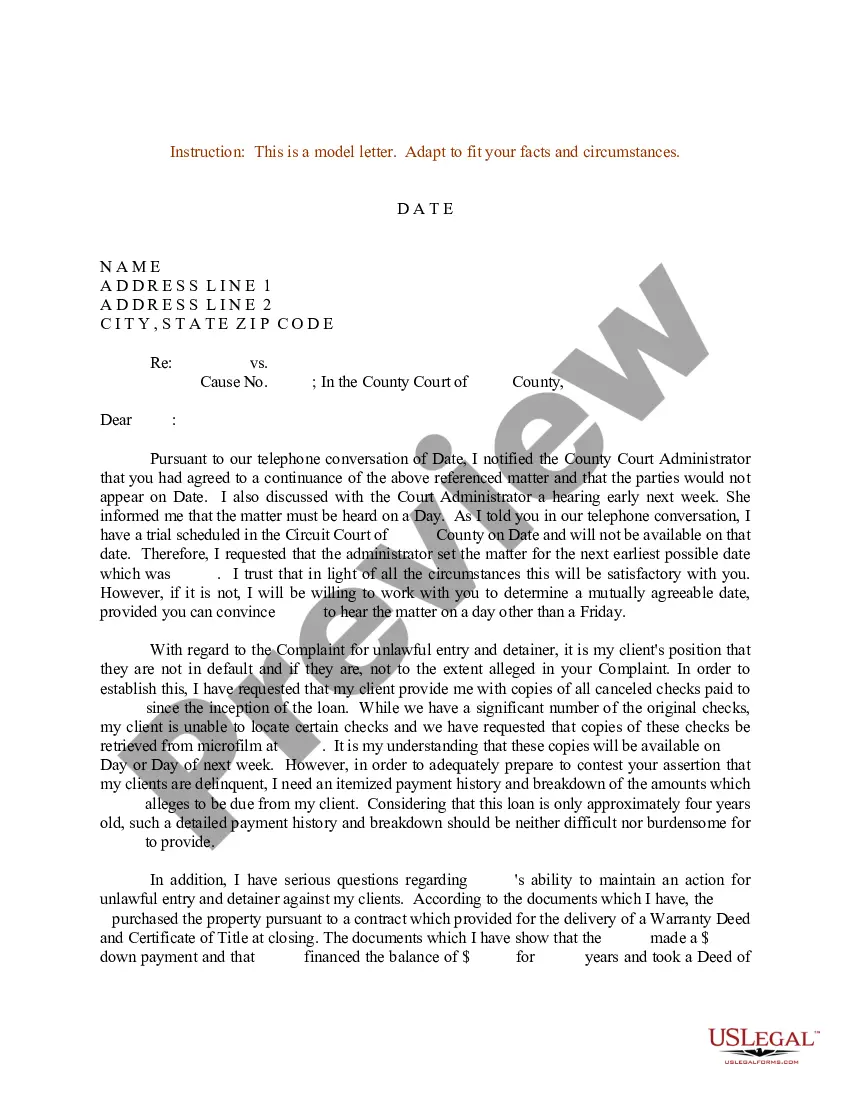
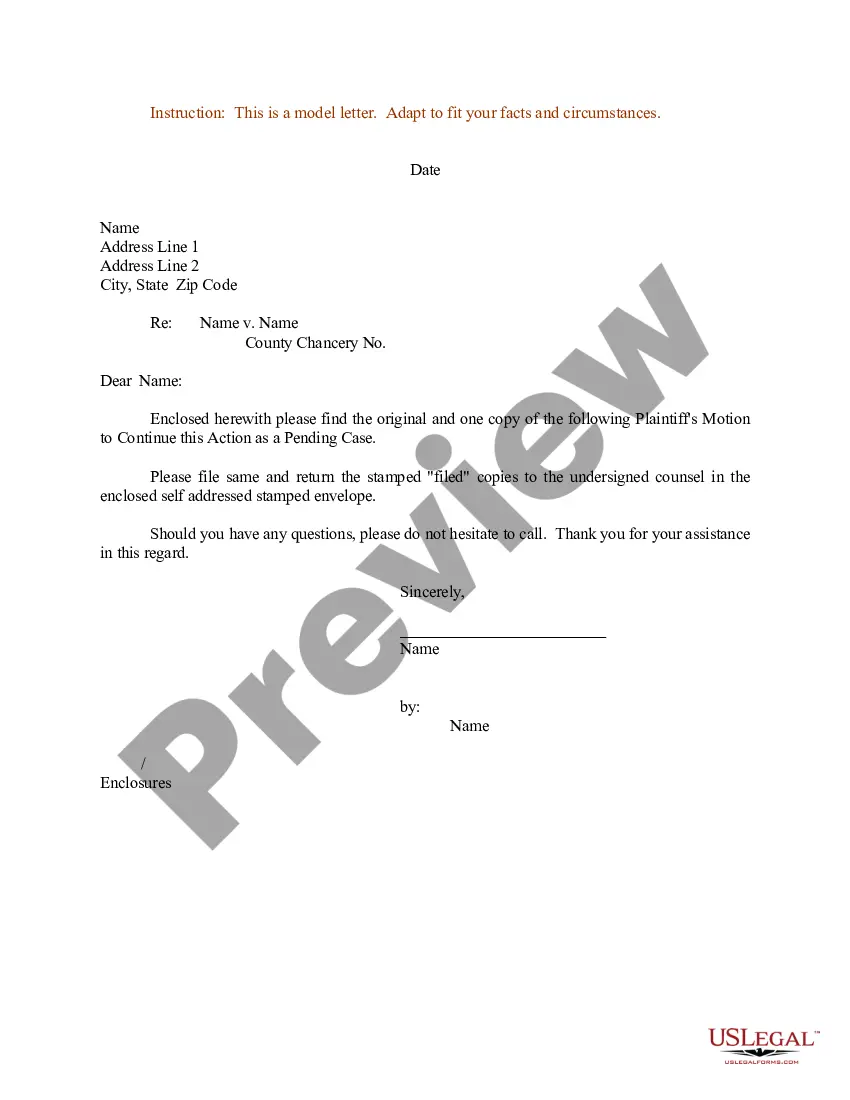
Order For Continuance Of Trial Date In Middlesex
Description

Get your form ready online
Our built-in tools help you complete, sign, share, and store your documents in one place.
Make edits, fill in missing information, and update formatting in US Legal Forms—just like you would in MS Word.
Download a copy, print it, send it by email, or mail it via USPS—whatever works best for your next step.
Sign and collect signatures with our SignNow integration. Send to multiple recipients, set reminders, and more. Go Premium to unlock E-Sign.
If this form requires notarization, complete it online through a secure video call—no need to meet a notary in person or wait for an appointment.
We protect your documents and personal data by following strict security and privacy standards.

Make edits, fill in missing information, and update formatting in US Legal Forms—just like you would in MS Word.

Download a copy, print it, send it by email, or mail it via USPS—whatever works best for your next step.

Sign and collect signatures with our SignNow integration. Send to multiple recipients, set reminders, and more. Go Premium to unlock E-Sign.

If this form requires notarization, complete it online through a secure video call—no need to meet a notary in person or wait for an appointment.

We protect your documents and personal data by following strict security and privacy standards.
Looking for another form?









Form popularity
FAQ
Either side can ask the court for a continuance, or the judge can order a continuance independently if they feel that it is necessary. Judges generally do not grant continuances freely unless proceeding to trial would violate the defendant's rights.
Circumstances that may indicate good cause for a continuance include the unavailability of an essential witness (CRC 3.1332 (c)(1)); the unavailability of a party because of death, illness, or other excusable circumstances (CRC 3.1332 (c)(2)); or a significant, unanticipated change in the status of the case as a result ...
Either side can ask the court for a continuance, or the judge can order a continuance independently if they feel that it is necessary. Judges generally do not grant continuances freely unless proceeding to trial would violate the defendant's rights.
Circumstances that may indicate good cause for a continuance include the unavailability of an essential witness (CRC 3.1332 (c)(1)); the unavailability of a party because of death, illness, or other excusable circumstances (CRC 3.1332 (c)(2)); or a significant, unanticipated change in the status of the case as a result ...
A continuance may give you the time needed to secure your testimony. For example, consider you're charged with a serious crime, but a critical expert witness is unexpectedly unavailable. If that expert's testimony is essential to your defense, your attorney may request a continuance to ensure they can testify later.
Even if the other party does not agree, you may still contact the court to request a continuance of the hearing date. With the current public health crisis, judges may be more sensitive to health concerns and more lenient in granting continuances.
Written Motion: Most courts require a written motion for a continuance. This document should include your name, the case number, the current hearing date, and the reason for the request. It should be clear, concise, and respectful in tone. Propose a New Date: If possible, suggest a new date for the hearing.
If the parties to a case are in agreement, it is more likely that the court will agree to change the hearing date. Even if the other party does not agree, you may still contact the court to request a continuance of the hearing date.
When writing your continuance letter, it's important to follow the proper format and structure. Begin with a formal salutation, such as "Dear Judge Last Name," and introduce yourself and your case. Clearly state your reasons for requesting a continuance and provide supporting evidence.
The procedure to establish contempt is straightforward. The person seeking the finding must file a motion in court with supporting documents stating how a court order was allegedly violated. The court will set a hearing date. The accused party must be properly served with the motion and notice of hearing.

