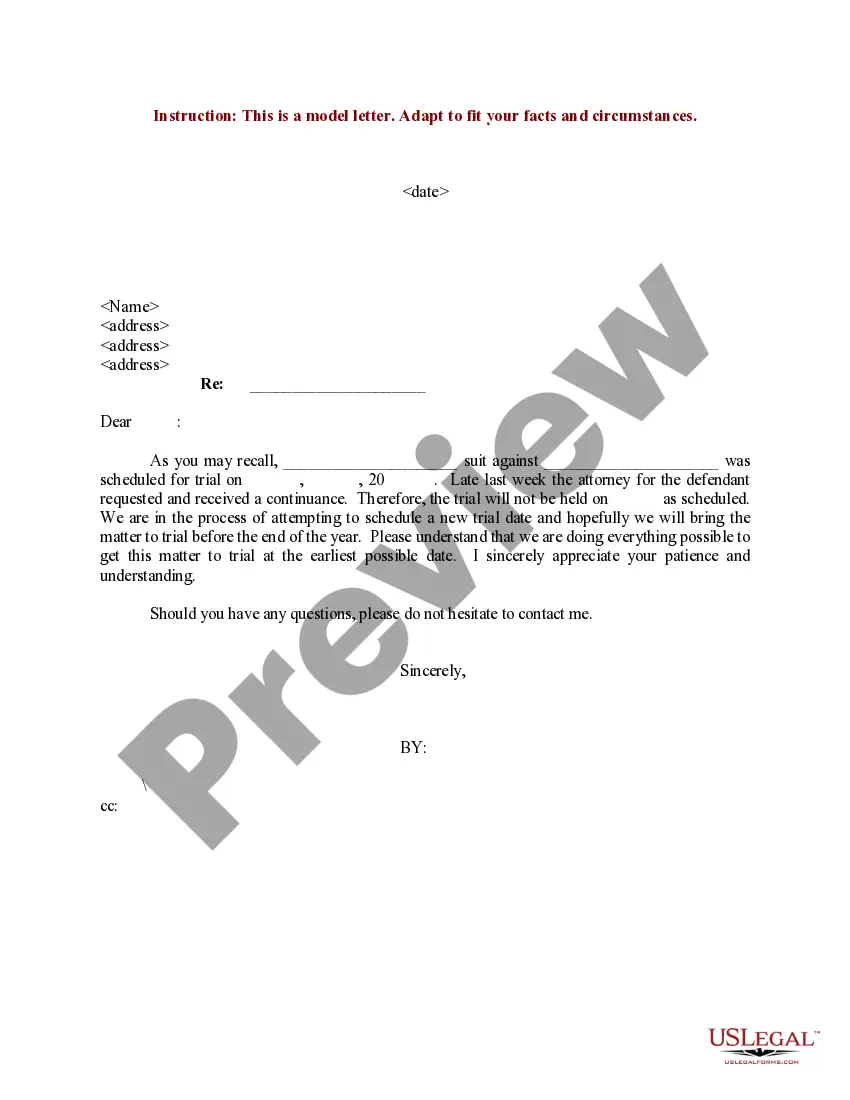
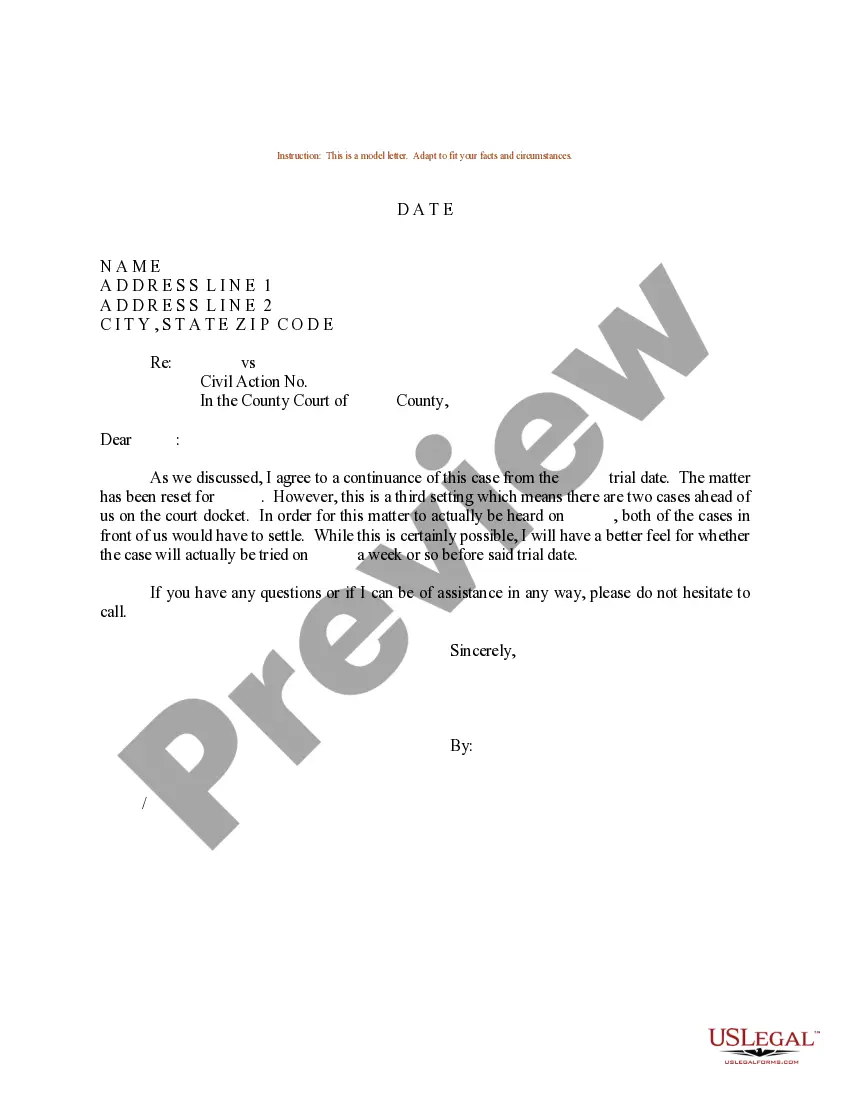
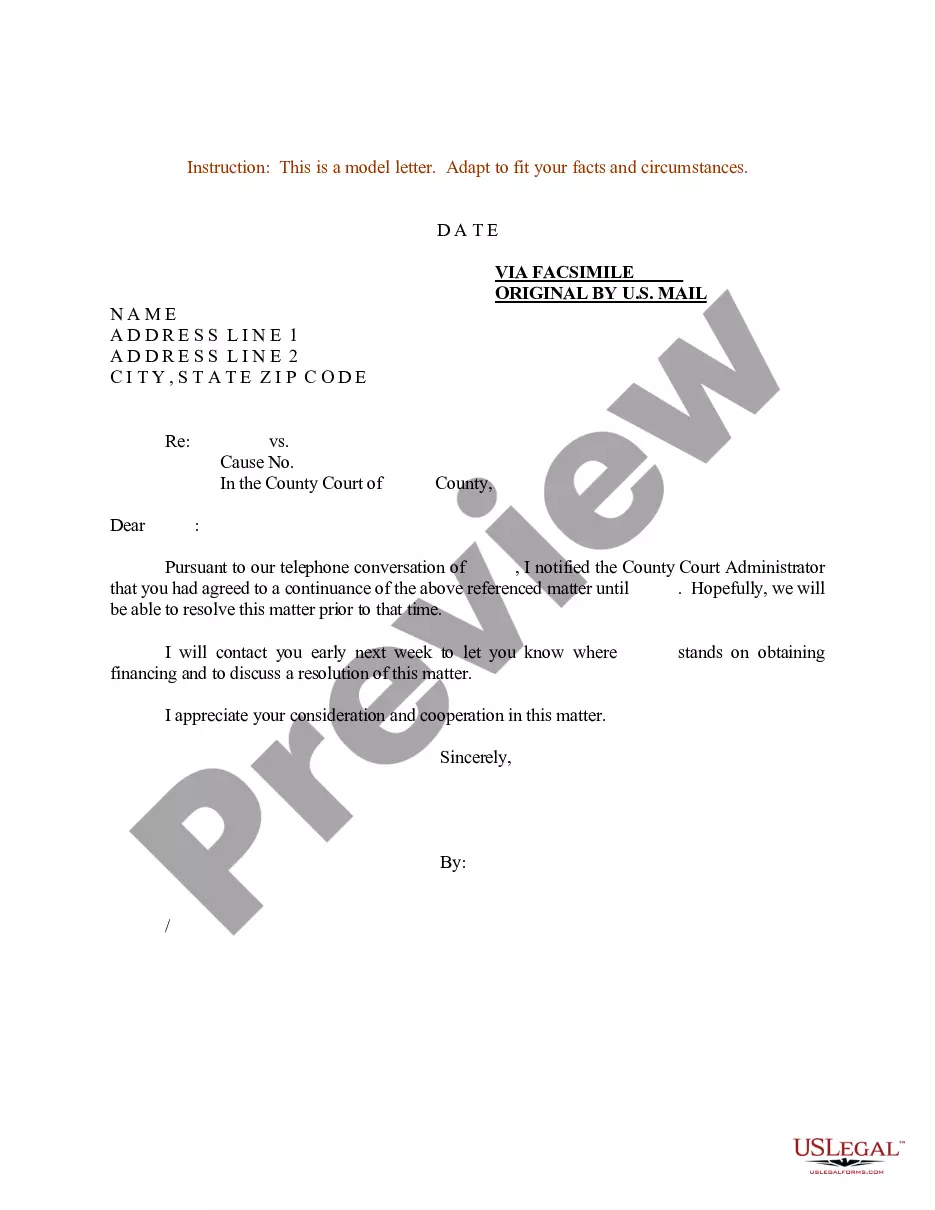
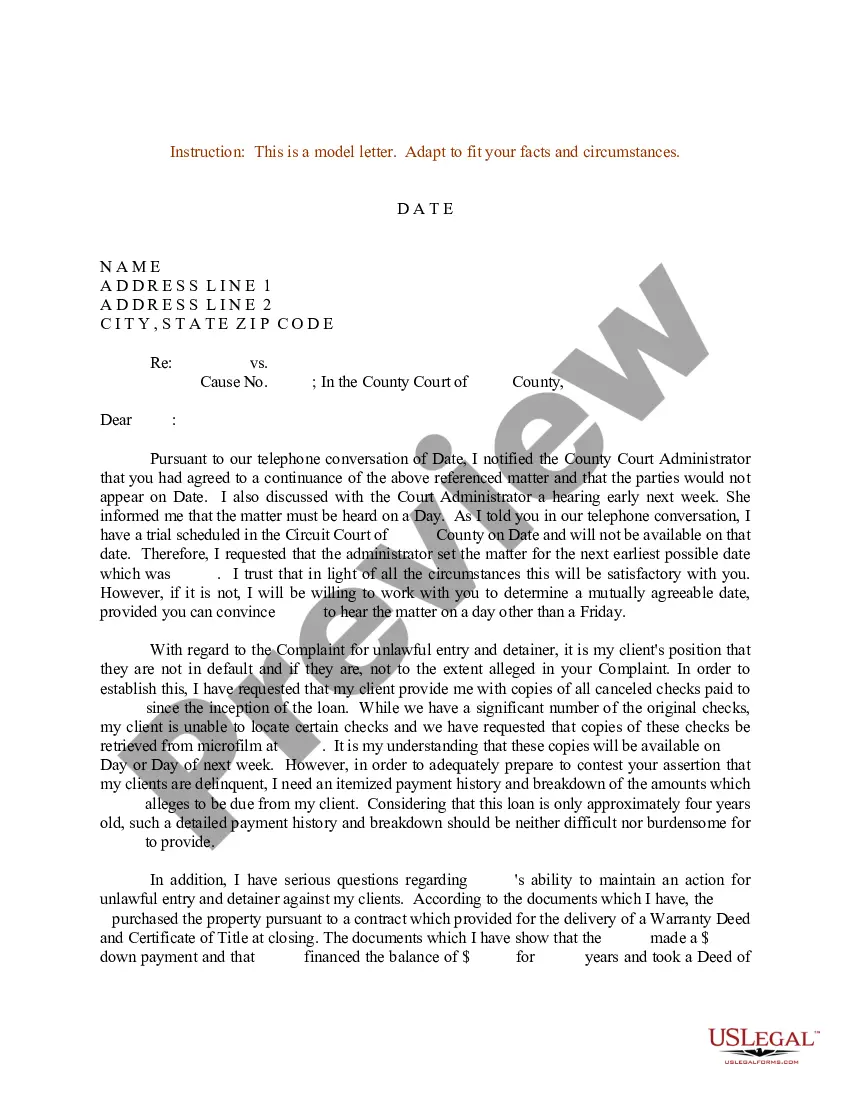
Continuance For Trial In Maricopa
Description

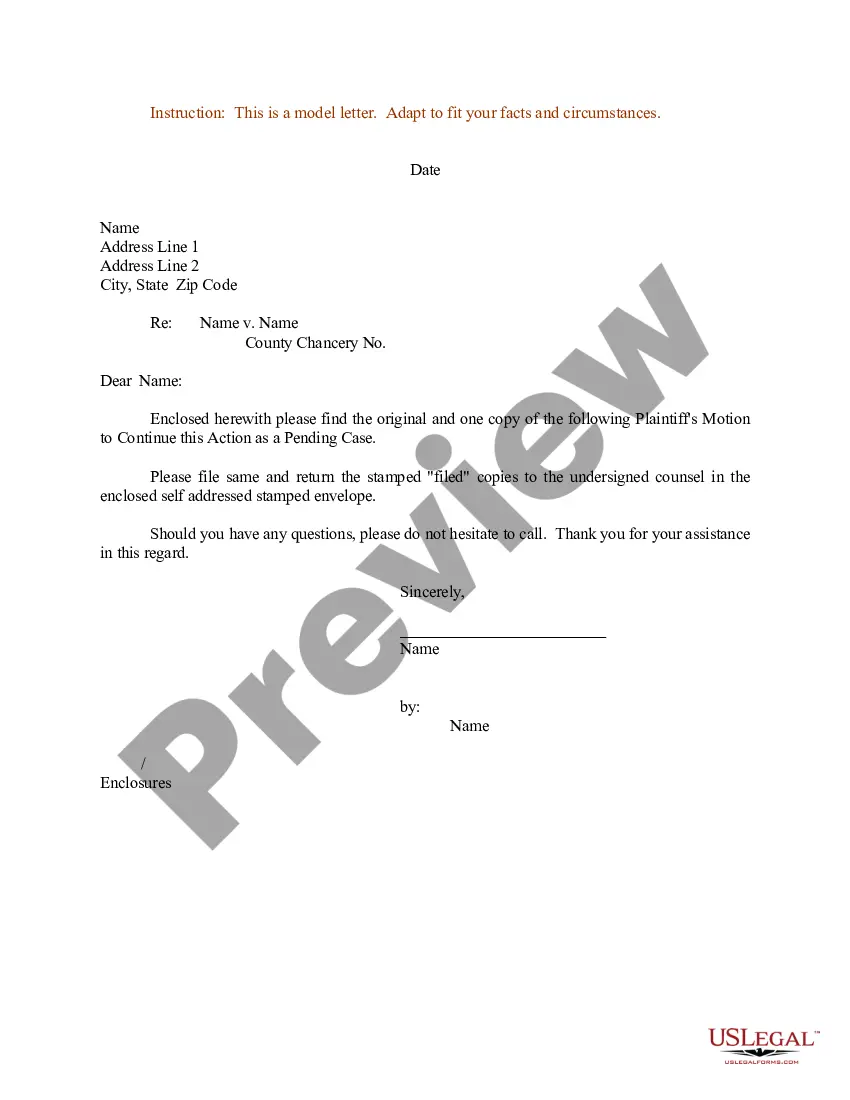
Get your form ready online
Our built-in tools help you complete, sign, share, and store your documents in one place.
Make edits, fill in missing information, and update formatting in US Legal Forms—just like you would in MS Word.
Download a copy, print it, send it by email, or mail it via USPS—whatever works best for your next step.
Sign and collect signatures with our SignNow integration. Send to multiple recipients, set reminders, and more. Go Premium to unlock E-Sign.
If this form requires notarization, complete it online through a secure video call—no need to meet a notary in person or wait for an appointment.
We protect your documents and personal data by following strict security and privacy standards.

Make edits, fill in missing information, and update formatting in US Legal Forms—just like you would in MS Word.

Download a copy, print it, send it by email, or mail it via USPS—whatever works best for your next step.

Sign and collect signatures with our SignNow integration. Send to multiple recipients, set reminders, and more. Go Premium to unlock E-Sign.

If this form requires notarization, complete it online through a secure video call—no need to meet a notary in person or wait for an appointment.

We protect your documents and personal data by following strict security and privacy standards.
Looking for another form?
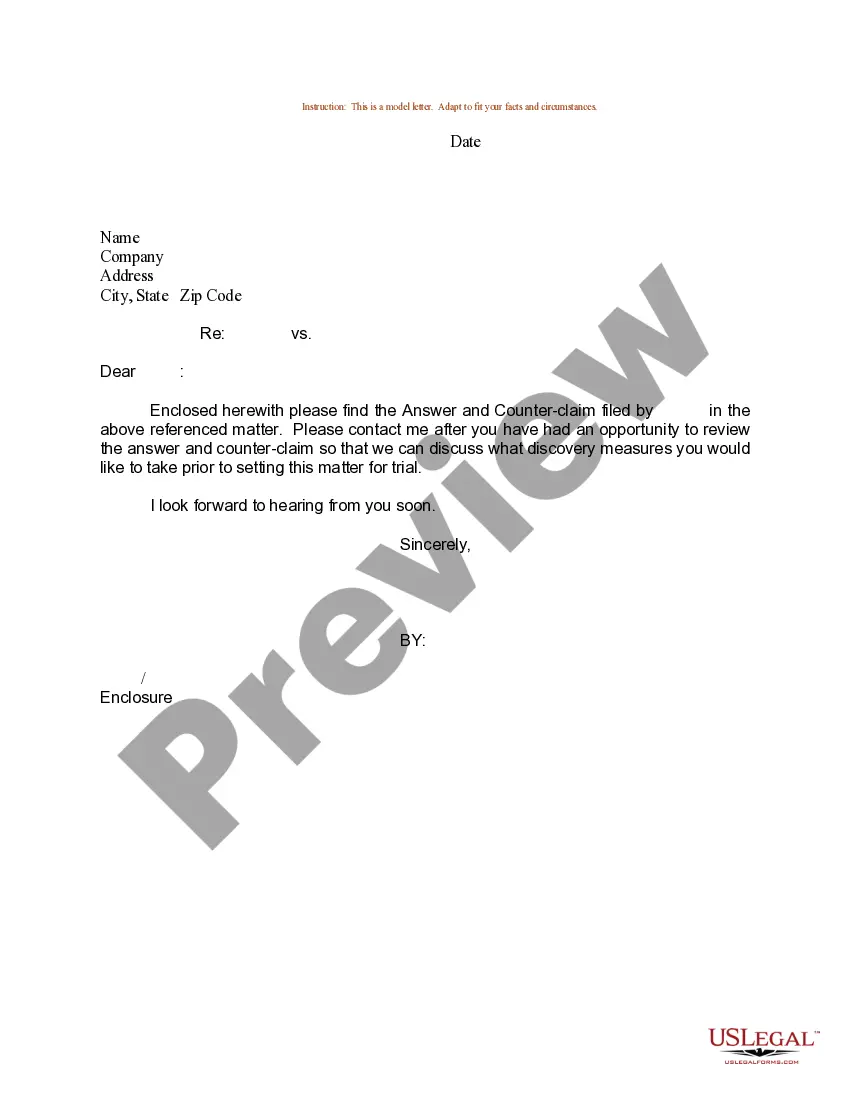

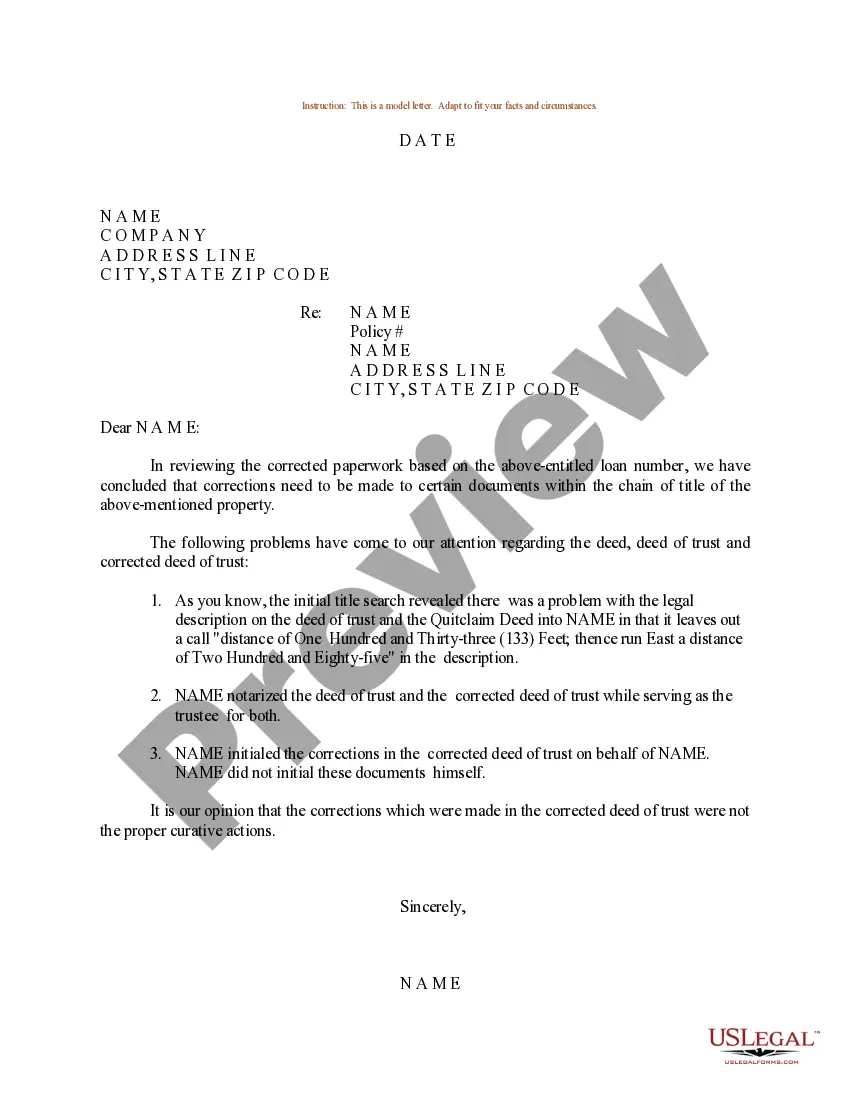
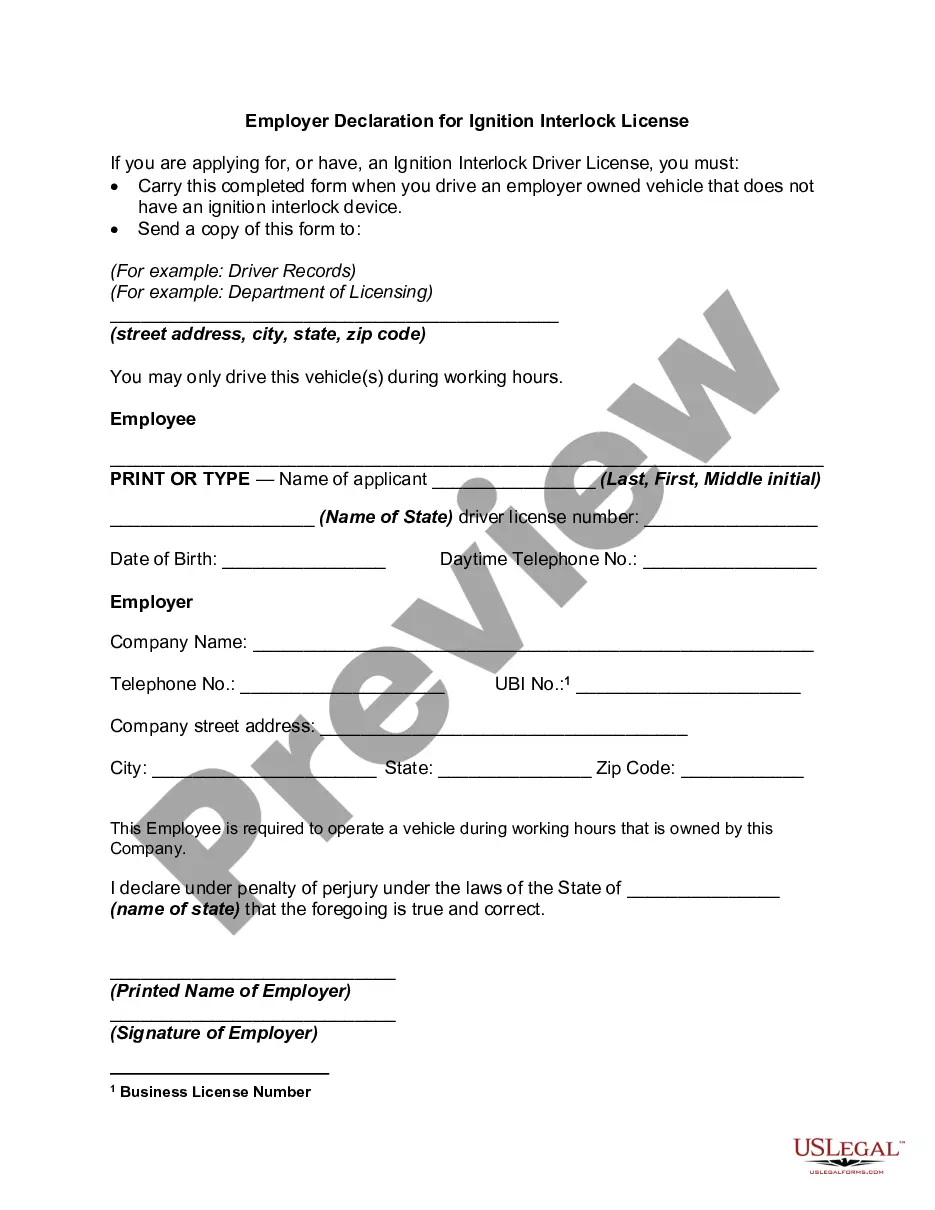
Form popularity
FAQ
Judges have wide discretion to grant and deny continuances. Some judges routinely grant requests from all lawyers. Others may be reluctant if they believe there is not a good reason for delay. Some judges can be very tough with continuances, and may refuse most requests.
Please contact the court prior to your court date if you need to reschedule your arraignment. Requests for continuances (Motion to Continue) for all other hearings must be made in writing no later than five days prior to the scheduled hearing.
The continuence might be longer this allows both parties adequate time to prepare their casesMoreThe continuence might be longer this allows both parties adequate time to prepare their cases properly.
A party in a legal dispute typically requests a continuance in writing: they or their attorney must file a motion with the court. This is almost always done well in advance of the actual trial date.
A judge may deny a continuance when: the new evidence is reasonably related to evidence that the defendant already knows about. the defendant has enough time without the continuance to prepare for the new evidence.
A request for continuance must be made no less than five (5) days prior to the scheduled hearing date and shall not be granted absent a showing of good cause. Good cause includes, but is not limited to, scheduling conflicts and unavailability of witnesses.
Begin with a formal salutation, such as "Dear Judge Last Name," and introduce yourself and your case. Clearly state your reasons for requesting a continuance and provide supporting evidence. Conclude your letter by expressing your gratitude and willingness to cooperate with the court's decision.
Some of the reasons that might necessitate a continuance include: You need additional time to secure an attorney to represent you in court. You need more time to gather evidence because the other side has been stalling on discovery requests. You need more time to locate witnesses who are critical to your case.
251. No application for a continuance shall be heard before the defendant files his defense, nor shall any continuance be granted except for sufficient cause supported by affidavit, or by consent of the parties, or by operation of law.
A continuance changes the date of a court hearing or trial to a later date. You can ask a judge for a continuance by filing a motion for continuance.