Acceptance Letter In Spanish In Wayne
Description
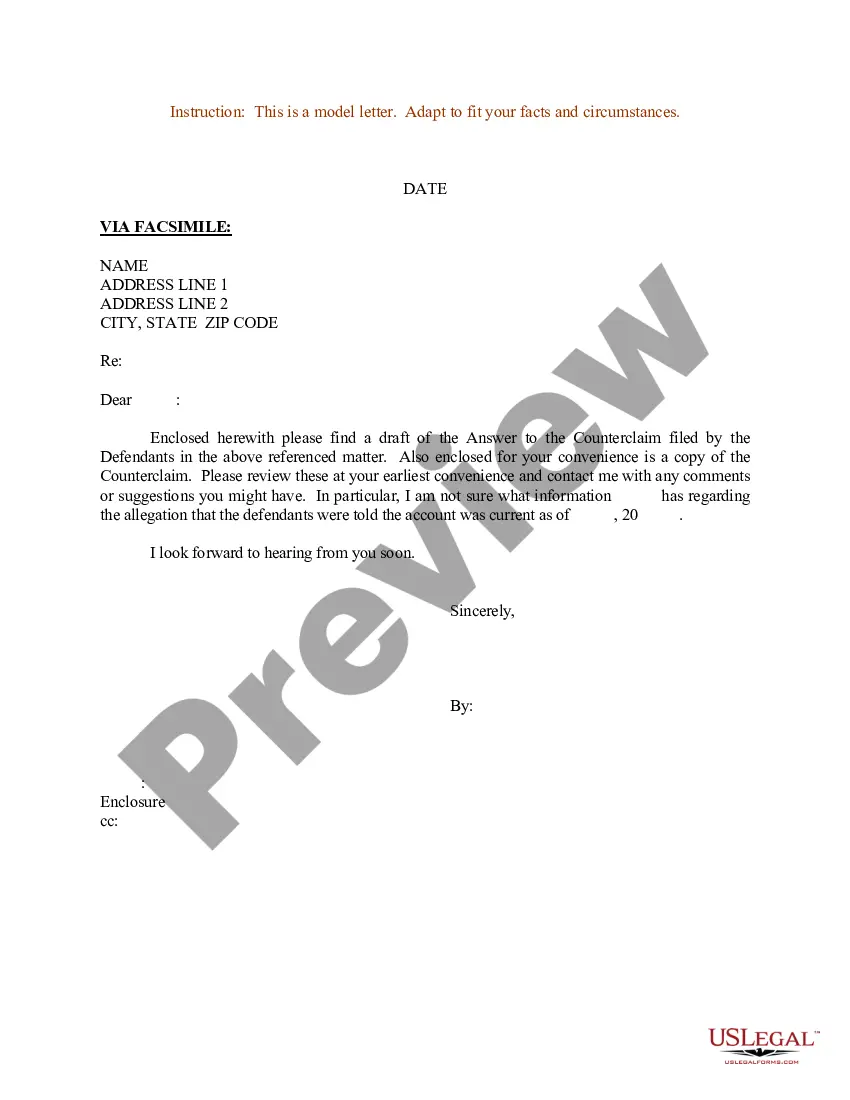
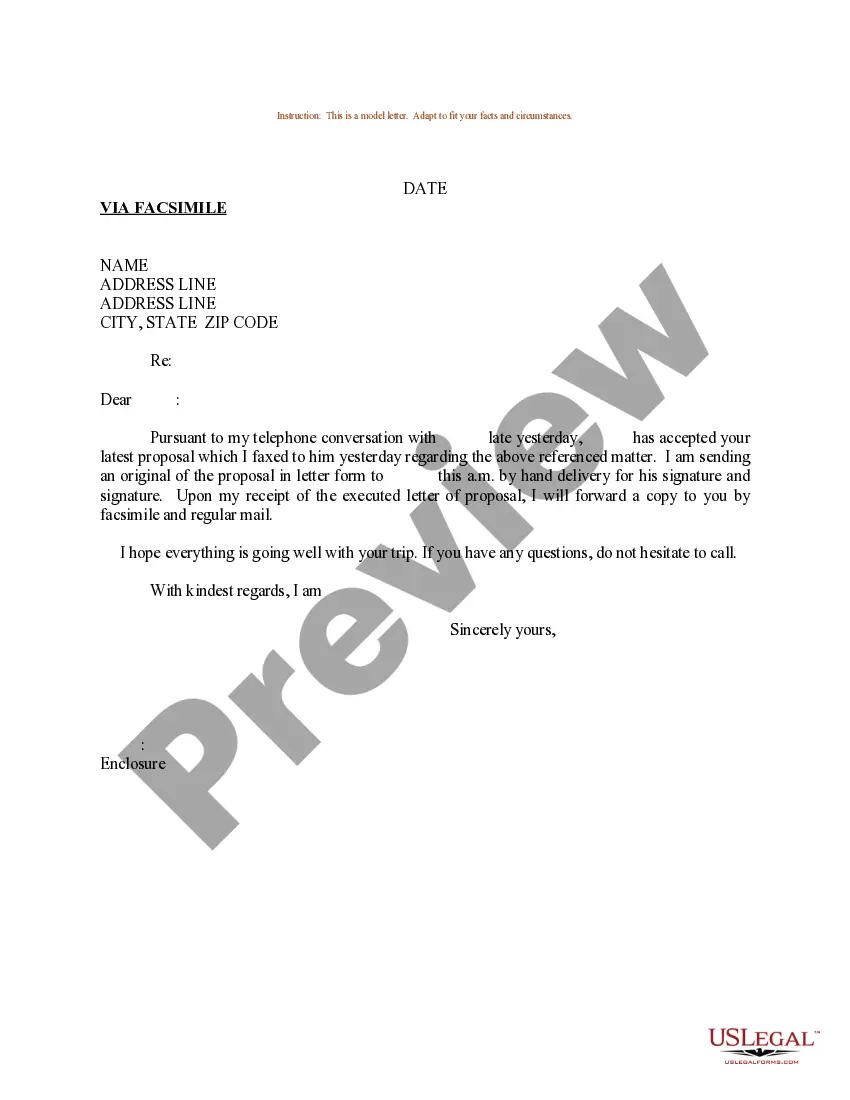
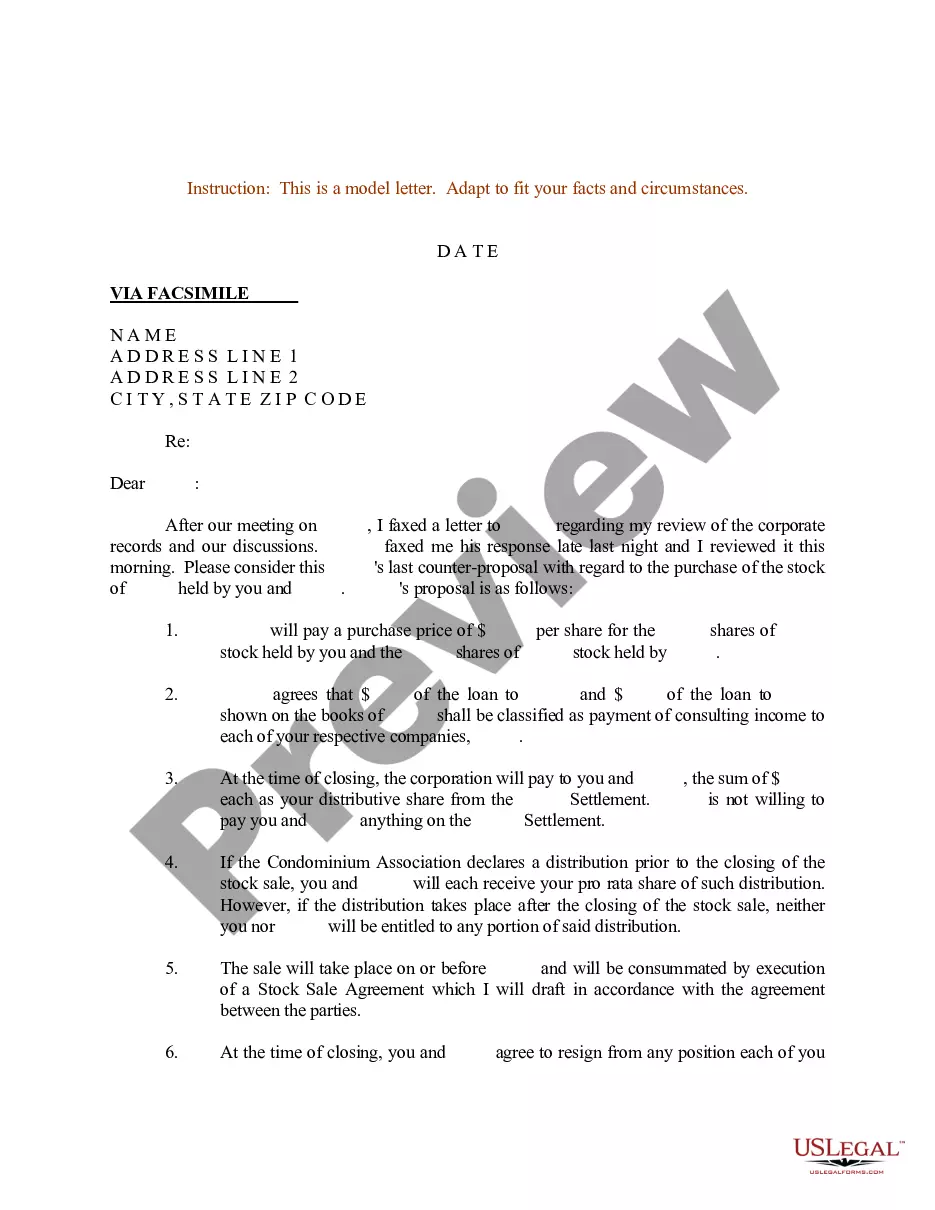
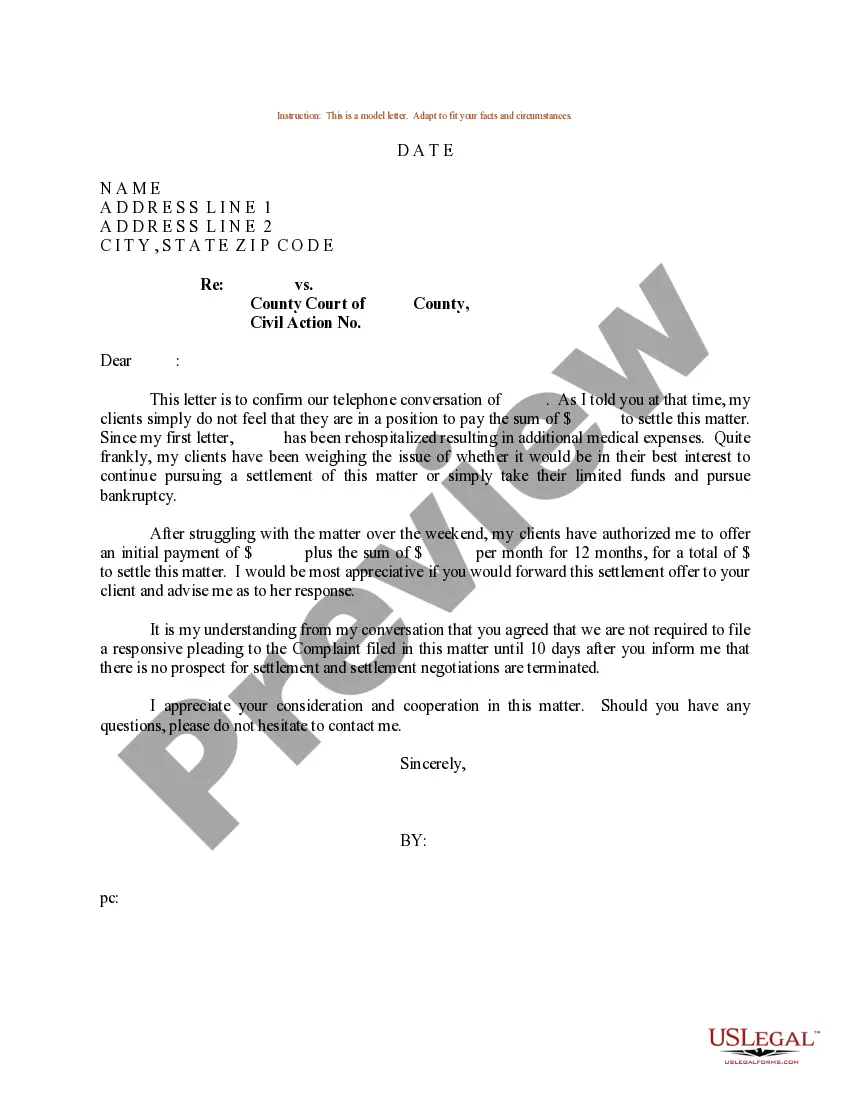
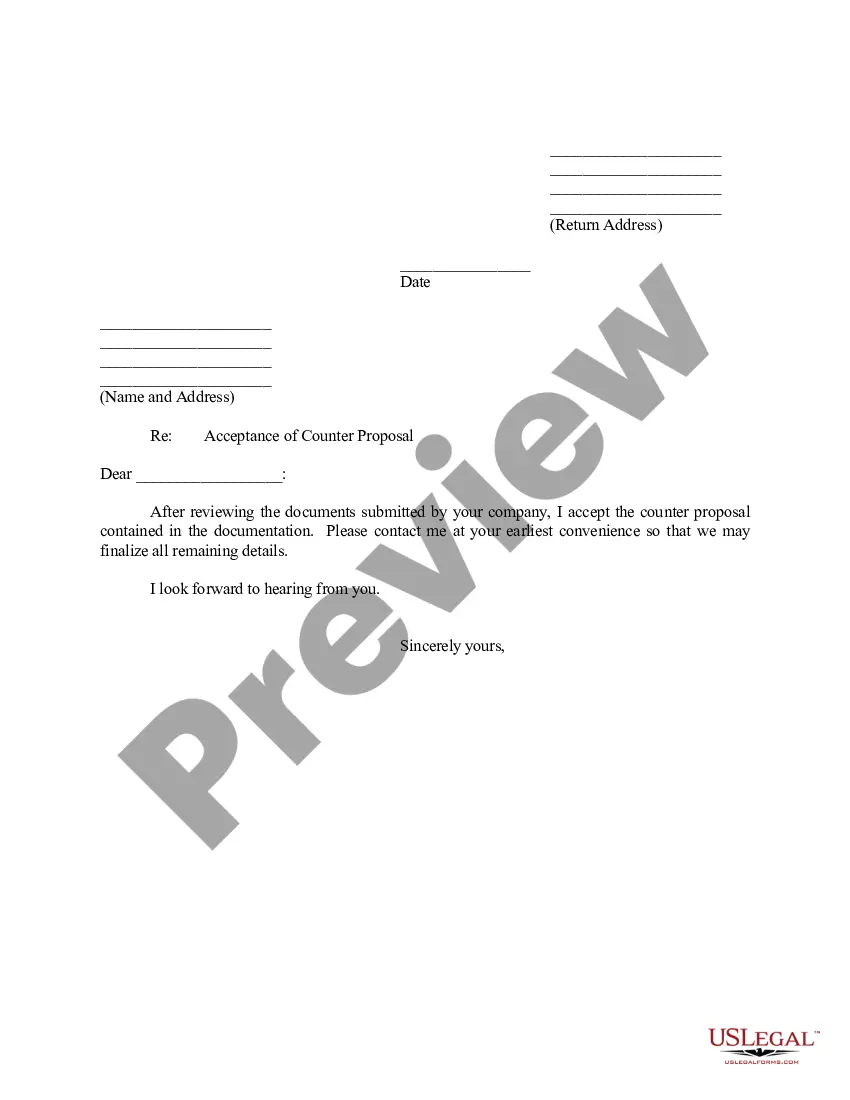
Get your form ready online
Our built-in tools help you complete, sign, share, and store your documents in one place.
Make edits, fill in missing information, and update formatting in US Legal Forms—just like you would in MS Word.
Download a copy, print it, send it by email, or mail it via USPS—whatever works best for your next step.
Sign and collect signatures with our SignNow integration. Send to multiple recipients, set reminders, and more. Go Premium to unlock E-Sign.
If this form requires notarization, complete it online through a secure video call—no need to meet a notary in person or wait for an appointment.
We protect your documents and personal data by following strict security and privacy standards.

Make edits, fill in missing information, and update formatting in US Legal Forms—just like you would in MS Word.

Download a copy, print it, send it by email, or mail it via USPS—whatever works best for your next step.

Sign and collect signatures with our SignNow integration. Send to multiple recipients, set reminders, and more. Go Premium to unlock E-Sign.

If this form requires notarization, complete it online through a secure video call—no need to meet a notary in person or wait for an appointment.

We protect your documents and personal data by following strict security and privacy standards.
Looking for another form?




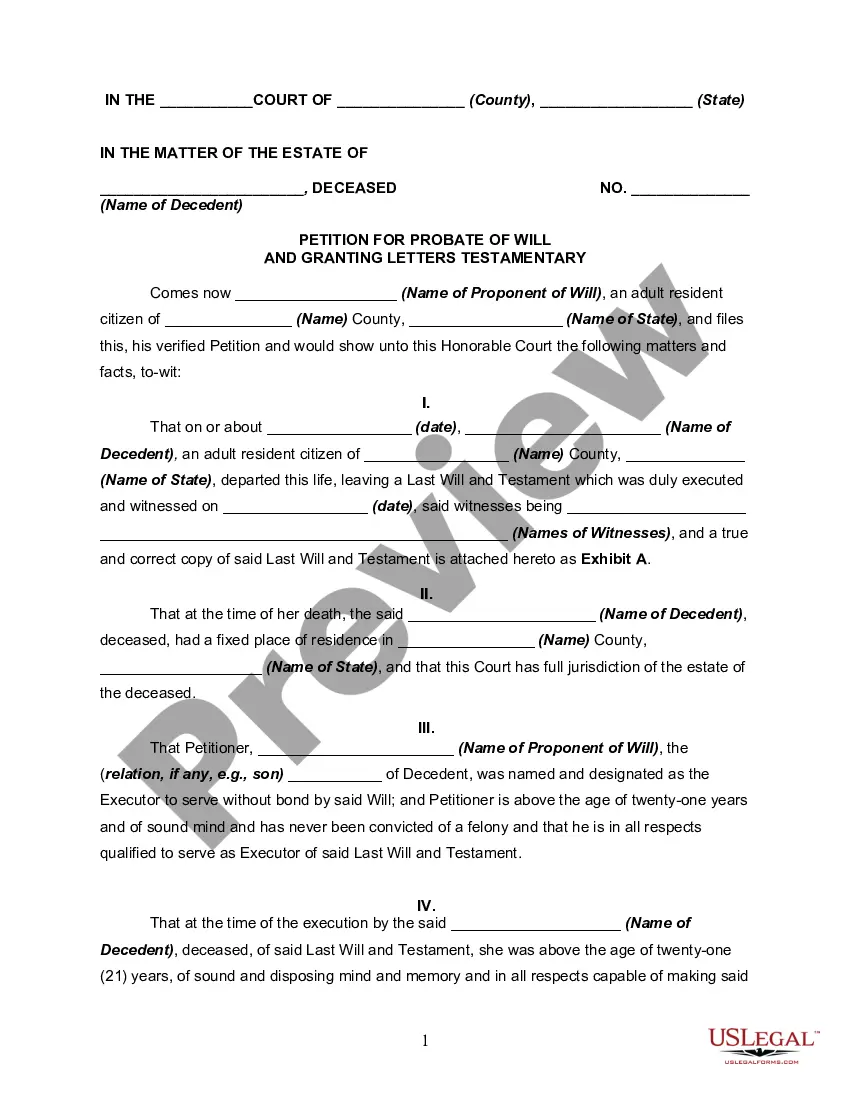
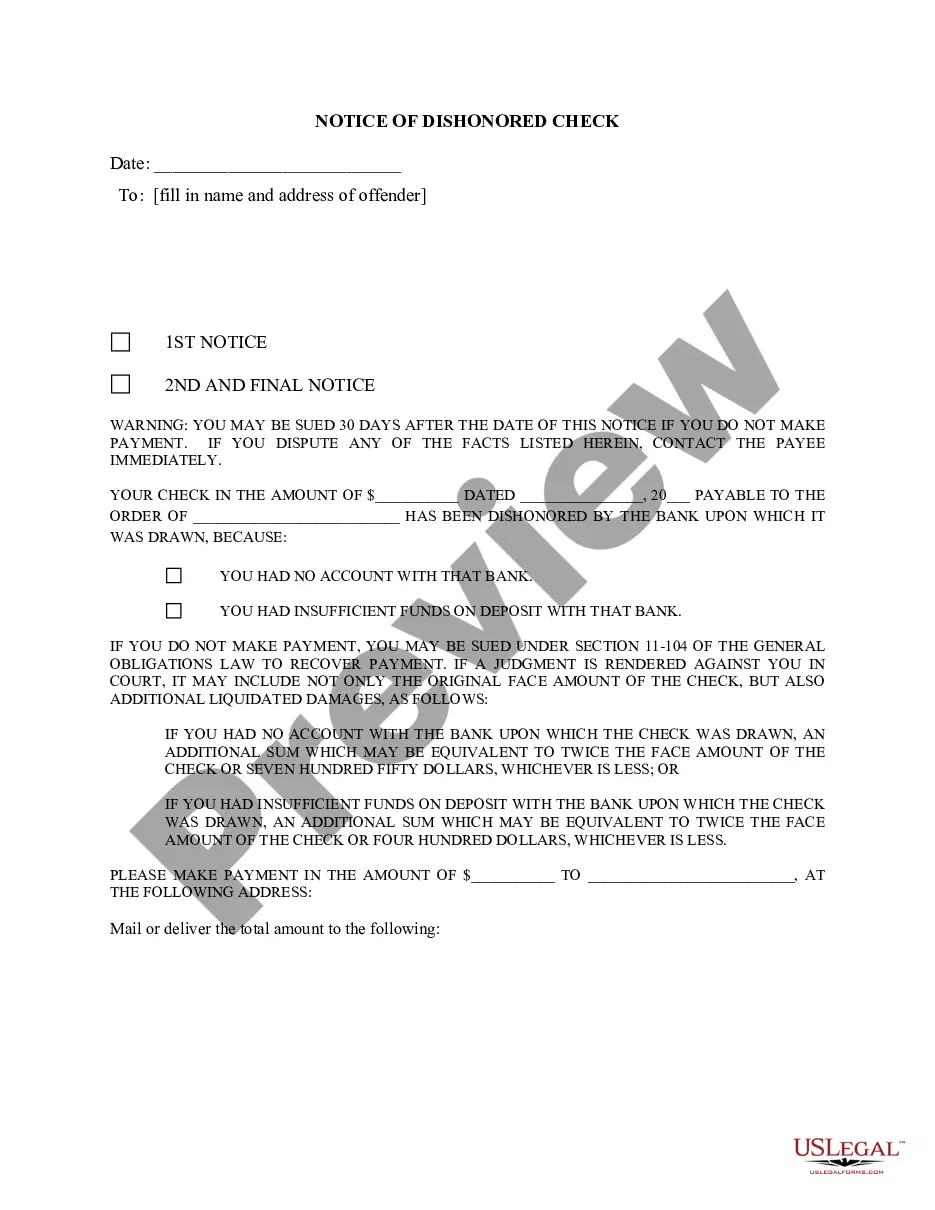


Form popularity
FAQ
An application must be completed and signed by an applicant, or in case of organizations or companies, by an appointed proxy. In all instances, the name of the applicant or proxy and the identity document or passport number must be specified on the application (Questions 4/5/6).
How To Get Your Letter of Authority. In order to get a Letter of Authority, you must open a Probate Estate and petition the Probate Court to become the Estate's Personal Representative. Once the court appoints you as the Personal Representative, you will be issued your Letter of Authority.
In order to get a Letter of Authority, you must open a Probate Estate and petition the Probate Court to become the Estate's Personal Representative. Once the court appoints you as the Personal Representative, you will be issued your Letter of Authority.
First, file an application with the probate court to serve as the “personal representative” of the estate. (This is what most people think of as the “executor”). Once your application is approved, you may act for the estate. Usually, the court will give you a “Letters Testamentary.”
CCO certification is valid for five years (most programs). Recertification candidates must complete all recertification requirements during the 12 months prior to their certification's expiration date.
Once issued, a CCO is valid for 90 days. If the closing does not occur within 90 days of the issuance of the CCO certificate, the certificate expires and you must reapply for a CCO. The items inspected during the CCO inspection are listed on the CCO Checklist.
N.J.S.A. -56 requires biennial renewal of the Certificate of Authorization. Be advised that any corporation (except a professional service corporation established pursuant to the “Professional Service Corporation Act” (N.J.S.A. 14A:17-1 et seq.))
A Certificate of Continued Occupancy (CCO) is required when there is a change in tenant/occupancy of any residential property or commercial property for sale or re-rental.
Temporary certificates of occupancy also expire and usually cannot be renewed, so issues must be resolved and an inspection for a final CO scheduled in the time given. Most TCOs expire after about 90 days, though some places take different approaches.
Once issued, a CCO is valid for 90 days. If the closing does not occur within 90 days of the issuance of the CCO certificate, the certificate expires and you must reapply for a CCO. The items inspected during the CCO inspection are listed on the CCO Checklist.

