Acceptance Letter In Ur In New York
Description
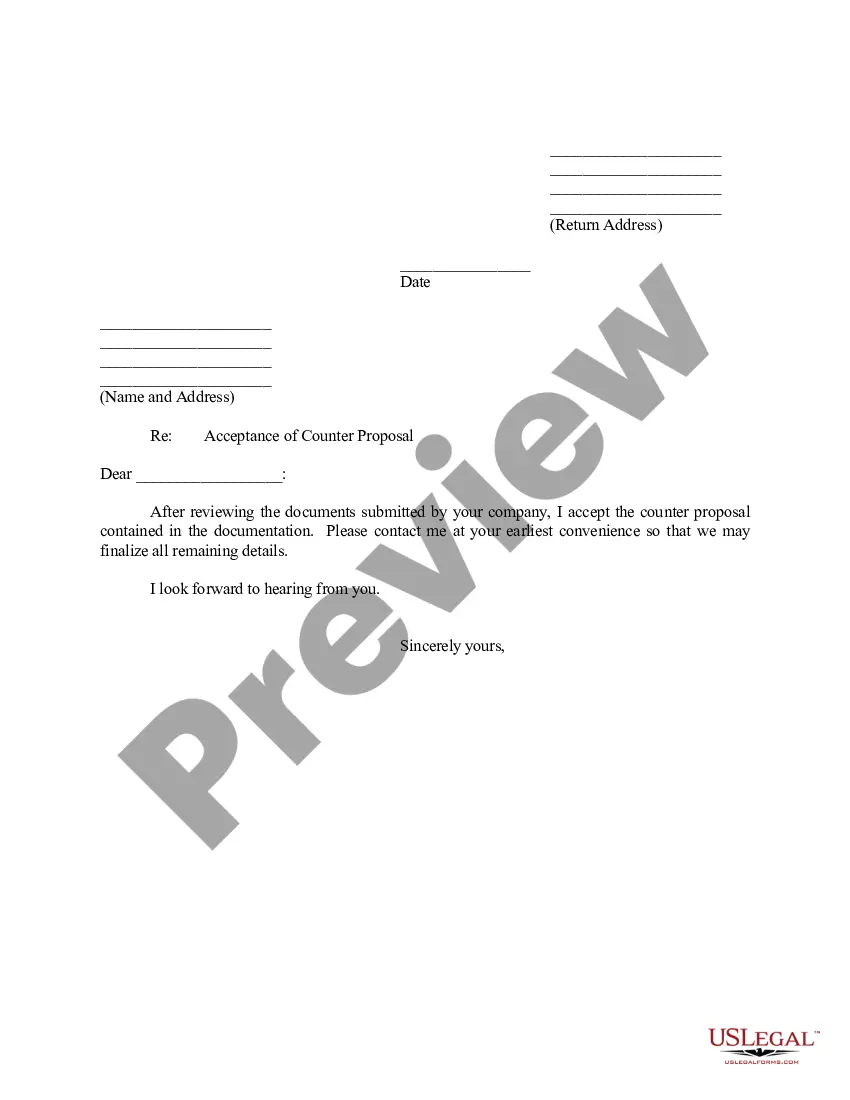
Get your form ready online
Our built-in tools help you complete, sign, share, and store your documents in one place.
Make edits, fill in missing information, and update formatting in US Legal Forms—just like you would in MS Word.
Download a copy, print it, send it by email, or mail it via USPS—whatever works best for your next step.
Sign and collect signatures with our SignNow integration. Send to multiple recipients, set reminders, and more. Go Premium to unlock E-Sign.
If this form requires notarization, complete it online through a secure video call—no need to meet a notary in person or wait for an appointment.
We protect your documents and personal data by following strict security and privacy standards.

Make edits, fill in missing information, and update formatting in US Legal Forms—just like you would in MS Word.

Download a copy, print it, send it by email, or mail it via USPS—whatever works best for your next step.

Sign and collect signatures with our SignNow integration. Send to multiple recipients, set reminders, and more. Go Premium to unlock E-Sign.

If this form requires notarization, complete it online through a secure video call—no need to meet a notary in person or wait for an appointment.

We protect your documents and personal data by following strict security and privacy standards.
Looking for another form?
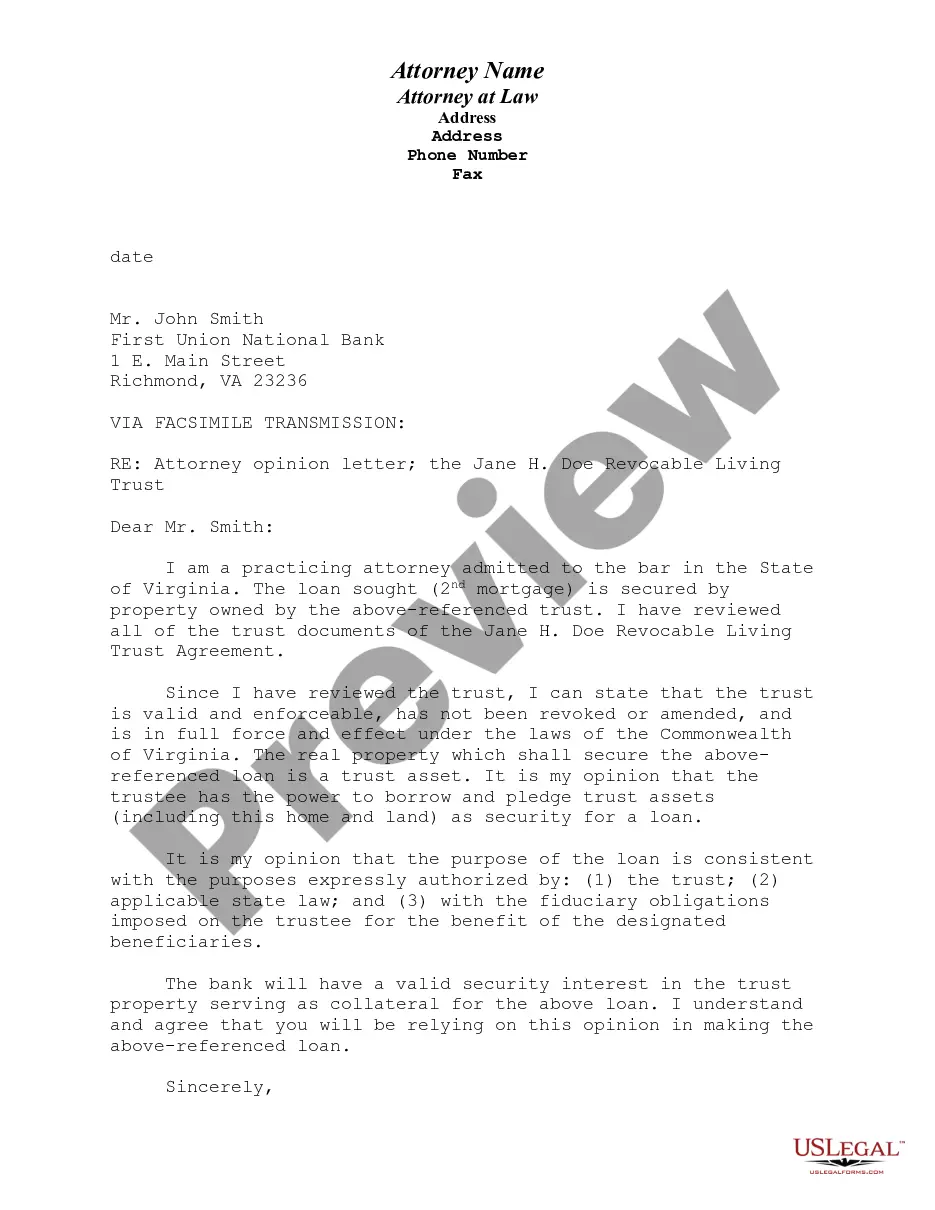









Form popularity
FAQ
Depending on the type of case or procedure, New York's statutes of limitations generally range from one (1) year to six (6) years.
Timeline of How to File a Lawsuit Step 1: File a Complaint. Plaintiff files a complaint and summons with the local county court. Step 2: Answer Complaint. Step 3: Discovery. Step 4: Failing to Respond to Discovery. Step 5: Conclusion of Lawsuit.
ELECTRONIC FILING THROUGH THE NEW YORK STATE COURTS ELECTRONIC FILING SYSTEM IS MANDATORY FOR ALL CASES COMMENCED IN THIS COURT (EXCEPT ARTICLE 70 AND 78 PROCEEDINGS, AND MATRIMONIAL, MENTAL HYGIENE LAW AND ELECTION LAW MATTERS).
An eligible consensual case that was commenced and continued in hard copy form may be converted to a NYSCEF case by filing a Stipulation and Consent to E–Filing (found on the website) with the court. Any such conversion should be done promptly after commencement.
The Civil Court has monetary jurisdiction up to $50,000.00, including replevin when the value of the chattel does not exceed that amount.
The law requires that before admitting a person to the bar of the State of New York, the Appellate Division of the Supreme Court must be satisfied that each applicant “possesses the character and general fitness requisite for an attorney and counsellor-at-law” (Judiciary Law § 901) and it directs the creation of ...
How long does it take for an acceptance letter to be sent out? There's no standard for how long it takes colleges to send out acceptance letters, but generally, if you applied under regular decision, you can expect letters to begin arriving between mid-March and mid-April.
Q: How long does it take to receive an admission decision after I have submitted my application? A: Usually, it takes around 4-8 weeks after the application deadline to get a decision from the college.
Students who apply through the regular decision process can typically expect to receive their college acceptance letters between late March and early April. This timeframe allows colleges to review all applications thoroughly and make informed decisions about their incoming class.
Colleges that accept you will usually notify you of your acceptance between mid-March and mid-April, either through an email or as an update on your college application portal.

