Master Sales Agreement For Land In Wake
Description





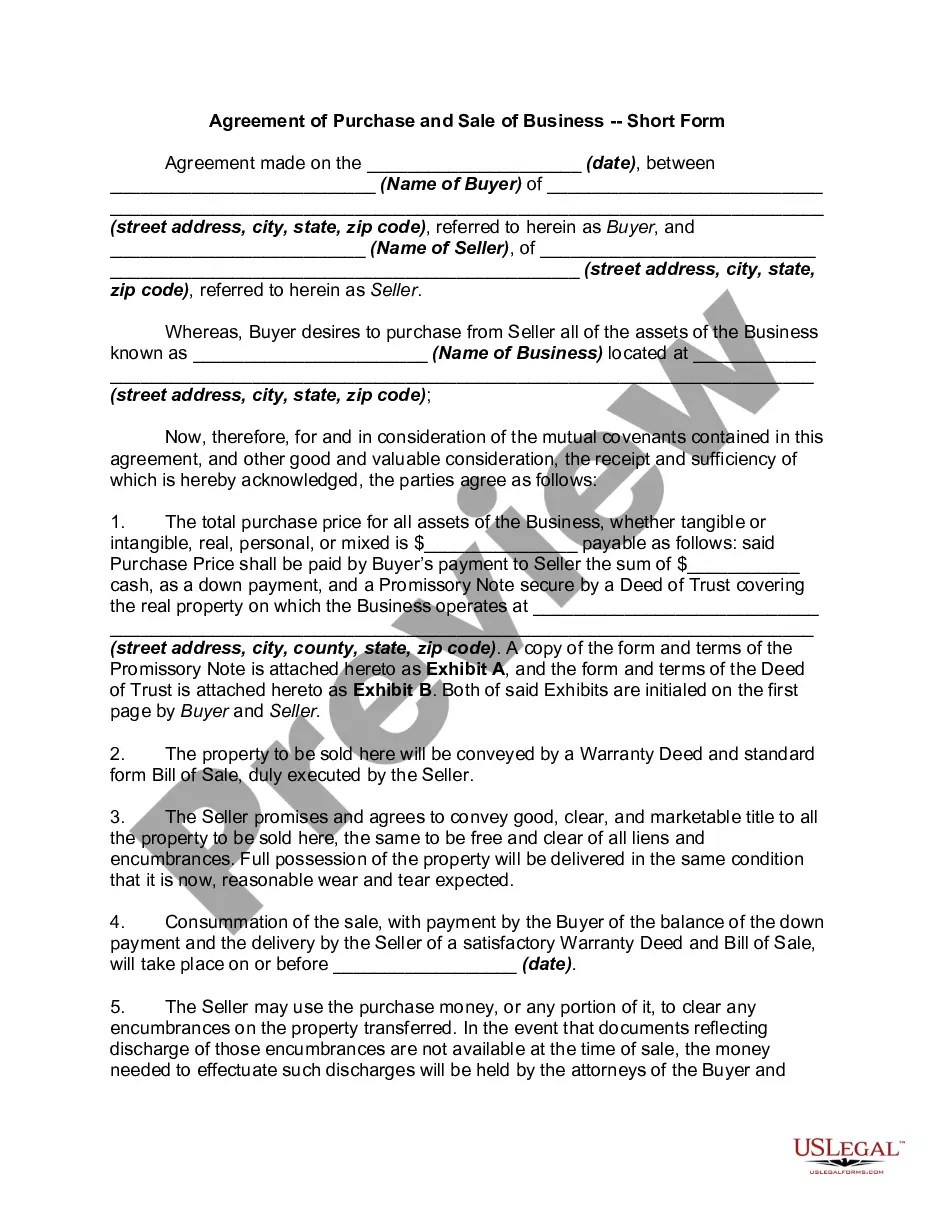
Get your form ready online
Our built-in tools help you complete, sign, share, and store your documents in one place.
Make edits, fill in missing information, and update formatting in US Legal Forms—just like you would in MS Word.
Download a copy, print it, send it by email, or mail it via USPS—whatever works best for your next step.
Sign and collect signatures with our SignNow integration. Send to multiple recipients, set reminders, and more. Go Premium to unlock E-Sign.
If this form requires notarization, complete it online through a secure video call—no need to meet a notary in person or wait for an appointment.
We protect your documents and personal data by following strict security and privacy standards.

Make edits, fill in missing information, and update formatting in US Legal Forms—just like you would in MS Word.

Download a copy, print it, send it by email, or mail it via USPS—whatever works best for your next step.

Sign and collect signatures with our SignNow integration. Send to multiple recipients, set reminders, and more. Go Premium to unlock E-Sign.

If this form requires notarization, complete it online through a secure video call—no need to meet a notary in person or wait for an appointment.

We protect your documents and personal data by following strict security and privacy standards.
Looking for another form?
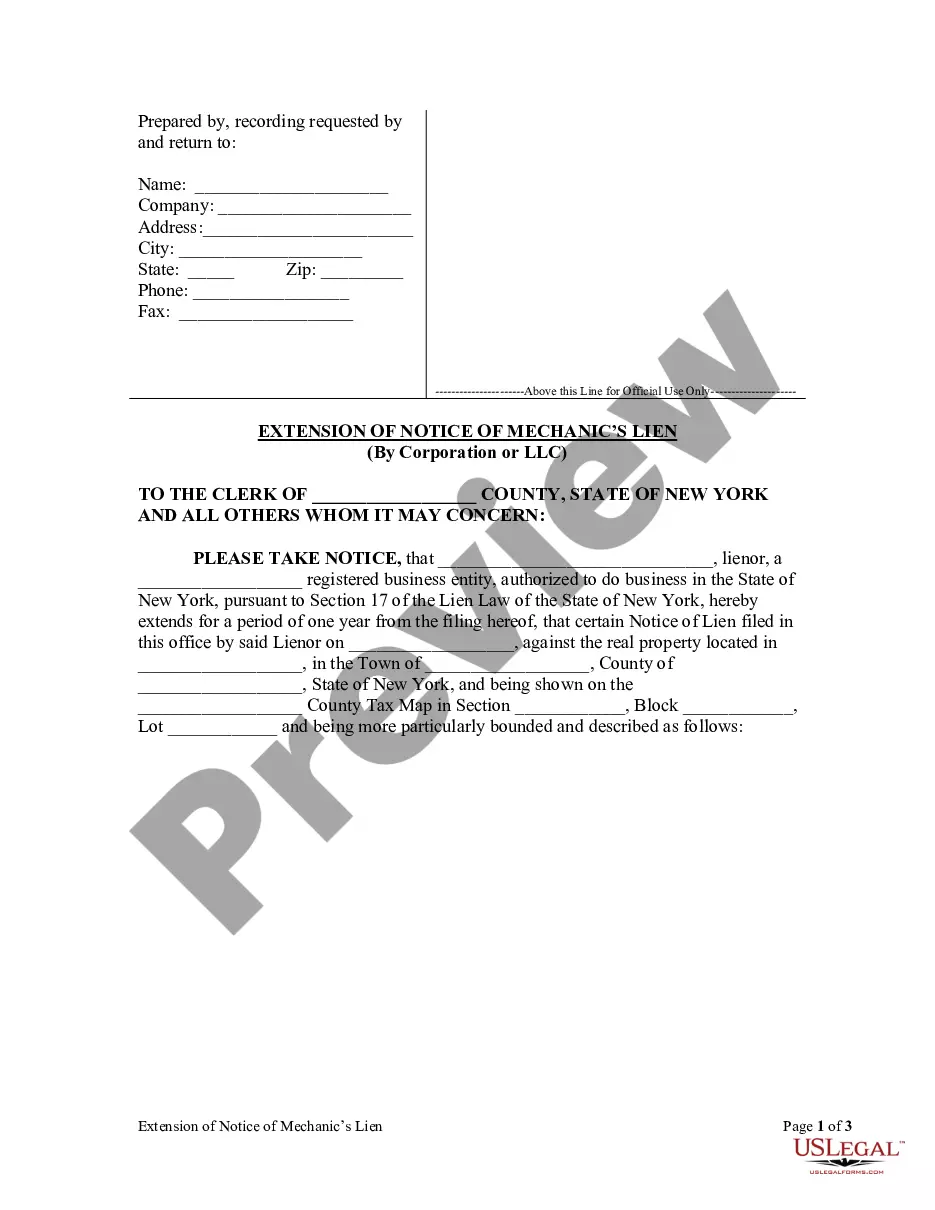

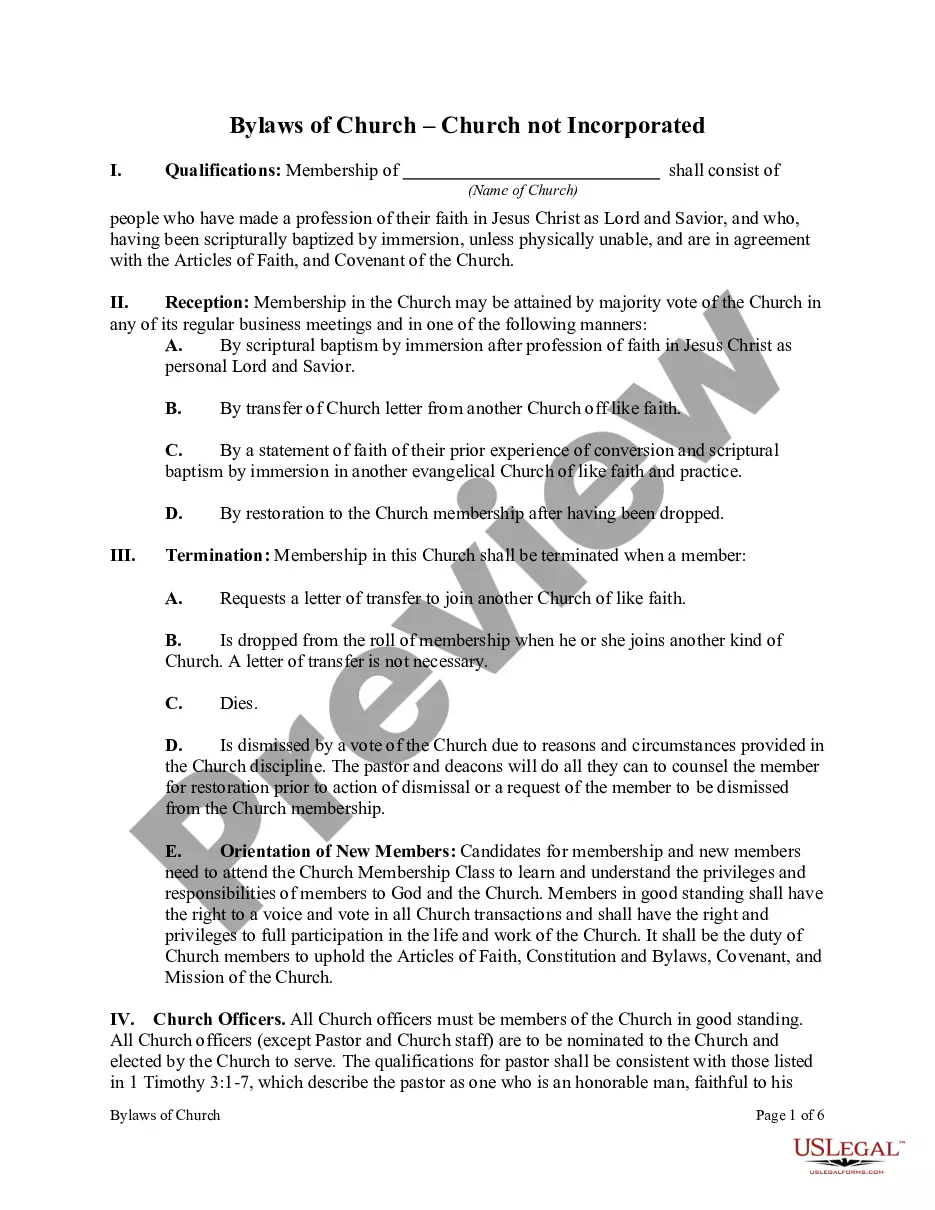







Form popularity
FAQ
Land Transfer Process After all payments, the seller signs Land Transfer Forms which together with Consent from LCB, land search, clearance from county/ municipal council, passport photos, KRA PIN, agreement, and old title deed are taken to the Ministry of Lands to change ownership.
You can create an MSA by following these structured steps, ensuring all key elements are covered: Establish the framework. Detail the scope of services. Set the payment terms. Agree on insurance and liability. Describe the work order process. Protect confidential information. Draft the statement of work (SOW).
How to write an agreement letter Title your document. Provide your personal information and the date. Include the recipient's information. Address the recipient and write your introductory paragraph. Write a detailed body. Conclude your letter with a paragraph, closing remarks, and a signature. Sign your letter.
To show the interest and willingness of the parties toward the acquisition of land, a formal Contract of Sale of Land must be prepared. This contract may be prepared by vendor or purchaser's solicitor. But usually, the vendor's solicitor prepares it.
Elements of a sales agreement Buyer and seller names and contact information. Description of goods, services, or property being purchased. Payment amount, dates, and method. Liability of each party in the case of loss, damage, or delivery failure. Ownership information, such as when ownership formally transfers to the buyer.
How do you create an MSA? Step-by-step instructions Establish the framework. Detail the scope of services. Set the payment terms. Agree on insurance and liability. Describe the work order process. Protect confidential information. Draft the statement of work (SOW). Specify intellectual property (IP) rights.
Your MSA should always cover (at least) these 7 things: scope of work, payment terms, intellectual property, confidential information, risk allocation, dispute resolution and termination. For your MSA to be effective, these sections should not just be present, but clear and precise.
Compliance: An MSA checklist helps you adhere to legal and regulatory requirements, reducing the risk of legal issues down the line. Consistency: It promotes consistency across your MSAs, ensuring that the same standards and terms are applied to all your business relationships.
A master service agreement sets the pace for future contracts between two parties by outlining the maximum possible terms. A service-level agreement outlines the obligations and responsibilities of each party.
