Collective Agreement With Union In Virginia
Description


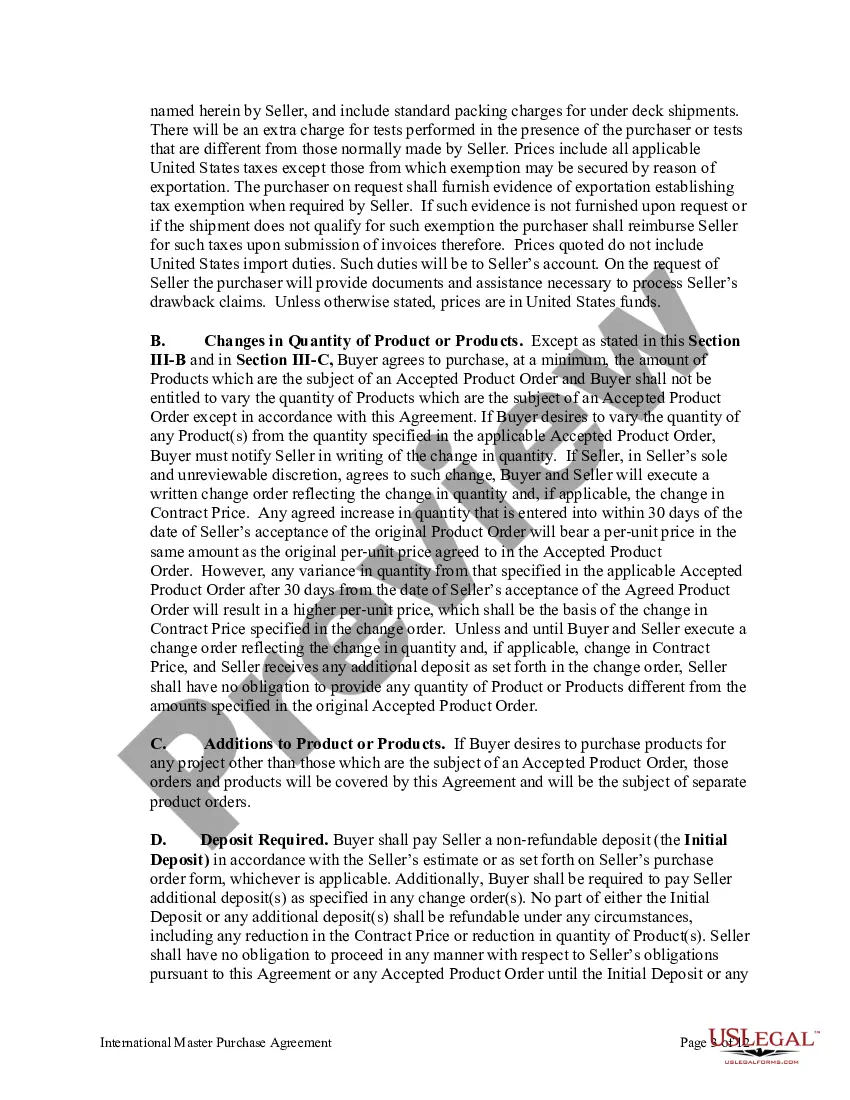
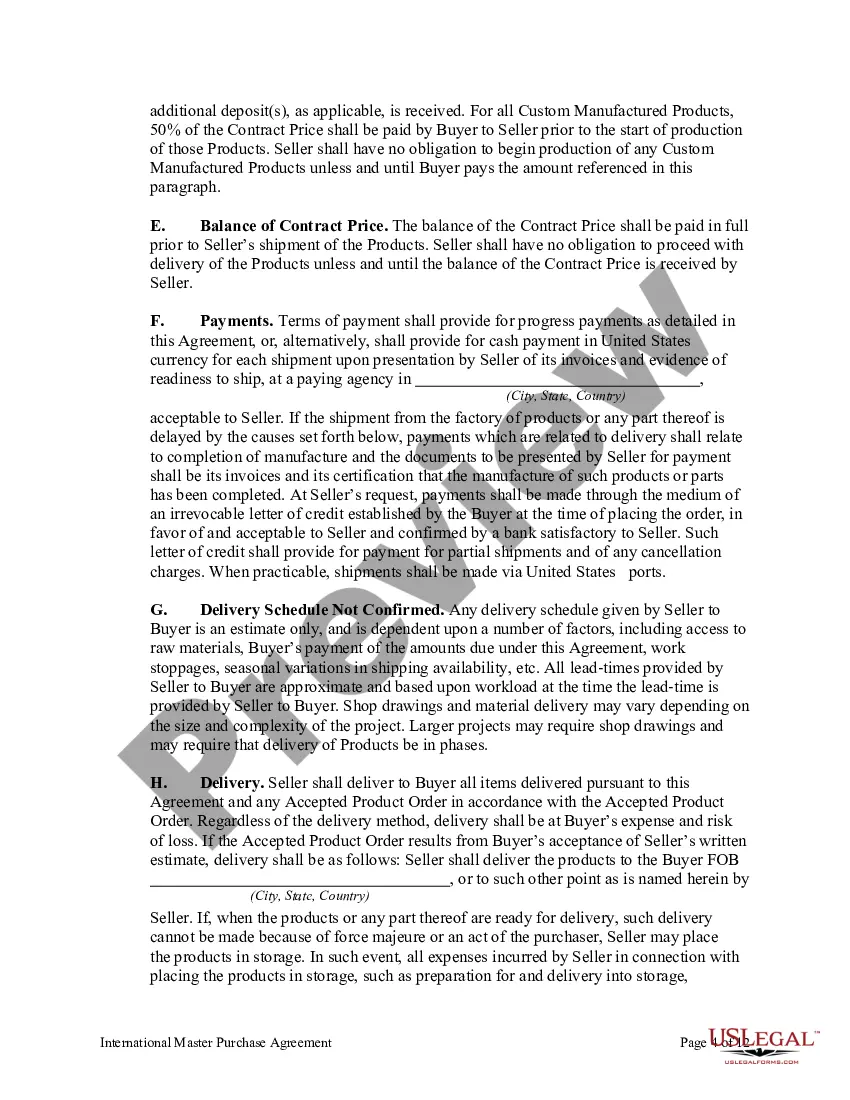
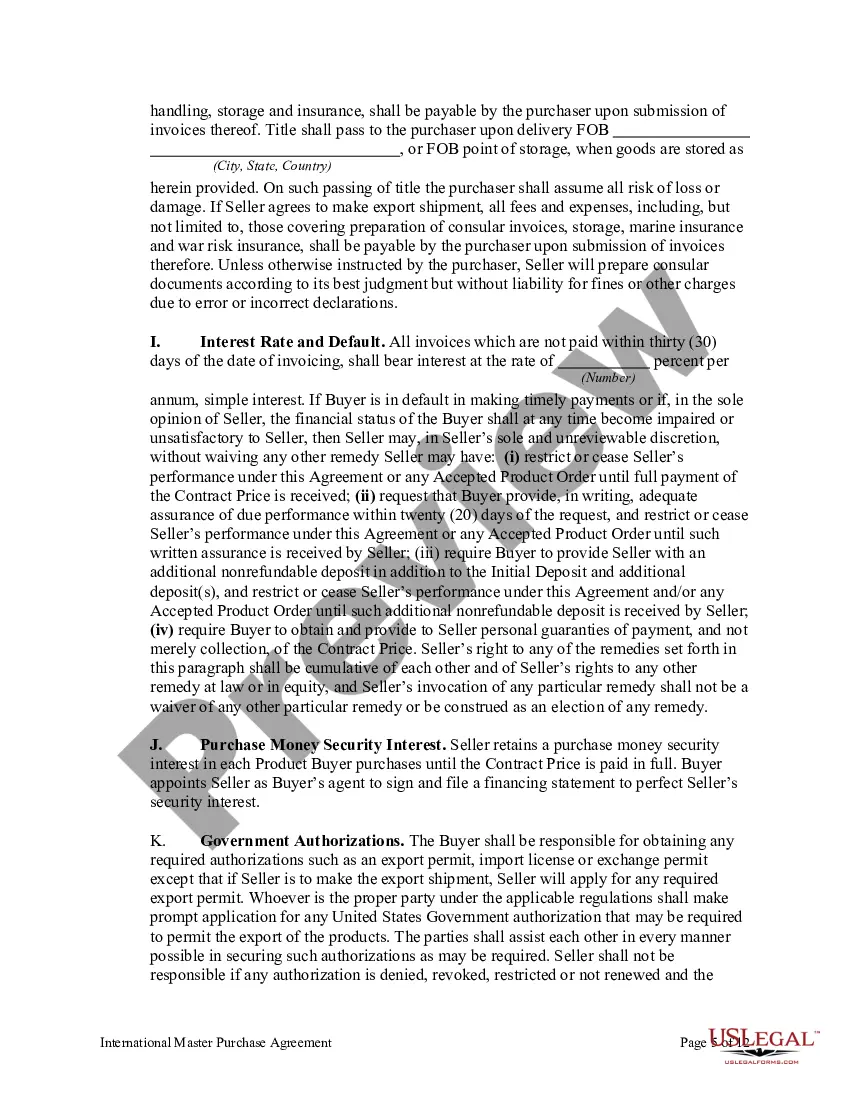
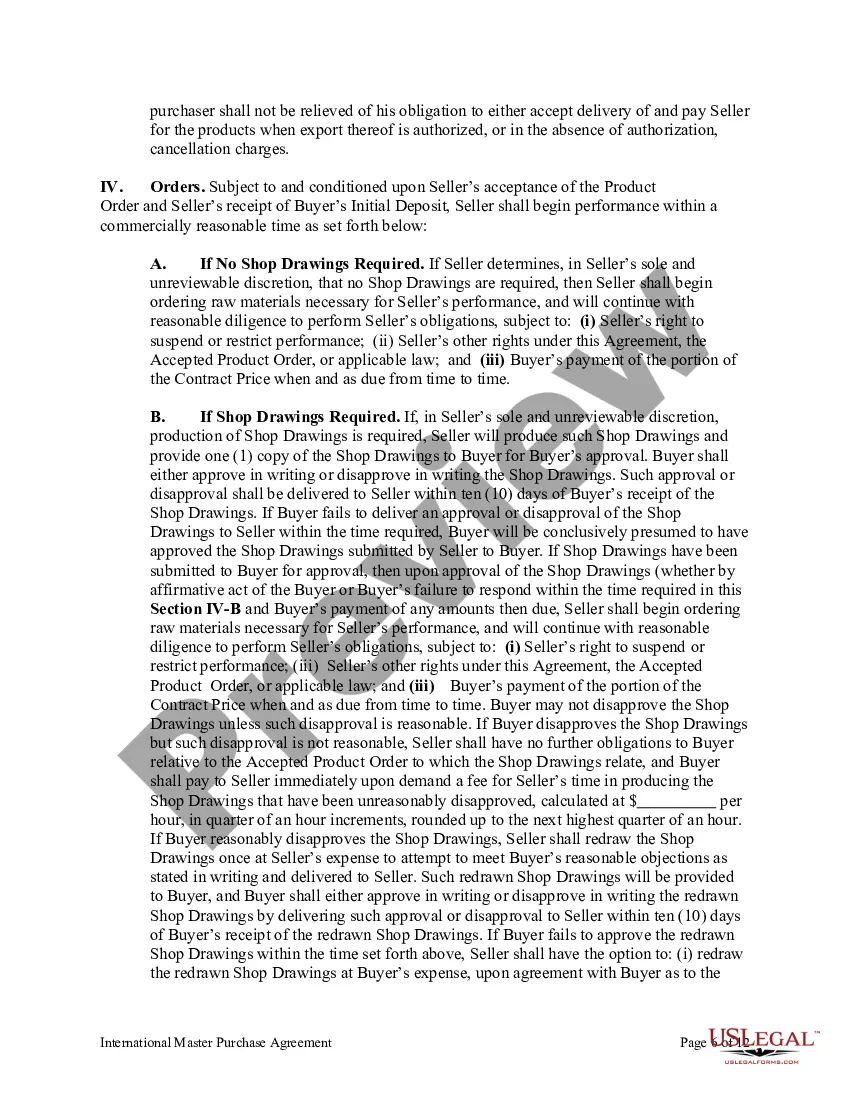



Get your form ready online
Our built-in tools help you complete, sign, share, and store your documents in one place.
Make edits, fill in missing information, and update formatting in US Legal Forms—just like you would in MS Word.
Download a copy, print it, send it by email, or mail it via USPS—whatever works best for your next step.
Sign and collect signatures with our SignNow integration. Send to multiple recipients, set reminders, and more. Go Premium to unlock E-Sign.
If this form requires notarization, complete it online through a secure video call—no need to meet a notary in person or wait for an appointment.
We protect your documents and personal data by following strict security and privacy standards.

Make edits, fill in missing information, and update formatting in US Legal Forms—just like you would in MS Word.

Download a copy, print it, send it by email, or mail it via USPS—whatever works best for your next step.

Sign and collect signatures with our SignNow integration. Send to multiple recipients, set reminders, and more. Go Premium to unlock E-Sign.

If this form requires notarization, complete it online through a secure video call—no need to meet a notary in person or wait for an appointment.

We protect your documents and personal data by following strict security and privacy standards.
Looking for another form?








Form popularity
FAQ
The kinds of terms and conditions covered by a collective agreement typically include wages and benefits, as well as terms and conditions of employment that relate to e.g., job postings; obligations and responsibilities of the employer, the employee and the union; and a dispute resolution process (usually a grievance ...
Most Collective Bargaining Agreements contain detailed terms and conditions of employment, which address: (1) employee compensation, including wages, salaries and bonuses; (2) employee benefit and retirement plans, including insurance coverage and pension vesting schedules; (3) seniority rights, which are typically ...
The kinds of terms and conditions covered by a collective agreement typically include wages and benefits, as well as terms and conditions of employment that relate to e.g., job postings; obligations and responsibilities of the employer, the employee and the union; and a dispute resolution process (usually a grievance ...
Mandatory subjects are those that directly impact – wages, hours or working conditions (or terms and conditions of employment). These are subjects over which the parties must bargain if a proposal is made by either party.
They include topics such as wages, overtime, bonuses, grievance procedures, safety and work practices, seniority, and procedures for discharge, layoff, recall, or discipline. Voluntary or Permissive Subjects: These may be negotiated but are not required.
As a worker, do I have any rights? You might. If you qualify for it, the National Labor Relations Act (NLRA) protects your right to (1) form a union, (2) join a union, (3) assist a union in organizing and (4) engage in group activities intended to raise wages or improve working conditions.
Most Collective Bargaining Agreements contain the following common elements: (1) a union recognition clause, (2) a management rights clause, (3) union rights provisions, (4) prohibitions on strikes and lockouts, (5) a union security clause, (6) nondiscrimination provisions, (7) grievance and arbitration procedures, (8) ...
Virginia lawmakers lifted a ban on collective bargaining by public employees in 2020; the law went into effect in 2021. About a half-dozen local unions already have their first contracts; most recently, Virginia's largest, in Fairfax County, inked theirs.
The 5 Stages of Collective Bargaining Preparing for bargaining. Conducting negotiations. Ratifying the contract. Resolving a contract dispute. Changing or clarifying the contract.
Establishing the objectives of both parties Identify the interests of the employer and the union. Clarify what each party wants to achieve through collective bargaining. Compile a list of the priorities of each party. Listen to both parties and develop an understanding of their needs.
