Master Sales Agreement With Monthly Payments In Texas
Description





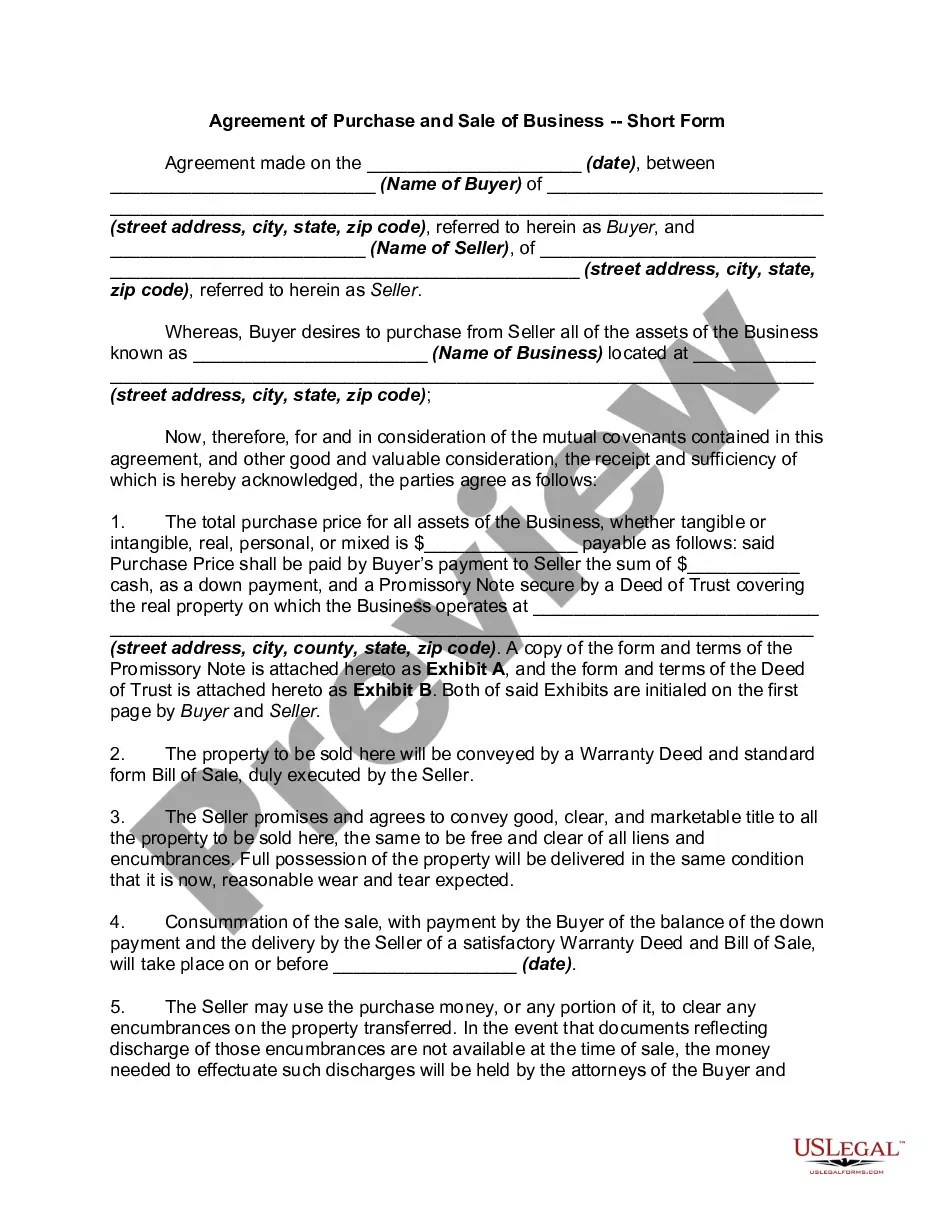
Get your form ready online
Our built-in tools help you complete, sign, share, and store your documents in one place.
Make edits, fill in missing information, and update formatting in US Legal Forms—just like you would in MS Word.
Download a copy, print it, send it by email, or mail it via USPS—whatever works best for your next step.
Sign and collect signatures with our SignNow integration. Send to multiple recipients, set reminders, and more. Go Premium to unlock E-Sign.
If this form requires notarization, complete it online through a secure video call—no need to meet a notary in person or wait for an appointment.
We protect your documents and personal data by following strict security and privacy standards.

Make edits, fill in missing information, and update formatting in US Legal Forms—just like you would in MS Word.

Download a copy, print it, send it by email, or mail it via USPS—whatever works best for your next step.

Sign and collect signatures with our SignNow integration. Send to multiple recipients, set reminders, and more. Go Premium to unlock E-Sign.

If this form requires notarization, complete it online through a secure video call—no need to meet a notary in person or wait for an appointment.

We protect your documents and personal data by following strict security and privacy standards.
Looking for another form?

Form popularity
FAQ
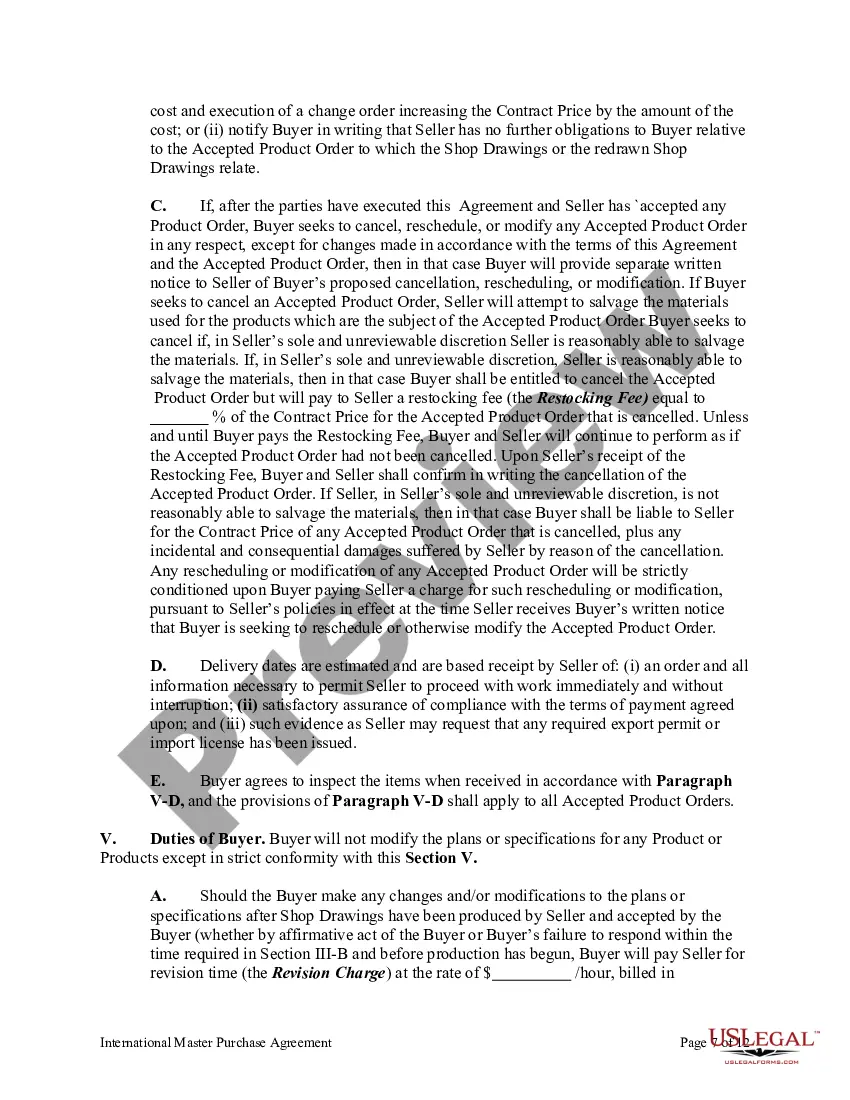
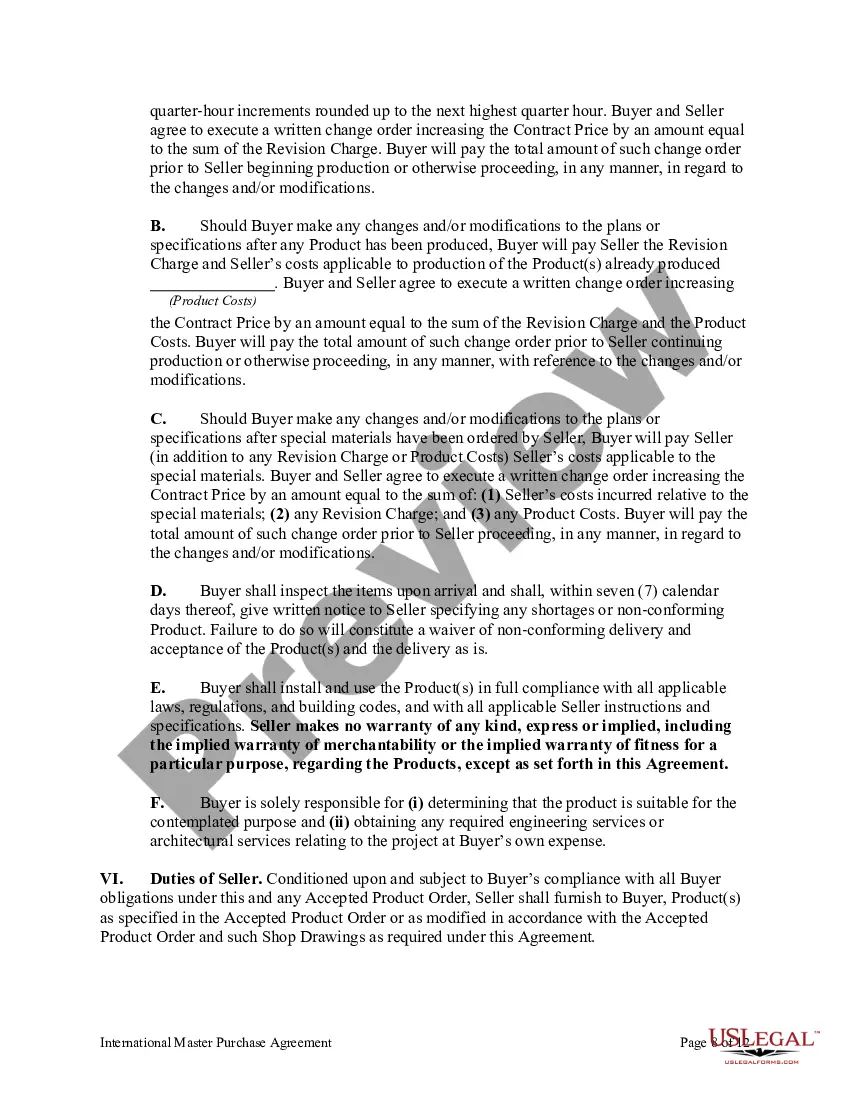
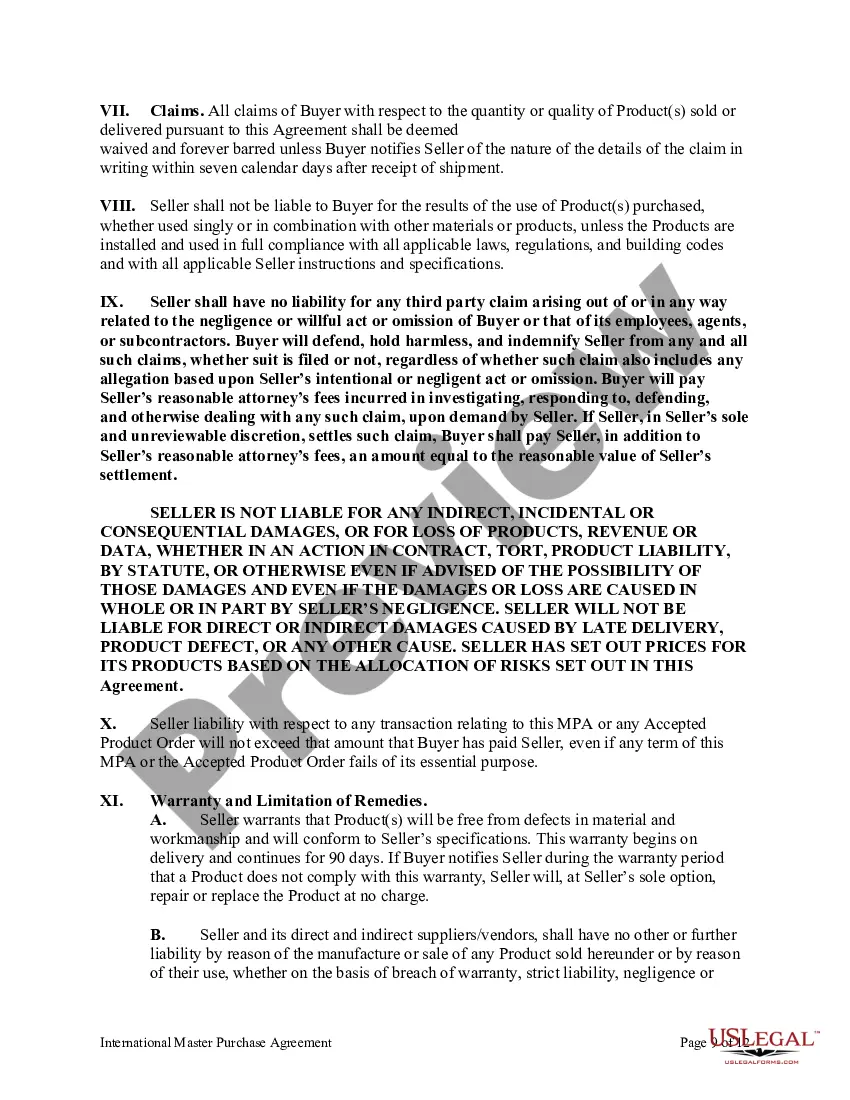
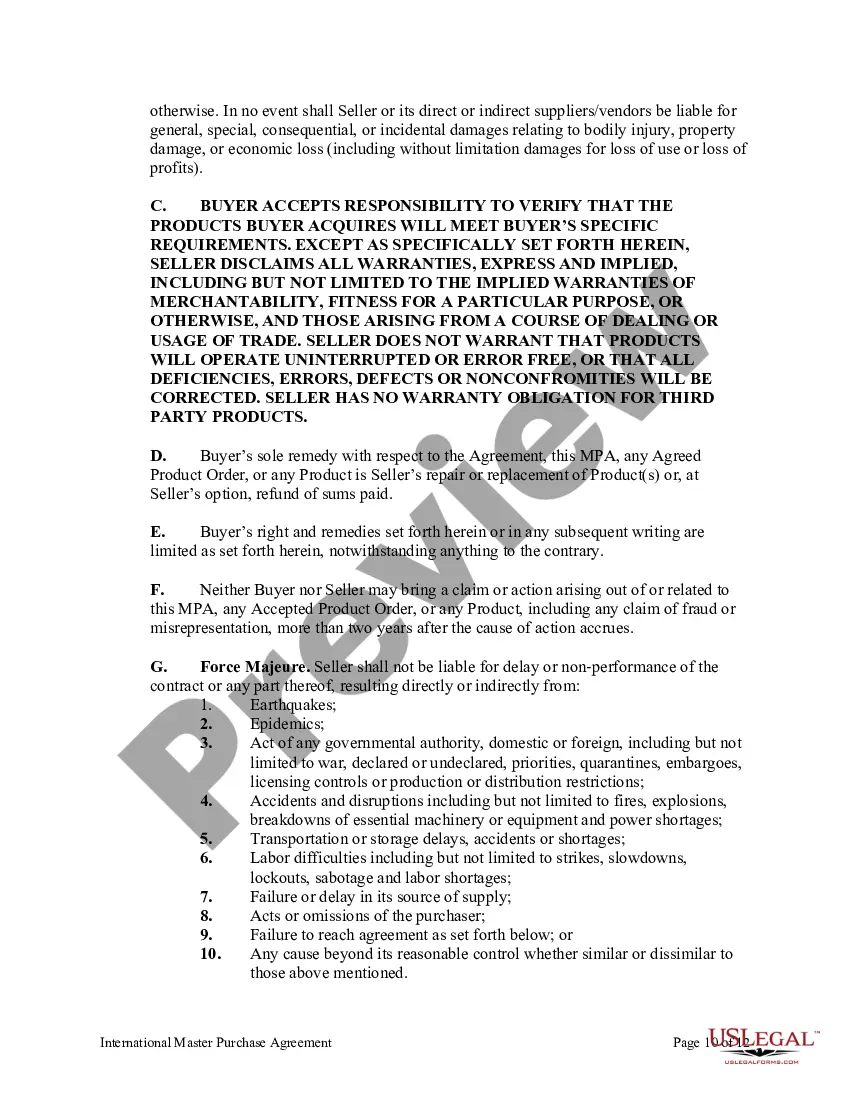
An MSA generally contains the following elements: Scope of work: ensures that both parties understand what work will be delivered. Confidentiality: protects intellectual property and other proprietary information from being disclosed. Geography: defines where the work will be performed.
Yes you can write your own contracts. A written contract is only a written record of something that has already been agreed in speech. So to start with write down in simple terms what has been agreed already, that is a good starting point.
A contract is an agreement between parties, creating mutual obligations that are enforceable by law. The basic elements required for the agreement to be a legally enforceable contract are: mutual assent, expressed by a valid offer and acceptance; adequate consideration; capacity; and legality.
Contracts only need (1) a meeting of the minds as to the terms, and (2) exchange of goods and/or services which each party considers to have some non-zero value (called “consideration”). So, yes, you can write a contract for yourself. You don't need an attorney.
Sometimes, a contract covers a one-time action between parties, but what happens when the relationships or circumstances are ongoing? When signing parties know they will continue to work together in the future, a Master Service Agreement (MSA) can simplify those future agreements and speed up the negotiation process.
5 Steps to Execute an Affidavit of Memorandum Draft the affidavit, including all necessary details and components. Have the affidavit notarized by a licensed notary public to authenticate the claimant's signature. File the affidavit with the county clerk's office where the property is located.
An MOU is a formal, yet non-binding agreement that outlines the present intentions, roles, and objectives of the parties involved in a collaboration. It is not legally enforceable like a contract.
If you are a business that enters into multiple Master Service Agreements per year, it is to your advantage to work with a business lawyer to prepare your own Master Service Agreement template and related Statements of Work for consistency, risk mitigation and control purposes.
In Texas, you will be required to file and remit sales tax either monthly, quarterly, or annually. Texas sales tax returns are always due the 20th of the month following the reporting period. If the filing due date falls on a weekend or holiday, sales tax is generally due the next business day.