Master Lease Agreement Vs Master Service Agreement In Suffolk
Description





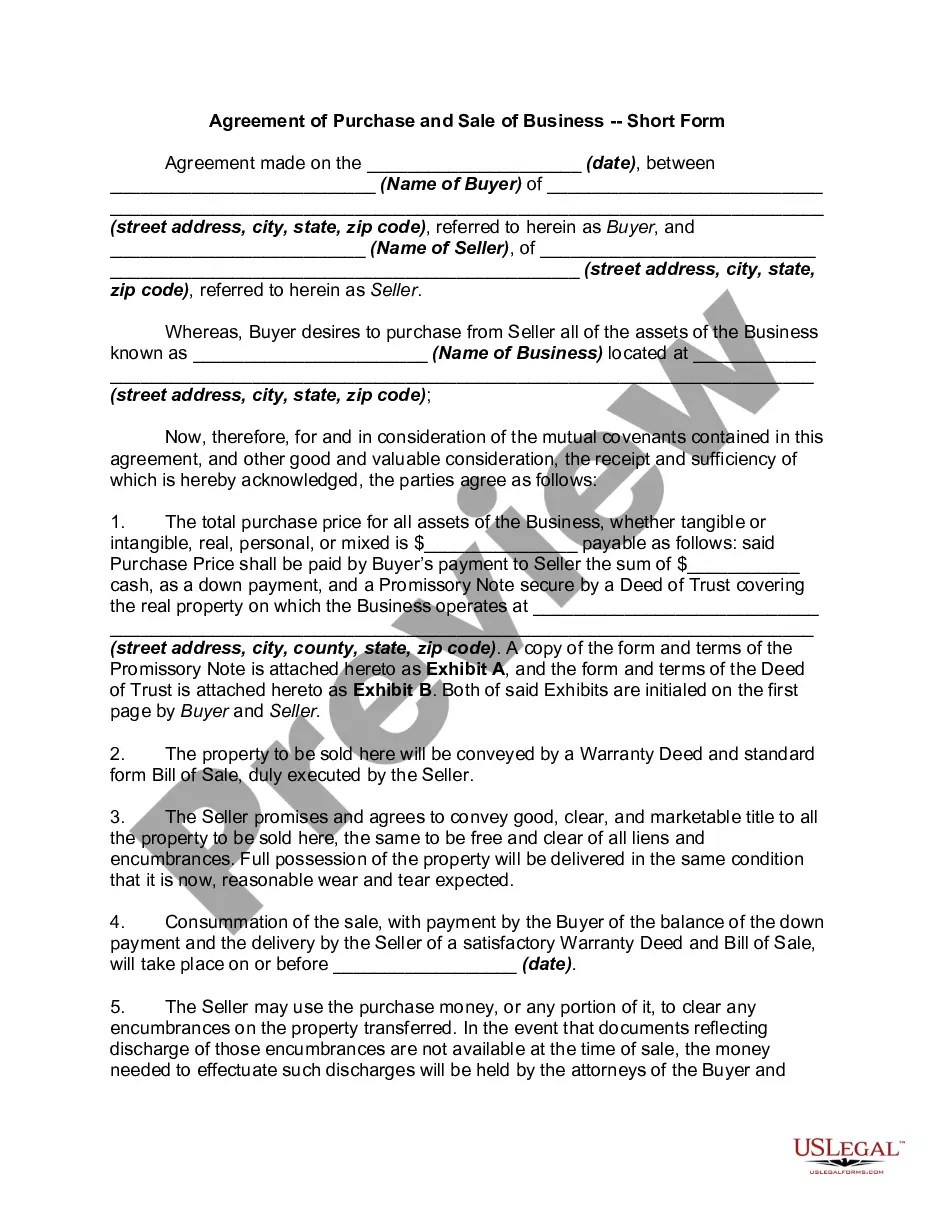
Get your form ready online
Our built-in tools help you complete, sign, share, and store your documents in one place.
Make edits, fill in missing information, and update formatting in US Legal Forms—just like you would in MS Word.
Download a copy, print it, send it by email, or mail it via USPS—whatever works best for your next step.
Sign and collect signatures with our SignNow integration. Send to multiple recipients, set reminders, and more. Go Premium to unlock E-Sign.
If this form requires notarization, complete it online through a secure video call—no need to meet a notary in person or wait for an appointment.
We protect your documents and personal data by following strict security and privacy standards.

Make edits, fill in missing information, and update formatting in US Legal Forms—just like you would in MS Word.

Download a copy, print it, send it by email, or mail it via USPS—whatever works best for your next step.

Sign and collect signatures with our SignNow integration. Send to multiple recipients, set reminders, and more. Go Premium to unlock E-Sign.

If this form requires notarization, complete it online through a secure video call—no need to meet a notary in person or wait for an appointment.

We protect your documents and personal data by following strict security and privacy standards.
Looking for another form?
Form popularity
FAQ
A master lease is a type of lease that gives the lessee the right to control and sublease the property during the lease, while the owner retains the legal title. In this case, a housing authority or service provider would be the lessee, allowing them to sublease the property to its clients.
One difference between an MSA and an SOW is that they regulate different aspects of a business relationship. An MSA lays the legal framework for a business relationship, especially if it's a long-term partnership or delivery of an ongoing service. An SOW contract deals with a specific transaction.
What are the Different Types of Lease Agreements? Fixed-term lease. A fixed-term lease may be the most familiar type of rental agreement. Month-to-month lease. Sublease agreement. Rent-to-own agreement. Contact Henry & Beaver, LLP for experienced real estate lawyers.
Service Contract vs Lease In a lease, the lessor provides the asset to the lessee, who benefits from it throughout the lease term. In a service contract, the customer receives economic benefit from the service provided by the lessor.
A Master Service Agreement (MSA) is a document that outlines the terms and conditions upon which work will be performed between two parties.
In summary, ToS are general, standardized agreements for broad user interactions, while MSAs are detailed, customizable contracts intended for specific, often long-term business relationships.
In the IT sector, internal and external relationships are often governed by legal or quasi-legal documents. In IT and ITSM, the terms "Master Service Agreement" and "Service Level Agreement" are often used interchangeably.
Scope: PSAs typically define the terms for a specific project or task, while MSAs cover the general terms of the business relationship across multiple projects. Detail: MSAs are broader in scope, whereas PSAs provide detailed descriptions of the services, including project timelines, deliverables, and specific tasks.