Master Sales Agreement With Commission In Santa Clara
Description





Get your form ready online
Our built-in tools help you complete, sign, share, and store your documents in one place.
Make edits, fill in missing information, and update formatting in US Legal Forms—just like you would in MS Word.
Download a copy, print it, send it by email, or mail it via USPS—whatever works best for your next step.
Sign and collect signatures with our SignNow integration. Send to multiple recipients, set reminders, and more. Go Premium to unlock E-Sign.
If this form requires notarization, complete it online through a secure video call—no need to meet a notary in person or wait for an appointment.
We protect your documents and personal data by following strict security and privacy standards.

Make edits, fill in missing information, and update formatting in US Legal Forms—just like you would in MS Word.

Download a copy, print it, send it by email, or mail it via USPS—whatever works best for your next step.

Sign and collect signatures with our SignNow integration. Send to multiple recipients, set reminders, and more. Go Premium to unlock E-Sign.

If this form requires notarization, complete it online through a secure video call—no need to meet a notary in person or wait for an appointment.

We protect your documents and personal data by following strict security and privacy standards.
Looking for another form?








Form popularity
FAQ
The standard salary to commission ratio is with 60% being the base rate and 40% being commission-driven. The plan best serves as an incentive or motivation for increased sales performance. Example: A salesperson earns $500 a month in salary with 10% commission, or $500, for $5,000 worth in sales.
How to draft a sales commission agreement Identify the parties involved. Clearly state the names and roles of the salesperson and the company to establish who is entering into the agreement. Define key terms. Include duration and termination conditions. Address confidentiality and non-compete clause.
For example: a rep might earn a base salary of $60,000 per year plus 6% commission on all sales they generate. If they make $250,000 in sales, their compensation would be $60,000 (base salary) plus $15,000 in commission, making their total earnings $75,000.
Periodically, the Commission issues Policy Statements to provide guidance and regulatory certainty regarding statutes, orders, rules, and regulations that the Commission administers. Policy Statements typically discuss the factors that the Commission will use to evaluate future proceedings.
The average commission rate for sales sits somewhere between 20% and 30% of gross margins, but this depends on the sales structure. Some workers may earn their whole salary through 100% commission, while others earn 10% on top of a base salary.
A commission agreement is a contract between a company and an individual that outlines the terms of the individual's incentive compensation, which is typically based on a percentage of the sales they generate.
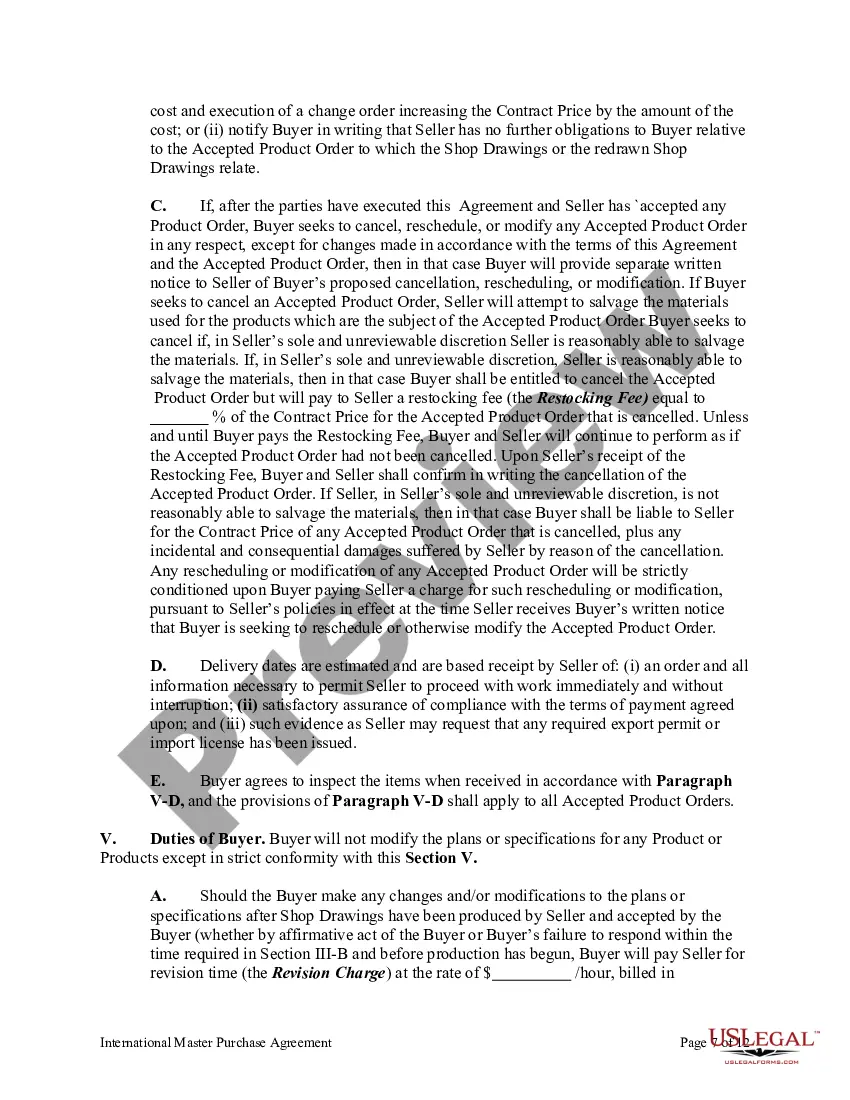
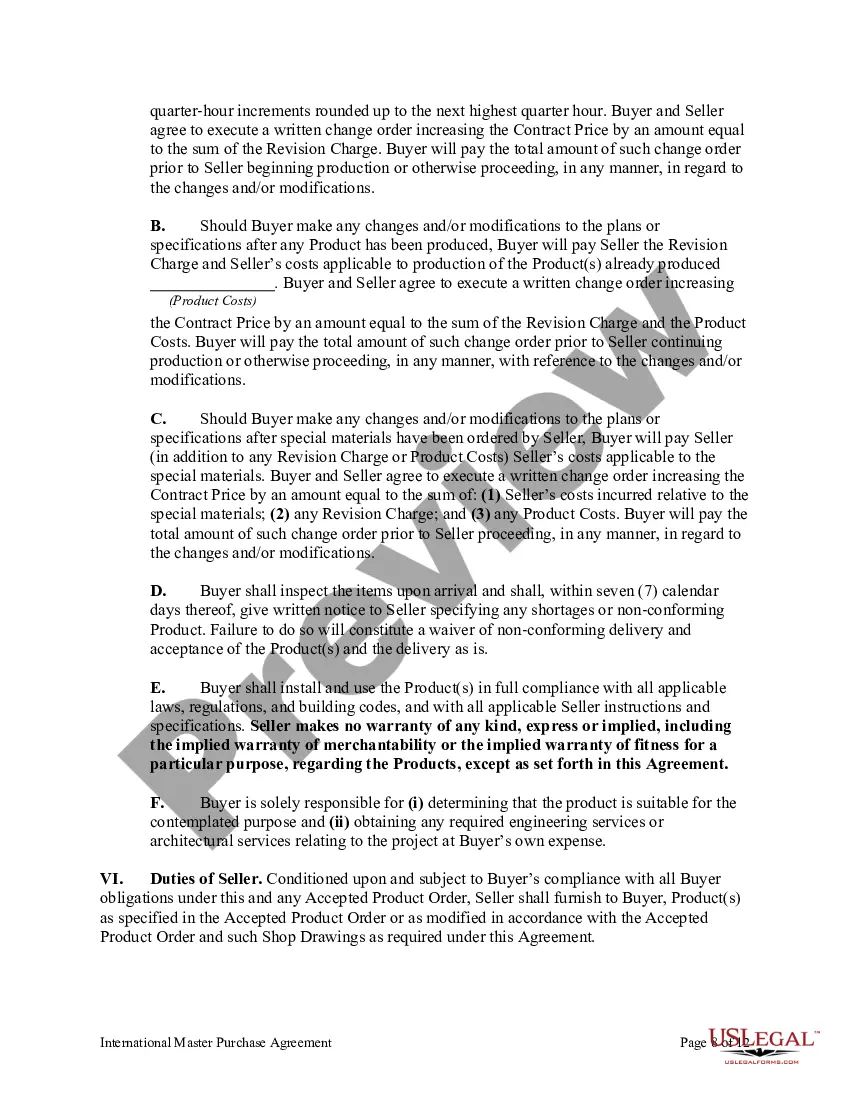
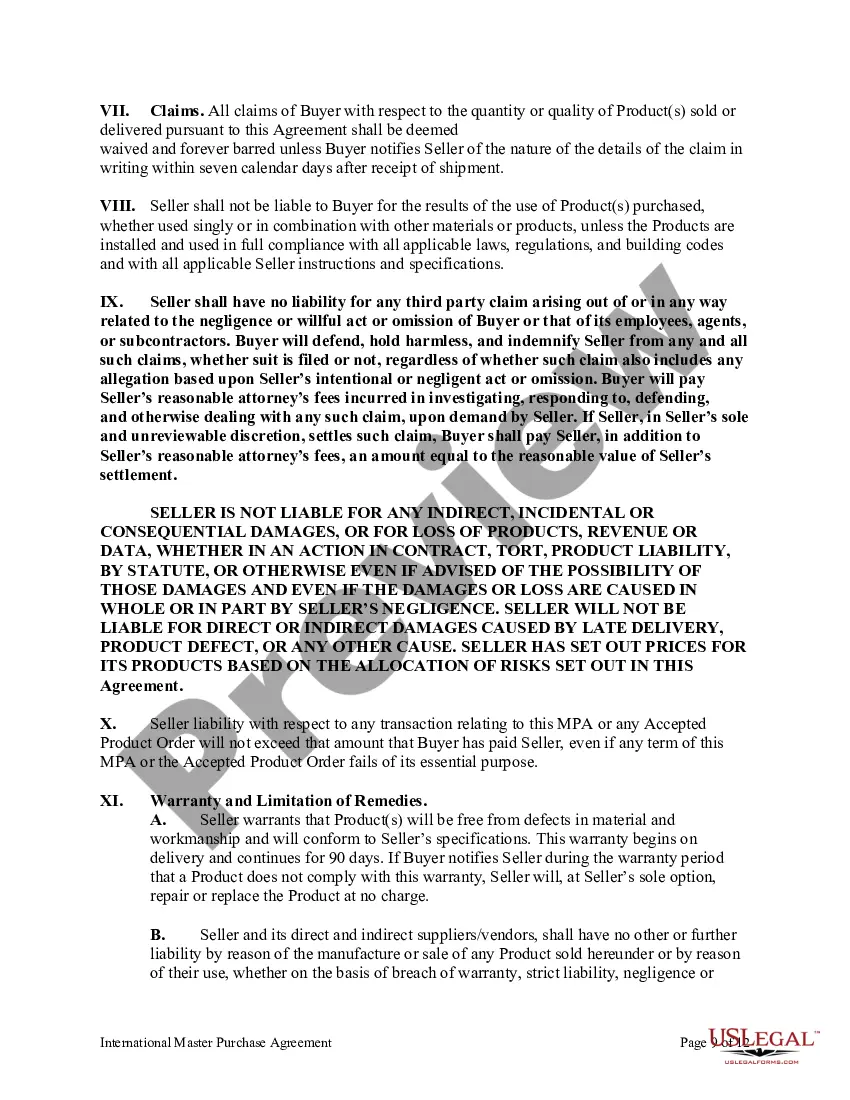
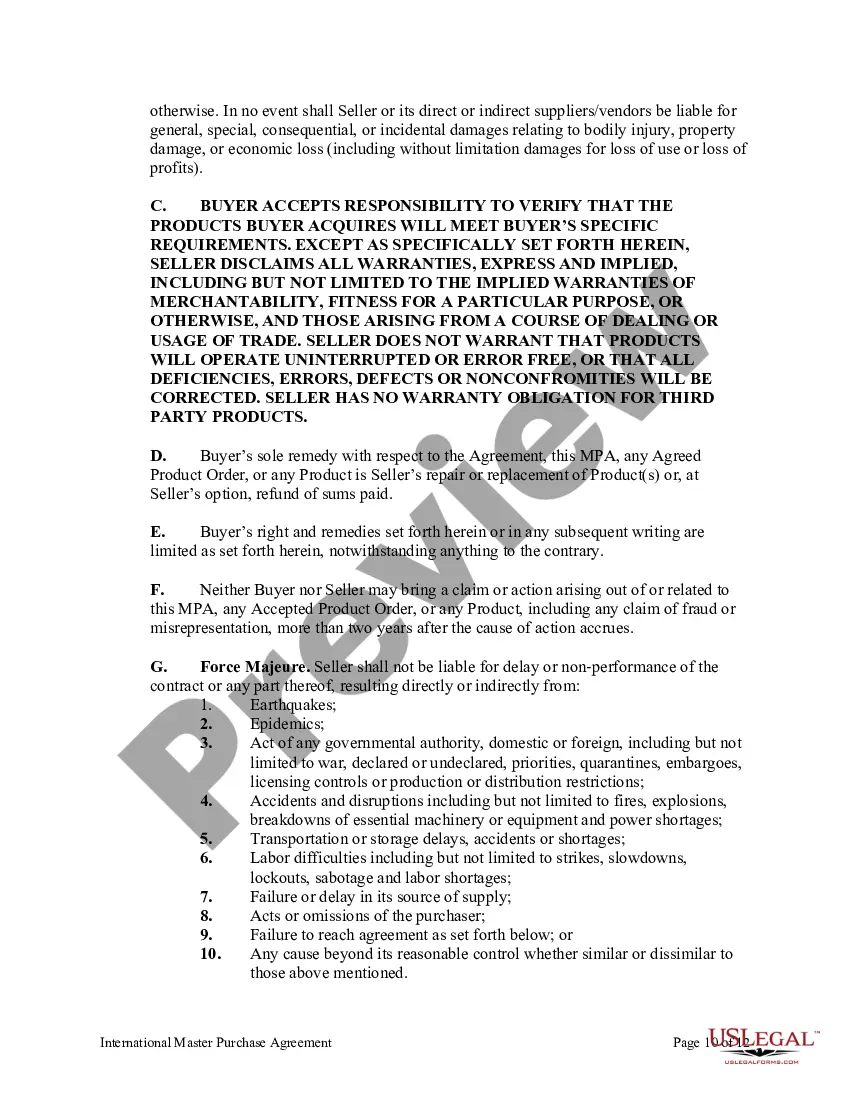
An MSA generally contains the following elements: Scope of work: ensures that both parties understand what work will be delivered. Confidentiality: protects intellectual property and other proprietary information from being disclosed. Geography: defines where the work will be performed.
