Master Sales Agreement With Payment Plan In San Antonio
Description


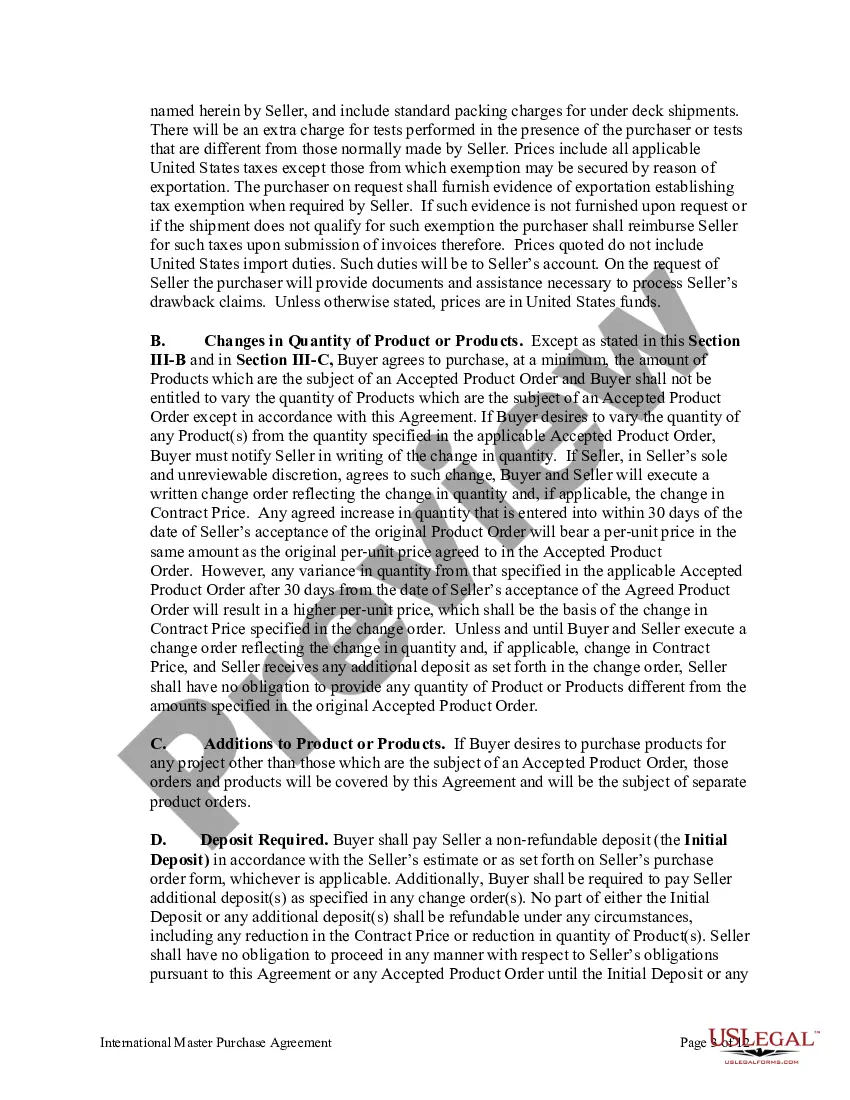
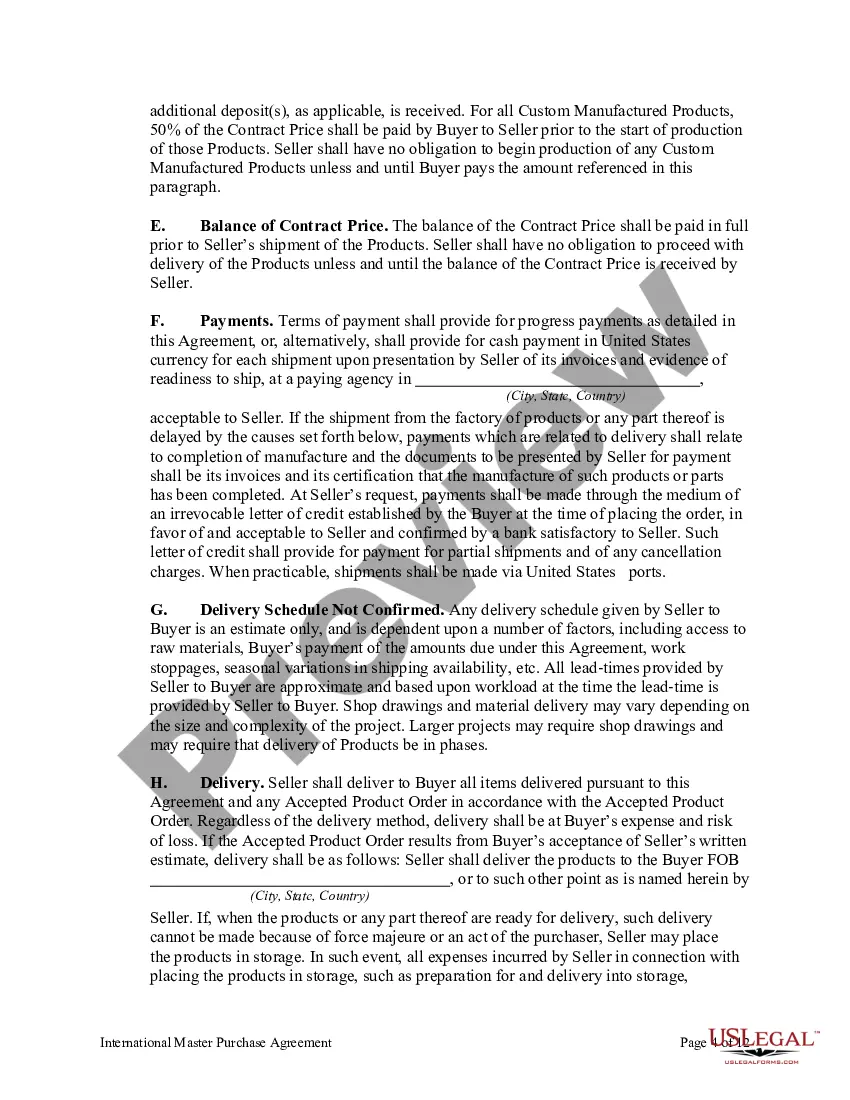
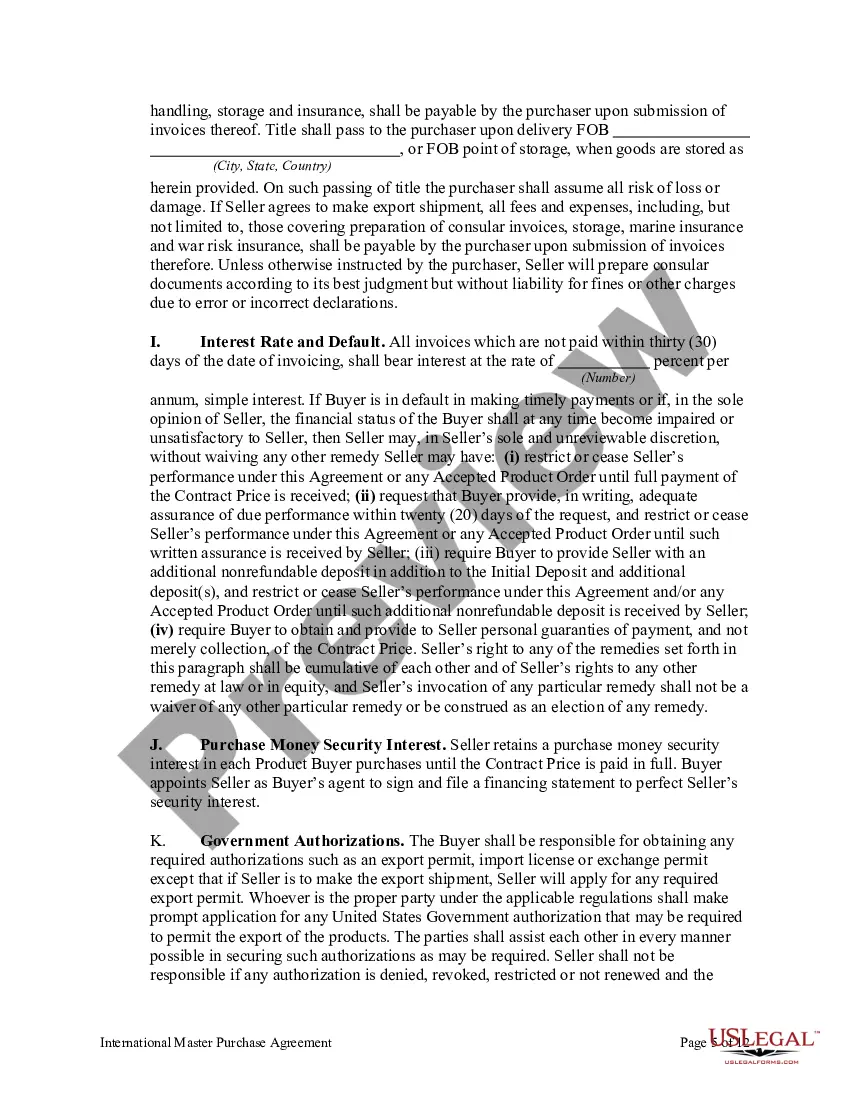
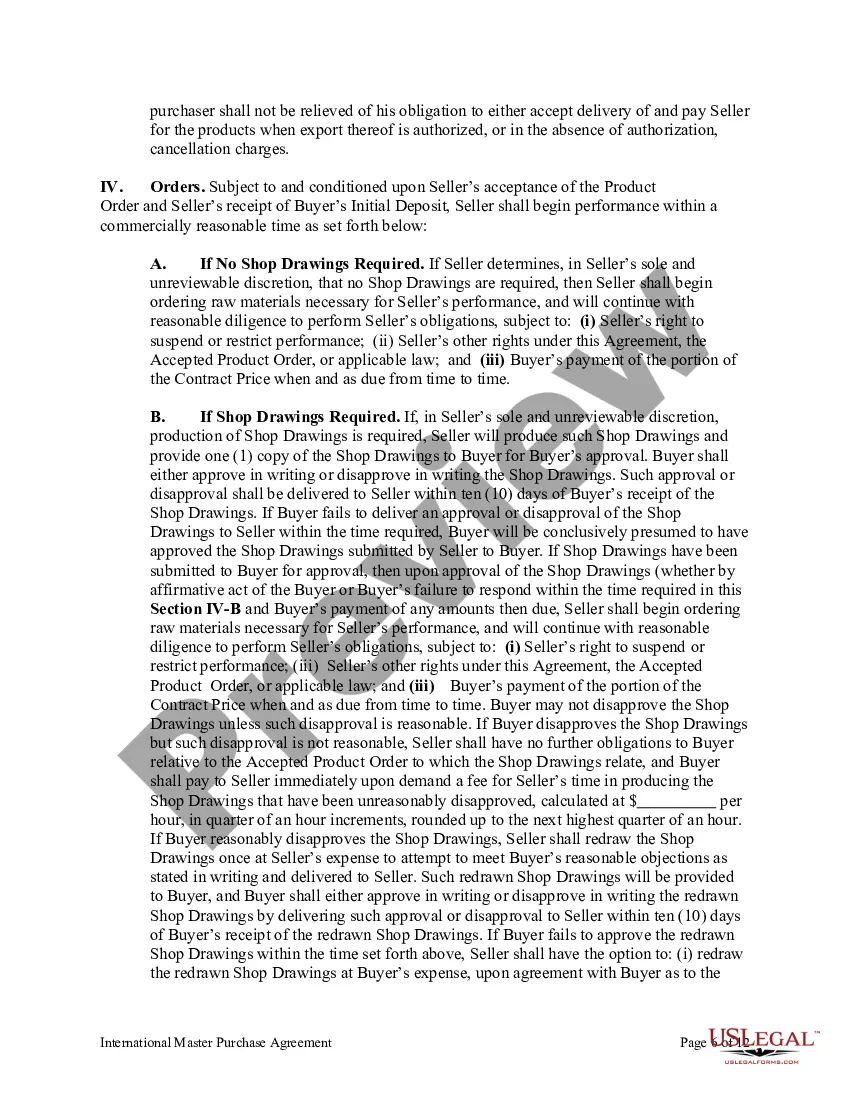
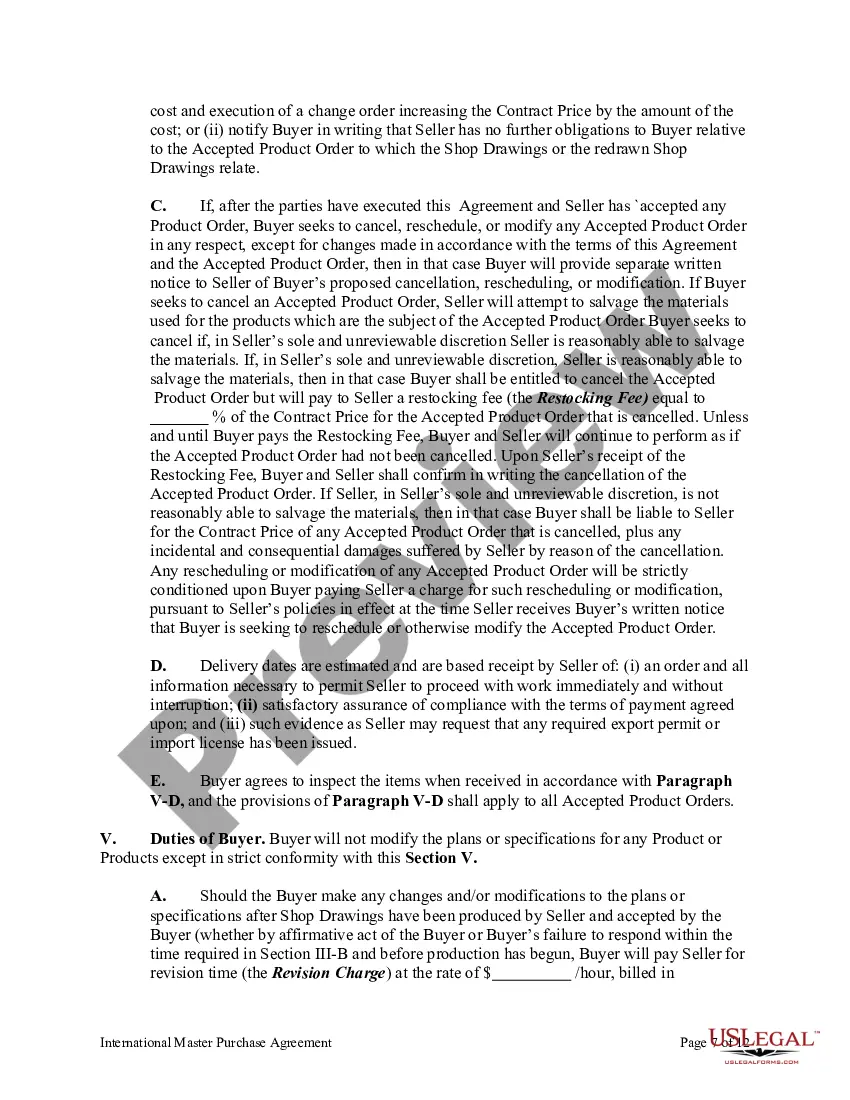
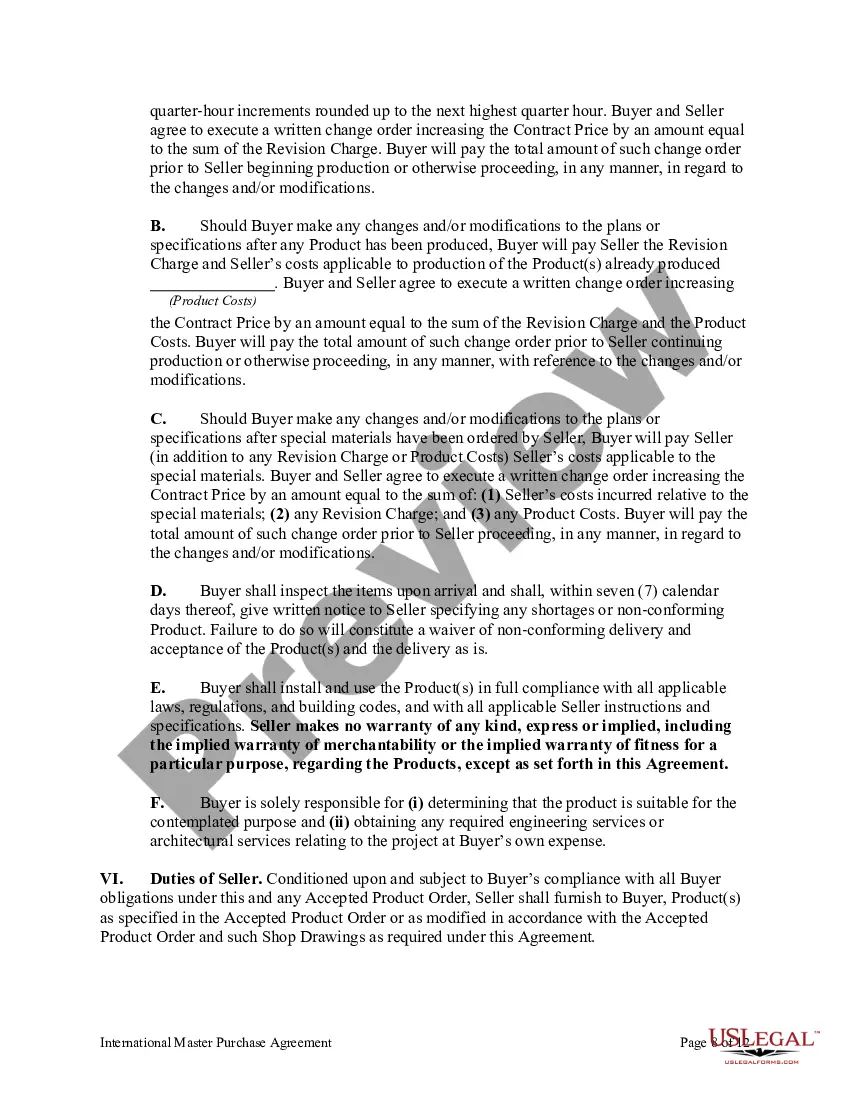
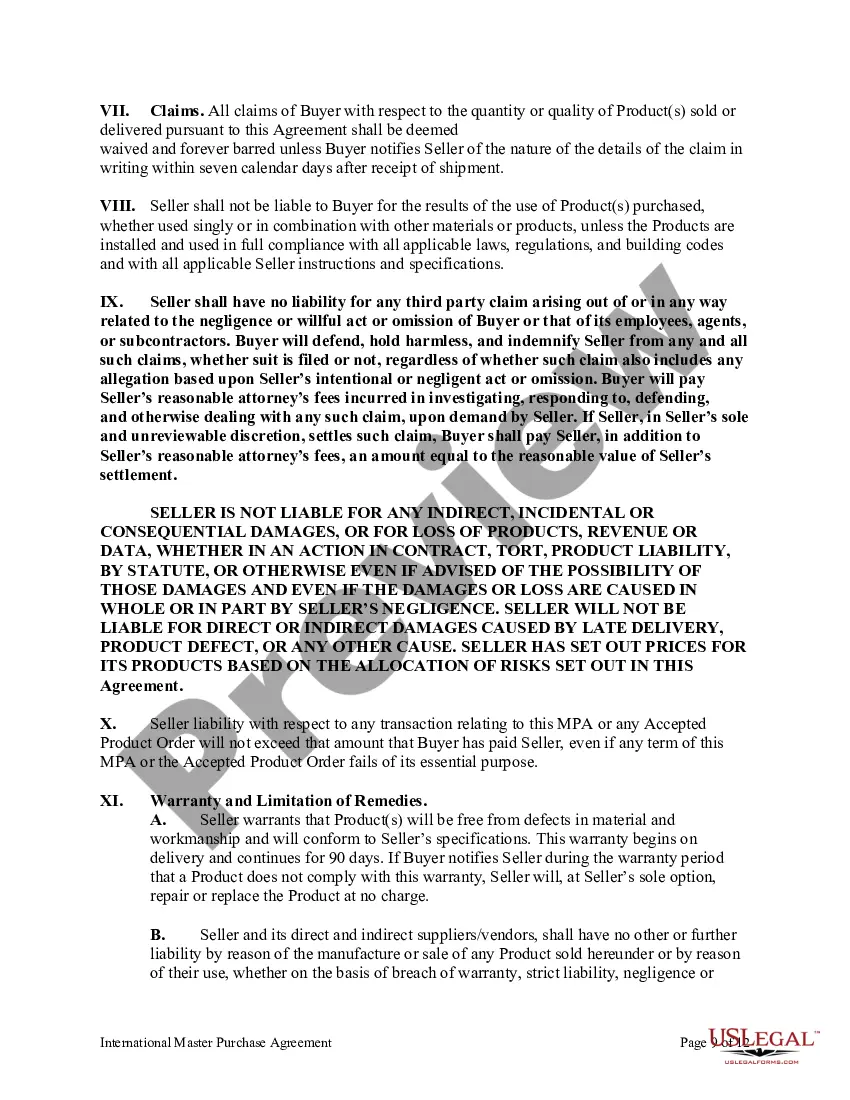
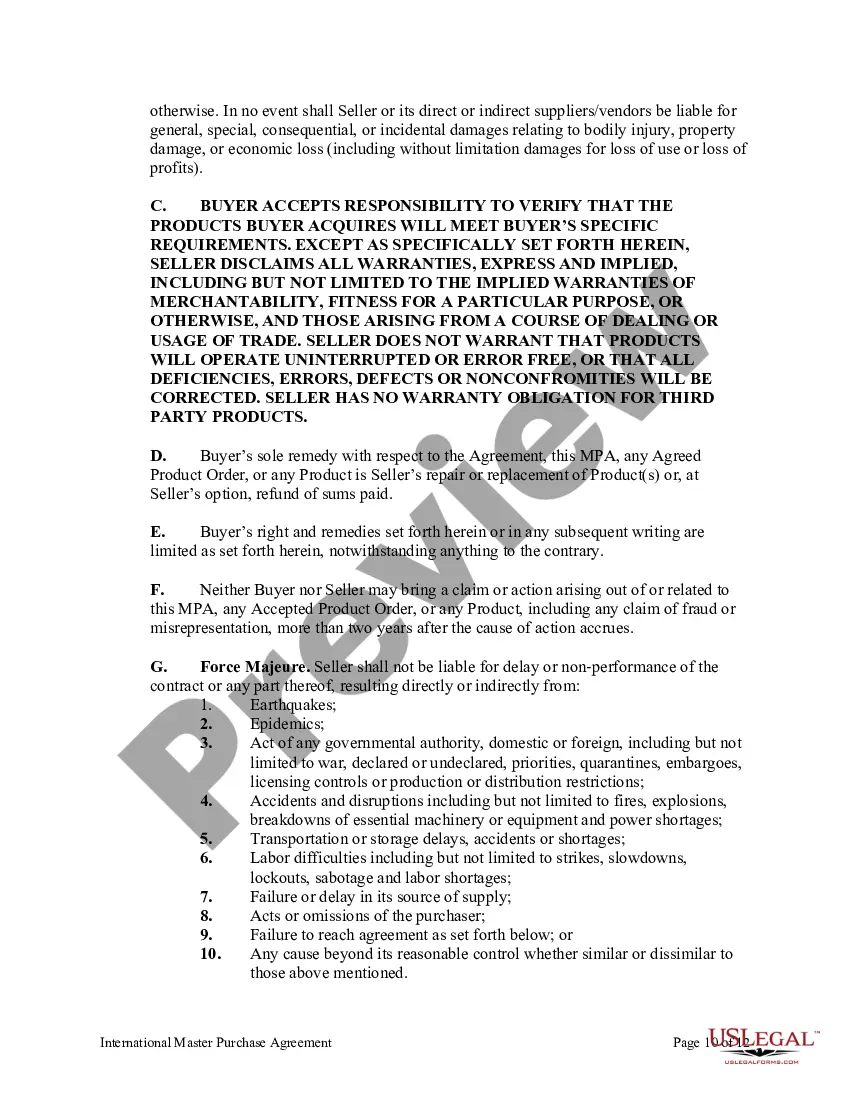



Get your form ready online
Our built-in tools help you complete, sign, share, and store your documents in one place.
Make edits, fill in missing information, and update formatting in US Legal Forms—just like you would in MS Word.
Download a copy, print it, send it by email, or mail it via USPS—whatever works best for your next step.
Sign and collect signatures with our SignNow integration. Send to multiple recipients, set reminders, and more. Go Premium to unlock E-Sign.
If this form requires notarization, complete it online through a secure video call—no need to meet a notary in person or wait for an appointment.
We protect your documents and personal data by following strict security and privacy standards.

Make edits, fill in missing information, and update formatting in US Legal Forms—just like you would in MS Word.

Download a copy, print it, send it by email, or mail it via USPS—whatever works best for your next step.

Sign and collect signatures with our SignNow integration. Send to multiple recipients, set reminders, and more. Go Premium to unlock E-Sign.

If this form requires notarization, complete it online through a secure video call—no need to meet a notary in person or wait for an appointment.

We protect your documents and personal data by following strict security and privacy standards.
Looking for another form?








Form popularity
FAQ
A payment agreement, also known as a payment plan agreement or Installment Agreement, is a legal contract that outlines the terms of payment between two parties. It details the payment structure, timelines, amounts, and conditions under which payments must be made.
A payment plan agreement, also known as an installment agreement, is a written legal document that allows one party to make smaller payments over time to payoff a larger debt.
A master service agreement (MSA) is a legal contract that establishes fundamental agreements between two parties. MSAs allow vendors and clients to agree on basic terms at the outset of a business relationship before any business commences.
You can create an MSA by following these structured steps, ensuring all key elements are covered: Establish the framework. Detail the scope of services. Set the payment terms. Agree on insurance and liability. Describe the work order process. Protect confidential information. Draft the statement of work (SOW).
Your MSA should always cover (at least) these 7 things: scope of work, payment terms, intellectual property, confidential information, risk allocation, dispute resolution and termination. For your MSA to be effective, these sections should not just be present, but clear and precise.
When constructing an MSA, certain components must be included such as services to be furnished, delivery dates and timelines, payment terms and conditions, indemnification and termination, confidentiality clauses, and intellectual property rights.
Compliance: An MSA checklist helps you adhere to legal and regulatory requirements, reducing the risk of legal issues down the line. Consistency: It promotes consistency across your MSAs, ensuring that the same standards and terms are applied to all your business relationships.
Ing to Boundy (2012), typically, a written contract will include: Date of agreement. Names of parties to the agreement. Preliminary clauses. Defined terms. Main contract clauses. Schedules/appendices and signature provisions (para. 5).
A master service agreement sets the pace for future contracts between two parties by outlining the maximum possible terms. A service-level agreement outlines the obligations and responsibilities of each party.
Unlike contracts that typically apply to a one-time transaction between two parties, a Master Service Agreement is intended to outline the rights and responsibility of the parties involved in an ongoing relationship, including those that pertain to: The ownership rights of a property.
