Master Sales Agreement With Commission In Phoenix
Description


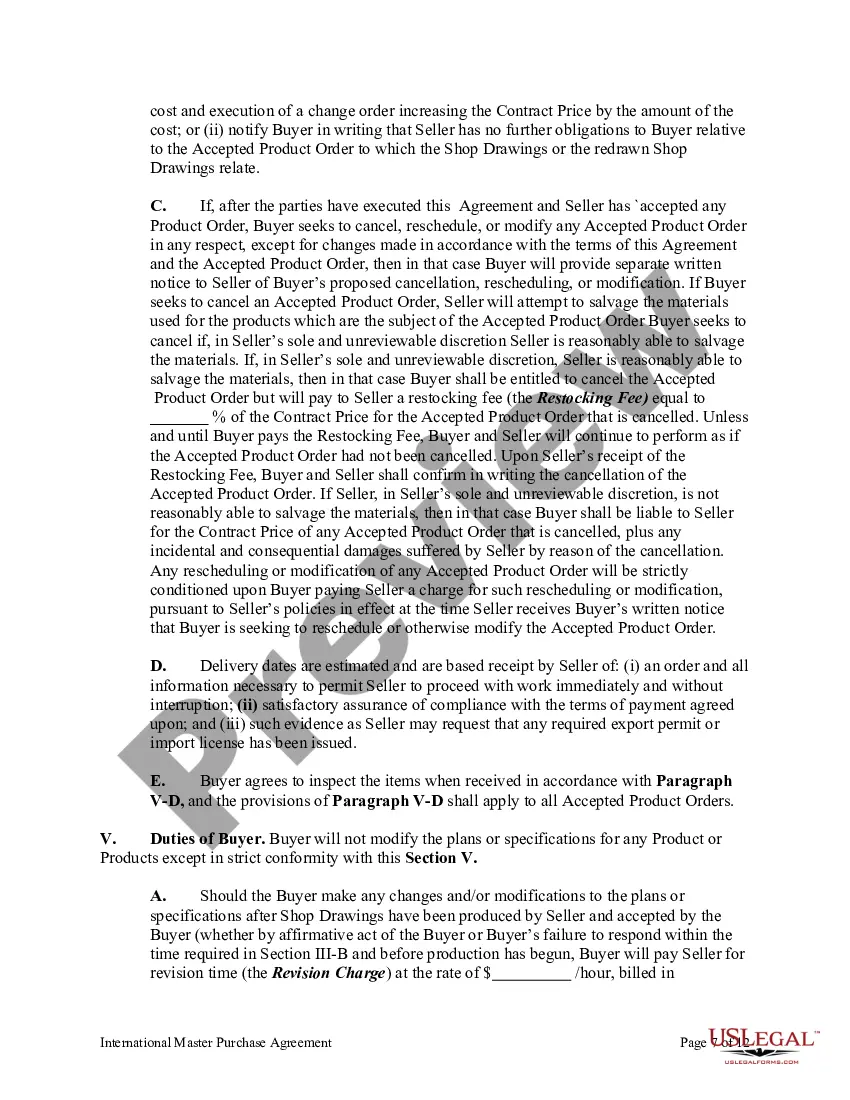
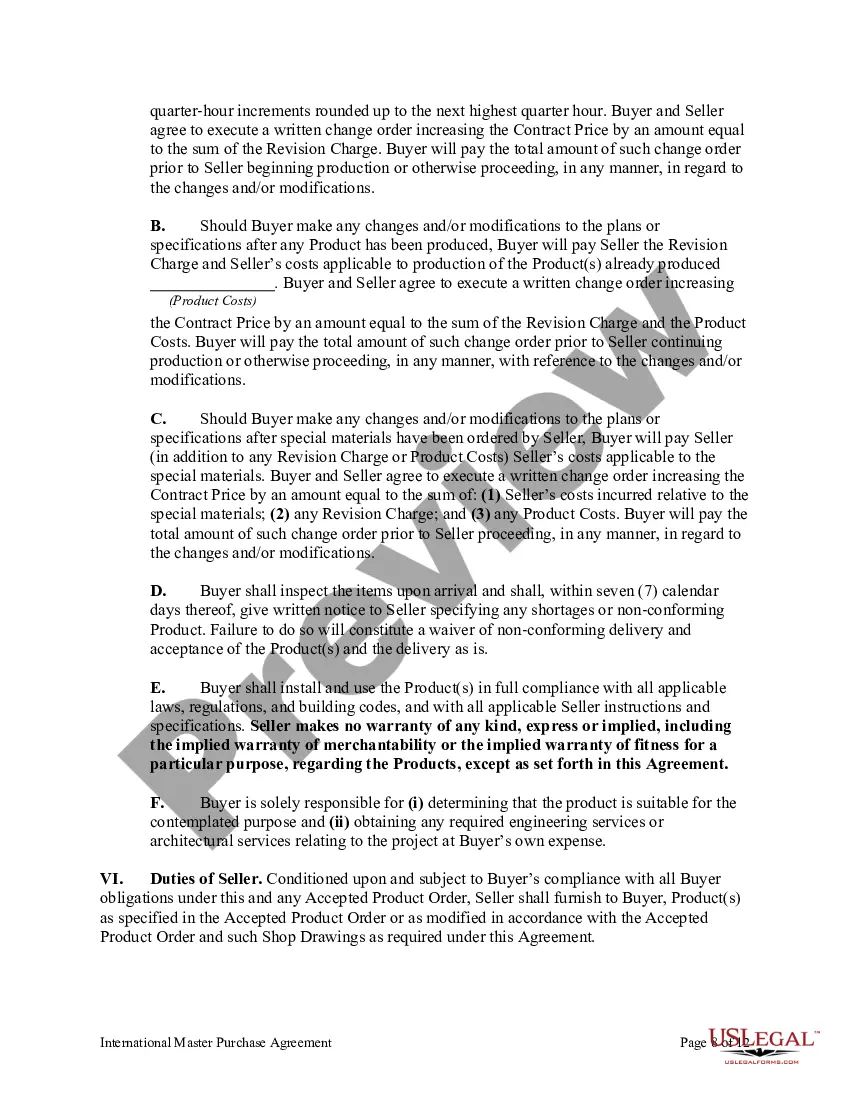
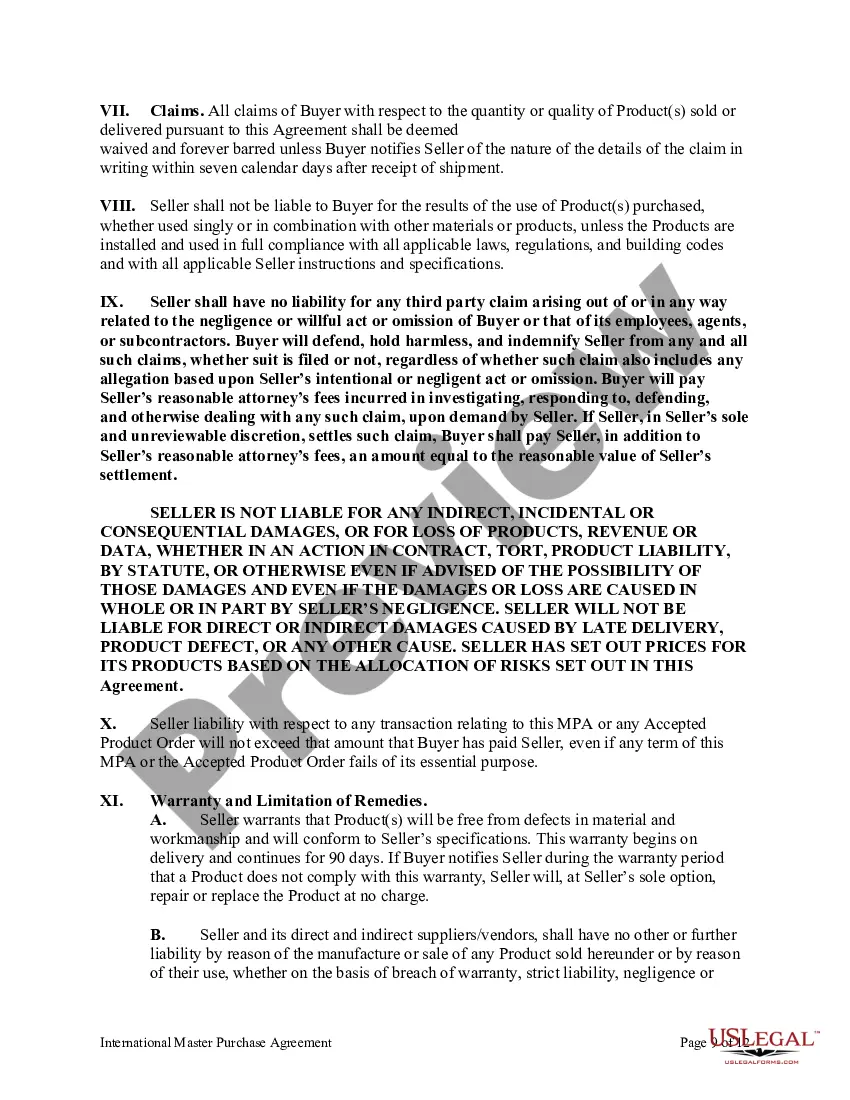
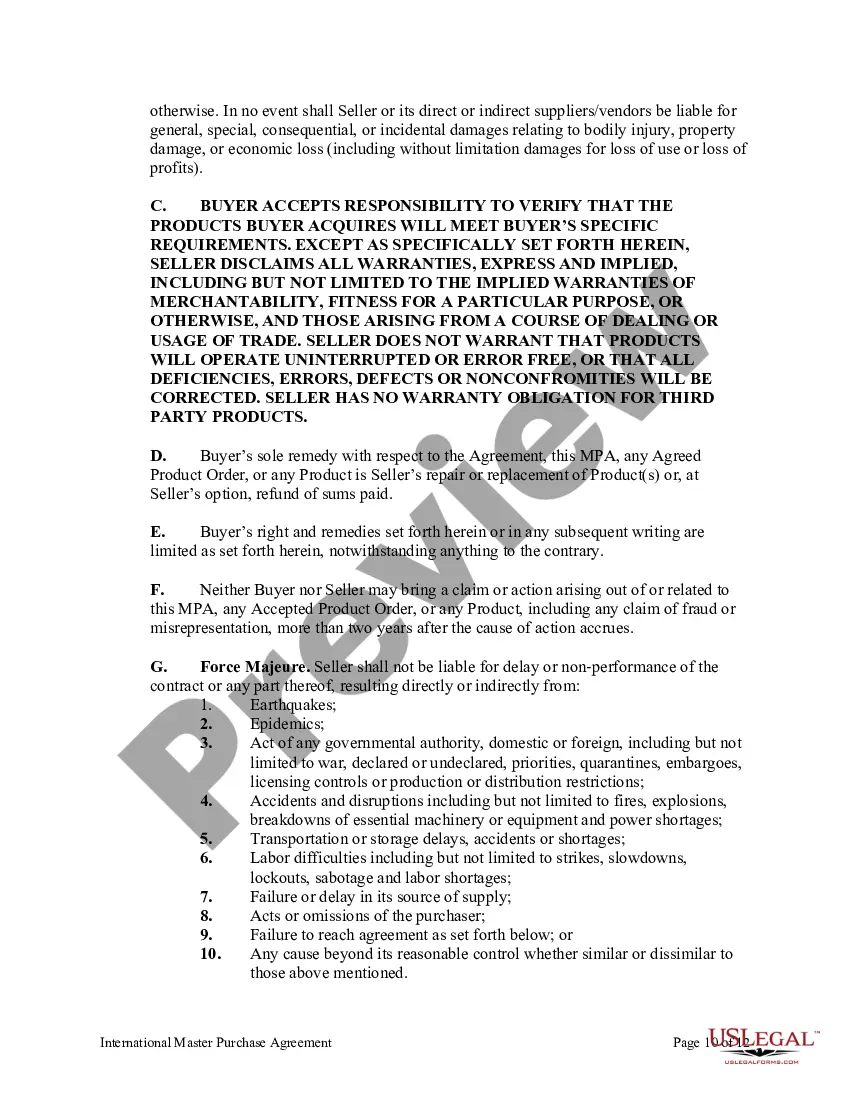



Get your form ready online
Our built-in tools help you complete, sign, share, and store your documents in one place.
Make edits, fill in missing information, and update formatting in US Legal Forms—just like you would in MS Word.
Download a copy, print it, send it by email, or mail it via USPS—whatever works best for your next step.
Sign and collect signatures with our SignNow integration. Send to multiple recipients, set reminders, and more. Go Premium to unlock E-Sign.
If this form requires notarization, complete it online through a secure video call—no need to meet a notary in person or wait for an appointment.
We protect your documents and personal data by following strict security and privacy standards.

Make edits, fill in missing information, and update formatting in US Legal Forms—just like you would in MS Word.

Download a copy, print it, send it by email, or mail it via USPS—whatever works best for your next step.

Sign and collect signatures with our SignNow integration. Send to multiple recipients, set reminders, and more. Go Premium to unlock E-Sign.

If this form requires notarization, complete it online through a secure video call—no need to meet a notary in person or wait for an appointment.

We protect your documents and personal data by following strict security and privacy standards.
Looking for another form?





Form popularity
FAQ
The Answer, ing to the IRS The short answer is “yes,” you do need a business license to legally sell your work as an artist.
The commission structure must first be outlined in a written agreement and then signed and copied by all parties. Additionally, a sales commission agreement needs to be distributed and signed before the plan goes into effect.
A contract is mandatory for any commission. Write down every detail in the contract, such as the size and media of the artwork, your compensation, due dates for payments, who is responsible for framing, installation, delivery of the artwork, etc. If your client balks at signing a contract, WALK AWAY.
The average commission rate for sales sits somewhere between 20% and 30% of gross margins, but this depends on the sales structure. Some workers may earn their whole salary through 100% commission, while others earn 10% on top of a base salary.
A commission agreement is a contract between a company and an individual that outlines the terms of the individual's incentive compensation, which is typically based on a percentage of the sales they generate.
How to draft a sales commission agreement Identify the parties involved. Clearly state the names and roles of the salesperson and the company to establish who is entering into the agreement. Define key terms. Include duration and termination conditions. Address confidentiality and non-compete clause.
How to draft a sales commission agreement Identify the parties involved. Clearly state the names and roles of the salesperson and the company to establish who is entering into the agreement. Define key terms. Include duration and termination conditions. Address confidentiality and non-compete clause.
In summary, ToS are used for consumer-facing agreements and are specific to individual users, while MSAs are used in B2B relationships and serve as overarching agreements between businesses.
