Master Sales Agreement With Payment Plan In Orange
Description


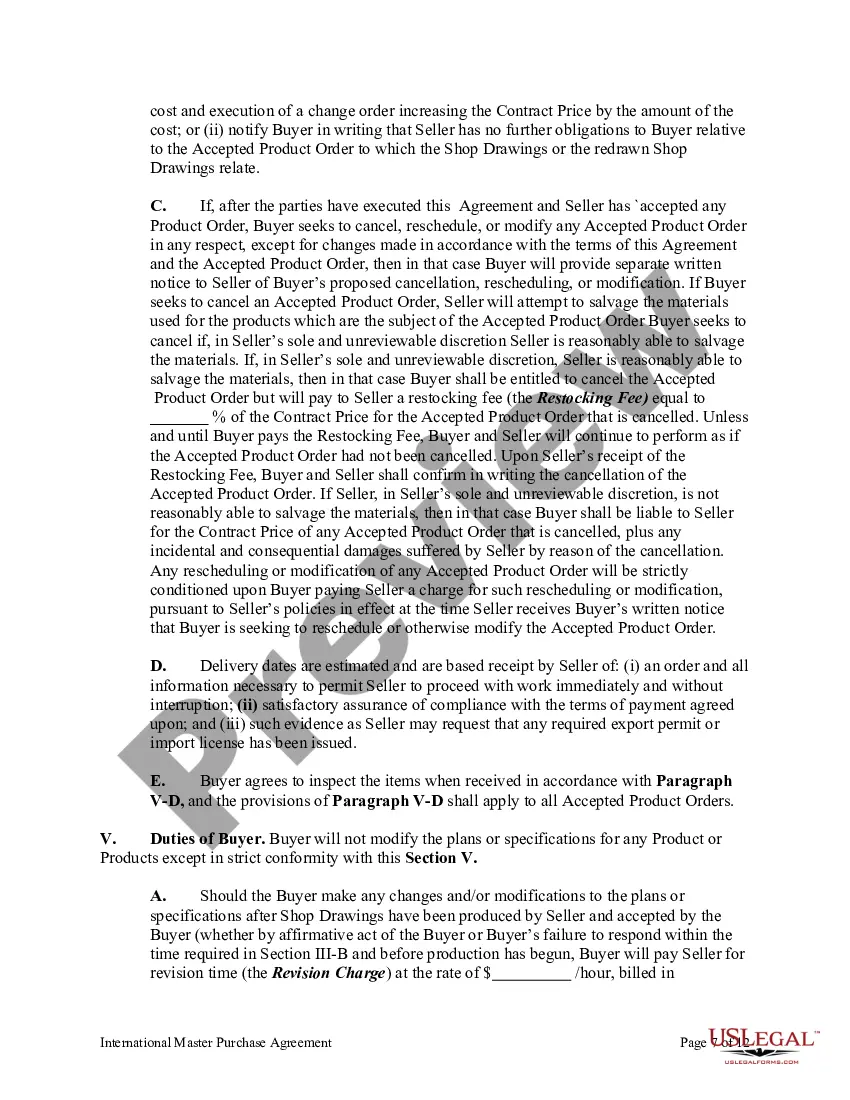
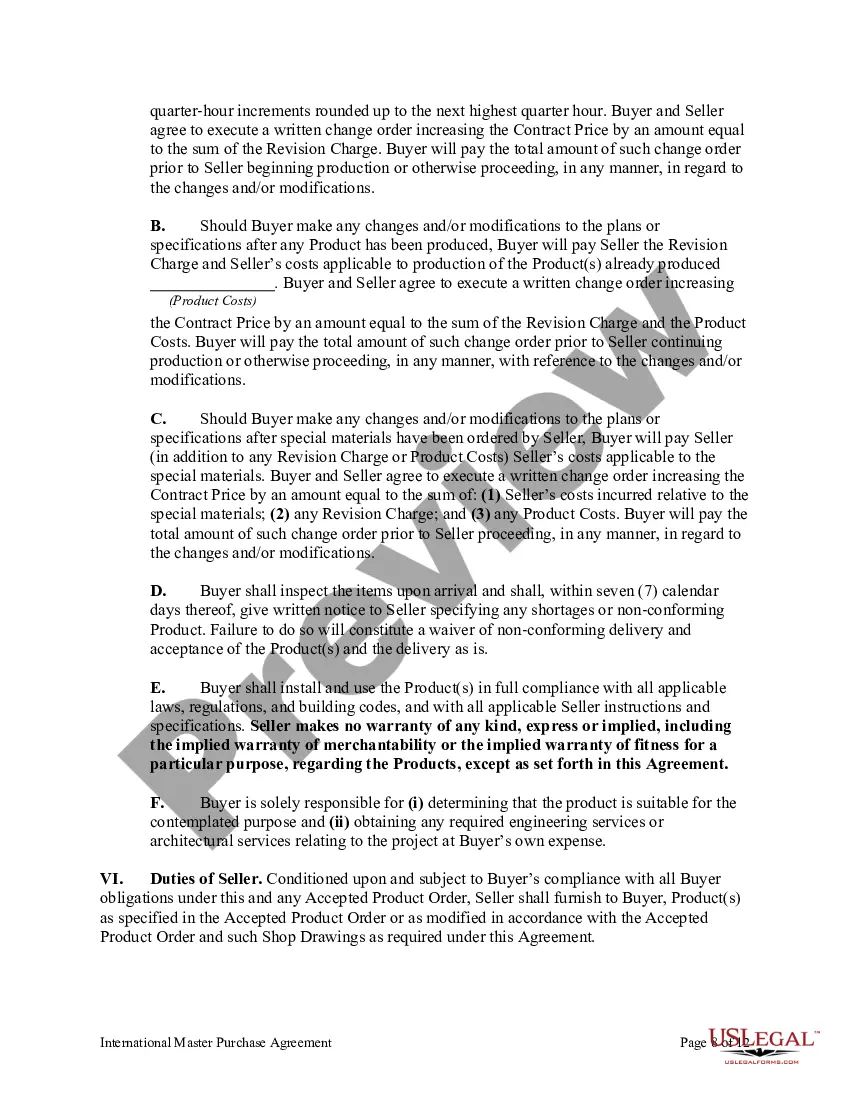
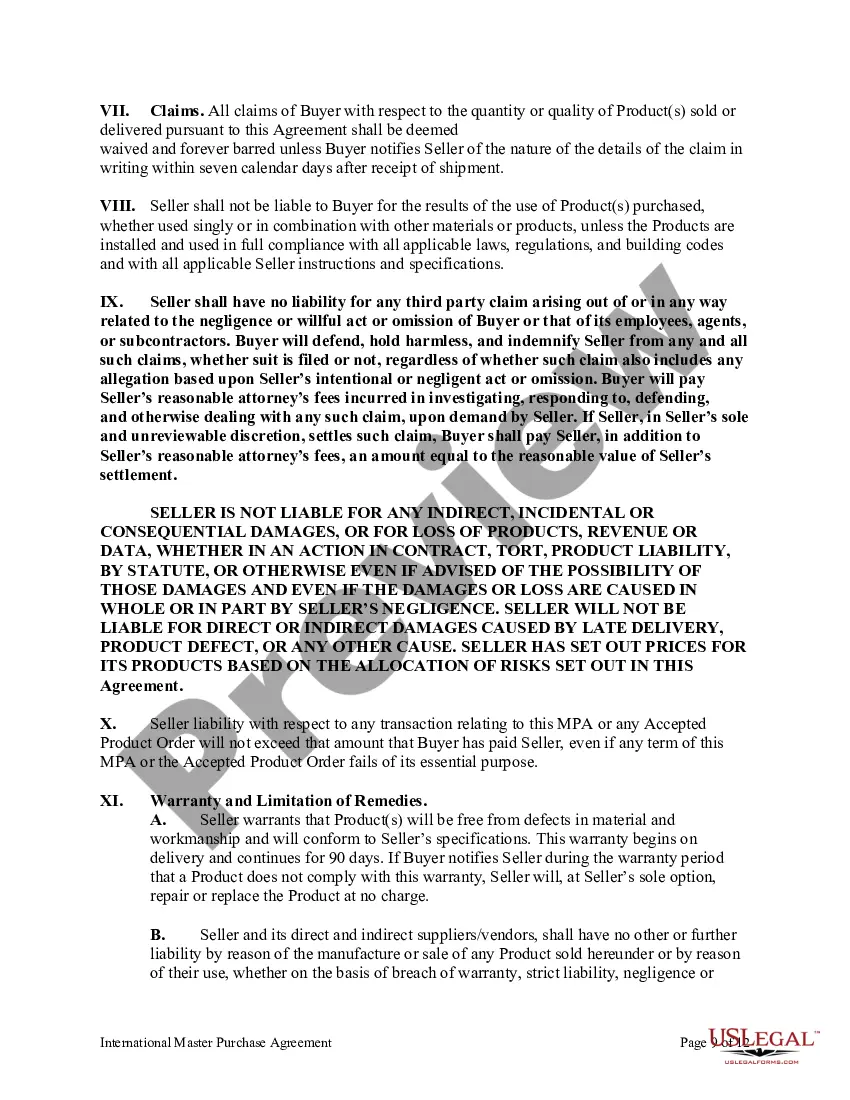
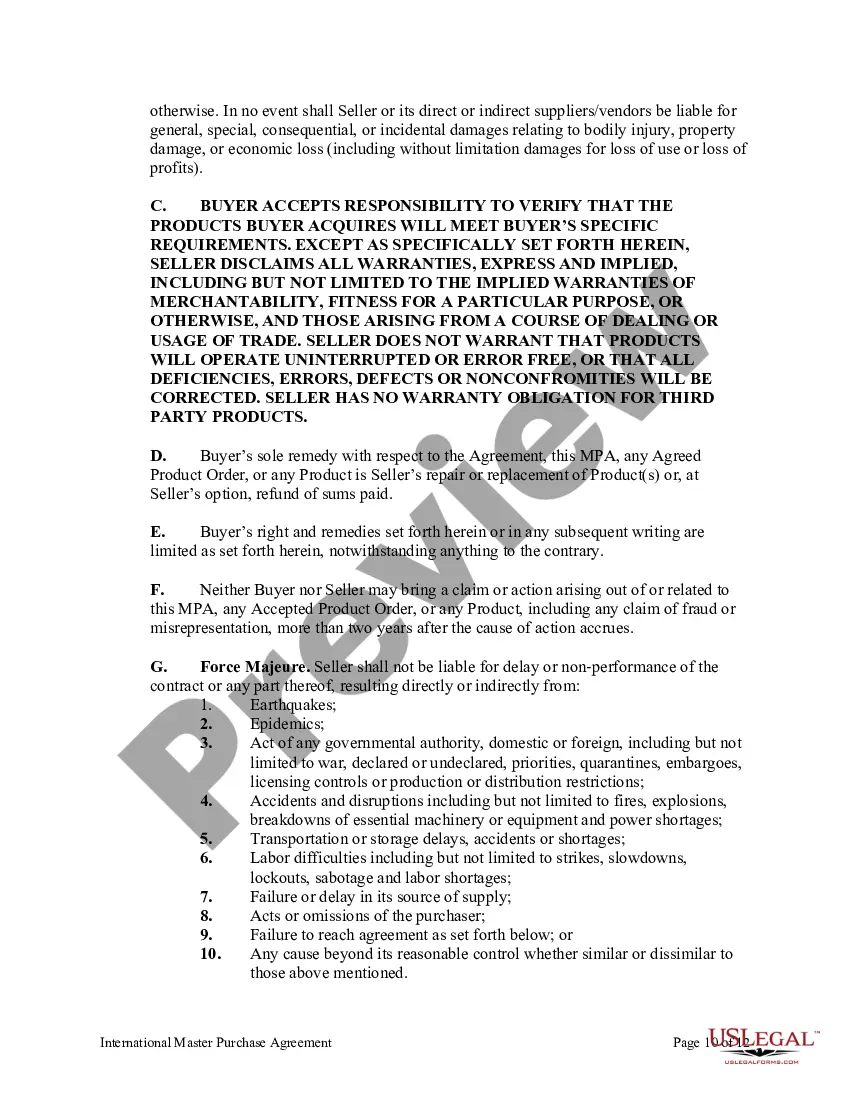



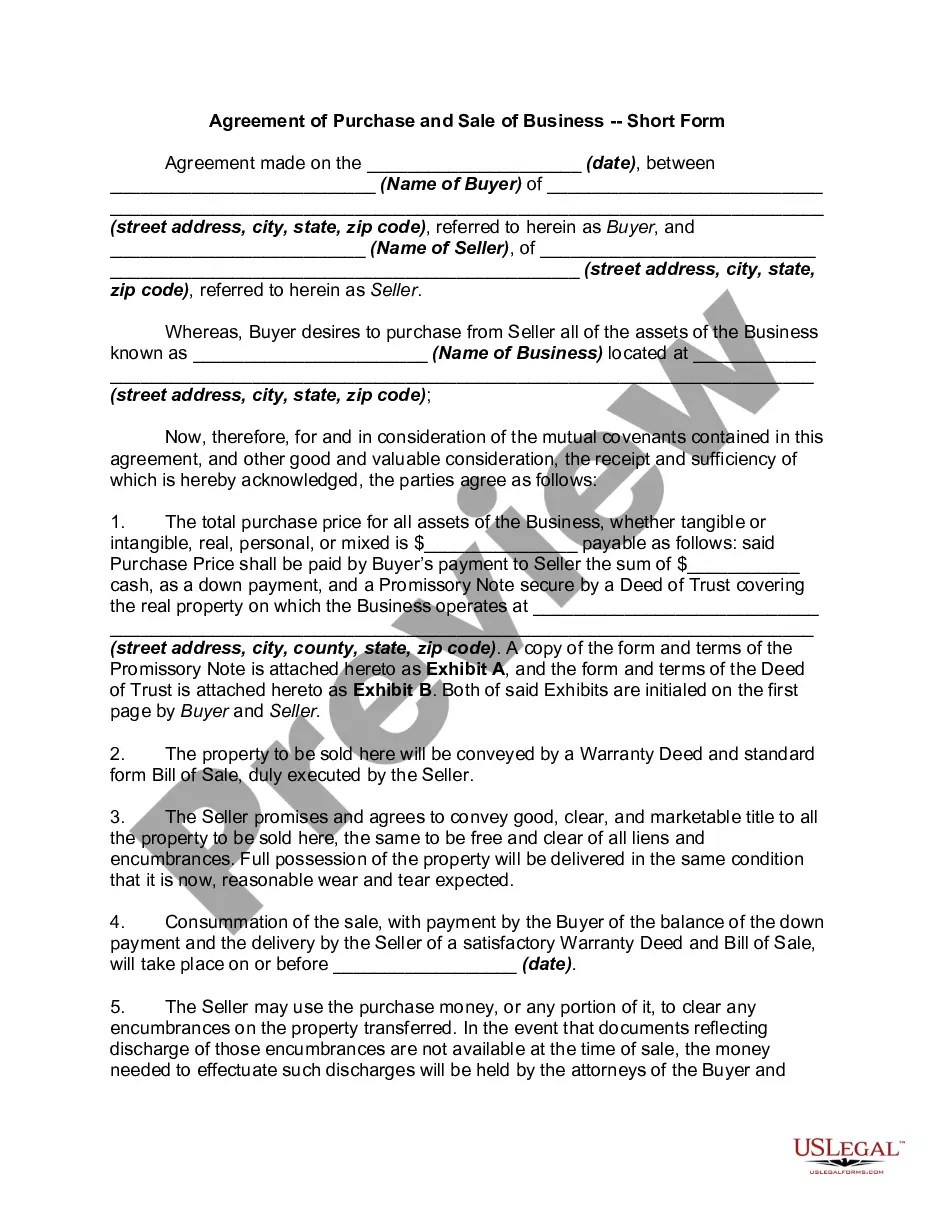
Get your form ready online
Our built-in tools help you complete, sign, share, and store your documents in one place.
Make edits, fill in missing information, and update formatting in US Legal Forms—just like you would in MS Word.
Download a copy, print it, send it by email, or mail it via USPS—whatever works best for your next step.
Sign and collect signatures with our SignNow integration. Send to multiple recipients, set reminders, and more. Go Premium to unlock E-Sign.
If this form requires notarization, complete it online through a secure video call—no need to meet a notary in person or wait for an appointment.
We protect your documents and personal data by following strict security and privacy standards.

Make edits, fill in missing information, and update formatting in US Legal Forms—just like you would in MS Word.

Download a copy, print it, send it by email, or mail it via USPS—whatever works best for your next step.

Sign and collect signatures with our SignNow integration. Send to multiple recipients, set reminders, and more. Go Premium to unlock E-Sign.

If this form requires notarization, complete it online through a secure video call—no need to meet a notary in person or wait for an appointment.

We protect your documents and personal data by following strict security and privacy standards.
Looking for another form?
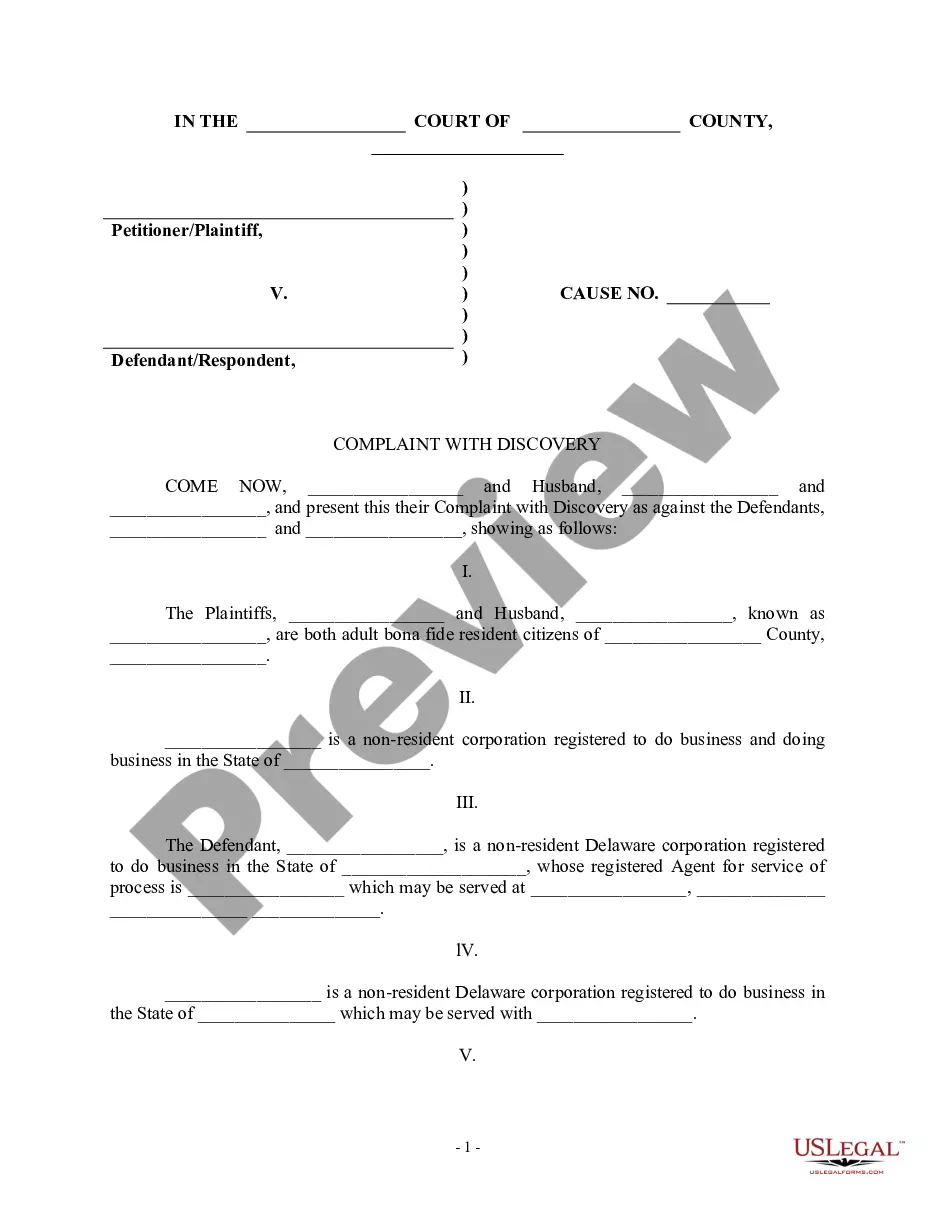



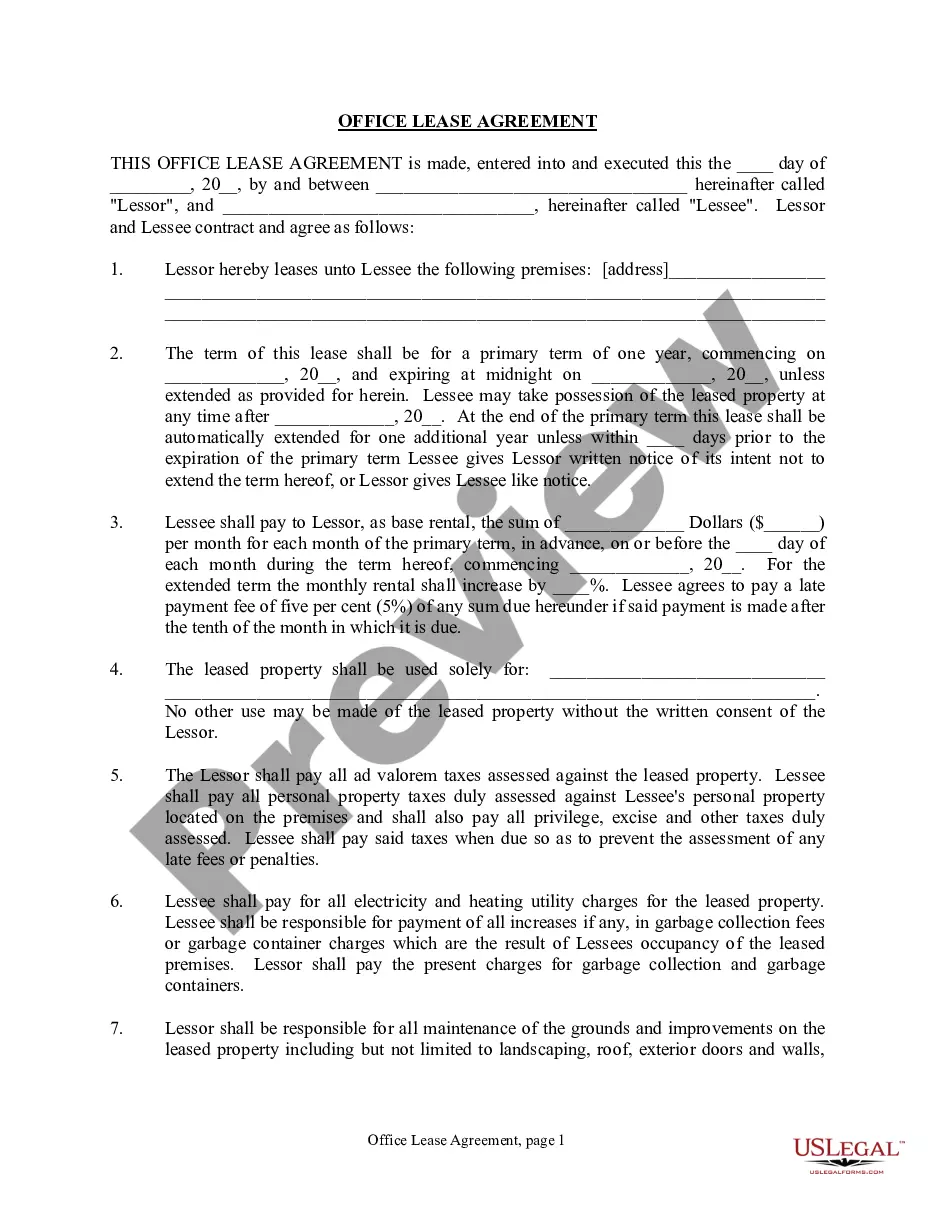


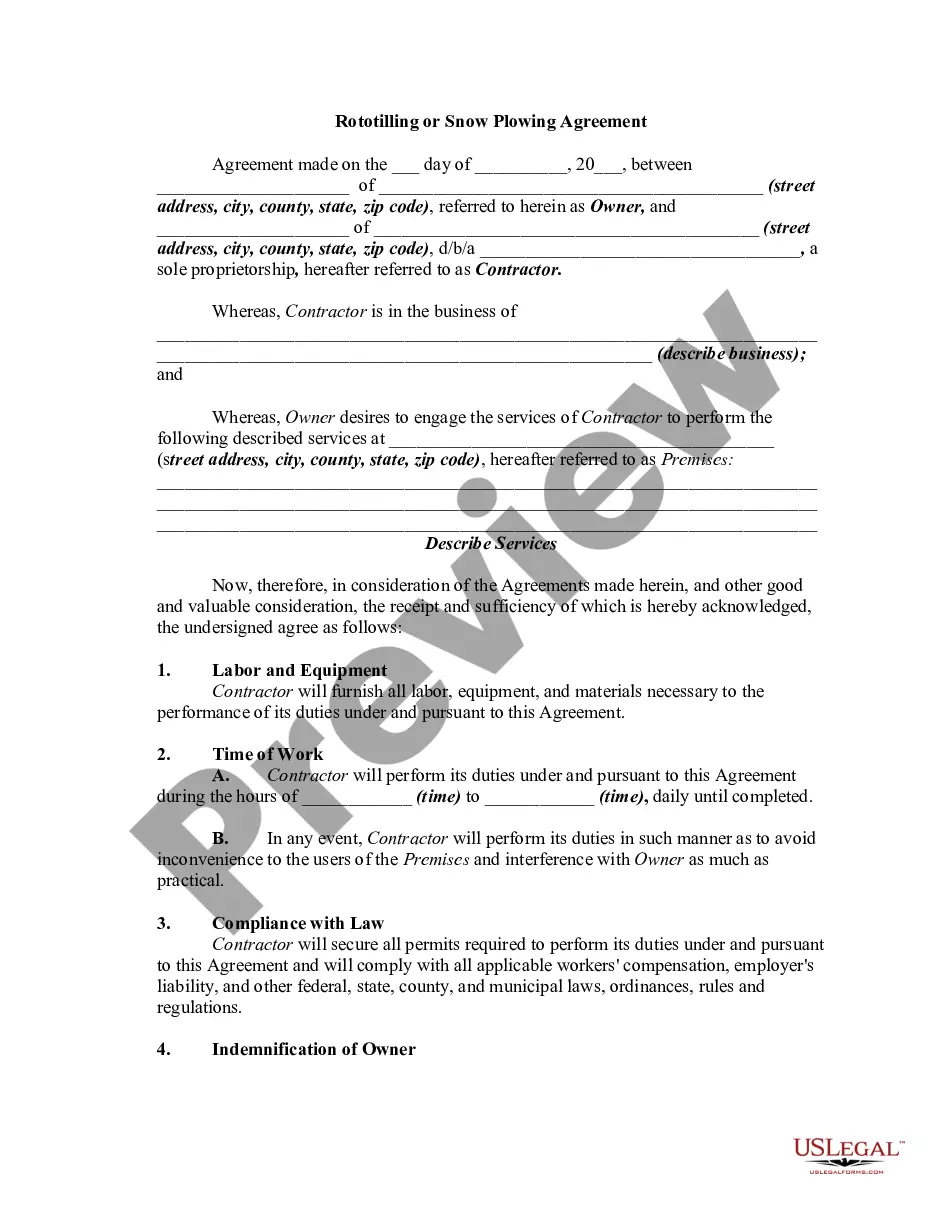


Form popularity
FAQ
Key Elements to Include in a Payment Agreement Personal Details. Like all legal documents, payment agreements identify the people involved. Project Details. Payment Details. Payment Deadlines. Payment Method. Exit Clause. Steps for Solving Disagreements. Non-Disclosure Agreements.
Drafting the payment plan agreement Brainstorm payment plan parameters and write them down. Identify key terms and conditions applicable to both parties. Draft a payment plan agreement with all the details noted in the previous step. List the payment plan schedule and payment amounts.
Populate the template with key details: Clearly define the amount owed, the payment schedule, the payment method (e.g., bank transfer, check), and any additional terms such as interest rates or late fees. Include any relevant dates, such as when payments are due and the total duration of the payment plan.
How to offer payment plans Determine eligible products and services. Are you going to allow only certain products or services to use this benefit? ... Choose a program type. Decide on the invoicing frequency. Set up recurring payments.
Proposing a payment plan: "Right now, I can commit to monthly payment amount based on your budget a month. I will contact you if my financial situation changes." "I am committed to paying the amount I owe, but right now I can afford monthly payment amount based on your budget."
Payment plan set up Example: 20% of the invoice is due after the first work deliverable is done. After that, the remaining balance is split up equally into two installments.
Setting up the payment plan Calculate the total amount due and the payment schedule. Determine the payment amounts, due dates and payment method. Write the agreement, detailing the payment plan. Include the date of the agreement and the parties involved. Get both parties to sign the agreement.
A Master Service Agreement provides a legal framework that protects the interests of both parties. The agreement clearly outlines the rights and responsibilities of each party, which can be essential in case of disputes or litigation.
An MSA generally contains the following elements: Scope of work: ensures that both parties understand what work will be delivered. Confidentiality: protects intellectual property and other proprietary information from being disclosed. Geography: defines where the work will be performed.
Contracts address the specific details of a particular project, transaction, or engagement. Think of the master agreement as the foundation or umbrella under which contracts operate. It sets the general terms, while contracts focus on the specific details and scope of each individual project.
