Collective Agreement For Nurses In Orange
Description





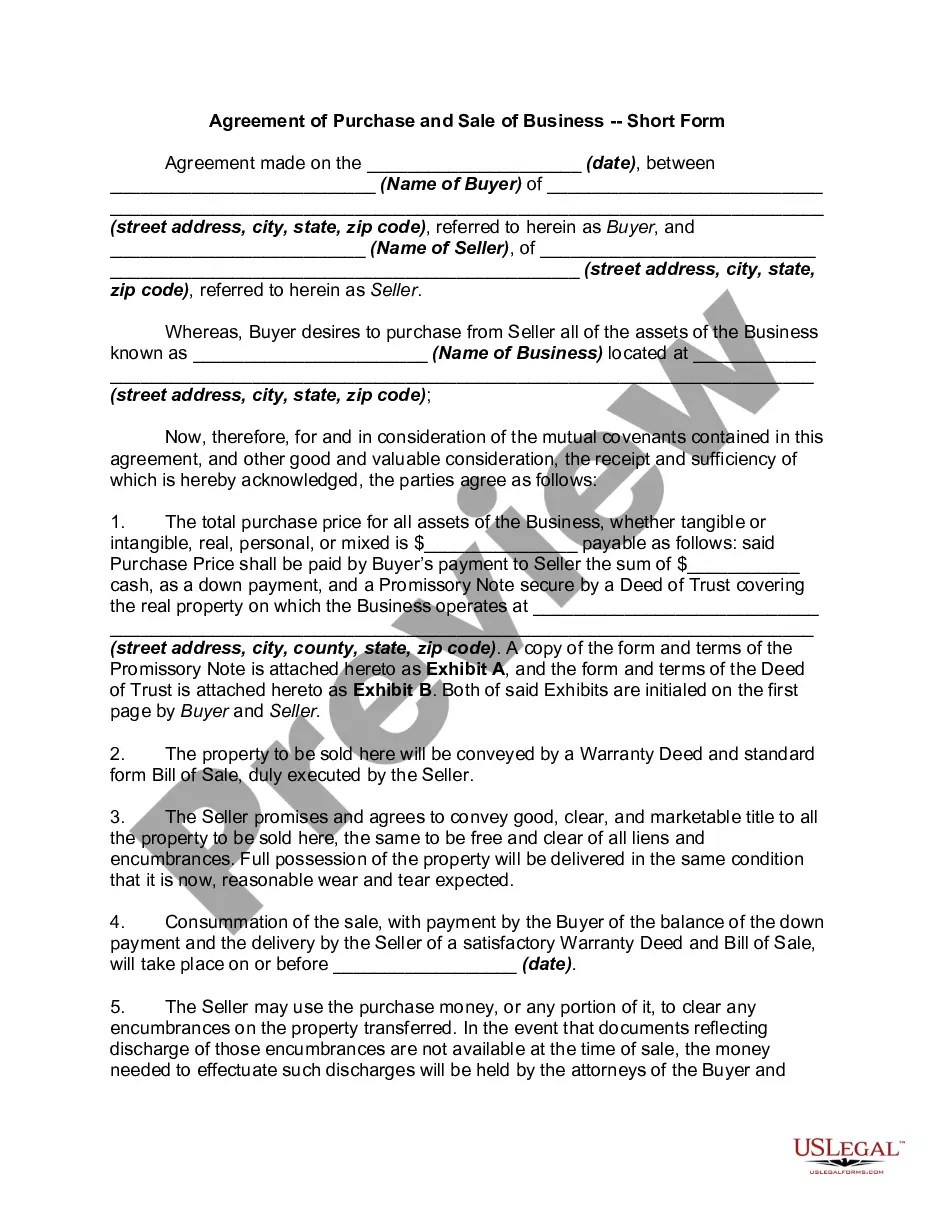
Get your form ready online
Our built-in tools help you complete, sign, share, and store your documents in one place.
Make edits, fill in missing information, and update formatting in US Legal Forms—just like you would in MS Word.
Download a copy, print it, send it by email, or mail it via USPS—whatever works best for your next step.
Sign and collect signatures with our SignNow integration. Send to multiple recipients, set reminders, and more. Go Premium to unlock E-Sign.
If this form requires notarization, complete it online through a secure video call—no need to meet a notary in person or wait for an appointment.
We protect your documents and personal data by following strict security and privacy standards.

Make edits, fill in missing information, and update formatting in US Legal Forms—just like you would in MS Word.

Download a copy, print it, send it by email, or mail it via USPS—whatever works best for your next step.

Sign and collect signatures with our SignNow integration. Send to multiple recipients, set reminders, and more. Go Premium to unlock E-Sign.

If this form requires notarization, complete it online through a secure video call—no need to meet a notary in person or wait for an appointment.

We protect your documents and personal data by following strict security and privacy standards.
Looking for another form?


Form popularity
FAQ
Bargaining is a process of give and take. During negotiations, some bargaining demands may be withdrawn in favor of others. Proposals are often modified as discussions continue to reach agreement.
The 5 Stages of Collective Bargaining Preparing for bargaining. Conducting negotiations. Ratifying the contract. Resolving a contract dispute. Changing or clarifying the contract.
Most Collective Bargaining Agreements contain the following common elements: (1) a union recognition clause, (2) a management rights clause, (3) union rights provisions, (4) prohibitions on strikes and lockouts, (5) a union security clause, (6) nondiscrimination provisions, (7) grievance and arbitration procedures, (8) ...
Disadvantages of Collective Bargaining These actions can strain relationships between employers and employees, disrupt work, and result in financial losses for both sides. Costs for Employers: Implementing the agreed-upon terms in collective bargaining agreements can increase operational costs for employers.
A bargaining process agreement (or arrangement) sets out the parties' expectations of each other at different stages of the bargaining and the process for conducting the bargaining in an effective and efficient manner.
The Three Stages of a Successful Negotiation Stage 1 – Preparation. Stage 2 – Devise a Strategy. Stage 3 – Negotiate an Agreement.
Unions and collective bargaining more broadly seek to negotiate better terms for their members. Usually, this concerns wages, working conditions, job security, and other resources or professional opportunities (Kochan et al., 2019). In many ways, nursing unions resemble organized labor in other sectors.
After voting to unionize, you and your coworkers will come together and negotiate your first union contract with your employer. This contract, also known as a collective bargaining agreement, is the sum of all the things that you will agree to over the course of this negotiations process.
Unions and collective bargaining more broadly seek to negotiate better terms for their members. Usually, this concerns wages, working conditions, job security, and other resources or professional opportunities (Kochan et al., 2019). In many ways, nursing unions resemble organized labor in other sectors.
A union gives RNs the legal right to advocate as a collective for contracts that ensure safe working conditions, protect nurses' rights, and improve wages and benefits so that we can focus on what we do best: caring for our patients.
