Collective Agreement For Pa Group In North Carolina
Description

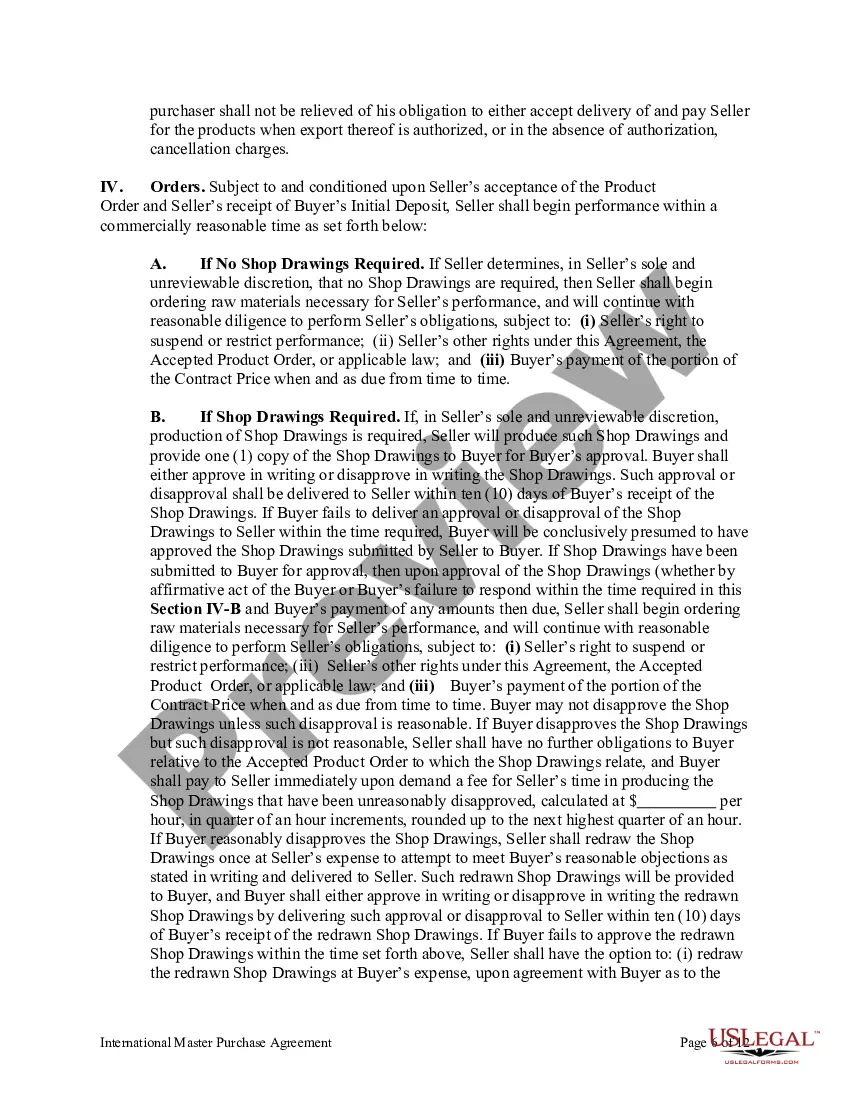
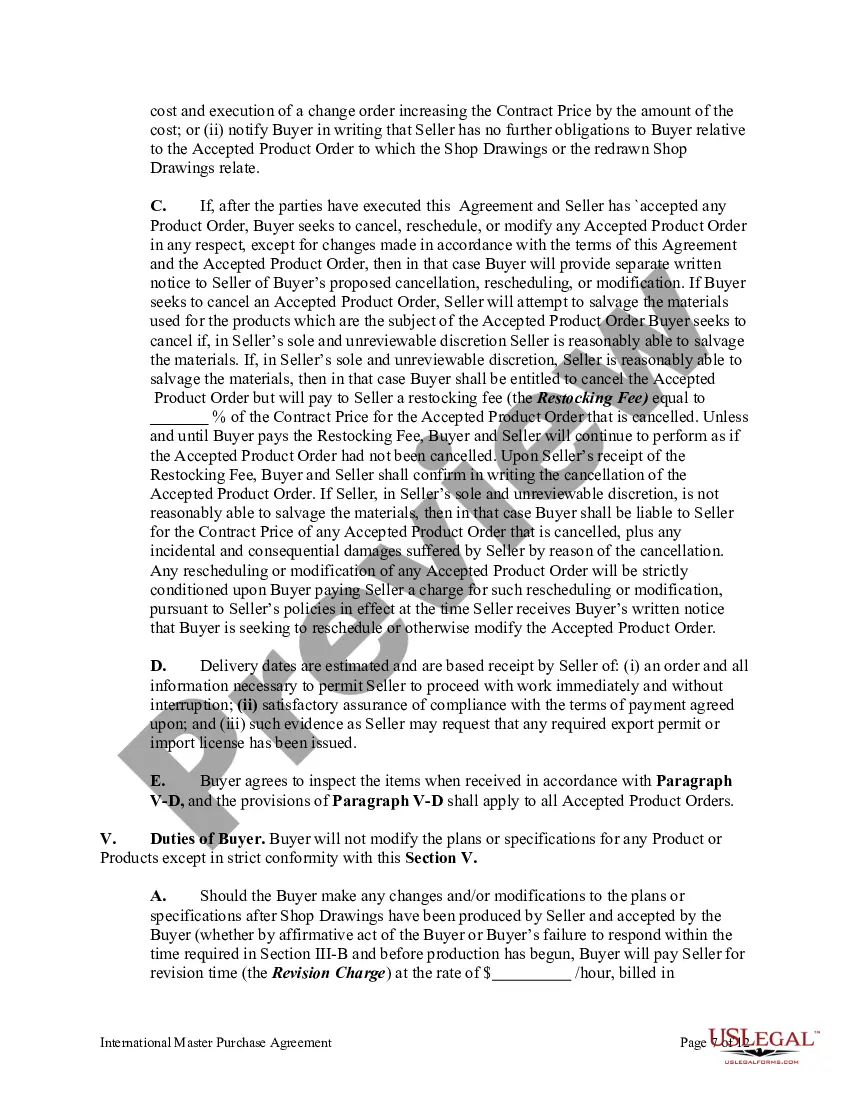
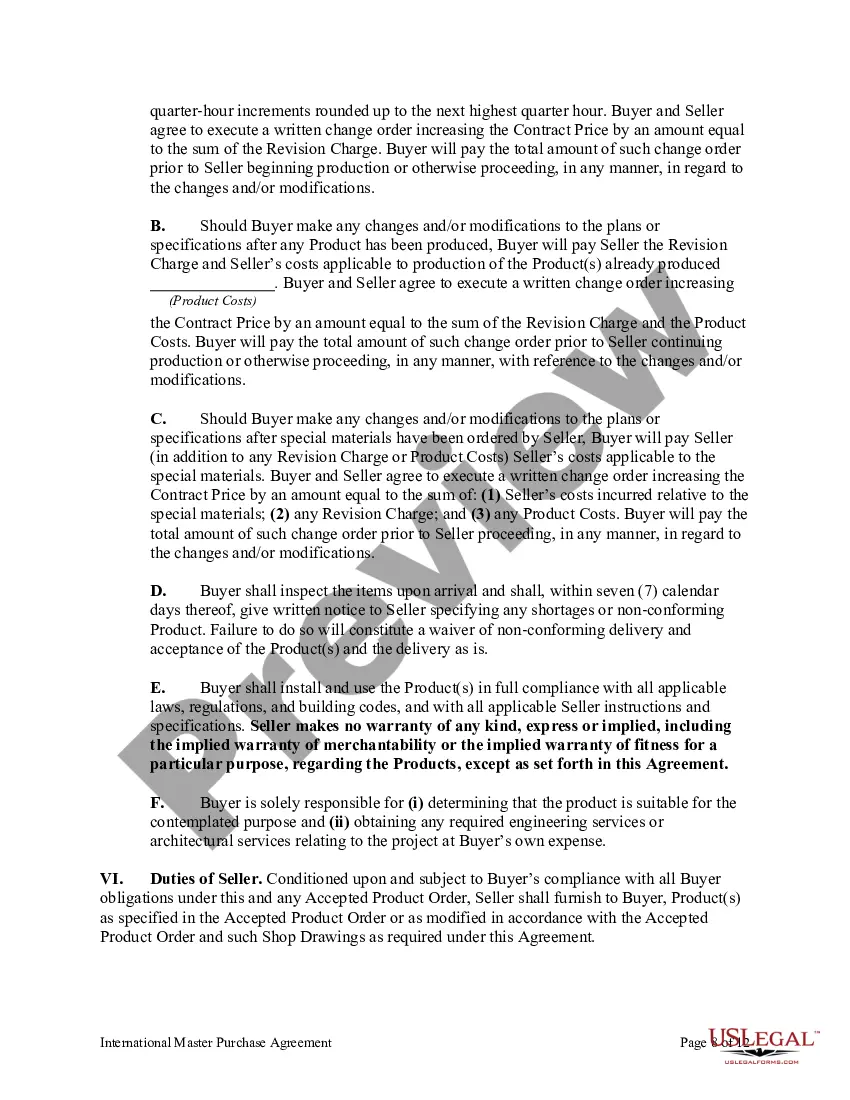
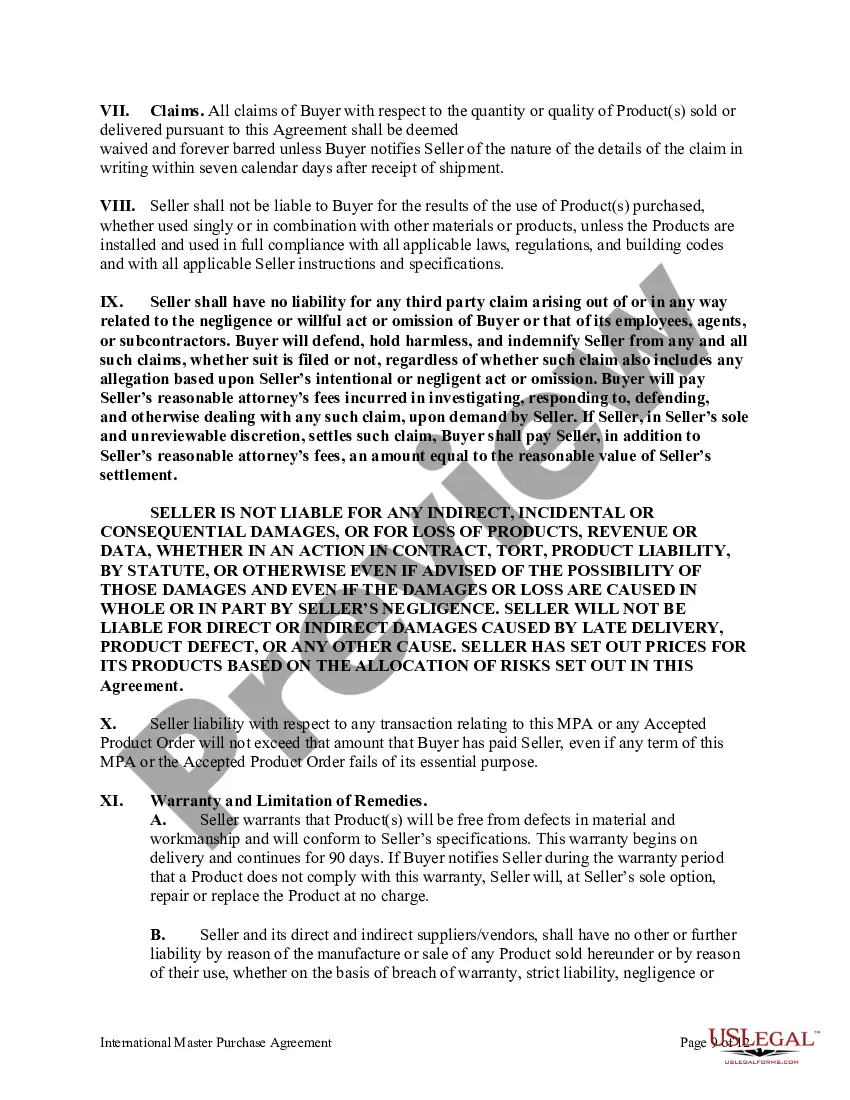
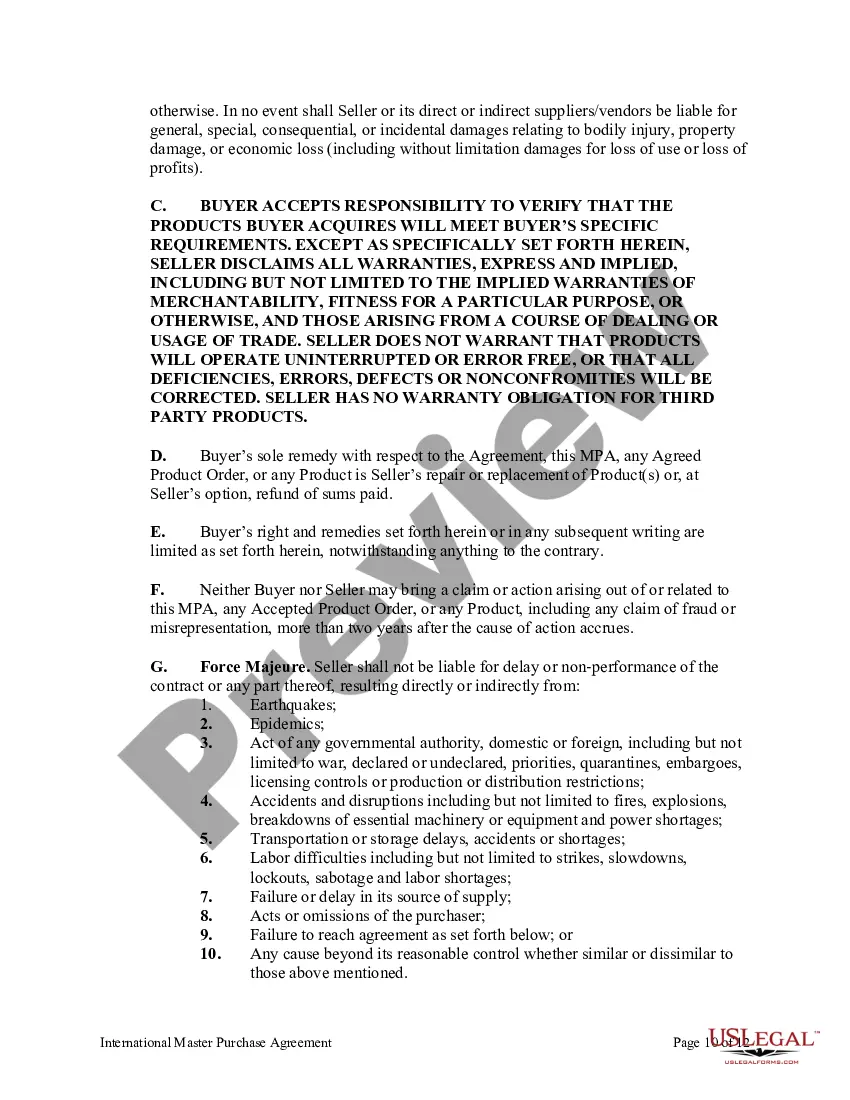

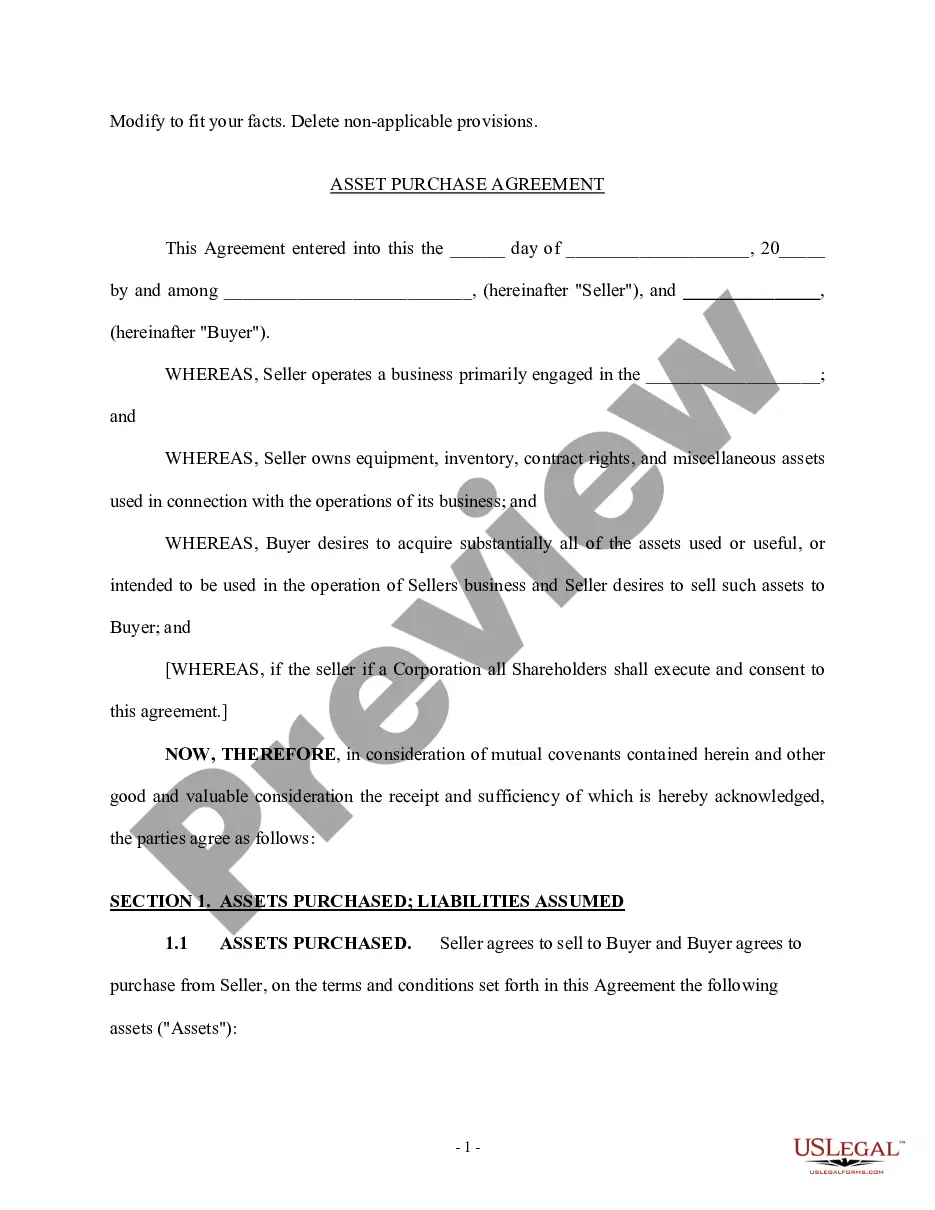
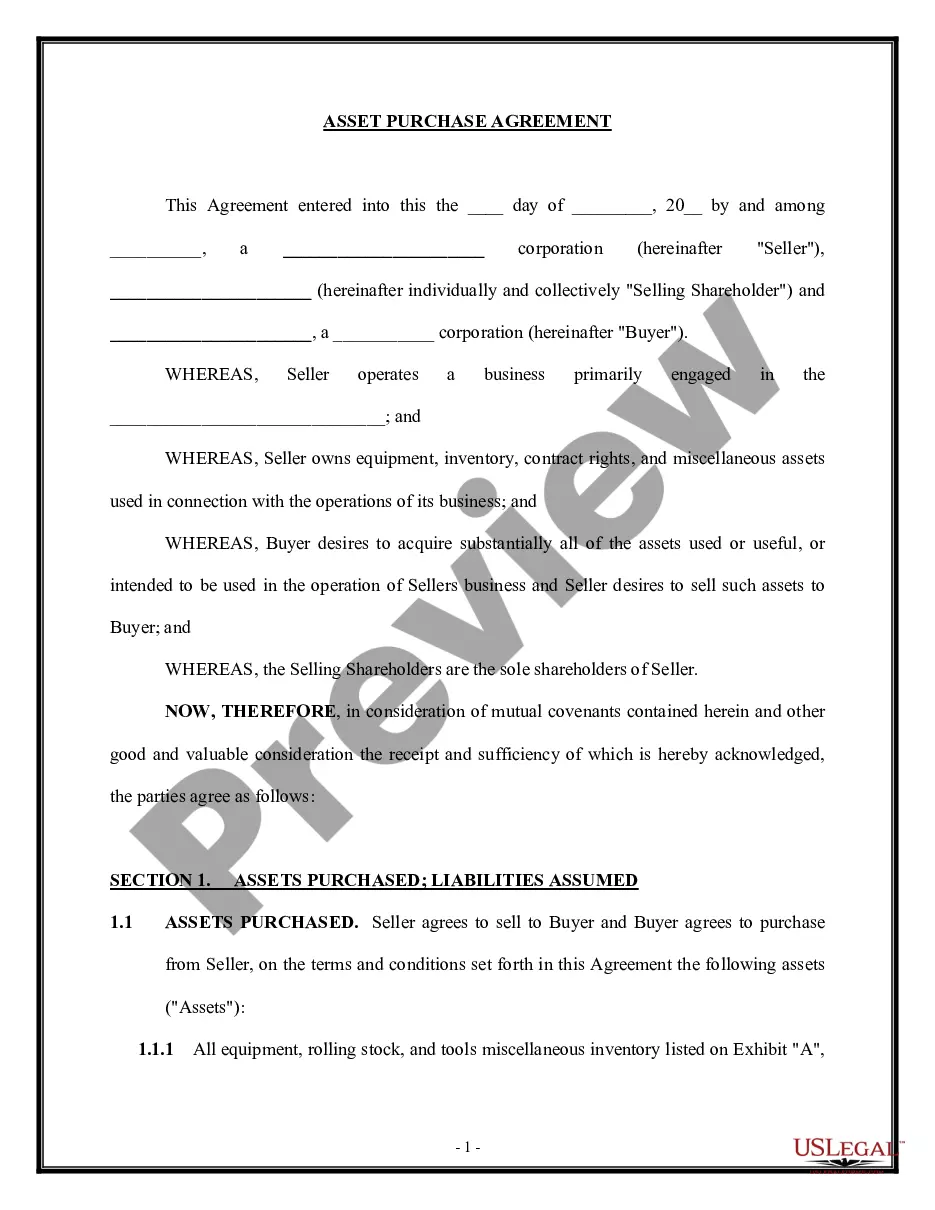
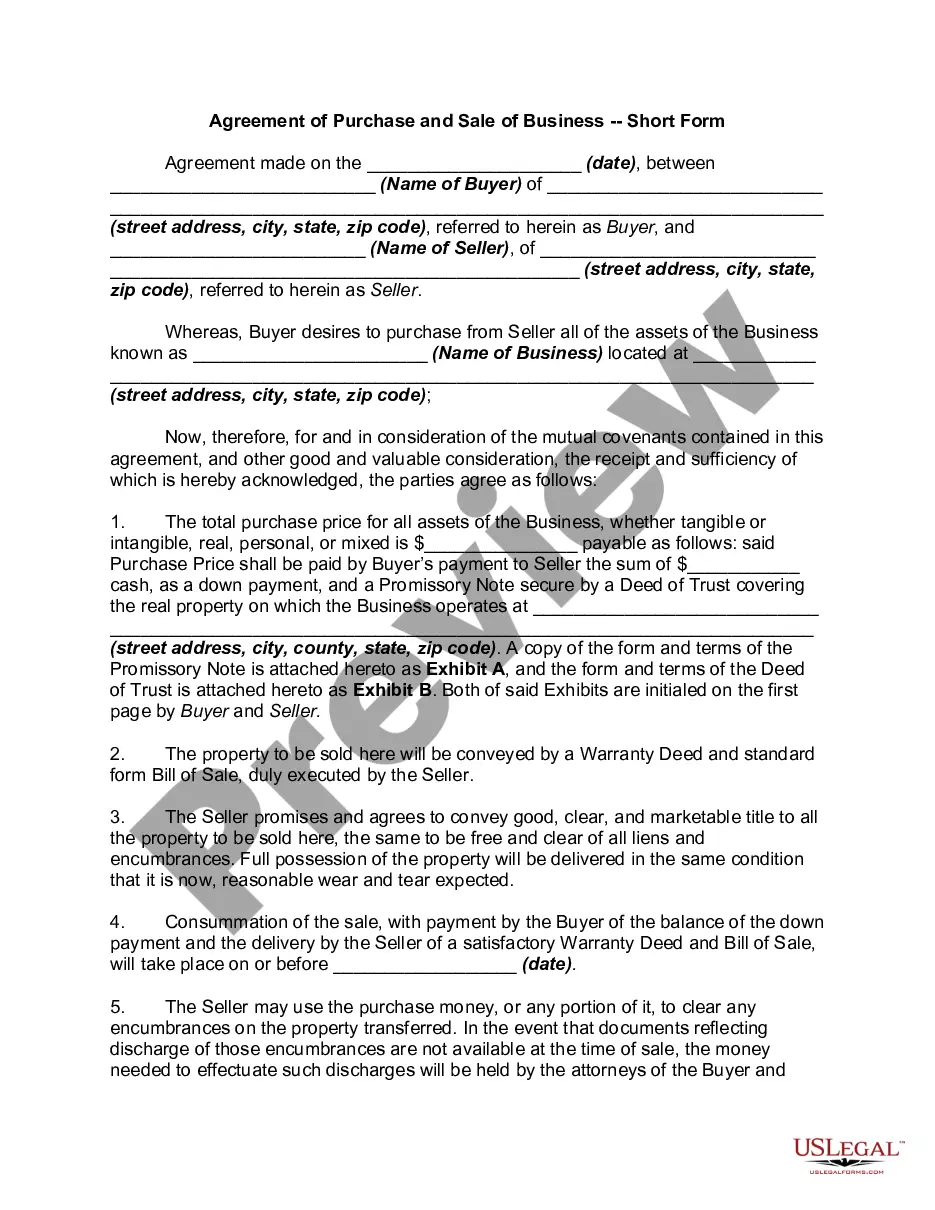
Get your form ready online
Our built-in tools help you complete, sign, share, and store your documents in one place.
Make edits, fill in missing information, and update formatting in US Legal Forms—just like you would in MS Word.
Download a copy, print it, send it by email, or mail it via USPS—whatever works best for your next step.
Sign and collect signatures with our SignNow integration. Send to multiple recipients, set reminders, and more. Go Premium to unlock E-Sign.
If this form requires notarization, complete it online through a secure video call—no need to meet a notary in person or wait for an appointment.
We protect your documents and personal data by following strict security and privacy standards.

Make edits, fill in missing information, and update formatting in US Legal Forms—just like you would in MS Word.

Download a copy, print it, send it by email, or mail it via USPS—whatever works best for your next step.

Sign and collect signatures with our SignNow integration. Send to multiple recipients, set reminders, and more. Go Premium to unlock E-Sign.

If this form requires notarization, complete it online through a secure video call—no need to meet a notary in person or wait for an appointment.

We protect your documents and personal data by following strict security and privacy standards.
Looking for another form?

Form popularity
FAQ
Most Collective Bargaining Agreements contain the following common elements: (1) a union recognition clause, (2) a management rights clause, (3) union rights provisions, (4) prohibitions on strikes and lockouts, (5) a union security clause, (6) nondiscrimination provisions, (7) grievance and arbitration procedures, (8) ...
Collective bargaining is not illegal. ing to the International Labour Organization (ILO), employers have the right to form unions to represent them and their interests and the right to collective bargaining.
North Carolina is one the few states in the country that prohibit the negotiation of collective bargaining agreements between public employers and employee unions. However, public employees still have the right to organize and join employee associations.
In very general terms, non-managerial employees who work for private-sector employers, including airlines and railways, and those employed by the federal government, and by state, county and local governments in many – but not all – states, may form and join labor unions.
Arizona has no major laws differing from the National Labor Relations Act regarding collective bargaining in private sector employment. Arizona does have a right to work law.
A collective agreement is therefore the outcome of a collective bargaining process. This could relate to various issues under negotiation, such as wages or other terms and conditions of employment. This must be in writing, contain the date on which it becomes effective and be signed by the parties.
The states that have laws against union membership as a condition of employment are Alabama, Arizona, Arkansas, Florida, Georgia, Idaho, Indiana, Iowa, Kansas, Kentucky, Louisiana, Michigan, Mississippi, Nebraska, Nevada, North Carolina, North Dakota, Oklahoma, South Carolina, South Dakota, Tennessee, Texas, Utah, ...
After Virginia repealed a similar law in 2020, North Carolina and South Carolina are now the last states in the country that expressly ban all public sector employees from collective bargaining.