Collective Agreement With In Nassau
Description


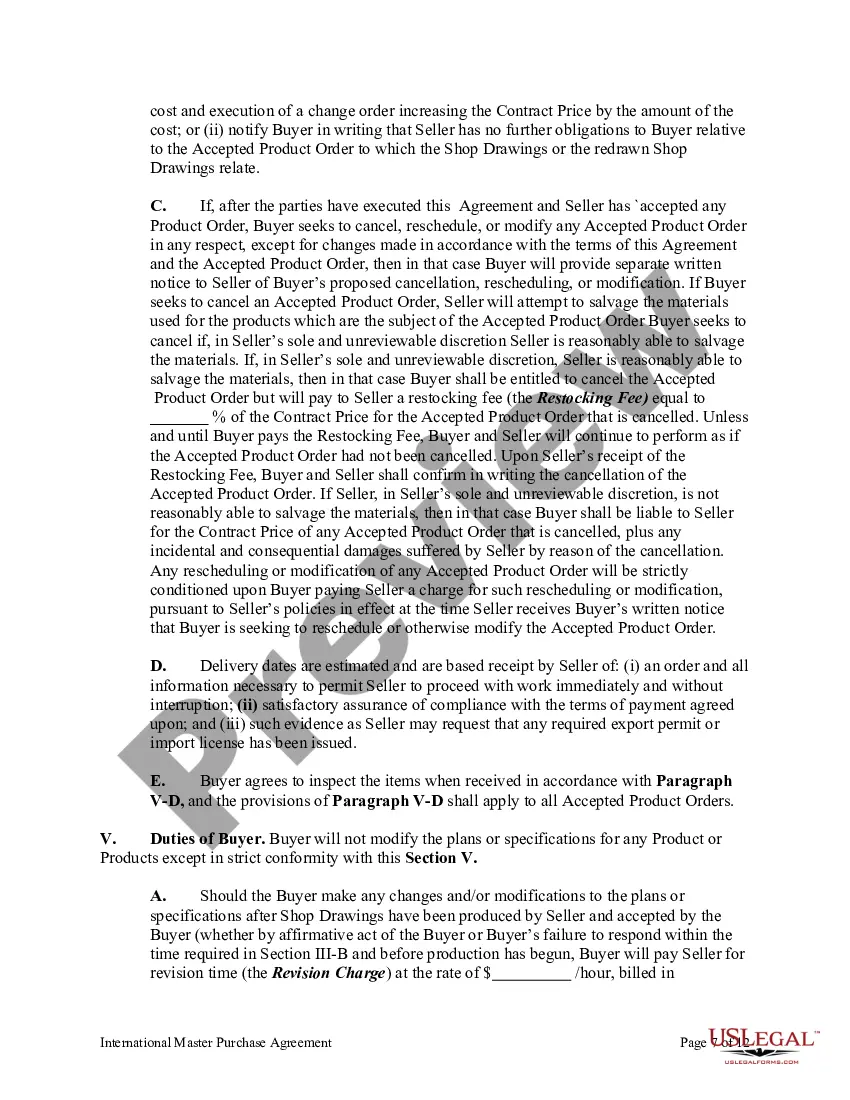
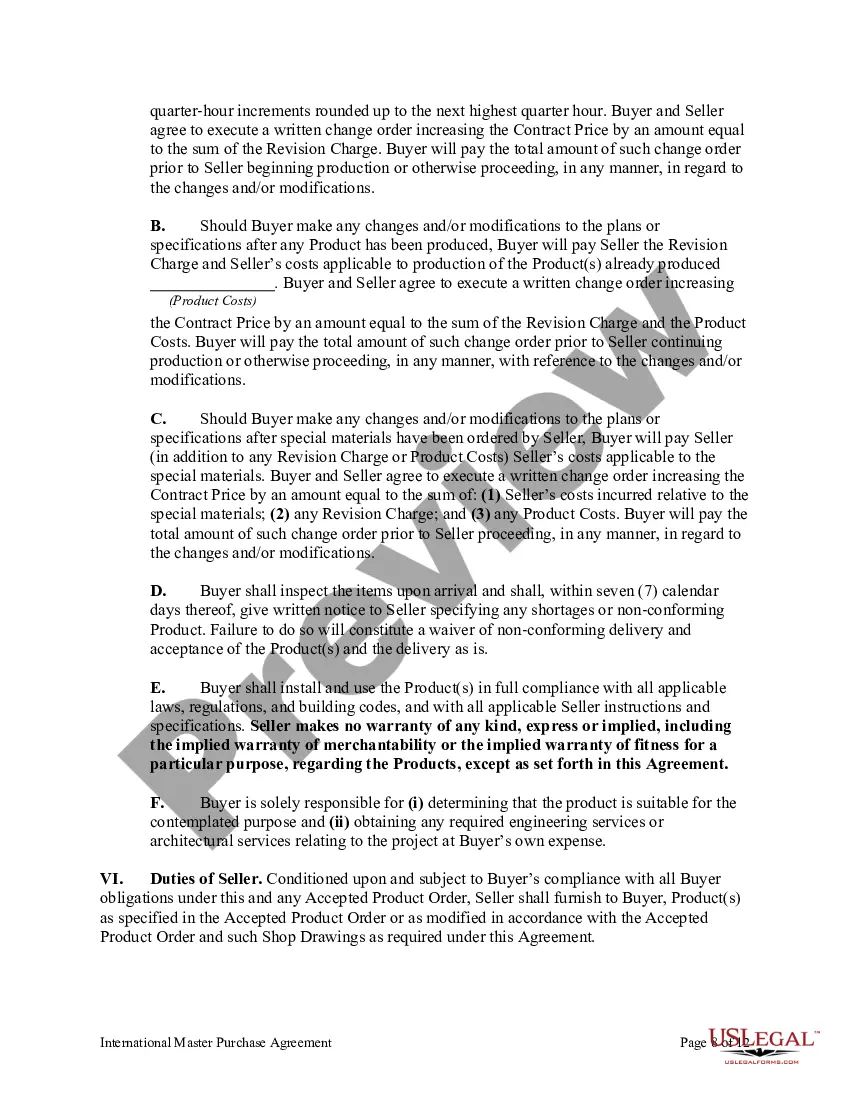
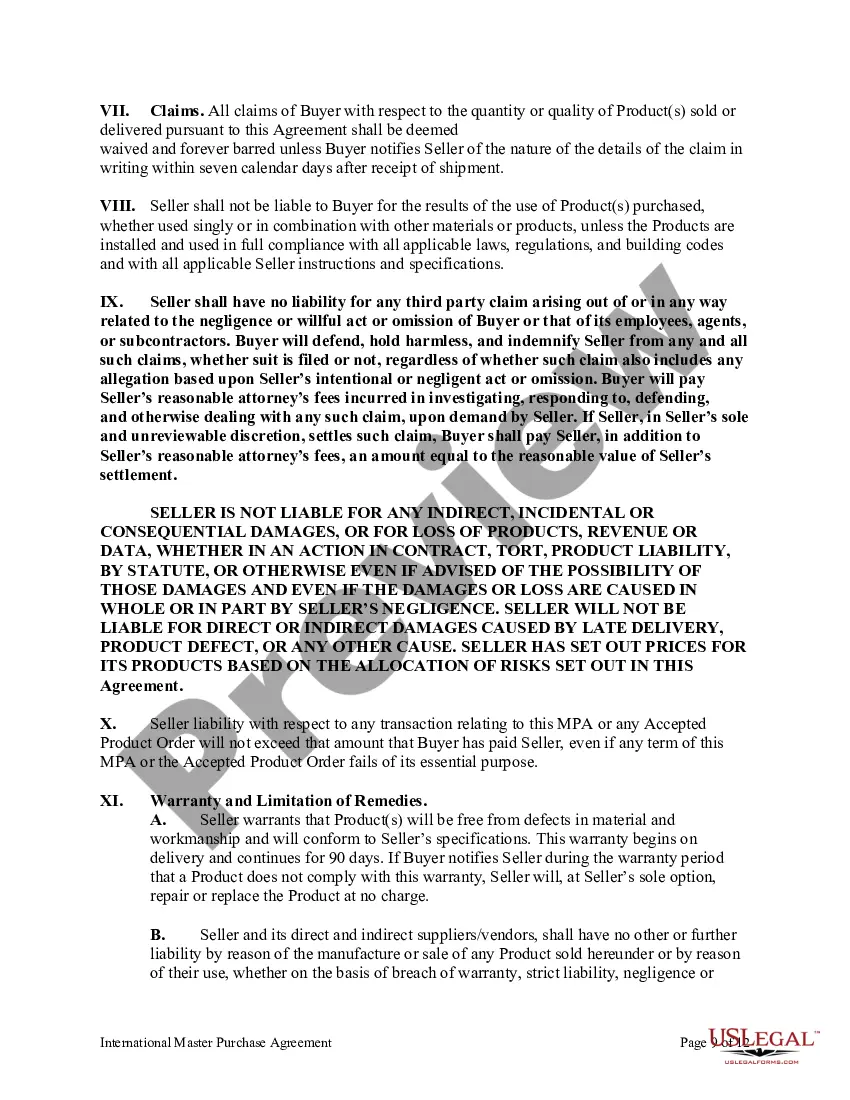
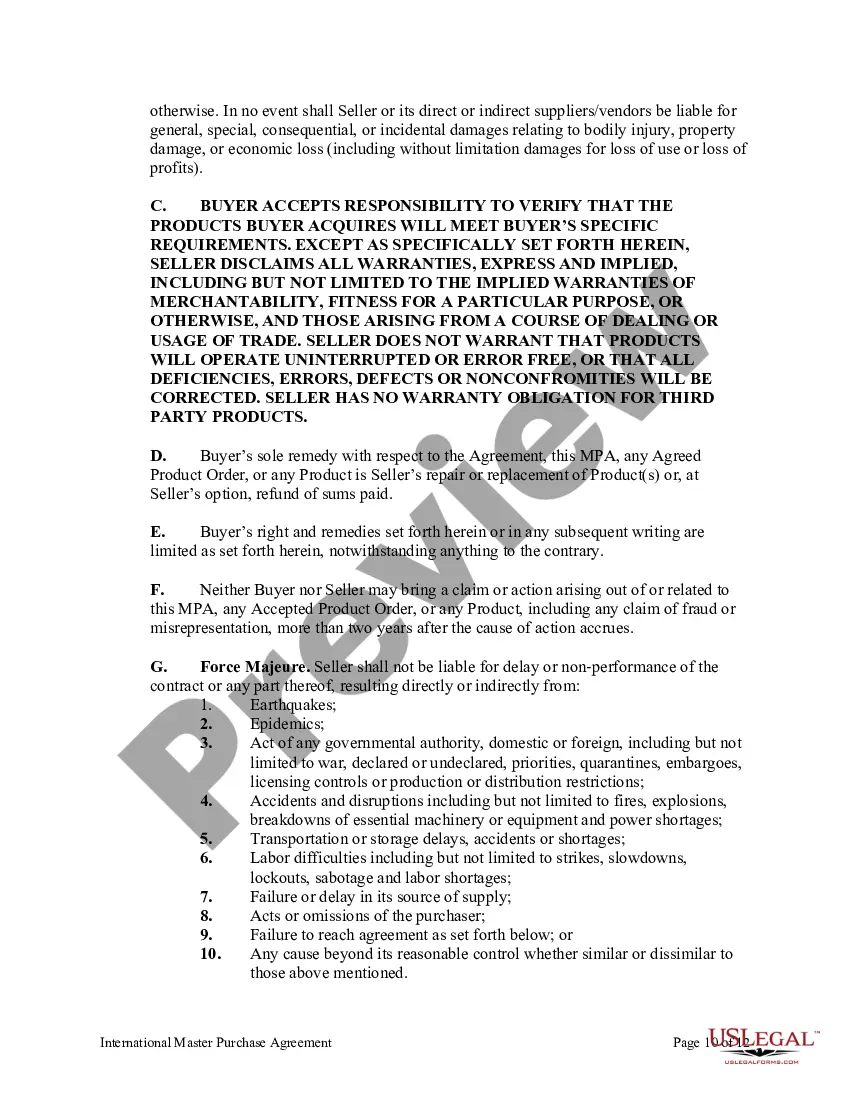



Get your form ready online
Our built-in tools help you complete, sign, share, and store your documents in one place.
Make edits, fill in missing information, and update formatting in US Legal Forms—just like you would in MS Word.
Download a copy, print it, send it by email, or mail it via USPS—whatever works best for your next step.
Sign and collect signatures with our SignNow integration. Send to multiple recipients, set reminders, and more. Go Premium to unlock E-Sign.
If this form requires notarization, complete it online through a secure video call—no need to meet a notary in person or wait for an appointment.
We protect your documents and personal data by following strict security and privacy standards.

Make edits, fill in missing information, and update formatting in US Legal Forms—just like you would in MS Word.

Download a copy, print it, send it by email, or mail it via USPS—whatever works best for your next step.

Sign and collect signatures with our SignNow integration. Send to multiple recipients, set reminders, and more. Go Premium to unlock E-Sign.

If this form requires notarization, complete it online through a secure video call—no need to meet a notary in person or wait for an appointment.

We protect your documents and personal data by following strict security and privacy standards.
Looking for another form?









Form popularity
FAQ
From this page, you can search for and view reports filed by unions, union officers and employees, employers, and labor relations consultants for the year 2000 and after. For help navigating the Online Public Disclosure Room, please contact OLMS at 202-693-0123 or olms-public@dol.
The Union Membership and Coverage Database, available at .unionstats, is an Internet data resource providing private and public sector labor union membership, coverage, and density estimates compiled from the monthly household Current Population Survey (CPS) using BLS methods.
Section 7 of the NLRA states that: “Employees shall have the right to self-organization, to form, join, or assist labor organizations, to bargain collectively through representatives of their own choosing, and to engage in other concerted activities for the purpose of collective bargaining or other mutual aid or ...
Under federal labor law, every member has a right to the contract they work under, as well as a copy of the IBT constitution and their local union bylaws. We suggest you send a letter (perhaps certified mail) to your local requesting your contract. You may want to have a number of co-workers sign on to the letter.
Most Collective Bargaining Agreements contain the following common elements: (1) a union recognition clause, (2) a management rights clause, (3) union rights provisions, (4) prohibitions on strikes and lockouts, (5) a union security clause, (6) nondiscrimination provisions, (7) grievance and arbitration procedures, (8) ...
Collective Bargaining Agreements File: Online Listings of Private and Public Sector Agreements. Collective bargaining agreements (CBAs) are available from the Office of Labor-Management Standards (OLMS) Online Public Disclosure Room.
A union contract or collective bargaining agreement (CBA) is a legally binding contract between the employees within the bargaining unit and the employer, arrived at through negotiations between the employer and the union, which sets forth the terms and conditions of employment (e.g., wages, working hours and ...
The National Labor Relations Act gives you the right to bargain collectively with your employer through a representative that you and your coworkers choose.
Collective bargaining is the negotiations process between the union (CSEA) and employer (District) that determines everything from wages and health benefits to hours and working conditions. The result of this process is a legally binding contract, which clearly describes our rights and benefits as employees.
Most Collective Bargaining Agreements contain the following common elements: (1) a union recognition clause, (2) a management rights clause, (3) union rights provisions, (4) prohibitions on strikes and lockouts, (5) a union security clause, (6) nondiscrimination provisions, (7) grievance and arbitration procedures, (8) ...
