Master Agreement In In Minnesota
Description





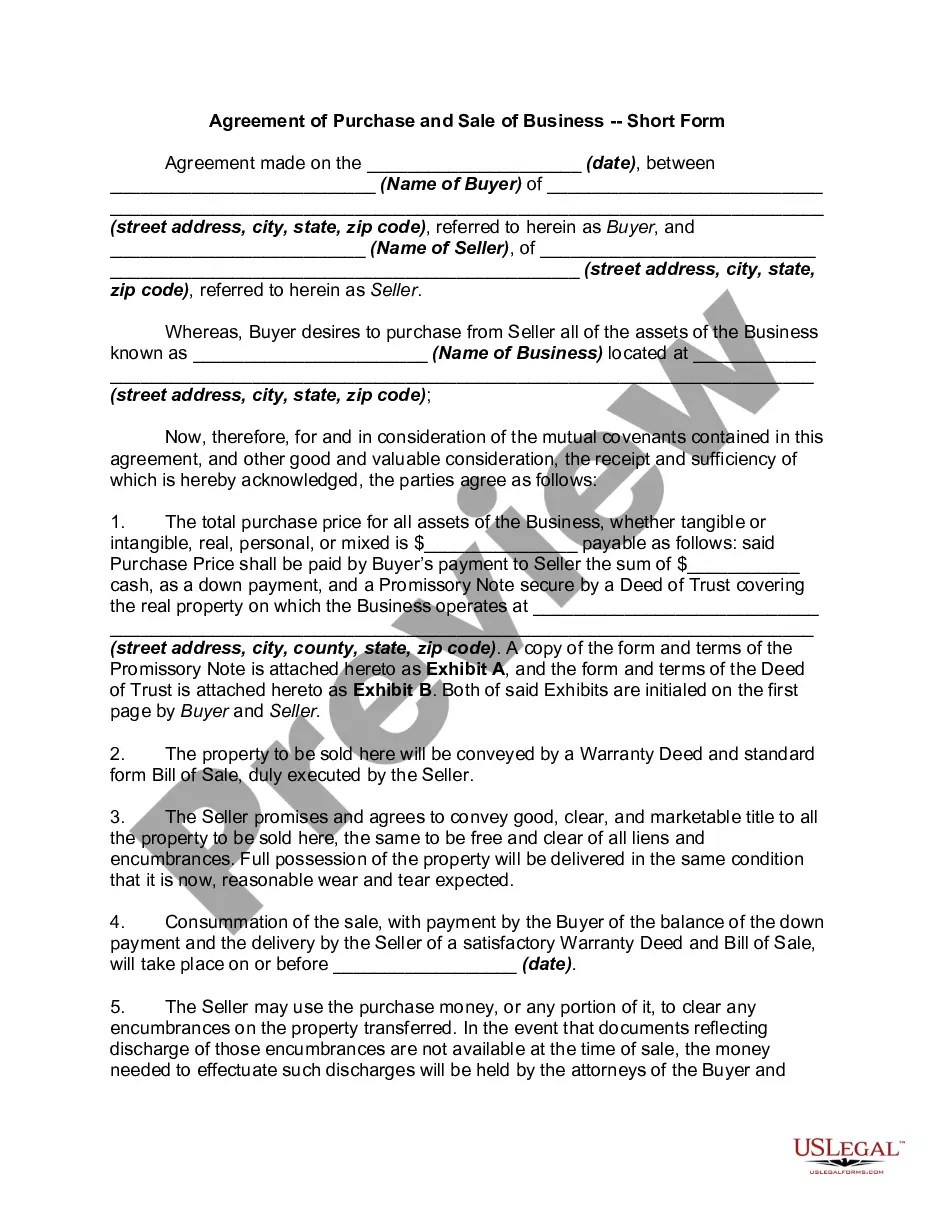
Get your form ready online
Our built-in tools help you complete, sign, share, and store your documents in one place.
Make edits, fill in missing information, and update formatting in US Legal Forms—just like you would in MS Word.
Download a copy, print it, send it by email, or mail it via USPS—whatever works best for your next step.
Sign and collect signatures with our SignNow integration. Send to multiple recipients, set reminders, and more. Go Premium to unlock E-Sign.
If this form requires notarization, complete it online through a secure video call—no need to meet a notary in person or wait for an appointment.
We protect your documents and personal data by following strict security and privacy standards.

Make edits, fill in missing information, and update formatting in US Legal Forms—just like you would in MS Word.

Download a copy, print it, send it by email, or mail it via USPS—whatever works best for your next step.

Sign and collect signatures with our SignNow integration. Send to multiple recipients, set reminders, and more. Go Premium to unlock E-Sign.

If this form requires notarization, complete it online through a secure video call—no need to meet a notary in person or wait for an appointment.

We protect your documents and personal data by following strict security and privacy standards.
Looking for another form?


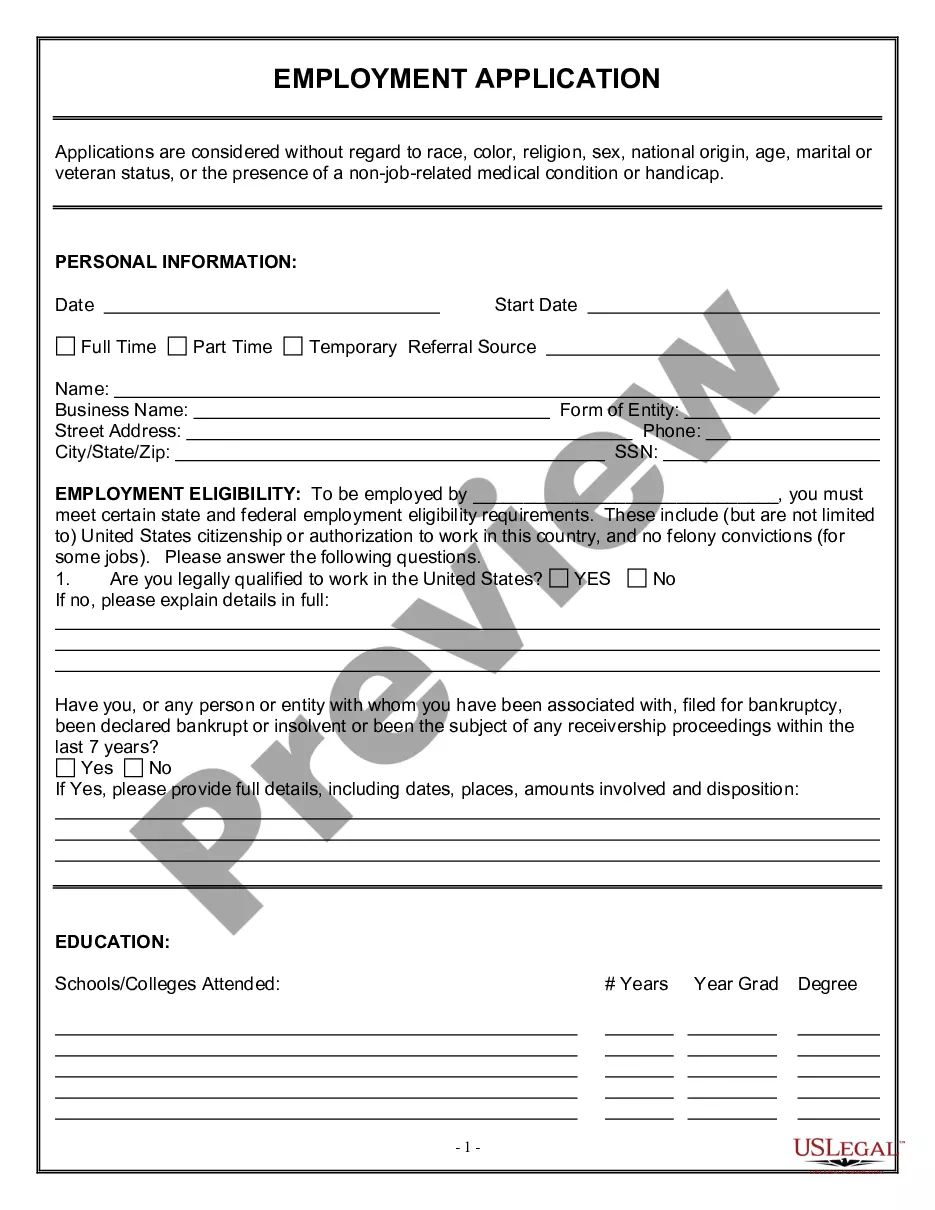







Form popularity
FAQ
Write the contract in six steps Start with a contract template. Open with the basic information. Describe in detail what you have agreed to. Include a description of how the contract will be ended. Write into the contract which laws apply and how disputes will be resolved. Include space for signatures.
Seller Property Tax Capital Gains Reporting & Benefits Additionally, any interest income you receive from your contract for deed buyer can be declared as ordinary income. You report your contract for deed installment sale income annually to the IRS.
Seller is responsible for recording the contract for deed. Seller also now has the burden for recording the contract for deed with a recorder of deeds office. Before August 1, the buyer was responsible to make this recording.
Specify governing law. Identify the working relationship. Clearly define the scope of work. Specify what benefits, if any, the contractor will receive. Assign intellectual property. Include confidentiality clauses. Include a termination clause.
A contract for deed means that instead of paying the seller all at once, you buy the house over a period of time, like 3-5 years. Some people think of contracts for deed as similar to a “rent-to-own” agreement.
Contracts address the specific details of a particular project, transaction, or engagement. Think of the master agreement as the foundation or umbrella under which contracts operate. It sets the general terms, while contracts focus on the specific details and scope of each individual project.
It is not uncommon for land contracts to go unrecorded. For several reasons, the buyer or seller may decide that the contract is not to be recorded in the register of deeds.
Writing Enforceable Contracts in Minnesota Verbal contracts are also valid under the law, though highly inadvisable in the business world.
A Master Service Agreement provides a legal framework that protects the interests of both parties. The agreement clearly outlines the rights and responsibilities of each party, which can be essential in case of disputes or litigation.
An MSA generally contains the following elements: Scope of work: ensures that both parties understand what work will be delivered. Confidentiality: protects intellectual property and other proprietary information from being disclosed. Geography: defines where the work will be performed.
