Master Agreement For Services In Los Angeles
Description





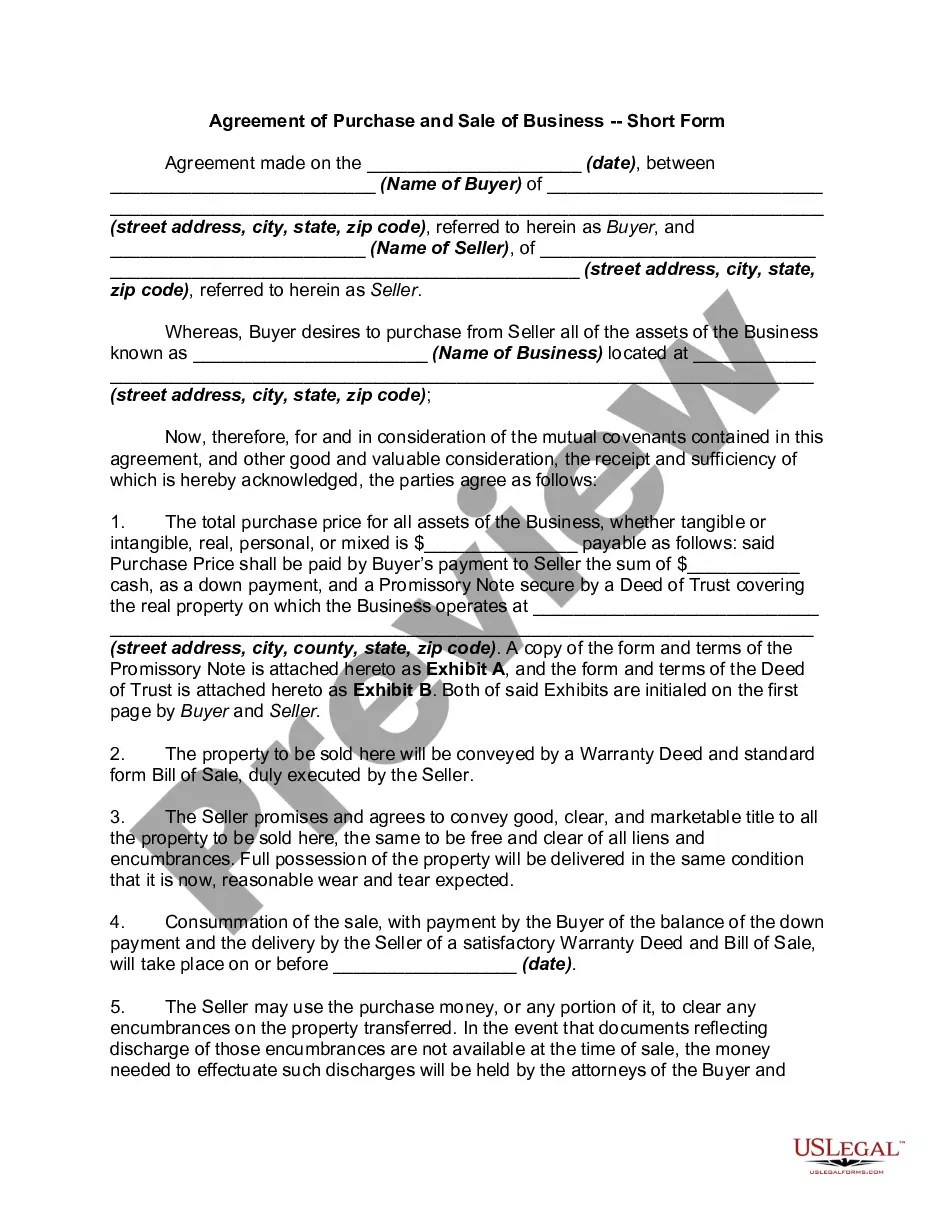
Get your form ready online
Our built-in tools help you complete, sign, share, and store your documents in one place.
Make edits, fill in missing information, and update formatting in US Legal Forms—just like you would in MS Word.
Download a copy, print it, send it by email, or mail it via USPS—whatever works best for your next step.
Sign and collect signatures with our SignNow integration. Send to multiple recipients, set reminders, and more. Go Premium to unlock E-Sign.
If this form requires notarization, complete it online through a secure video call—no need to meet a notary in person or wait for an appointment.
We protect your documents and personal data by following strict security and privacy standards.

Make edits, fill in missing information, and update formatting in US Legal Forms—just like you would in MS Word.

Download a copy, print it, send it by email, or mail it via USPS—whatever works best for your next step.

Sign and collect signatures with our SignNow integration. Send to multiple recipients, set reminders, and more. Go Premium to unlock E-Sign.

If this form requires notarization, complete it online through a secure video call—no need to meet a notary in person or wait for an appointment.

We protect your documents and personal data by following strict security and privacy standards.
Looking for another form?








Form popularity
FAQ
A customer service-level agreement is between a service provider and its external or internal customers. It is sometimes called an external service agreement. In a customer-based SLA, the customer and service provider come to a negotiated agreement on the services that will be provided.
Service Agreements can be made between individuals, a business and an individual, or between two or more businesses. Having a Service Agreement in place is equally as important for service providers as for the receivers of services.
MSAs are contracts that formulate the basic terms between vendors and clients at the beginning of a business relationship. This initial agreement helps to speed up the negotiation process for future contracts and facilities the project management process, resulting in a more efficient and streamlined process.
How do I write a Service Agreement? State how long the services are needed. Include the state where the work is taking place. Provide the contractor's and client's information. Describe the service being provided. Outline the compensation. State the agreement's terms. Include any additional clauses.
If you are a business that enters into multiple Master Service Agreements per year, it is to your advantage to work with a business lawyer to prepare your own Master Service Agreement template and related Statements of Work for consistency, risk mitigation and control purposes.
An MSA, or Master Service Agreement, is a comprehensive contract between two parties that outlines the general terms and conditions governing their business relationship. It serves as a foundation for future transactions or agreements. Its primary purpose is to speed up and simplify future agreements between parties.
Understanding these key differences allows businesses to leverage both SLAs and MSAs effectively. MSAs provide a robust foundation for long-term collaboration, while SLAs ensure that specific service delivery meets agreed-upon performance benchmarks.
At its most basic, an MSA is a contract between two or more parties that establishes what terms and conditions will govern all current and future activities and responsibilities. MSAs are useful because they allow the parties to plan for the future while also speeding the ratification of future agreements.
An MSA lays the legal framework for a business relationship, especially if it's a long-term partnership or delivery of an ongoing service. An SOW contract deals with a specific transaction.
Governing area: An MSA is an umbrella that covers the entire client-vendor relationship. It establishes the overarching principles governing all interactions, projects, and services provided by the vendor throughout the partnership. In contrast, an SLA zooms in on a specific service within that relationship.
