Collective Agreement For Teachers In Franklin
Description





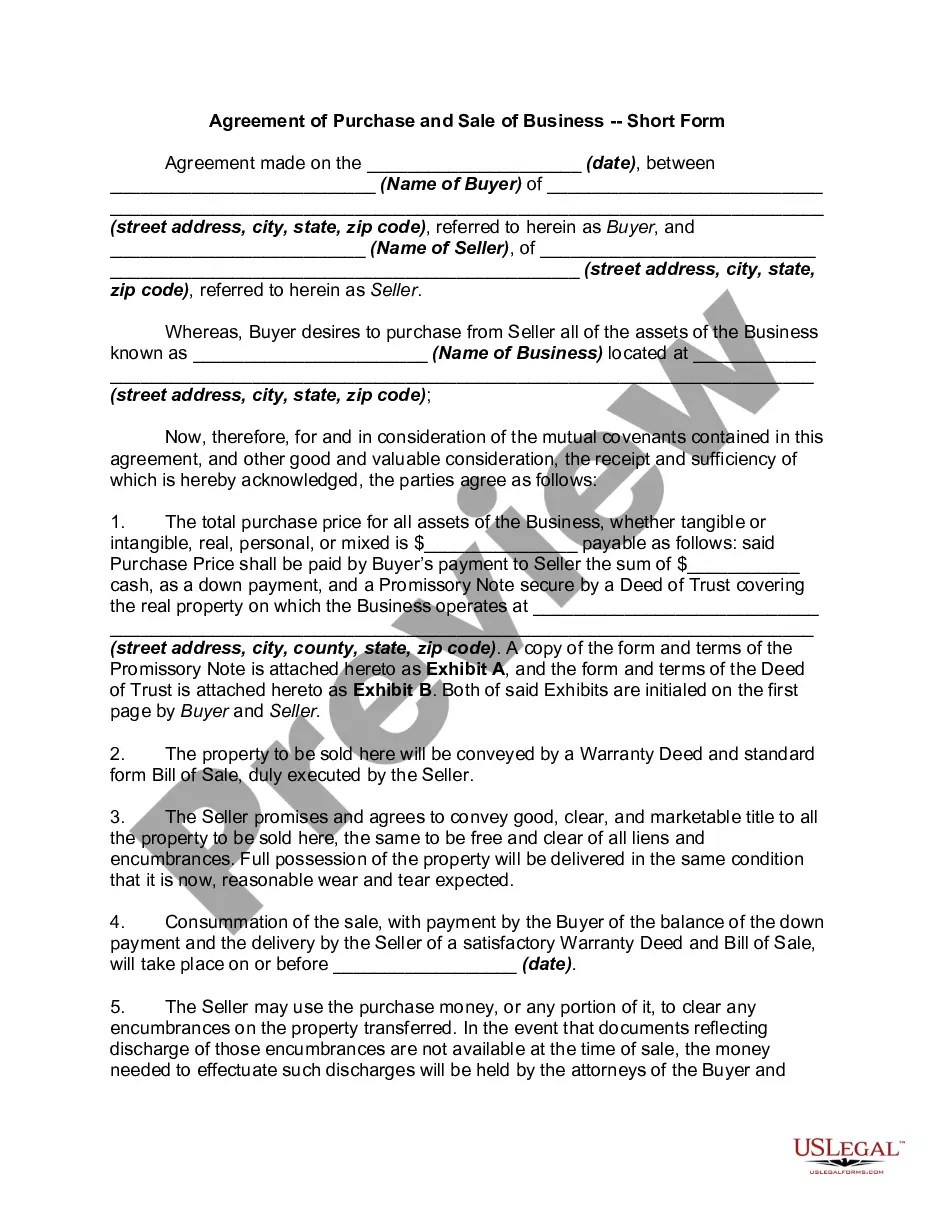
Get your form ready online
Our built-in tools help you complete, sign, share, and store your documents in one place.
Make edits, fill in missing information, and update formatting in US Legal Forms—just like you would in MS Word.
Download a copy, print it, send it by email, or mail it via USPS—whatever works best for your next step.
Sign and collect signatures with our SignNow integration. Send to multiple recipients, set reminders, and more. Go Premium to unlock E-Sign.
If this form requires notarization, complete it online through a secure video call—no need to meet a notary in person or wait for an appointment.
We protect your documents and personal data by following strict security and privacy standards.

Make edits, fill in missing information, and update formatting in US Legal Forms—just like you would in MS Word.

Download a copy, print it, send it by email, or mail it via USPS—whatever works best for your next step.

Sign and collect signatures with our SignNow integration. Send to multiple recipients, set reminders, and more. Go Premium to unlock E-Sign.

If this form requires notarization, complete it online through a secure video call—no need to meet a notary in person or wait for an appointment.

We protect your documents and personal data by following strict security and privacy standards.
Looking for another form?








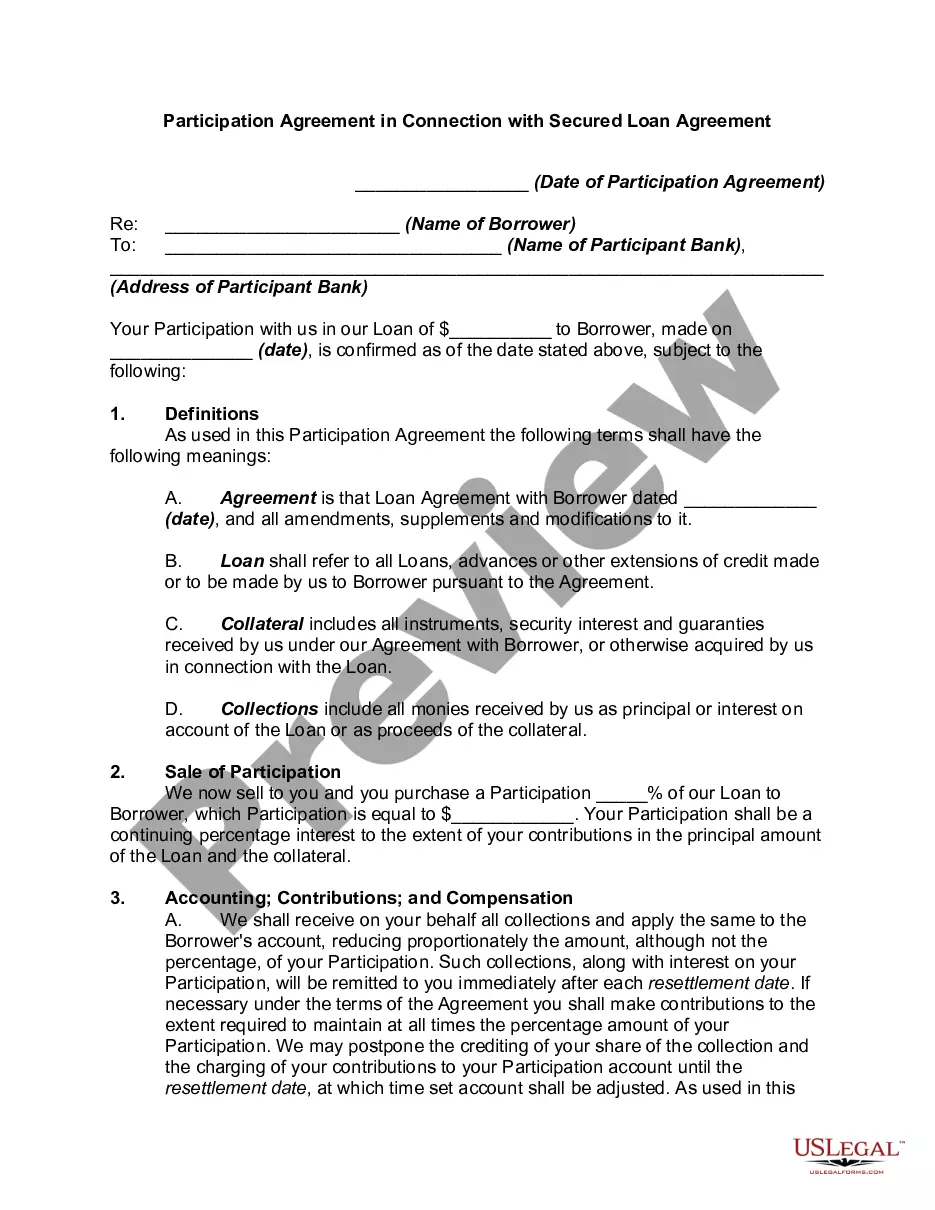

Form popularity
FAQ
Only 35 states, plus the District of Columbia, guarantee K–12 teachers some right to organize and collectively bargain. In the other six states (Georgia, Mississippi, North Carolina, South Carolina, Texas, and most recently, Arkansas), public-employee collective bargaining is expressly prohibited by law.
Teaching contracts consist of four different components to be considered legally valid: Offer: A proposal or statement made by one party (the offeror) to the other party (the offeree) expressing a willingness to enter into a contract. Acceptance: The agreement by the offeree to the terms of the offer.
- Unions provide professional development opportunities, training, and resources to help teachers improve their skills and effectiveness. Job Protection: - Unions help protect teachers from arbitrary dismissal and ensure due process in disciplinary actions, fostering a more secure work environment.
The kinds of terms and conditions covered by a collective agreement typically include wages and benefits, as well as terms and conditions of employment that relate to e.g., job postings; obligations and responsibilities of the employer, the employee and the union; and a dispute resolution process (usually a grievance ...
With collective bargaining, educators advocate not only for their working conditions, but also for student learning conditions. We lift our voice for fair compensation and benefits, and also for: Smaller class sizes. Less testing and more time for learning.
Thank you for your reply. You need to find the termination clause. Generally, a license would be lost if you abandon your post. Typically, if you are out on break they will not revoke your license, but the school can sue you for breach of contract and for the costs they incur in getting another teacher to replace you.
Most Collective Bargaining Agreements contain the following common elements: (1) a union recognition clause, (2) a management rights clause, (3) union rights provisions, (4) prohibitions on strikes and lockouts, (5) a union security clause, (6) nondiscrimination provisions, (7) grievance and arbitration procedures, (8) ...
(This is more than most full-time employees.) Of course, I realize that many people with 40-hour-a-week jobs take work home or work more than their 40 hours. But remember, again, that teachers' contracts aren't actually for 12 months a year. Contracts are usually for 39 weeks, or around 180 days.
Contract teaching is one way to renew interest and add excitement to a unit or program. Students are motivated by the personal attention in smaller teaching situations, the opportunity for independent practice, and a method for establishing goals and tracking their own progress.
