Collective Agreement With Union In Florida
Description





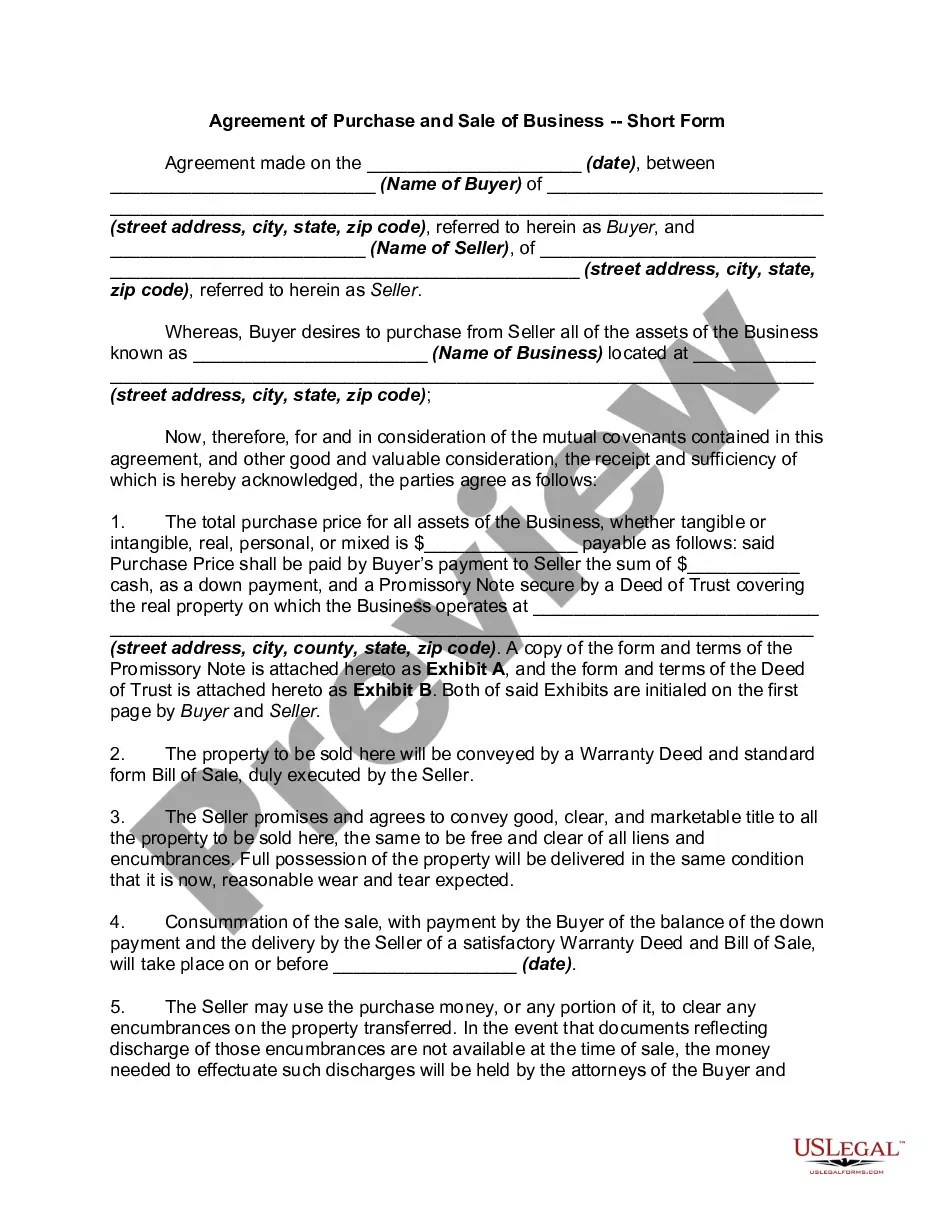
Get your form ready online
Our built-in tools help you complete, sign, share, and store your documents in one place.
Make edits, fill in missing information, and update formatting in US Legal Forms—just like you would in MS Word.
Download a copy, print it, send it by email, or mail it via USPS—whatever works best for your next step.
Sign and collect signatures with our SignNow integration. Send to multiple recipients, set reminders, and more. Go Premium to unlock E-Sign.
If this form requires notarization, complete it online through a secure video call—no need to meet a notary in person or wait for an appointment.
We protect your documents and personal data by following strict security and privacy standards.

Make edits, fill in missing information, and update formatting in US Legal Forms—just like you would in MS Word.

Download a copy, print it, send it by email, or mail it via USPS—whatever works best for your next step.

Sign and collect signatures with our SignNow integration. Send to multiple recipients, set reminders, and more. Go Premium to unlock E-Sign.

If this form requires notarization, complete it online through a secure video call—no need to meet a notary in person or wait for an appointment.

We protect your documents and personal data by following strict security and privacy standards.
Looking for another form?


Form popularity
FAQ
How To Start a Union At Your Workplace in 7 Steps Step 1: Talk to Your Coworkers. A union is when workers join together to improve their jobs. Step 2: Talk to a Union Organizer. Step 3: Start a Committee. Step 4: Know Your Rights. Step 5: Sign Union Support Cards. Step 6: Vote! ... Step 7: Negotiate Your Contract.
Collective bargaining for state employees in Florida is provided by the Florida Constitution and is governed by the provisions of Chapter 447, Florida Statutes.
Senate Bill 256, passed in 2023, required public labor unions in Florida to have at least 60% of members paying dues in order for a union to be recognized by state law.
Collective bargaining for state employees in Florida is provided by the Florida Constitution and is governed by the provisions of Chapter 447, Florida Statutes.
The kinds of terms and conditions covered by a collective agreement typically include wages and benefits, as well as terms and conditions of employment that relate to e.g., job postings; obligations and responsibilities of the employer, the employee and the union; and a dispute resolution process (usually a grievance ...
Mandatory subjects are those that directly impact – wages, hours or working conditions (or terms and conditions of employment). These are subjects over which the parties must bargain if a proposal is made by either party.
Decide on time and place of negotiation. Know the law and file the appropriate notices. Get familiar with previous negotiations at your company or within the union or industry. Assess the strengths and weaknesses of the current contract (or similar contracts, if no information on the current contract is given).
