Collective Agreement For Psac In Allegheny
Description





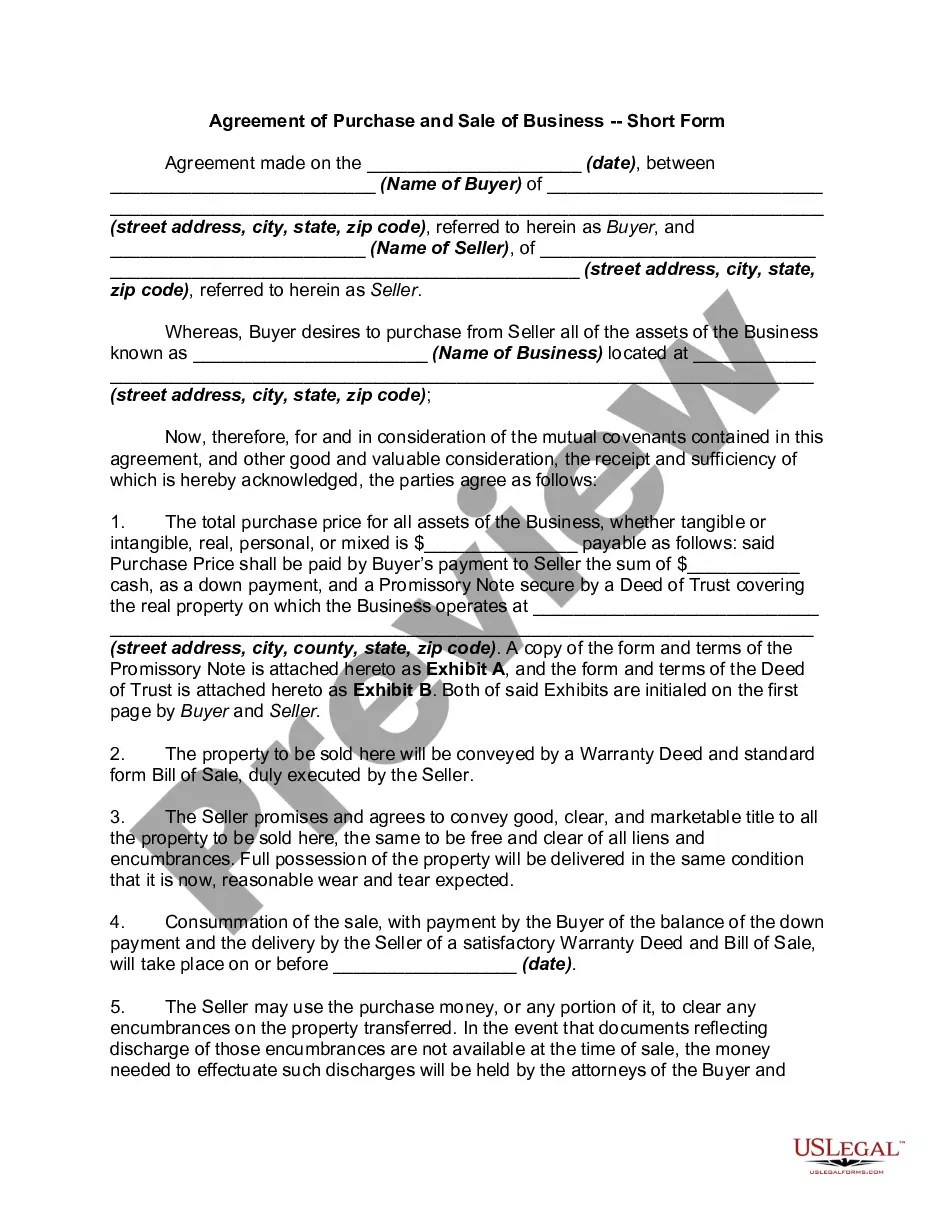
Get your form ready online
Our built-in tools help you complete, sign, share, and store your documents in one place.
Make edits, fill in missing information, and update formatting in US Legal Forms—just like you would in MS Word.
Download a copy, print it, send it by email, or mail it via USPS—whatever works best for your next step.
Sign and collect signatures with our SignNow integration. Send to multiple recipients, set reminders, and more. Go Premium to unlock E-Sign.
If this form requires notarization, complete it online through a secure video call—no need to meet a notary in person or wait for an appointment.
We protect your documents and personal data by following strict security and privacy standards.

Make edits, fill in missing information, and update formatting in US Legal Forms—just like you would in MS Word.

Download a copy, print it, send it by email, or mail it via USPS—whatever works best for your next step.

Sign and collect signatures with our SignNow integration. Send to multiple recipients, set reminders, and more. Go Premium to unlock E-Sign.

If this form requires notarization, complete it online through a secure video call—no need to meet a notary in person or wait for an appointment.

We protect your documents and personal data by following strict security and privacy standards.
Looking for another form?







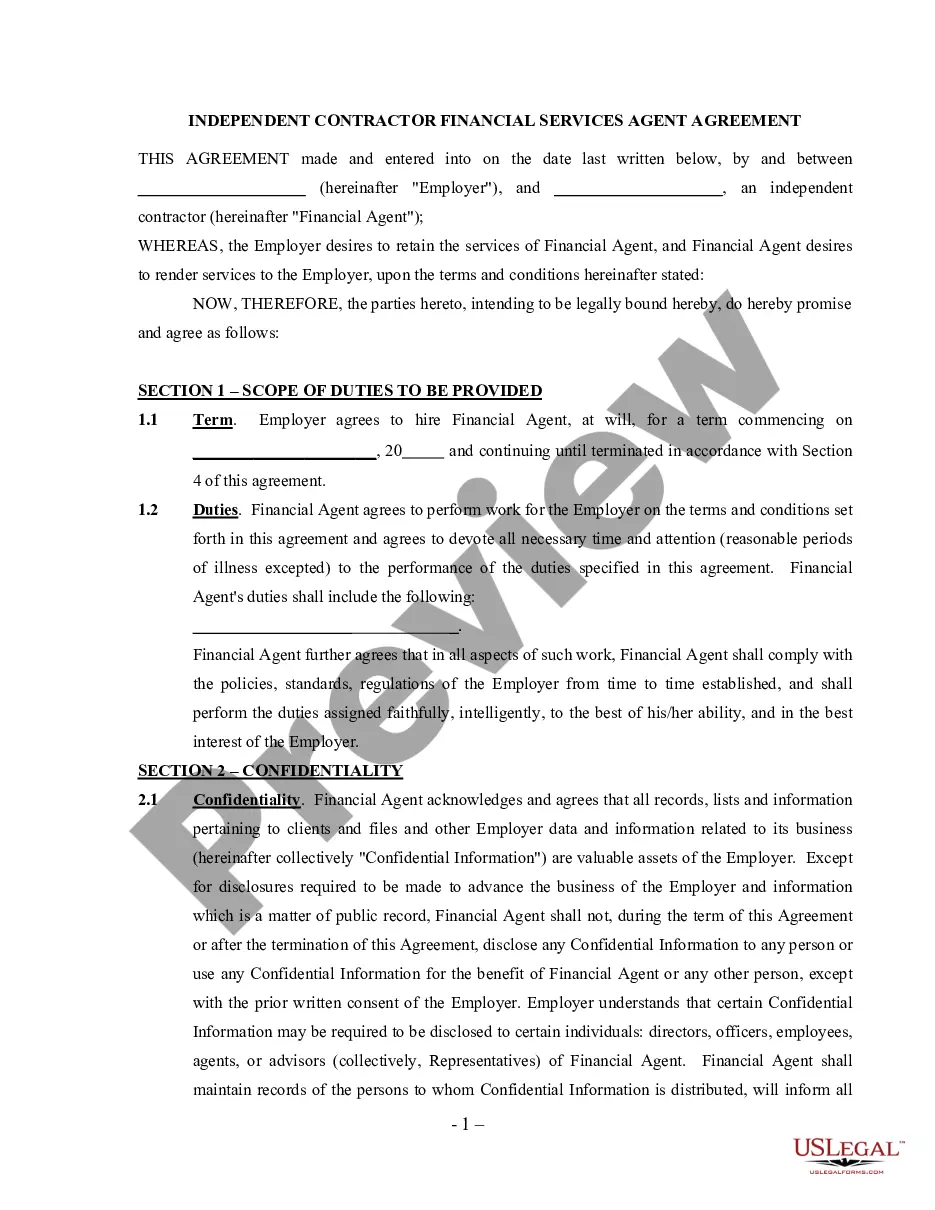


Form popularity
FAQ
Collective bargaining agreements (CBAs) are available from the Office of Labor-Management Standards (OLMS) Online Public Disclosure Room.
Most Collective Bargaining Agreements contain the following common elements: (1) a union recognition clause, (2) a management rights clause, (3) union rights provisions, (4) prohibitions on strikes and lockouts, (5) a union security clause, (6) nondiscrimination provisions, (7) grievance and arbitration procedures, (8) ...
The 5 Stages of Collective Bargaining Preparing for bargaining. Conducting negotiations. Ratifying the contract. Resolving a contract dispute. Changing or clarifying the contract.
The 5 Stages of Collective Bargaining Preparing for bargaining. Conducting negotiations. Ratifying the contract. Resolving a contract dispute. Changing or clarifying the contract.
Establishing the objectives of both parties Identify the interests of the employer and the union. Clarify what each party wants to achieve through collective bargaining. Compile a list of the priorities of each party. Listen to both parties and develop an understanding of their needs.
Section 7 of the NLRA states that: “Employees shall have the right to self-organization, to form, join, or assist labor organizations, to bargain collectively through representatives of their own choosing, and to engage in other concerted activities for the purpose of collective bargaining or other mutual aid or ...
A collective bargaining agreement (CBA), also known as a union contract, is a written legal contract between an employer and a union representing employees. This agreement results from an extensive negotiation process covering essential topics such as wages, work hours and employment conditions.
The new agreement secures wage increases that exceed recent increases to other Canadian law enforcement agencies, enhanced protections relative to technological changes, and better provisions for shift scheduling and leave. The four-year collective agreement expires on June 20, 2026.
The Government of Canada has approved the tentative agreement for the Border Services Group. The Government of Canada has approved the tentative agreement for the Border Services Group. The agreement will apply to approximately 11,000 employees at the Canada Border Services Agency.
Collective Bargaining Agreements File: Online Listings of Private and Public Sector Agreements. Collective bargaining agreements (CBAs) are available from the Office of Labor-Management Standards (OLMS) Online Public Disclosure Room.
