Termination Of Contract For Service In Wayne
Description
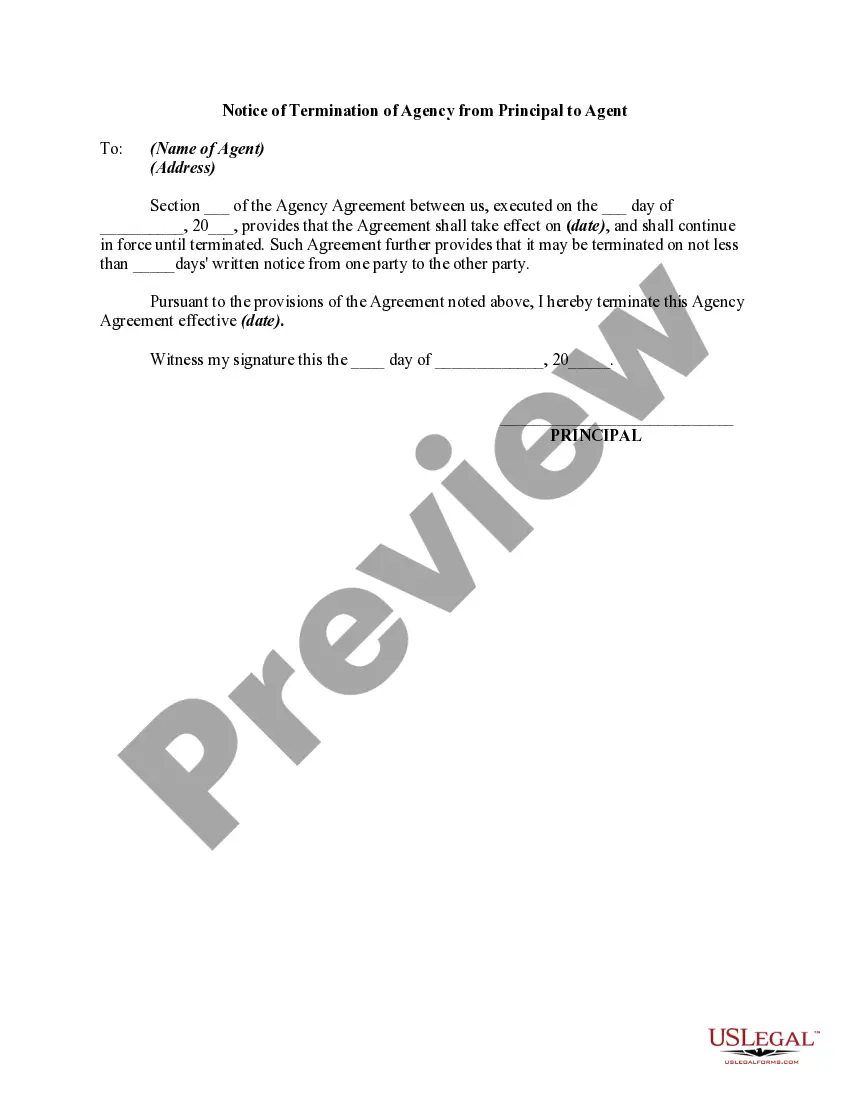
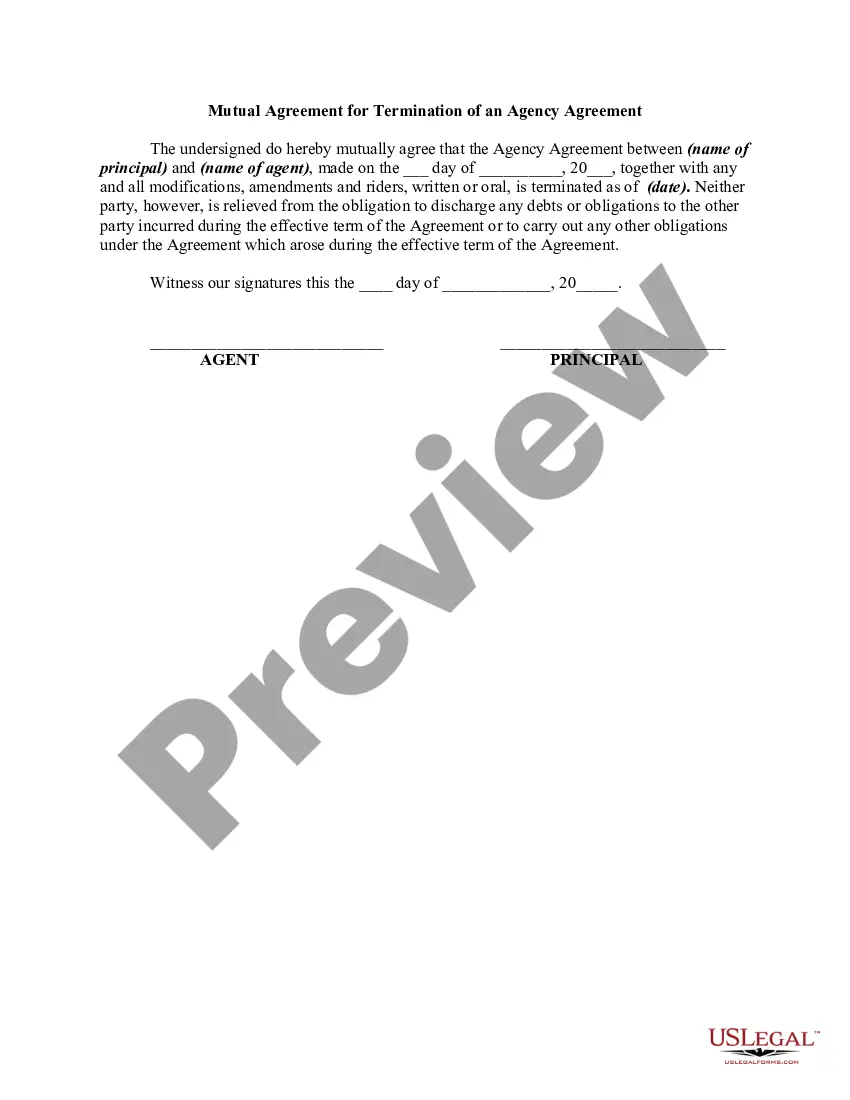
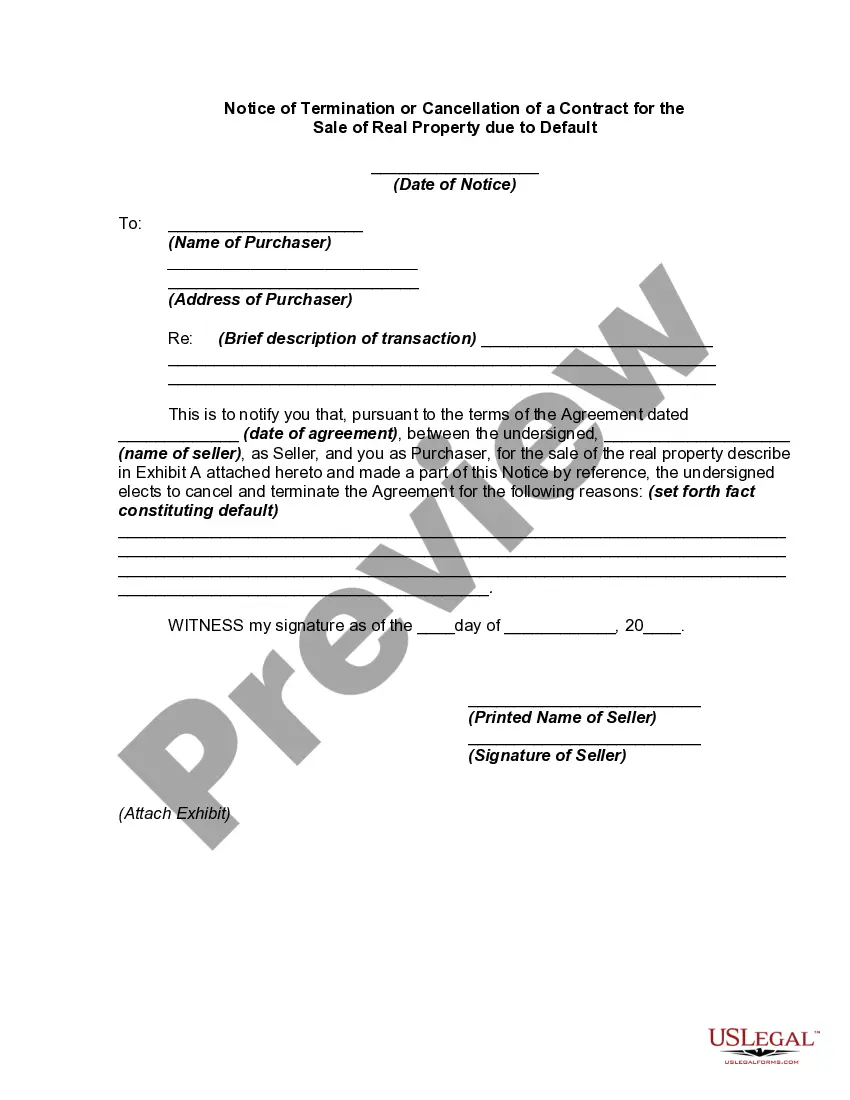

Get your form ready online
Our built-in tools help you complete, sign, share, and store your documents in one place.
Make edits, fill in missing information, and update formatting in US Legal Forms—just like you would in MS Word.
Download a copy, print it, send it by email, or mail it via USPS—whatever works best for your next step.
Sign and collect signatures with our SignNow integration. Send to multiple recipients, set reminders, and more. Go Premium to unlock E-Sign.
If this form requires notarization, complete it online through a secure video call—no need to meet a notary in person or wait for an appointment.
We protect your documents and personal data by following strict security and privacy standards.

Make edits, fill in missing information, and update formatting in US Legal Forms—just like you would in MS Word.

Download a copy, print it, send it by email, or mail it via USPS—whatever works best for your next step.

Sign and collect signatures with our SignNow integration. Send to multiple recipients, set reminders, and more. Go Premium to unlock E-Sign.

If this form requires notarization, complete it online through a secure video call—no need to meet a notary in person or wait for an appointment.

We protect your documents and personal data by following strict security and privacy standards.
Looking for another form?










Form popularity
FAQ
You usually cannot cancel a contract, but there are times when you can. You can cancel some contracts within certain time limits. Some contracts must tell you about your right to cancel, how to cancel them, and where to send the cancellation notice.
You can get out of a binding contract under certain circumstances. There are seven key ways you can get out of contracts: mutual consent, breach of contract, contract rescission, unconscionability, impossibility of performance, contract expiration, and voiding a contract.
A: A contract can be canceled if mutual agreement is reached, a breach occurs, conditions precedent are unmet, during a cooling-off period, or if securing necessary services like title insurance fails.
Mutual Agreement: Both parties may agree to terminate the contract early. This is often the simplest and least contentious method. Termination Clauses: Many contracts include specific clauses that outline the conditions under which the contract may be terminated before its natural conclusion.
By agreement: The parties agree to end the contract by agreement, with another contract. by breach of contract: The innocent party has a right of termination for breach of contract, when party does not deliver what was promised and is in repudiatory breach, or another agreed standard of breach.
A party may no longer be able to deliver on the contract - which in turn can give rise to rights to terminate the contract altogether. Termination by performance. Termination by Agreement. Termination for Breach of Contract. Termination by frustration.
Can my resignation be “with immediate effect”? Is it a good idea to do so? If you have less than 1 months' service, and no notice provisions in your contract of employment, then you can resign with immediate effect. You otherwise need to give 1 week's statutory notice (or longer if your contract provides for this).
Simply explain that you are terminating the contract because the terms were not met (or for whatever other reason you deem it necessary) and that any concerns can be returned to you in writing or via your preferred contact method.
You can get out of a binding contract under certain circumstances. There are seven key ways you can get out of contracts: mutual consent, breach of contract, contract rescission, unconscionability, impossibility of performance, contract expiration, and voiding a contract.

