Listing Agreements Can Be Terminated By In Wayne
Description
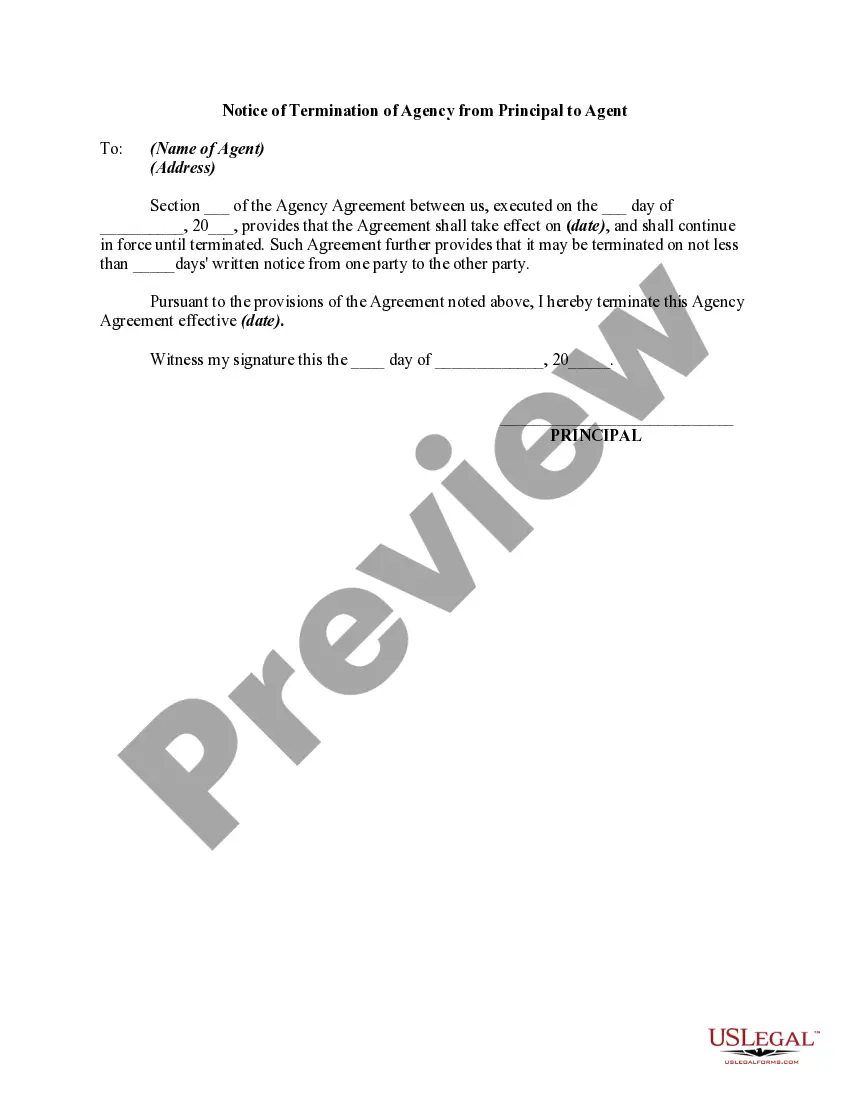
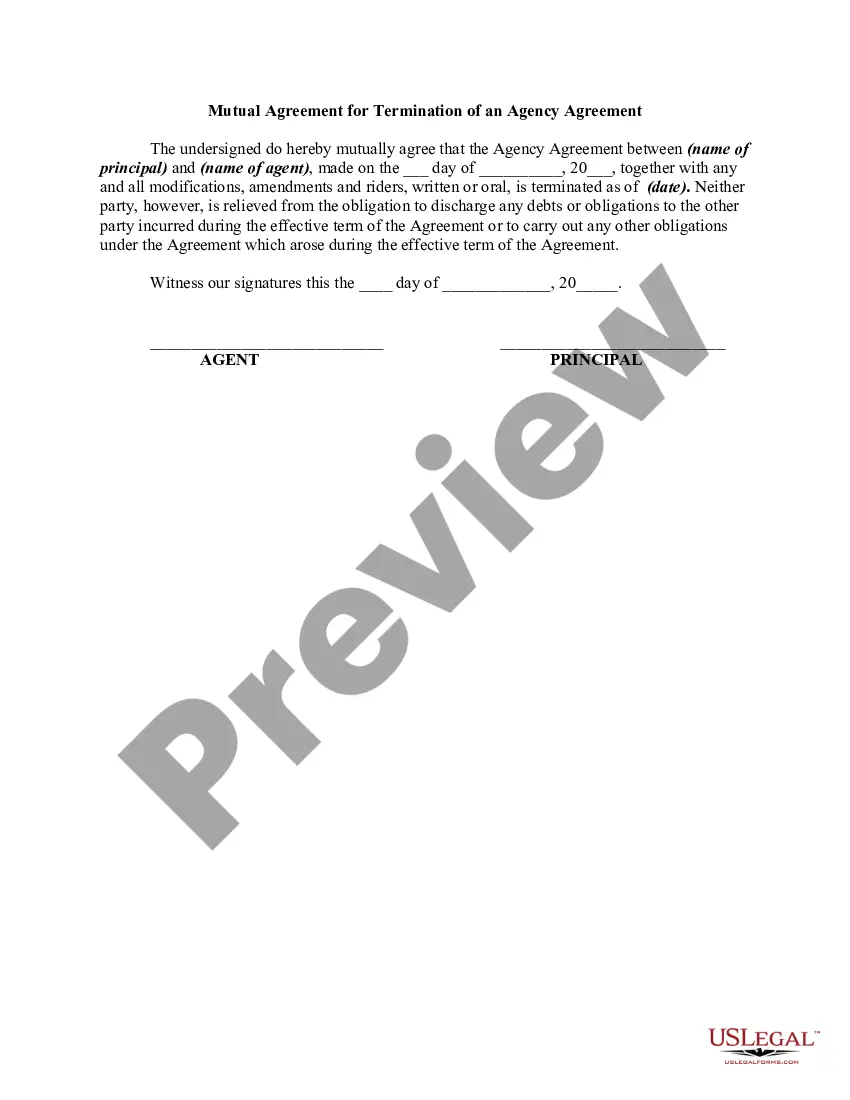
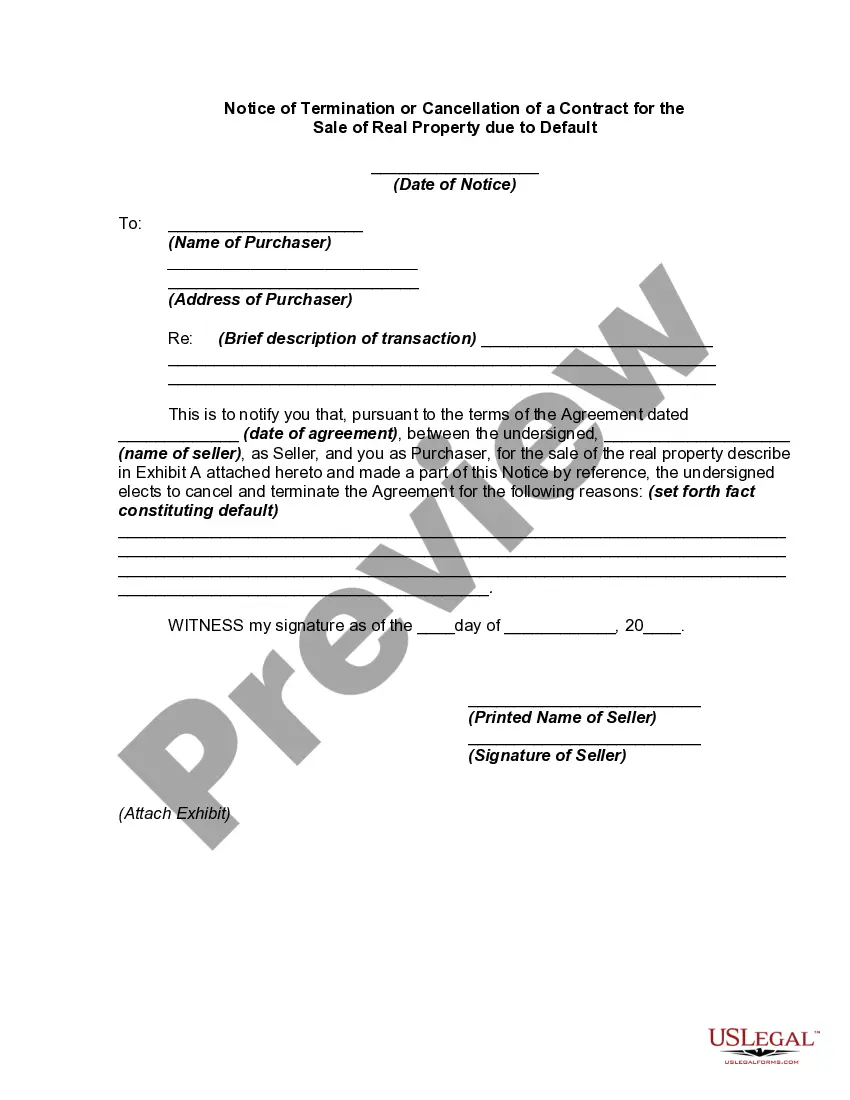

Get your form ready online
Our built-in tools help you complete, sign, share, and store your documents in one place.
Make edits, fill in missing information, and update formatting in US Legal Forms—just like you would in MS Word.
Download a copy, print it, send it by email, or mail it via USPS—whatever works best for your next step.
Sign and collect signatures with our SignNow integration. Send to multiple recipients, set reminders, and more. Go Premium to unlock E-Sign.
If this form requires notarization, complete it online through a secure video call—no need to meet a notary in person or wait for an appointment.
We protect your documents and personal data by following strict security and privacy standards.

Make edits, fill in missing information, and update formatting in US Legal Forms—just like you would in MS Word.

Download a copy, print it, send it by email, or mail it via USPS—whatever works best for your next step.

Sign and collect signatures with our SignNow integration. Send to multiple recipients, set reminders, and more. Go Premium to unlock E-Sign.

If this form requires notarization, complete it online through a secure video call—no need to meet a notary in person or wait for an appointment.

We protect your documents and personal data by following strict security and privacy standards.
Looking for another form?

Form popularity
FAQ
Listing agreements are typically automatically terminated under the following conditions: Expiration of the Listing Agreement: If the time period specified in the agreement comes to an end without a sale, the agreement automatically expires.
Final answer: In terms of a real estate transaction, the ability to cancel a listing during the term of the listing agreement primarily lies with the seller and the broker.
Whether you change your mind about selling, have ethical or performance concerns about the agent, or you just don't find a buyer, you can get out of a listing agreement. But before you sign one, you should understand your options for terminating a listing agreement so you don't feel stuck in a bad situation.
The simplest way to terminate a listing agreement is through mutual consent. If both you and your agent agree to part ways, you can cancel the agreement without penalties. Make sure to document this agreement in writing, as it will serve as evidence in case of any disputes later on.
Why can you terminate a listing agreement? Poor communication: You may cancel a listing agreement due to an agent's poor performance. Bad marketing: Real estate is competitive, even in a seller's market. Unethical behavior: Agents have a fiduciary duty to serve a home seller honestly and ethically.
Reasons for termination might include an agent's unsatisfactory performance, the seller changing their mind about selling the property or a mutual decision to otherwise end the contract.
Both principals to the listing agreement have the power to revoke the contract at any time. They do not, however, always have the right. That is, client or broker may cancel a listing but remain liable for damages to the other party.
The seller can allow a listing to be canceled during the term of the agreement. The seller, being the owner of the property, can decide to withdraw his or her property from the market.

