Contract Termination For Cause In Wayne
Description
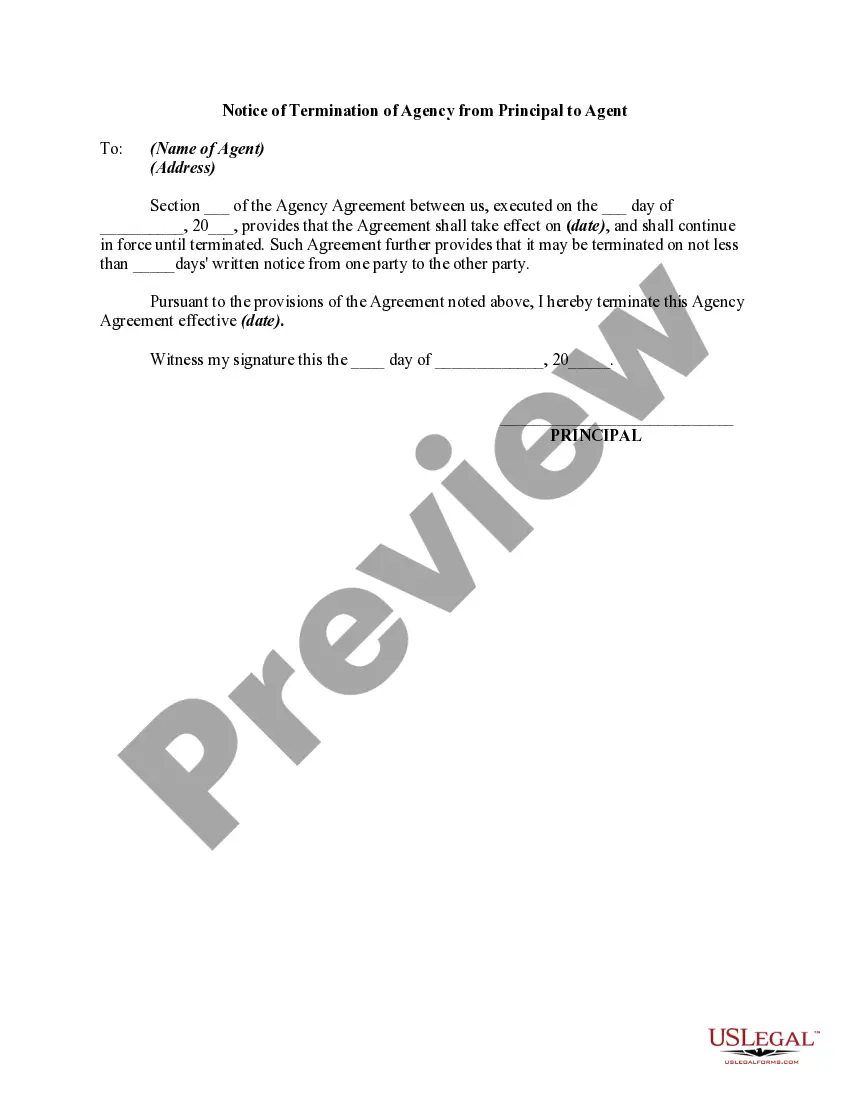
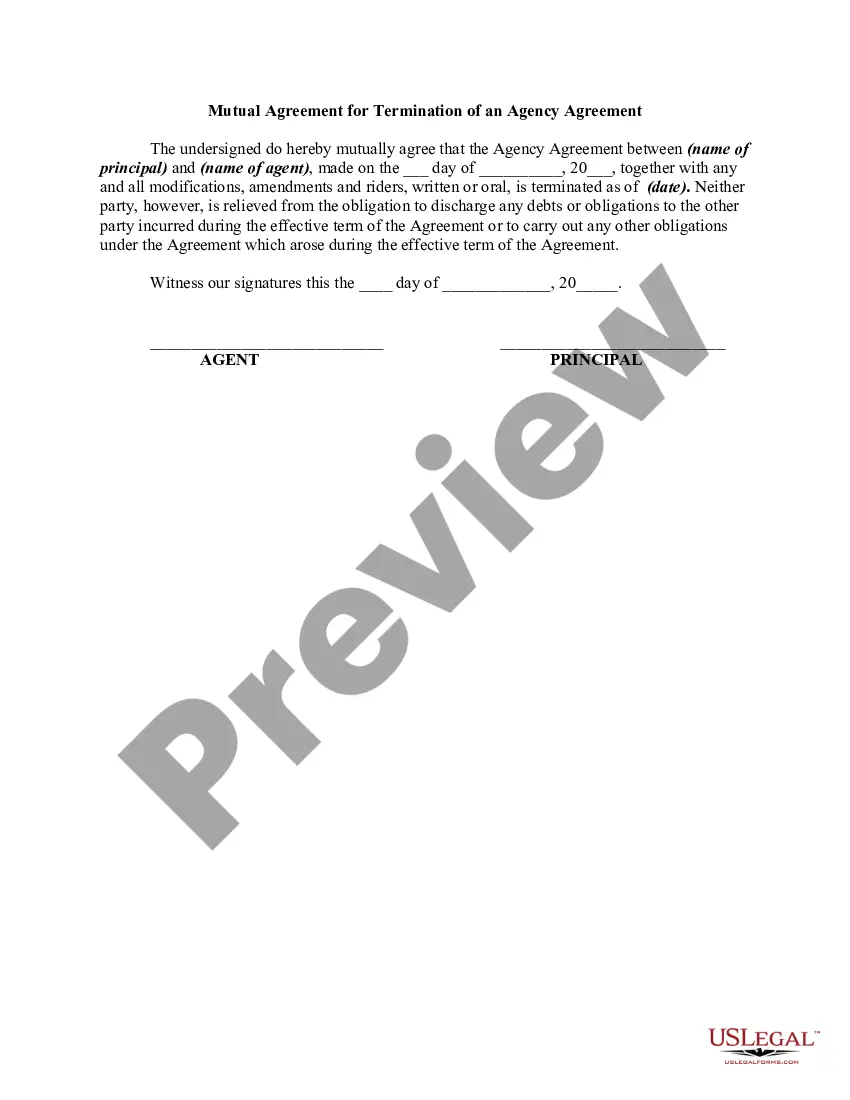
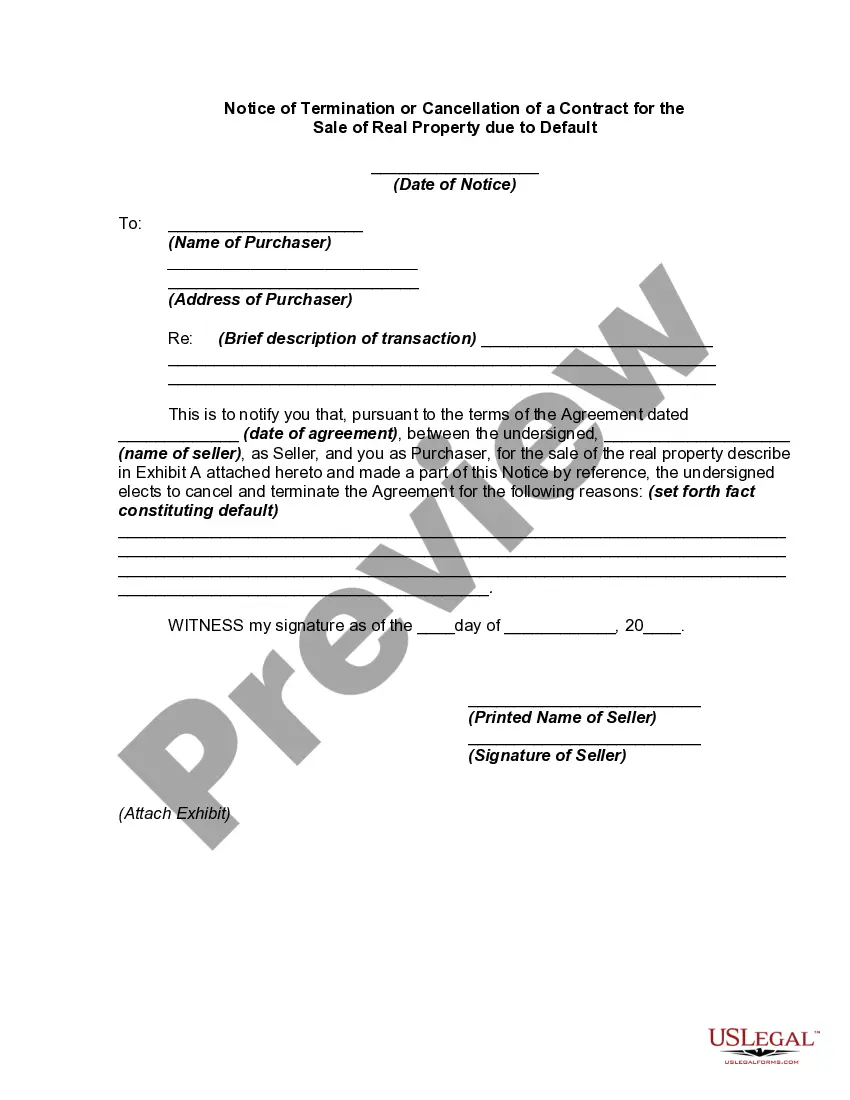

Get your form ready online
Our built-in tools help you complete, sign, share, and store your documents in one place.
Make edits, fill in missing information, and update formatting in US Legal Forms—just like you would in MS Word.
Download a copy, print it, send it by email, or mail it via USPS—whatever works best for your next step.
Sign and collect signatures with our SignNow integration. Send to multiple recipients, set reminders, and more. Go Premium to unlock E-Sign.
If this form requires notarization, complete it online through a secure video call—no need to meet a notary in person or wait for an appointment.
We protect your documents and personal data by following strict security and privacy standards.

Make edits, fill in missing information, and update formatting in US Legal Forms—just like you would in MS Word.

Download a copy, print it, send it by email, or mail it via USPS—whatever works best for your next step.

Sign and collect signatures with our SignNow integration. Send to multiple recipients, set reminders, and more. Go Premium to unlock E-Sign.

If this form requires notarization, complete it online through a secure video call—no need to meet a notary in person or wait for an appointment.

We protect your documents and personal data by following strict security and privacy standards.
Looking for another form?

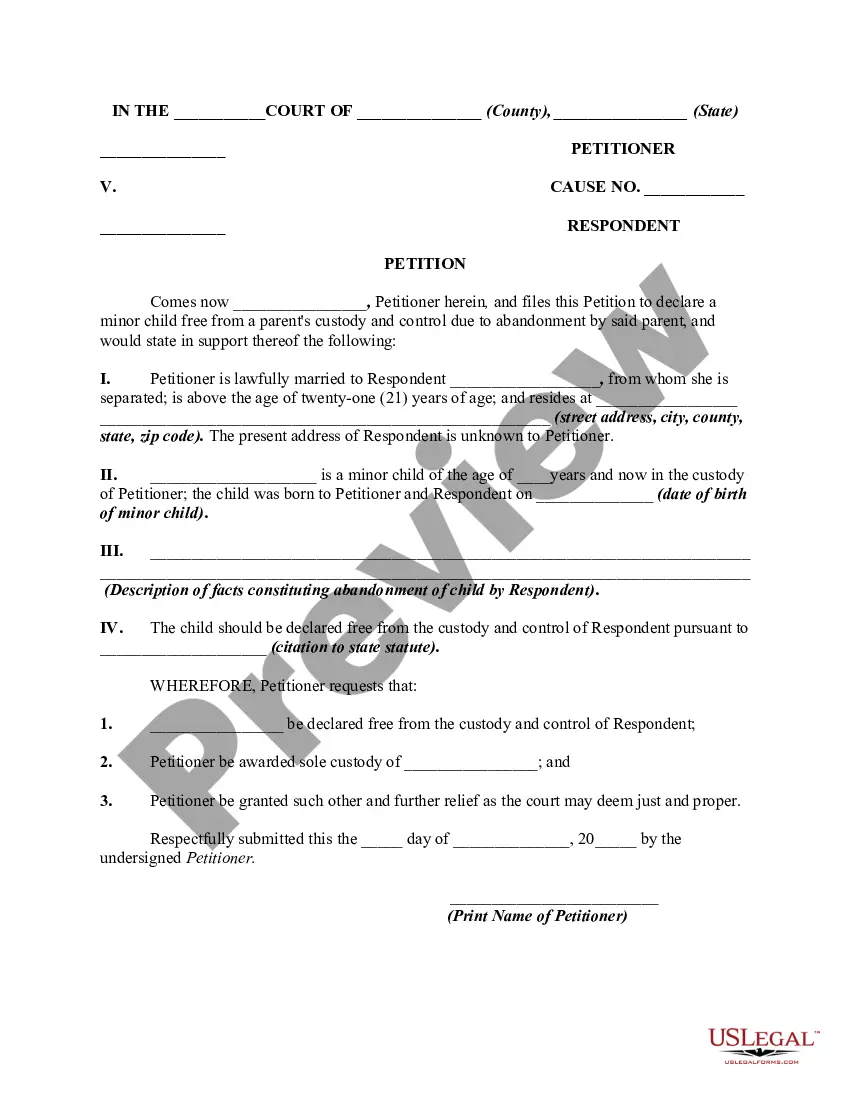



Form popularity
FAQ
How a Contract can be Terminated? In ance with your contract. A contract may allow a party or both parties to elect to bring it to an end, for no specific reason. Termination for breach of contract. Discharge by agreement. Recission. Force majeure. Frustration. Void contract.
Common reasons for the termination of a contract A breach of contract has occurred. One of the most common reasons for contract termination is when one of the parties to the contract has breached the contract. Performance of the contract is impossible. All parties would prefer for the contract to end.
Termination for cause occurs when a party's actions or inactions cause the contract to break down. This could be because they've failed or refused to perform their contractual obligations and breached the contract, for example.
Contract termination is legally ending a contract before one or more parties have met their obligations. Only the parties that have signed the contract can terminate the contract.
Contracts can be terminated voluntarily (for convenience) or involuntarily (for cause), often requiring proper notice. Common grounds for involuntary termination include breach of contract, misrepresentation, and impossibility of performance.
Ensure Proper Grounds for Termination Common grounds for this sort of action include a breach of the contract terms, changes in business circumstances, or non-performance of the breaching party. Be sure that the grounds for termination are legally sound and appropriately documented.
Key elements of a well-drafted Termination With Cause clause: Definition of Cause: Clearly specifying the events or circumstances that constitute grounds for termination, such as non-payment, breach of representations or warranties, violation of laws or regulations, or failure to perform material obligations.
Write a termination contract letter A contract termination letter allows you to give written notice of your contract's cancellation. It clearly states intent and limits your liability, which arerequired if you're looking to avoid issues while terminating a contract. Writing the letter is simple.
Dear Employee name, This letter is to inform you that effective date, your employment as job title at Employer name will be terminated. The termination is the result of list specific reason for discharge, including dates of specific incidents. Your benefits coverage will expire on date.
Termination for cause occurs when a party's actions or inactions cause the contract to break down. This could be because they've failed or refused to perform their contractual obligations and breached the contract, for example.

