Termination Of Contract With Cause In Virginia
Description
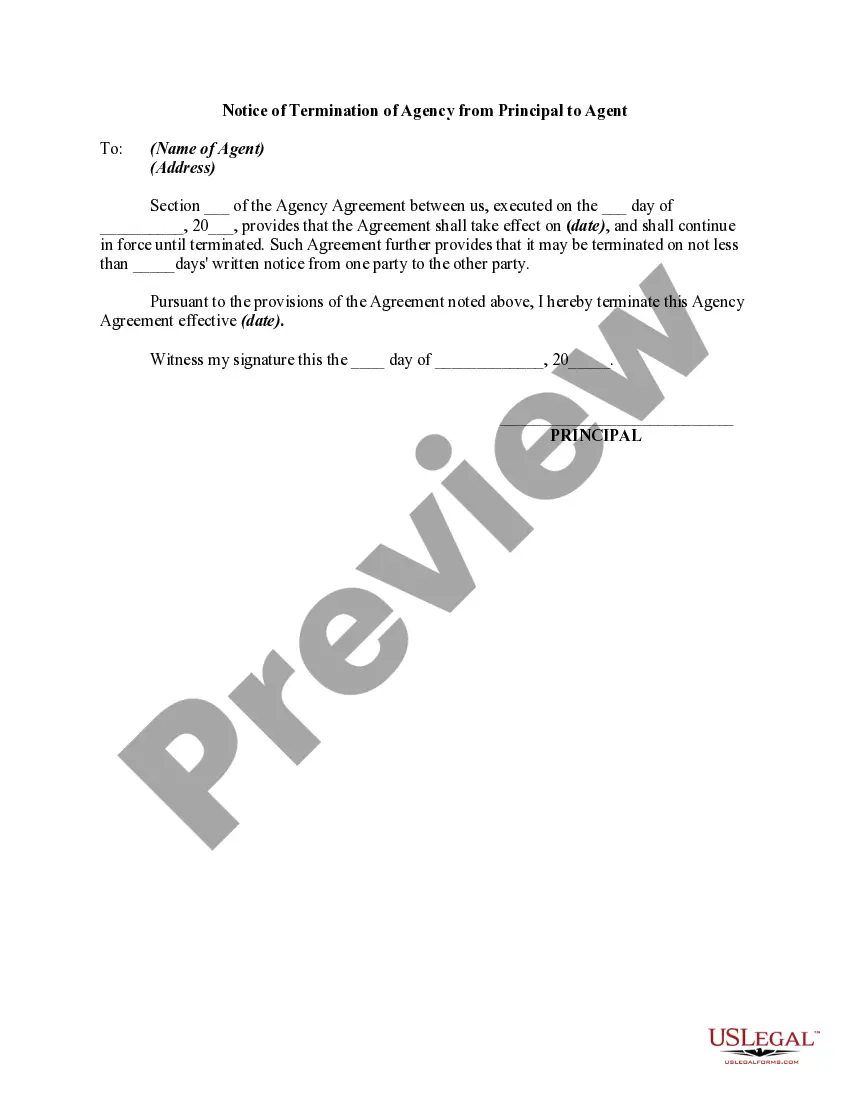
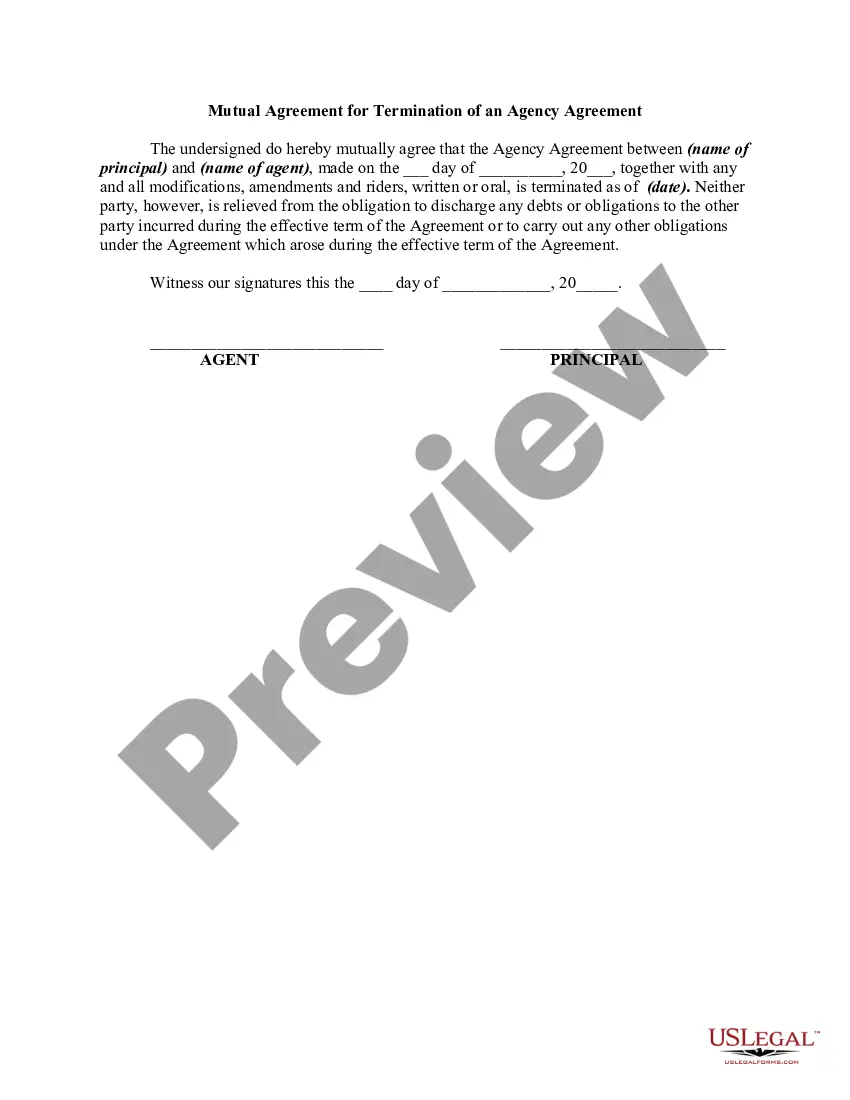
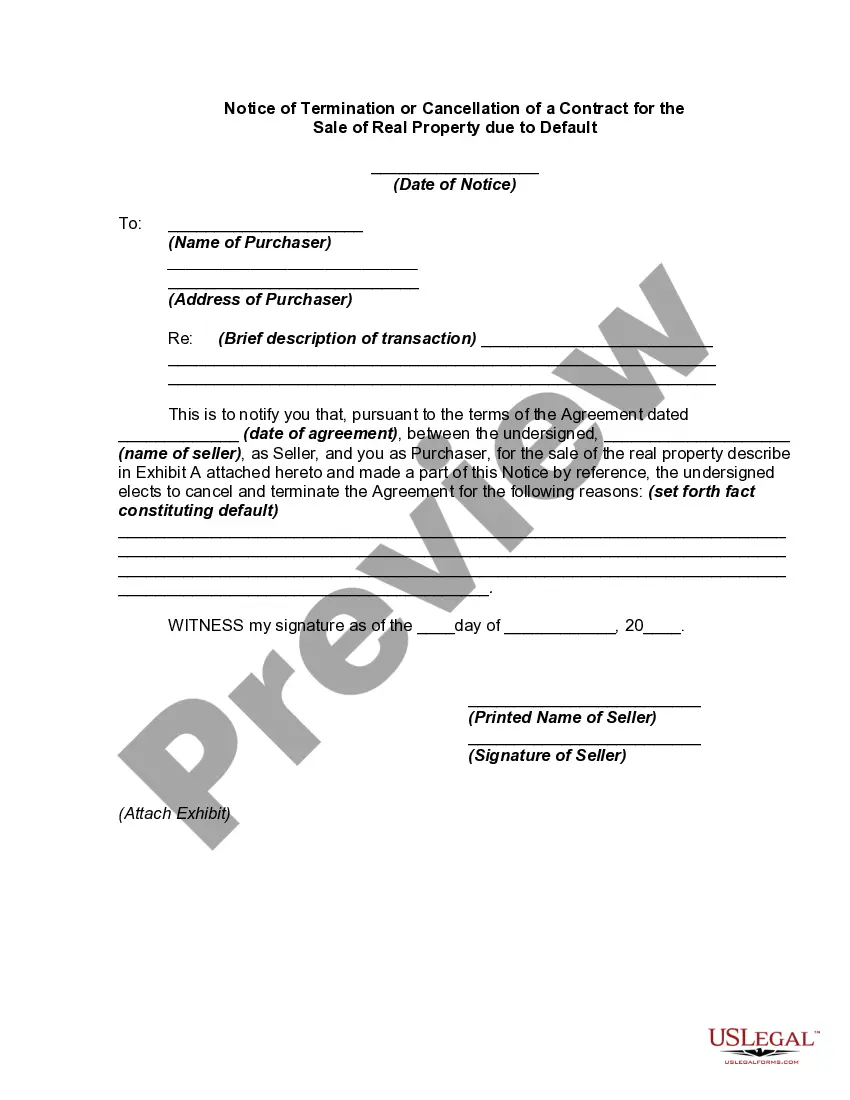
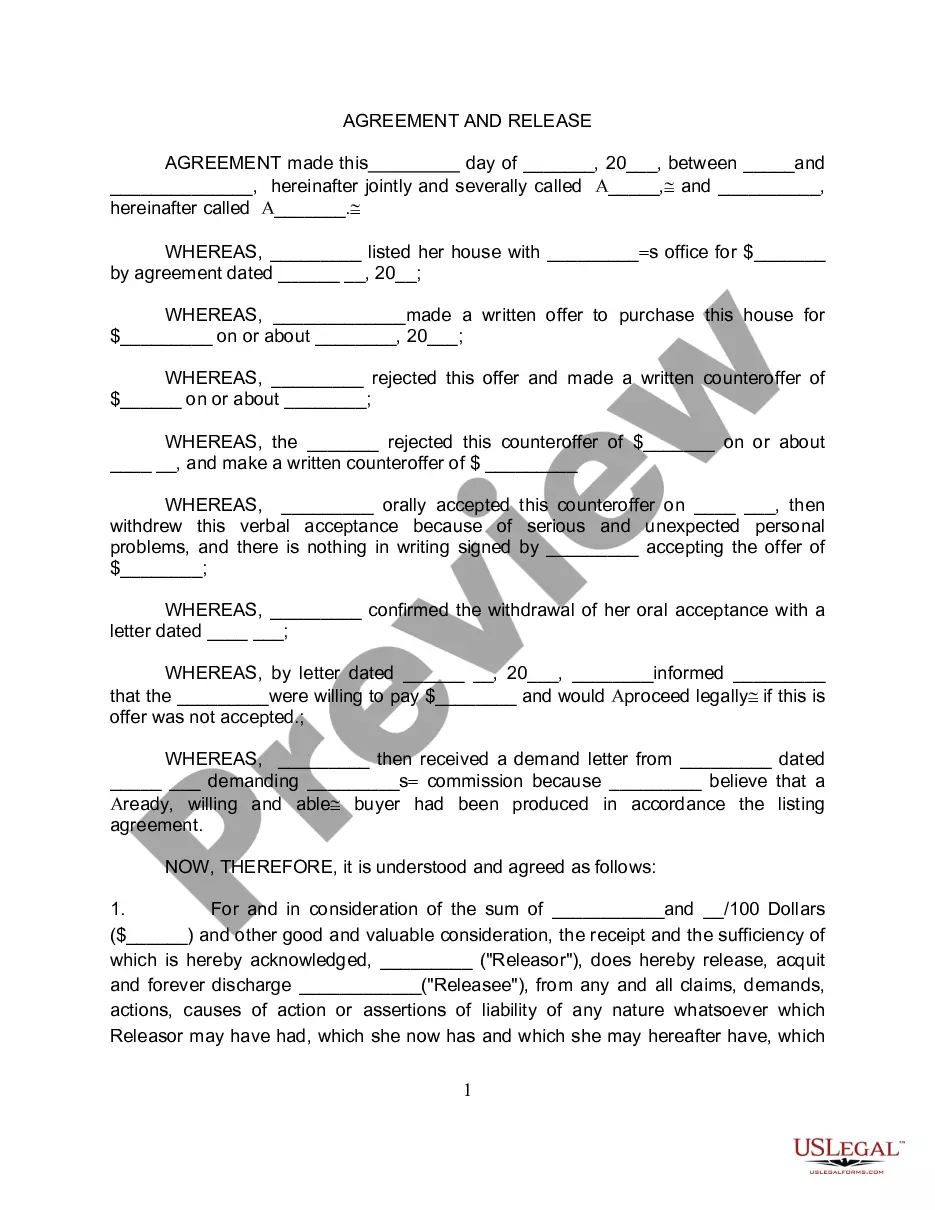
Get your form ready online
Our built-in tools help you complete, sign, share, and store your documents in one place.
Make edits, fill in missing information, and update formatting in US Legal Forms—just like you would in MS Word.
Download a copy, print it, send it by email, or mail it via USPS—whatever works best for your next step.
Sign and collect signatures with our SignNow integration. Send to multiple recipients, set reminders, and more. Go Premium to unlock E-Sign.
If this form requires notarization, complete it online through a secure video call—no need to meet a notary in person or wait for an appointment.
We protect your documents and personal data by following strict security and privacy standards.

Make edits, fill in missing information, and update formatting in US Legal Forms—just like you would in MS Word.

Download a copy, print it, send it by email, or mail it via USPS—whatever works best for your next step.

Sign and collect signatures with our SignNow integration. Send to multiple recipients, set reminders, and more. Go Premium to unlock E-Sign.

If this form requires notarization, complete it online through a secure video call—no need to meet a notary in person or wait for an appointment.

We protect your documents and personal data by following strict security and privacy standards.
Looking for another form?






Form popularity
FAQ
Under California law, employers must provide notice to employees before termination. For employees who have been employed for less than one year, the notice period is at least 90 days. For employees who have been employed for more than one year, the notice period is at least 60 days.
Termination With Cause clauses are crucial in various types of contracts involving significant obligations, risks, or potential losses, where a material breach or default by one party may severely impact the other party's interests.
In Virginia, the employer/employee relationship is governed by the at-will employment doctrine. This means that either party may terminate the relationship at any time, with or without cause, and with or without notice.
Just cause termination refers to an employer's right to terminate an employee for a valid reason, such as serious misconduct or repeated violations of company policies, without providing severance or other compensation.
Virginia is an employment-at-will state; this means the employer may terminate any employee at any time, for any reason, or for no reason. As a general rule, therefore, the employee has no right to challenge the termination. There are a few very limited exceptions.
Virginia is an employment-at-will state; this means the employer may terminate any employee at any time, for any reason, or for no reason. As a general rule, therefore, the employee has no right to challenge the termination. There are a few very limited exceptions.
Write a termination of contract notice Regardless of what your grounds are, notice is required to terminate any contract. Typically, this notice will come in the form of a written document that clearly explains your decision to terminate the contract, why you wish to do so, and on what grounds.
A party may no longer be able to deliver on the contract - which in turn can give rise to rights to terminate the contract altogether. Termination by performance. Termination by Agreement. Termination for Breach of Contract. Termination by frustration.
Circumstances for termination that are often included in a contract are the other party's breach, insolvency, or change in ownership, or the occurrence or non-occurrence of a specified event or condition.
It is a legal framework for the agreement between the parties, which is both certain and enforceable. However, to be legally binding, a contract must include four key elements: an offer, acceptance, consideration, and an intention to create legal relations.

