Termination Letter Template For Employee In Texas
Description
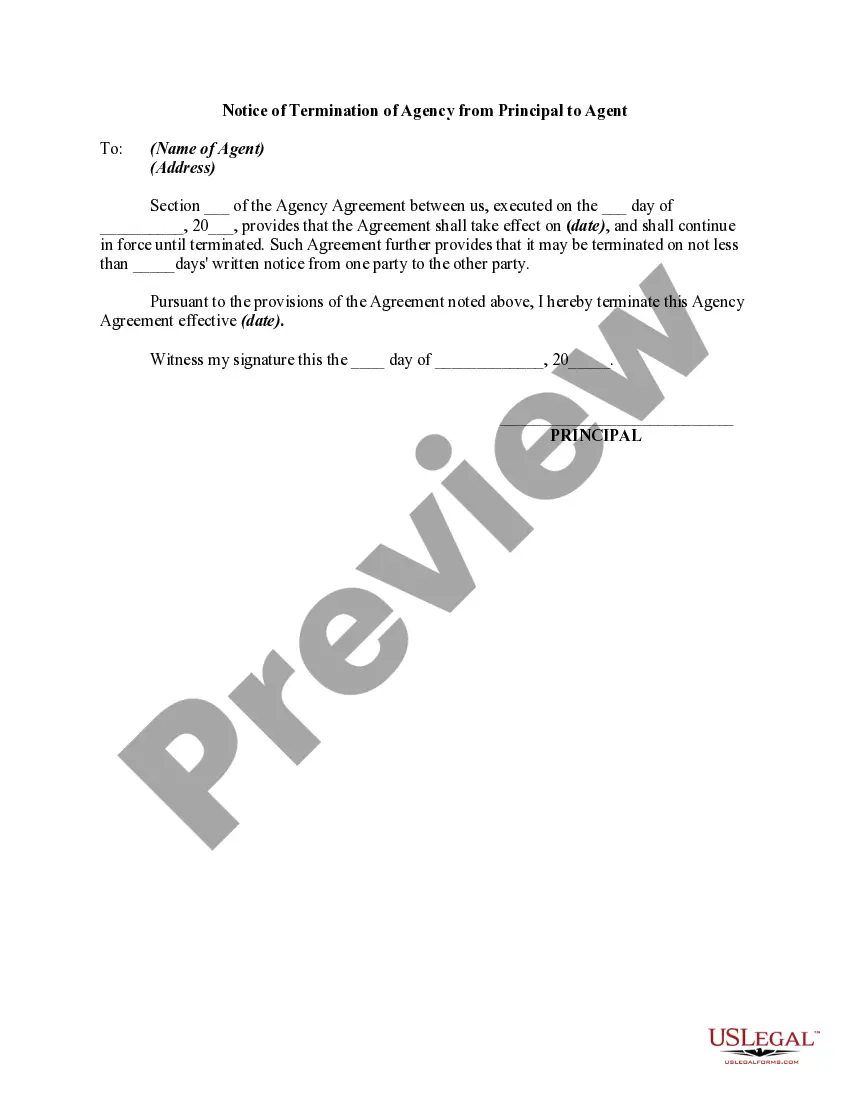
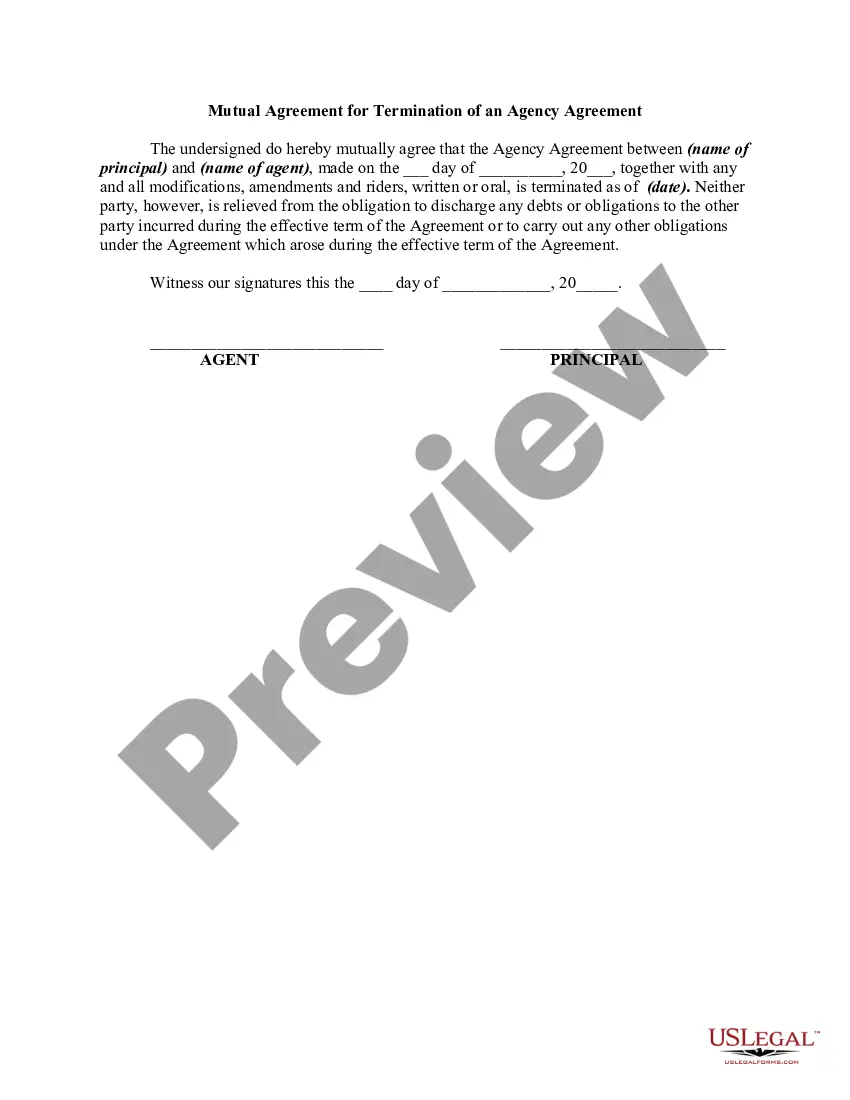
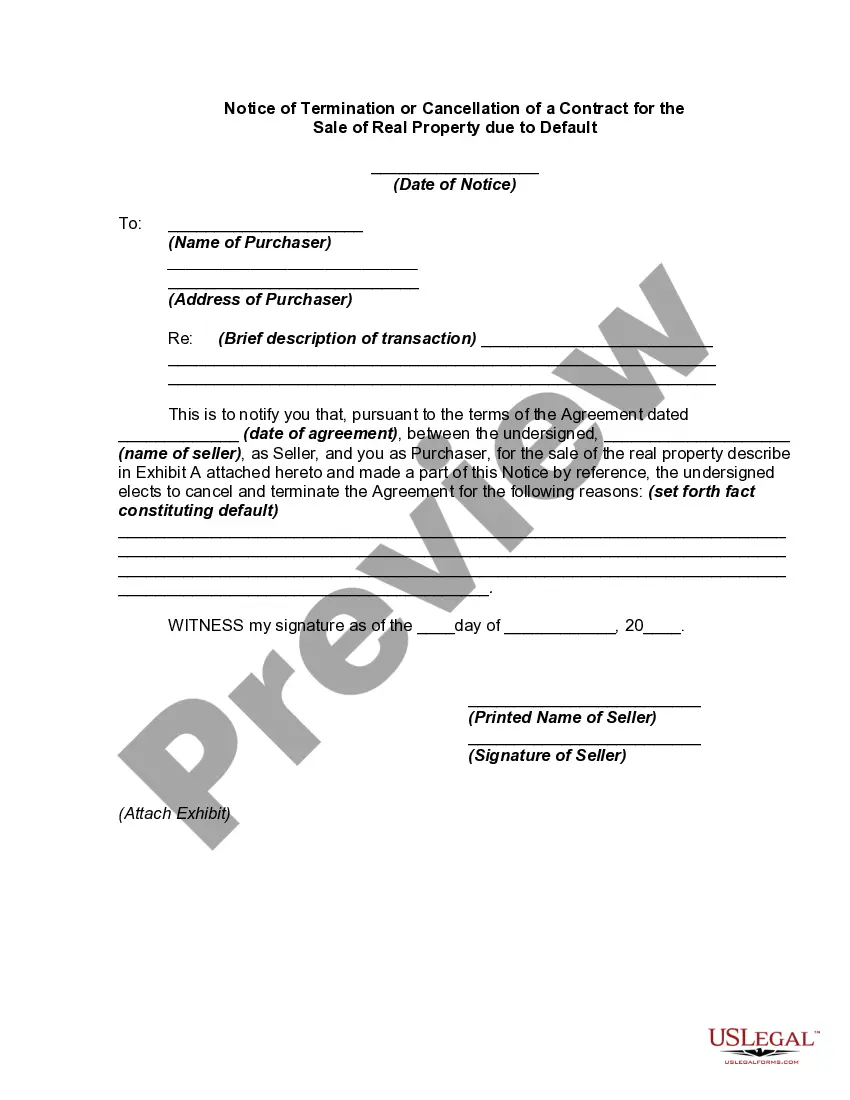
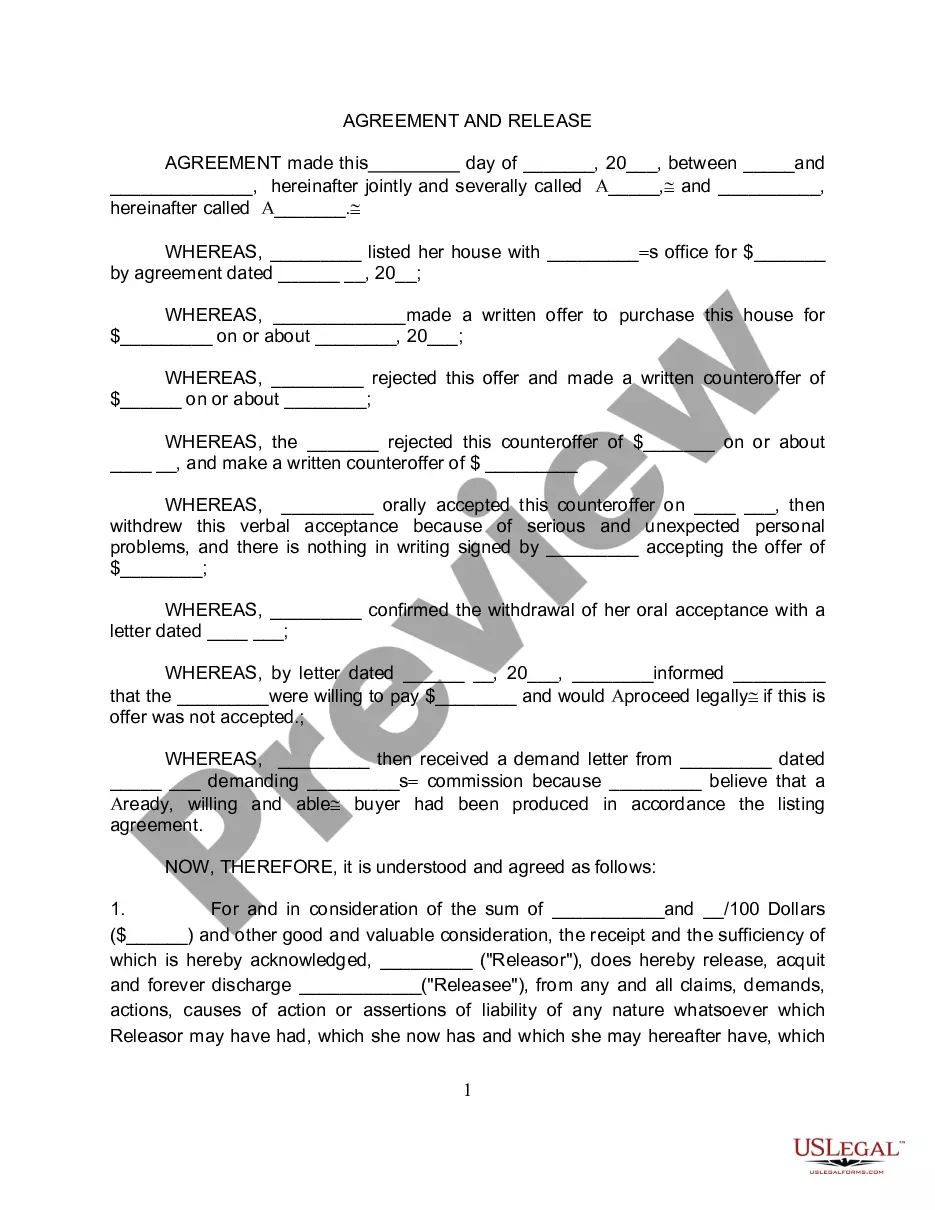
Get your form ready online
Our built-in tools help you complete, sign, share, and store your documents in one place.
Make edits, fill in missing information, and update formatting in US Legal Forms—just like you would in MS Word.
Download a copy, print it, send it by email, or mail it via USPS—whatever works best for your next step.
Sign and collect signatures with our SignNow integration. Send to multiple recipients, set reminders, and more. Go Premium to unlock E-Sign.
If this form requires notarization, complete it online through a secure video call—no need to meet a notary in person or wait for an appointment.
We protect your documents and personal data by following strict security and privacy standards.

Make edits, fill in missing information, and update formatting in US Legal Forms—just like you would in MS Word.

Download a copy, print it, send it by email, or mail it via USPS—whatever works best for your next step.

Sign and collect signatures with our SignNow integration. Send to multiple recipients, set reminders, and more. Go Premium to unlock E-Sign.

If this form requires notarization, complete it online through a secure video call—no need to meet a notary in person or wait for an appointment.

We protect your documents and personal data by following strict security and privacy standards.
Looking for another form?

Form popularity
FAQ
In Texas, an employer does not have to give a departing employee a termination notice or letter, or a letter of recommendation, based on a 1914 Texas Supreme Court ruling in the case of St. Louis Southwestern Railway Co.
How does state or federal law impact the process of terminating an employee in Texas? In Texas, employment is generally at-will, meaning an employee can be dismissed at any time and for any reason, as long as that reason isn't illegal under state or federal law.
Your employer can terminate you at any time for any reason, with or without notice, except for discrimination. They're not required to give you a write up. Just the same way you can quit your job at any time for any reason or no reason at all.
How does state or federal law impact the process of terminating an employee in Texas? In Texas, employment is generally at-will, meaning an employee can be dismissed at any time and for any reason, as long as that reason isn't illegal under state or federal law.
A lawful termination can thus be executed at any time, needless of prior notice. Although it may seem like this doctrine solely shields employers, the policy can be used to protect employees as well. The key concept is lawful termination.
Termination letters usually include details such as: The date of termination. The reason for the termination (while not always required, many include it) Any severance benefits or other compensation the employee is entitled to. Instructions for the return of company property.
How to announce an employee's departure Address the office. Begin by addressing it to the appropriate party or department. State the purpose of the letter. List the leave date and other relevant details. Offer information for next steps. Include information about a farewell event. Express gratitude.
In summation, Texas (like nearly every other state) utilizes at-will employment as the default relationship when no separate agreement exists between the employer and the employee. Here, an employer or an employee can effectuate separation from employment at any time, with or without notice, for any lawful reason.
In Texas, an employer does not have to give a departing employee a termination notice or letter, or a letter of recommendation, based on a 1914 Texas Supreme Court ruling in the case of St. Louis Southwestern Railway Co. of Texas v. Griffin, 171 S.W.

