Terminated Contract With In San Jose
Description
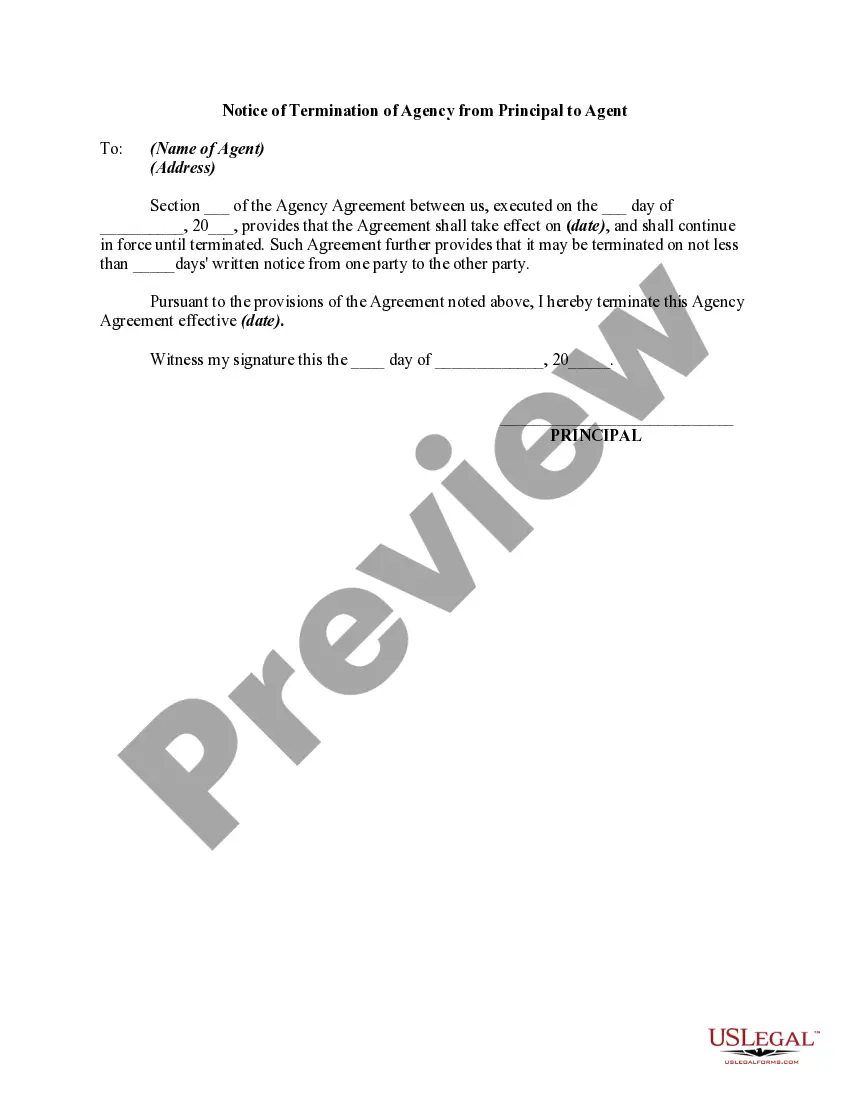
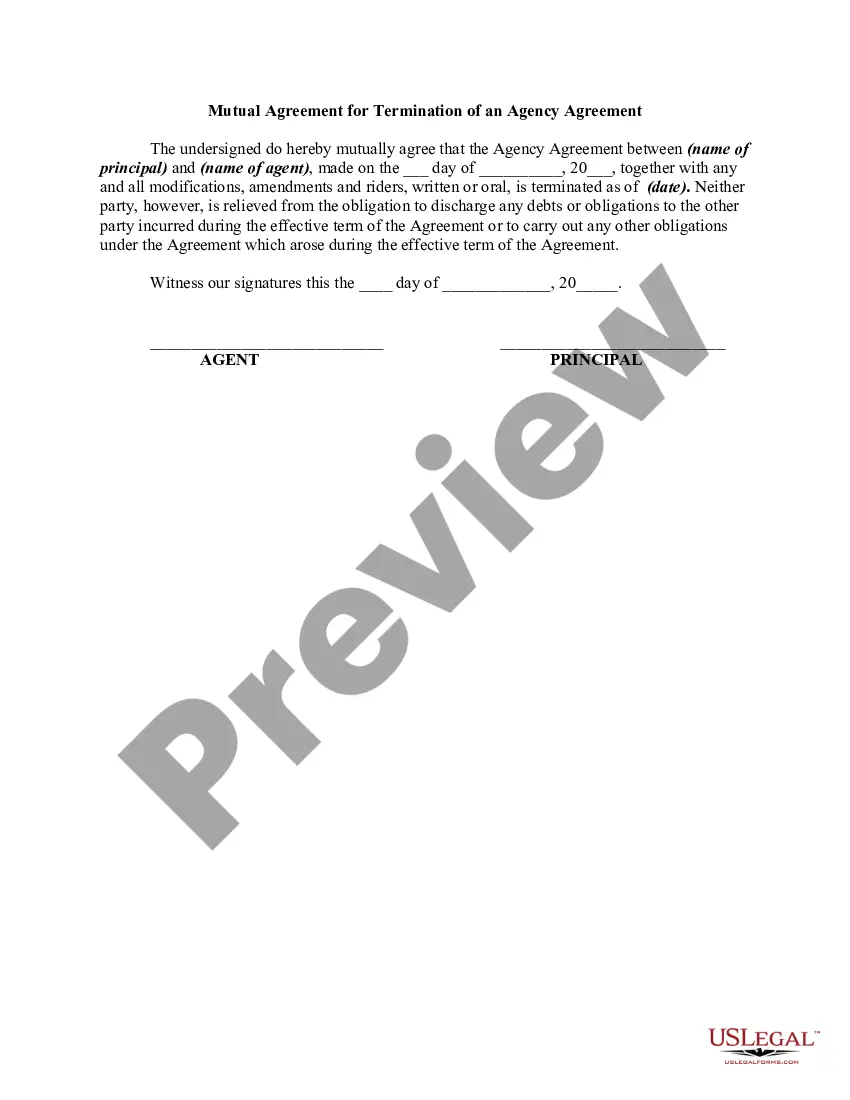
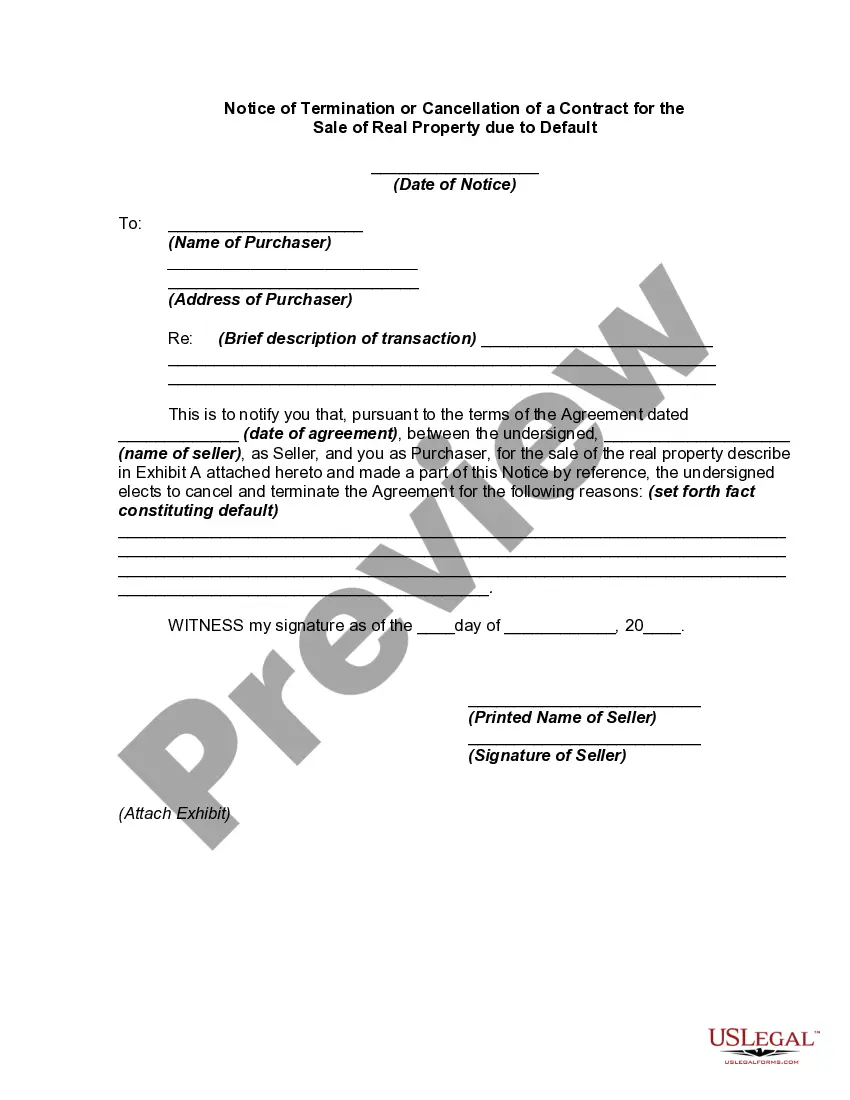
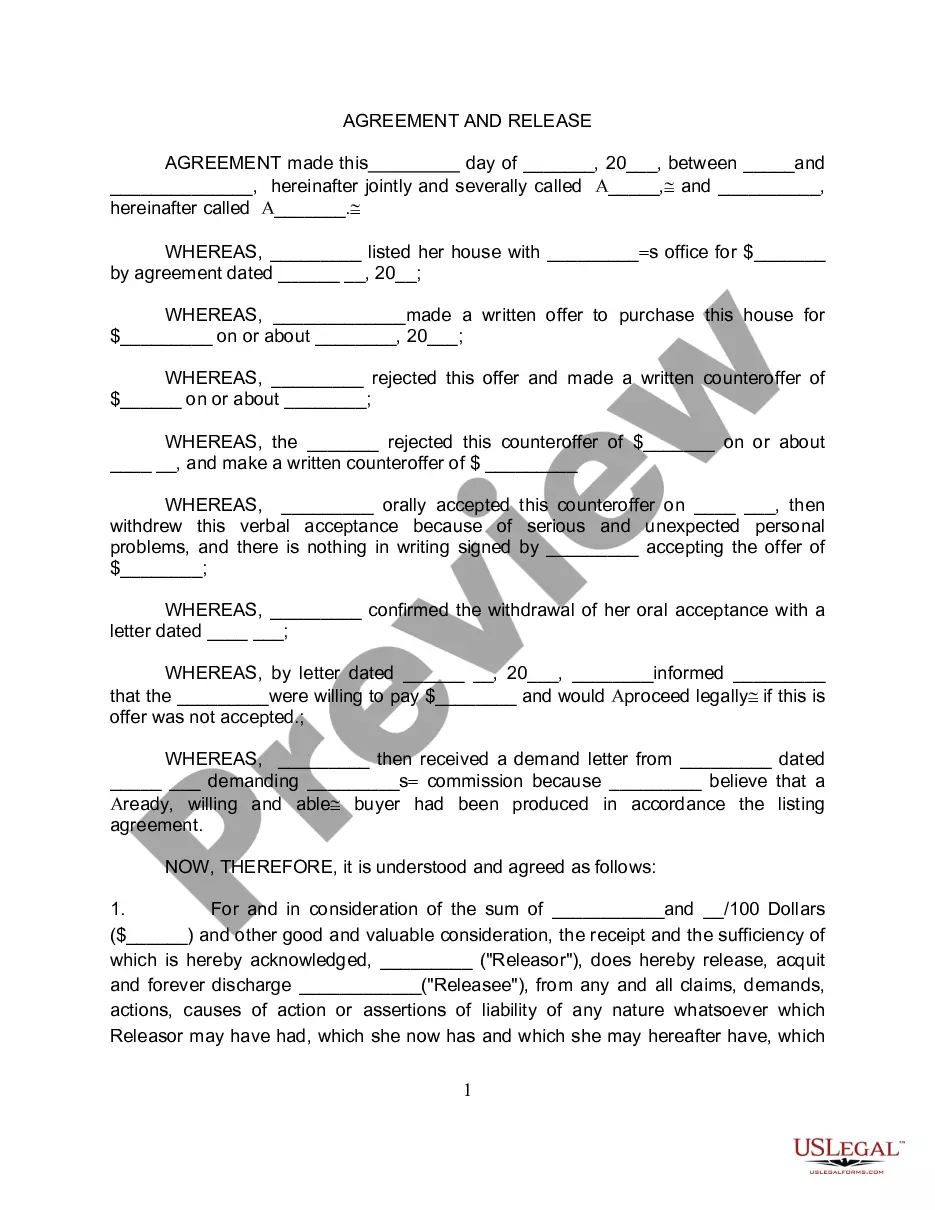
Get your form ready online
Our built-in tools help you complete, sign, share, and store your documents in one place.
Make edits, fill in missing information, and update formatting in US Legal Forms—just like you would in MS Word.
Download a copy, print it, send it by email, or mail it via USPS—whatever works best for your next step.
Sign and collect signatures with our SignNow integration. Send to multiple recipients, set reminders, and more. Go Premium to unlock E-Sign.
If this form requires notarization, complete it online through a secure video call—no need to meet a notary in person or wait for an appointment.
We protect your documents and personal data by following strict security and privacy standards.

Make edits, fill in missing information, and update formatting in US Legal Forms—just like you would in MS Word.

Download a copy, print it, send it by email, or mail it via USPS—whatever works best for your next step.

Sign and collect signatures with our SignNow integration. Send to multiple recipients, set reminders, and more. Go Premium to unlock E-Sign.

If this form requires notarization, complete it online through a secure video call—no need to meet a notary in person or wait for an appointment.

We protect your documents and personal data by following strict security and privacy standards.
Looking for another form?









Form popularity
FAQ
Wrongful termination occurs when an employer fires a worker for unlawful reasons. Common unlawful reasons for unlawful termination includes firing employees for discriminatory reasons based on age, disability or pregnancy. Employees may be able to sue former employers for wrongful termination in California.
You usually cannot cancel a contract, but there are times when you can. You can cancel some contracts within certain time limits. Some contracts must tell you about your right to cancel, how to cancel them, and where to send the cancellation notice.
Expiration of the terms of the contract: Contract terminates when its specified date or duration expires. Example: John's one-year lease, starting on January 1, 2024, expires on December 31, 2024. At that point, the contract terminates unless both parties agree to renew it.
Importantly, if parties wish to terminate the contract for convenience, they usually have to have included a clause within the contract itself that allows for this. For example, some contracts contain a clause that says that a contract can be terminated at any point so long as the 30-day notice period has been met.
If the time period mentioned in the contract comes to an end and it could not be renewed, the contract will continue until its term finishes. Either party can decide to end a contract that doesn't have a specific time frame.
If consent among all parties has not occurred, then it is illegal to alter a signed contract. Most of the time, however, a contract will include how to change, extend, or terminate itself as standard practice.
The effect of exercising the express power to terminate puts an end to future performance obligations and also to claim the outstanding balances at the date of termination. It does not entitle the aggrieved party to claim damages for loss of bargain.
After the contract is terminated, all future obligations and expectations are nullified. However, pre-existing obligations may still be in effect depending on the terms of the agreement.
Contract termination is the process of ending a contract before the obligations within it have been fulfilled by all parties. This means that one or more parties have made the decision to conclude the contract earlier than they had originally agreed when drafting and signing it.

