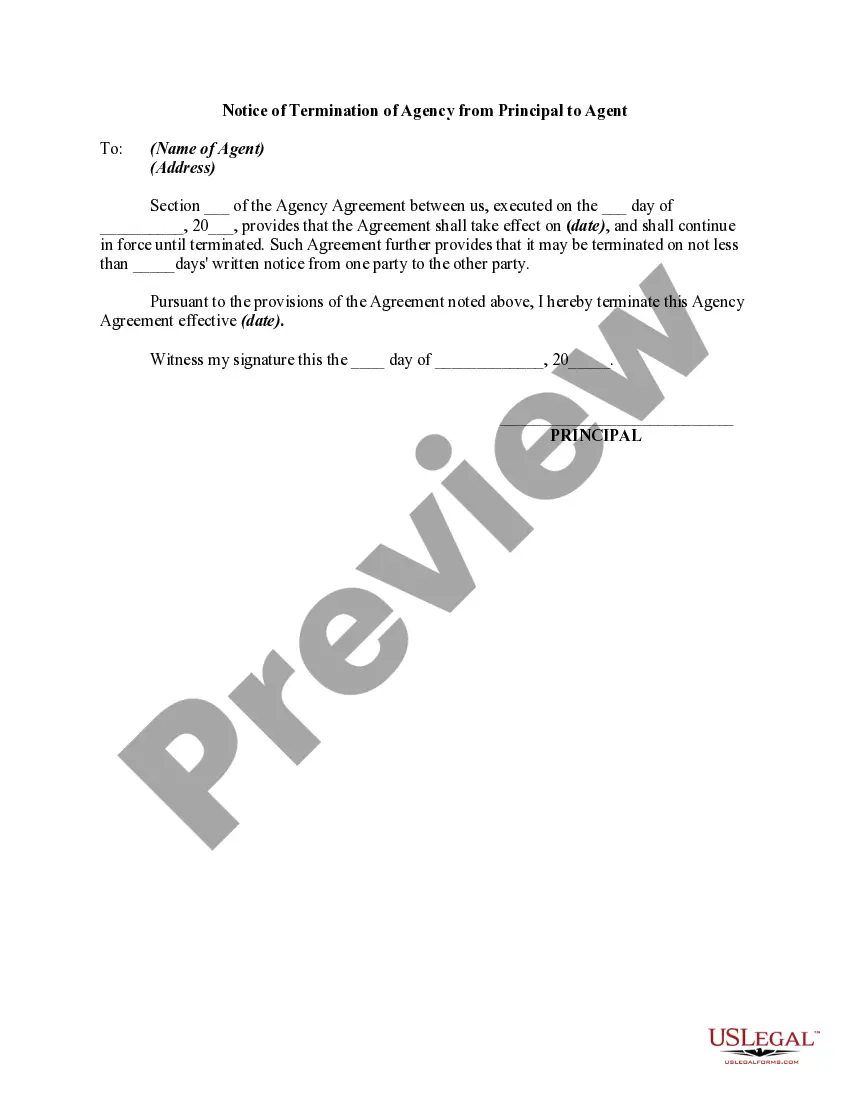
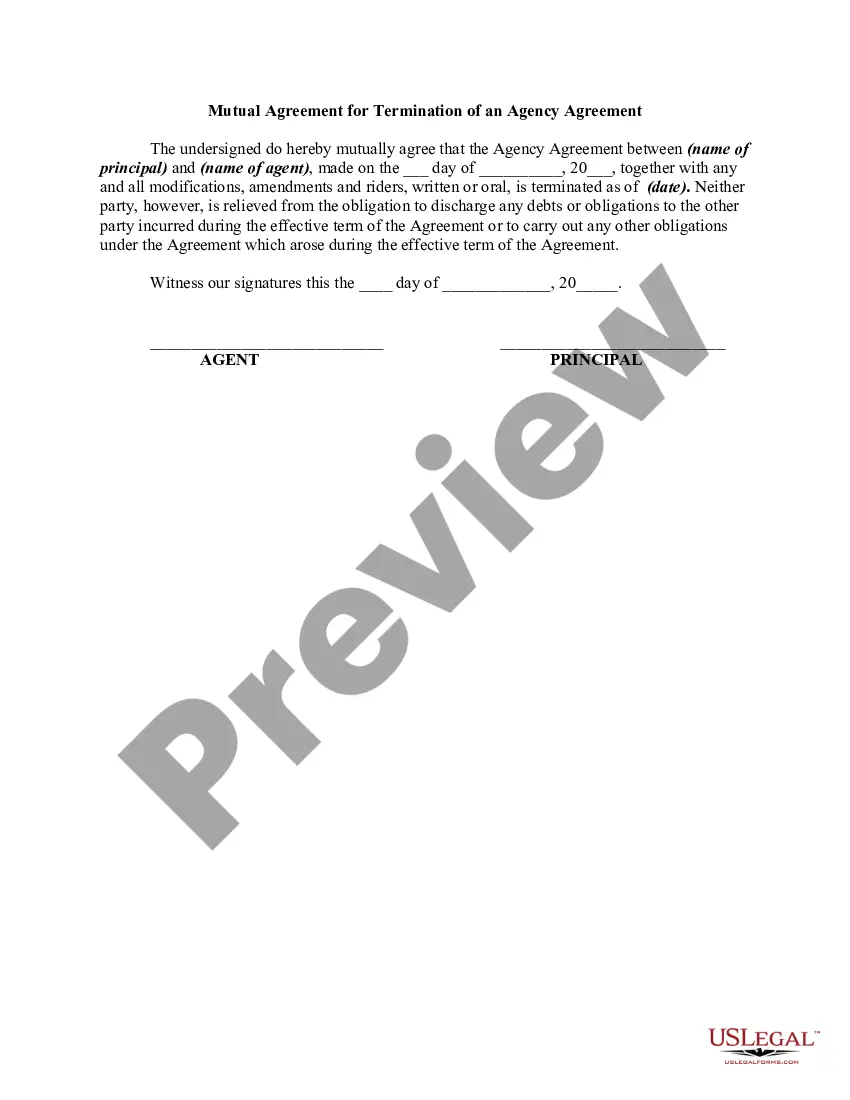
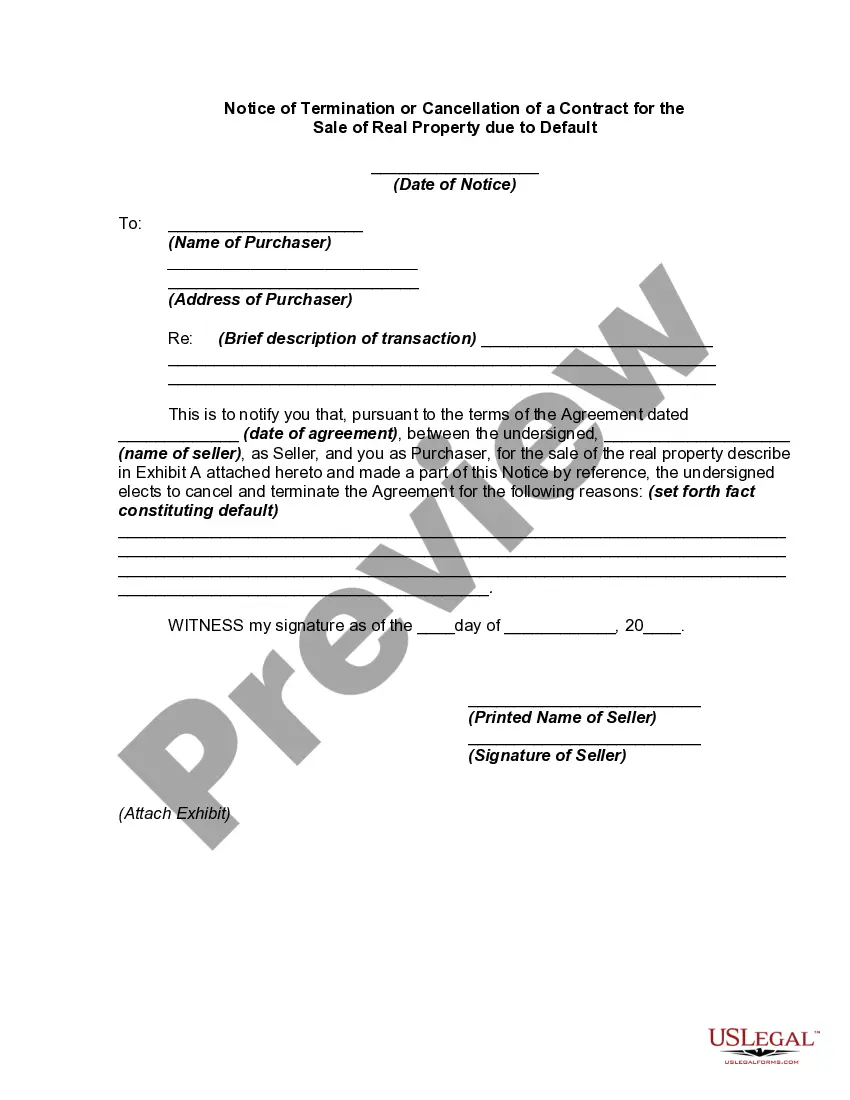
Contract Termination Without Notice In San Diego
Description

Get your form ready online
Our built-in tools help you complete, sign, share, and store your documents in one place.
Make edits, fill in missing information, and update formatting in US Legal Forms—just like you would in MS Word.
Download a copy, print it, send it by email, or mail it via USPS—whatever works best for your next step.
Sign and collect signatures with our SignNow integration. Send to multiple recipients, set reminders, and more. Go Premium to unlock E-Sign.
If this form requires notarization, complete it online through a secure video call—no need to meet a notary in person or wait for an appointment.
We protect your documents and personal data by following strict security and privacy standards.

Make edits, fill in missing information, and update formatting in US Legal Forms—just like you would in MS Word.

Download a copy, print it, send it by email, or mail it via USPS—whatever works best for your next step.

Sign and collect signatures with our SignNow integration. Send to multiple recipients, set reminders, and more. Go Premium to unlock E-Sign.

If this form requires notarization, complete it online through a secure video call—no need to meet a notary in person or wait for an appointment.

We protect your documents and personal data by following strict security and privacy standards.
Looking for another form?









Form popularity
FAQ
In the most basic sense, at-will employment means an employer can terminate employees for almost any reason, although exceptions to the rule may exist under state and federal law. Likewise, under the at-will employment doctrine, employees can decide to leave their employer whenever they want, at their own discretion.
There are three types of terminations: voluntary, involuntary, and death.
For most workers, the answer to “Can you be fired without warning in California?” is yes. Employers are generally not required to give employees any notice before terminating them. This is part of the at-will employment doctrine that allows employers to end the employment relationship at any time.
Acceptable Reasons for Termination Incompetence, including lack of productivity or poor quality of work. Insubordination and related issues such as dishonesty or breaking company rules. Attendance issues, such as frequent absences or chronic tardiness. Theft or other criminal behavior including revealing trade secrets.
Regardless of what your grounds are, notice is required to terminate any contract. Typically, this notice will come in the form of a written document that clearly explains your decision to terminate the contract, why you wish to do so, and on what grounds.
Although employers may legally let employees go from their jobs for no reason (when employment is “at will”), it is against federal and state laws to fire someone because of their race, ethnicity, country of origin, gender or sexual orientation, age and/or disability.
What is proof of employee termination? This could include a written notice from the employer to the employee, a signed separation agreement, payroll records showing no further payments were made after a certain date, and other documents that prove there was an official ending to the employment relationship.
The best way to end a contract early is to speak with the party you're in contract with. Simple negotiation is often all it takes to reach a favorable resolution. If they don't agree to ending the contract early, consider getting a lawyer to help you determine your next best step.
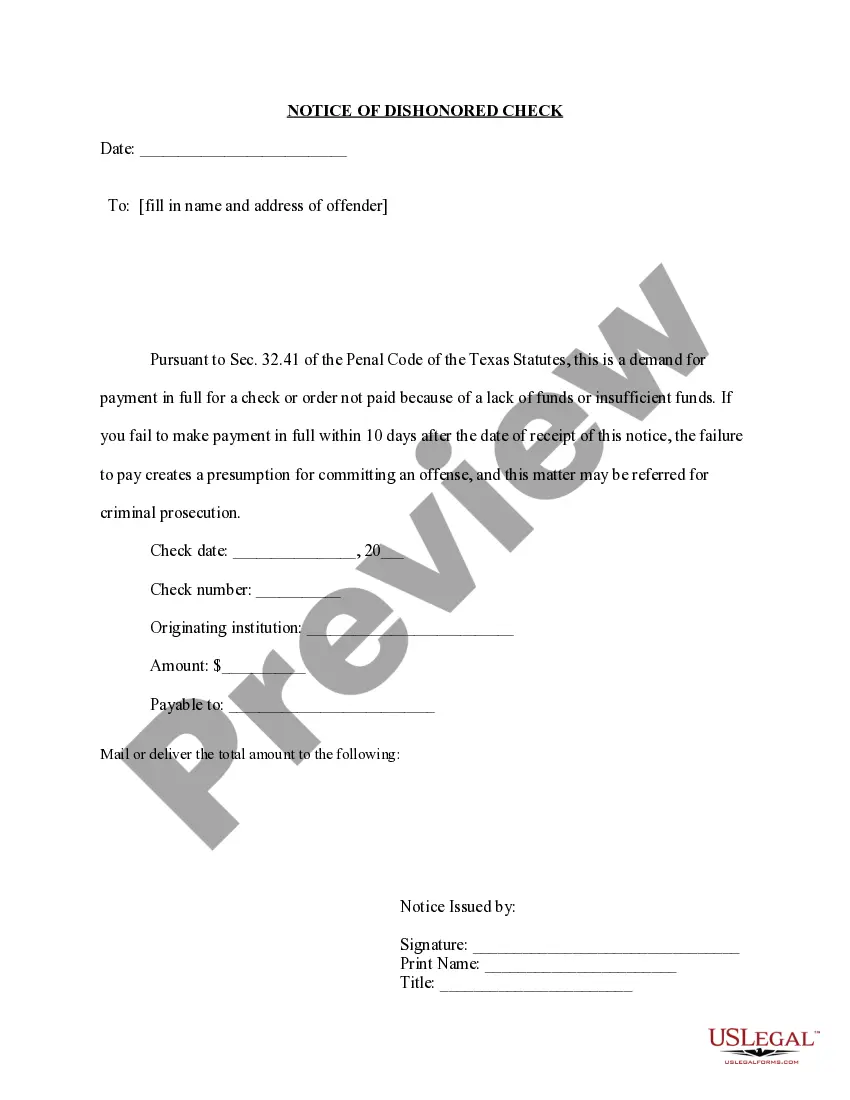
Legal Requirements for Written Notice While employers are not required to provide advance notice before terminating an employee, California law mandates that employers provide immediate written notice of the termination once it occurs.
Regardless of what your grounds are, notice is required to terminate any contract. Typically, this notice will come in the form of a written document that clearly explains your decision to terminate the contract, why you wish to do so, and on what grounds.

