Contract Termination Without Cause In San Diego
Description
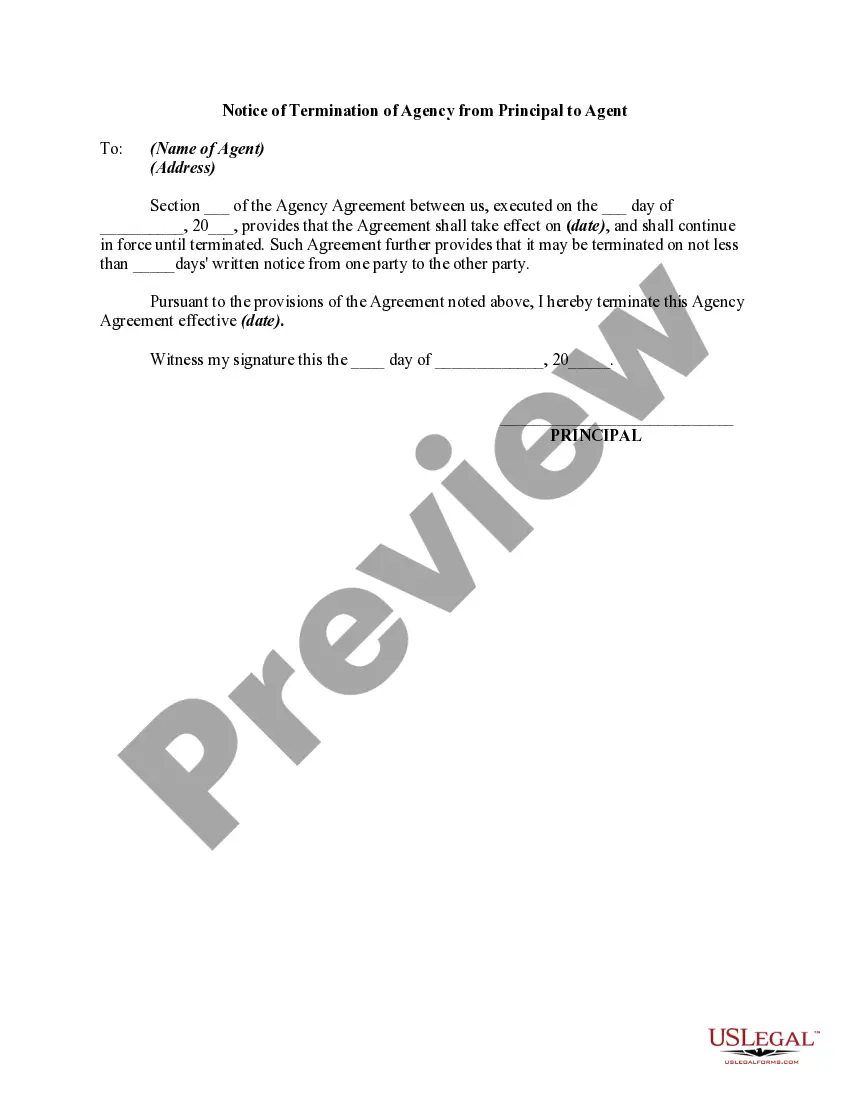
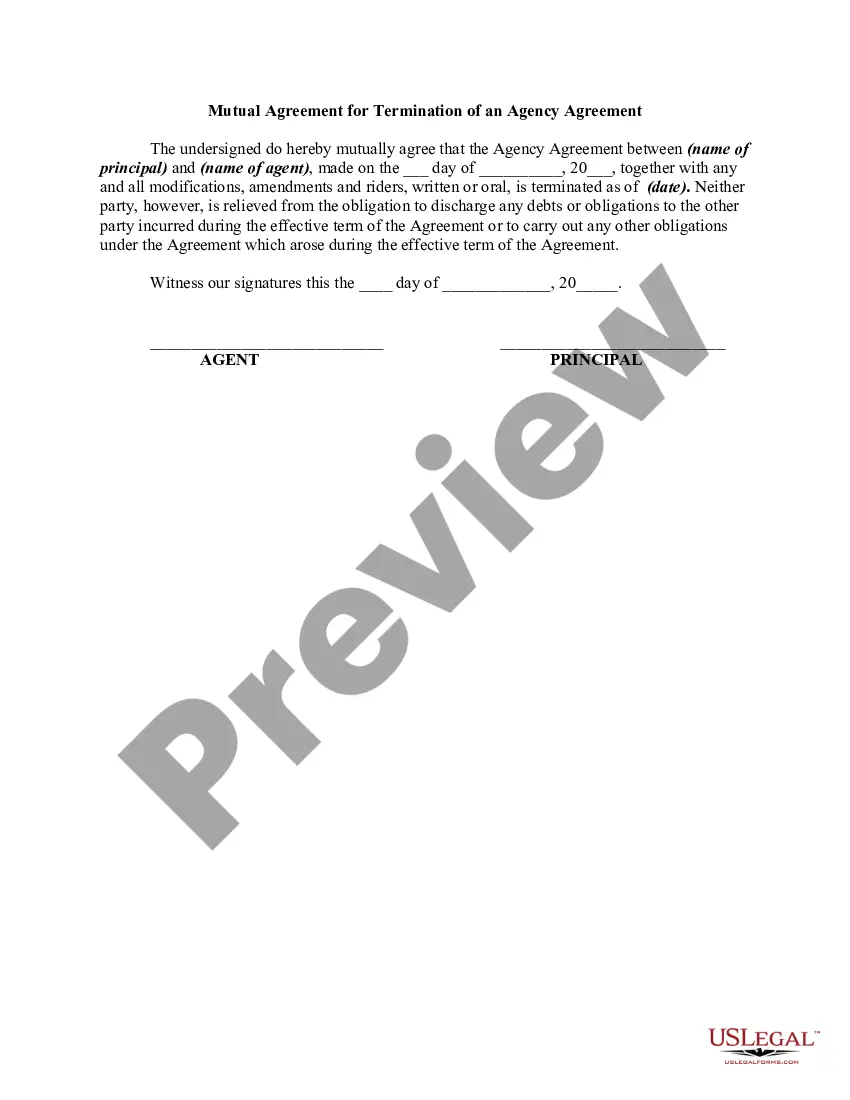
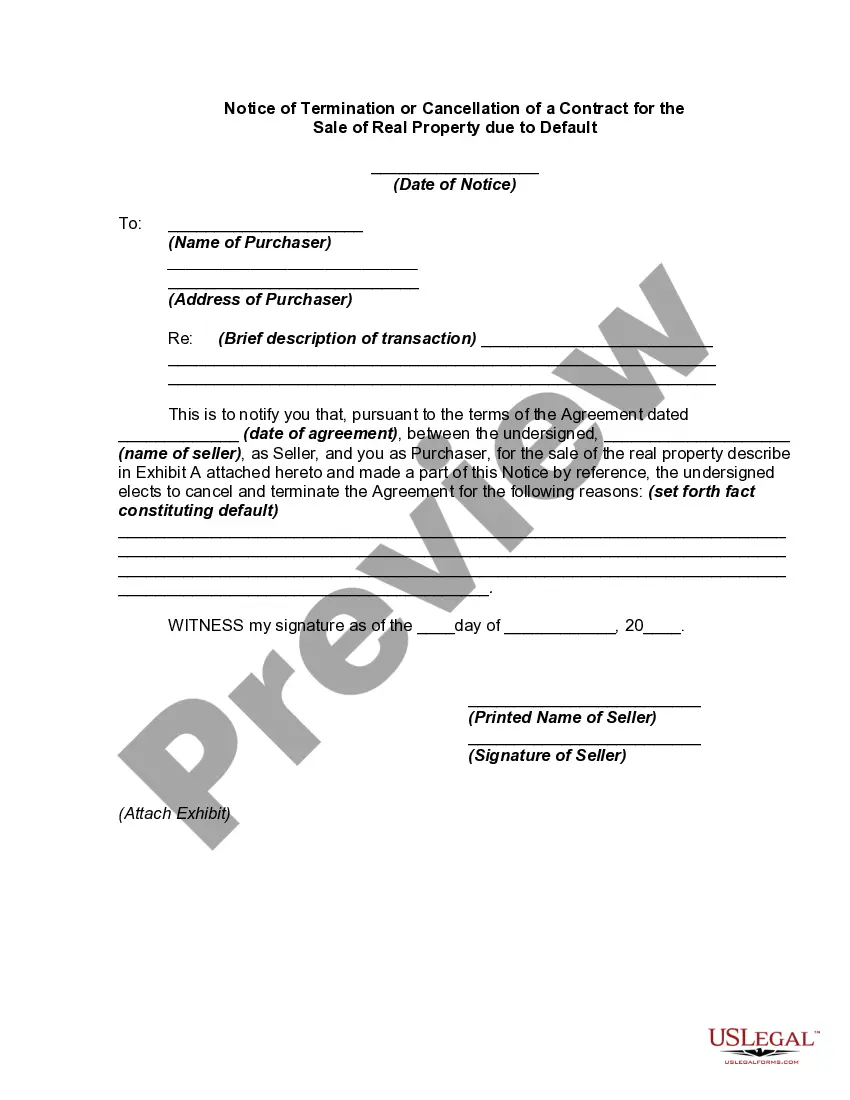

Get your form ready online
Our built-in tools help you complete, sign, share, and store your documents in one place.
Make edits, fill in missing information, and update formatting in US Legal Forms—just like you would in MS Word.
Download a copy, print it, send it by email, or mail it via USPS—whatever works best for your next step.
Sign and collect signatures with our SignNow integration. Send to multiple recipients, set reminders, and more. Go Premium to unlock E-Sign.
If this form requires notarization, complete it online through a secure video call—no need to meet a notary in person or wait for an appointment.
We protect your documents and personal data by following strict security and privacy standards.

Make edits, fill in missing information, and update formatting in US Legal Forms—just like you would in MS Word.

Download a copy, print it, send it by email, or mail it via USPS—whatever works best for your next step.

Sign and collect signatures with our SignNow integration. Send to multiple recipients, set reminders, and more. Go Premium to unlock E-Sign.

If this form requires notarization, complete it online through a secure video call—no need to meet a notary in person or wait for an appointment.

We protect your documents and personal data by following strict security and privacy standards.
Looking for another form?








Form popularity
FAQ
Comment: A termination without cause provision (also called a “termination for convenience” clause) permits one or both parties to terminate the agreement at any time after an initial contracting period.
Legal Grounds for Early Termination Mutual Agreement: Both parties may agree to terminate the contract early. Termination Clauses: Many contracts include specific clauses that outline the conditions under which the contract may be terminated before its natural conclusion.
Understanding termination without cause In Canada, a termination without cause occurs when an employer ends an employee's job without specific reasons related to serious workplace misconduct or insubordination (known as termination “for cause”). It's akin to being laid off or let go without being at fault.
A Termination Without Cause clause is a contractual provision that allows one or both parties to terminate the agreement without stating a specific reason or cause, typically upon providing advance written notice and subject to certain conditions or consequences.
California Is an “At-Will” State This means that all employers have the right to terminate employees at will, for almost any reason, or for no reason at all. This does not, however, mean that an employer can fire someone out of discrimination, harassment, or retaliation.
Under California law, employer must provide to employee: Notice to Employee As To Change In Relationship, Final Paycheck, Notification of Coverage Options, Notice of COBRA Continuation Rights, COBRA Election Notice, HIPP Notice, and Notice of Retirement Benefits.
Under Labor Code Section 202, when an employee not having a written contact for a definite period quits his or her employment and gives 72 hours prior notice of his or her intention to quit, and quits on the day given in the notice, the employee is entitled to his or her wages at the time of quitting.
Termination for cause is the dismissal of an employee for a satisfactory reason. An employee may be fired for various reasons that may include misconduct, fraud and disclosure of confidential information.
Termination with cause occurs when an employer ends your employment for a specific reason, such as violating company policies, poor performance, or inappropriate behavior. These are not minor issues but serious actions or patterns that demonstrate you're no longer fit for the job.
Introduction to No Cause Termination in California California is one of the few states in the U.S. that operates under an at-will employment framework, allowing employers to terminate employees without providing a specific reason.
