Cancellation Form Fillable With Calculations In San Diego
Description
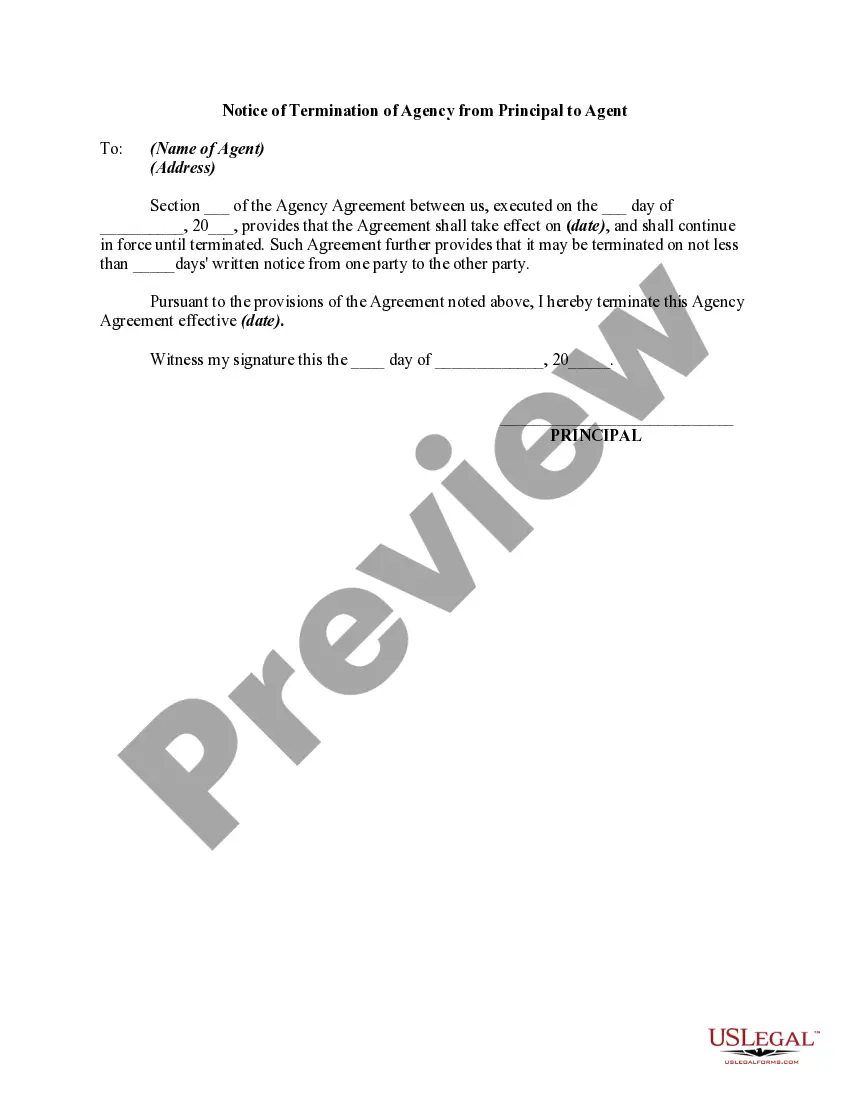
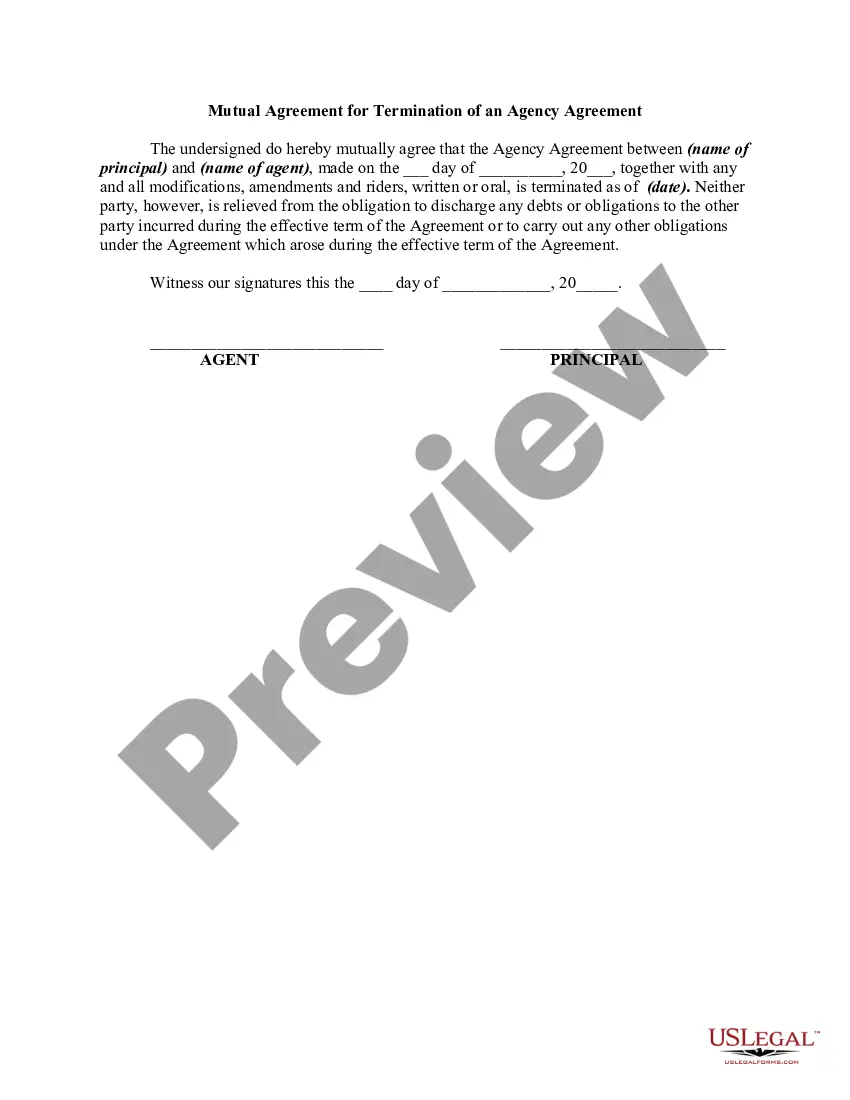
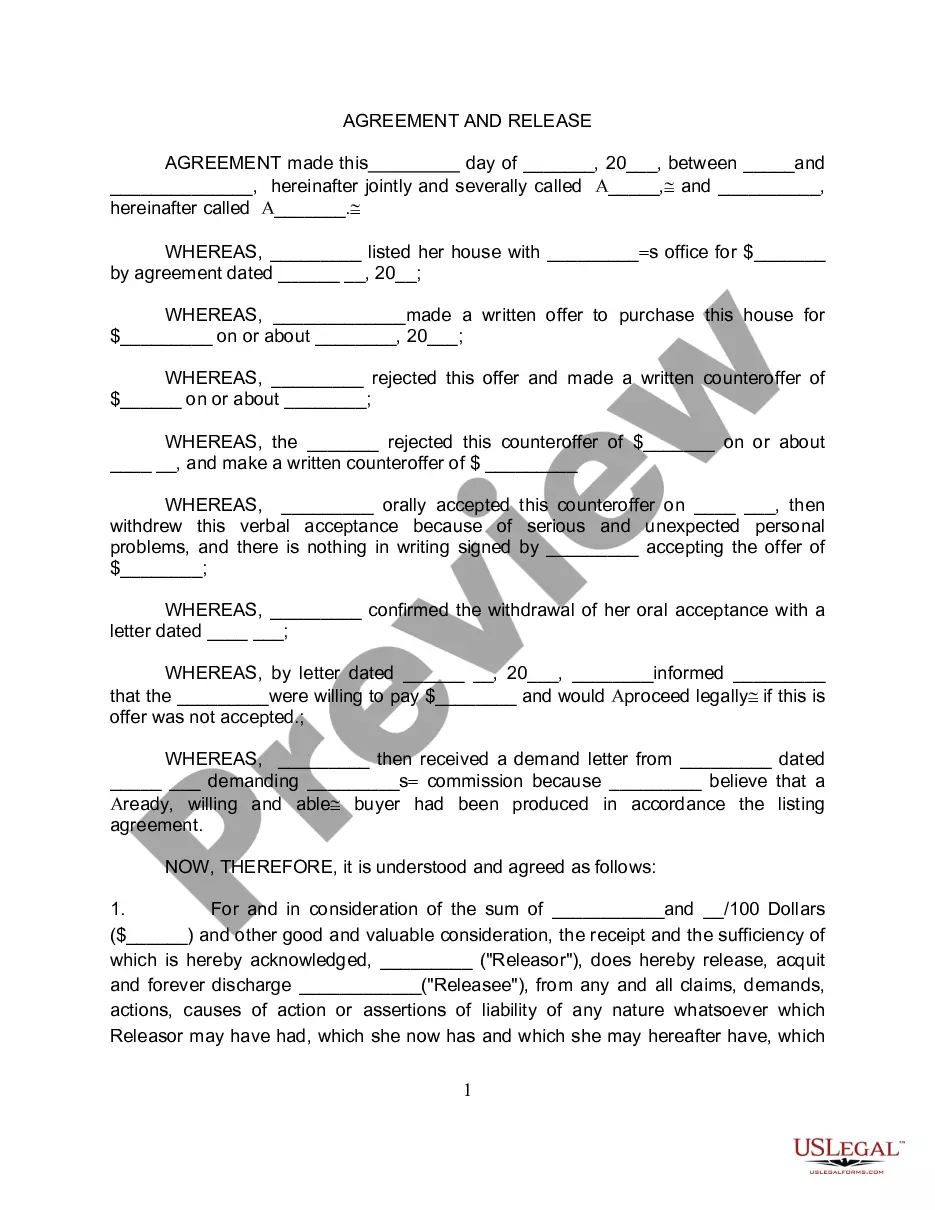
Get your form ready online
Our built-in tools help you complete, sign, share, and store your documents in one place.
Make edits, fill in missing information, and update formatting in US Legal Forms—just like you would in MS Word.
Download a copy, print it, send it by email, or mail it via USPS—whatever works best for your next step.
Sign and collect signatures with our SignNow integration. Send to multiple recipients, set reminders, and more. Go Premium to unlock E-Sign.
If this form requires notarization, complete it online through a secure video call—no need to meet a notary in person or wait for an appointment.
We protect your documents and personal data by following strict security and privacy standards.

Make edits, fill in missing information, and update formatting in US Legal Forms—just like you would in MS Word.

Download a copy, print it, send it by email, or mail it via USPS—whatever works best for your next step.

Sign and collect signatures with our SignNow integration. Send to multiple recipients, set reminders, and more. Go Premium to unlock E-Sign.

If this form requires notarization, complete it online through a secure video call—no need to meet a notary in person or wait for an appointment.

We protect your documents and personal data by following strict security and privacy standards.
Looking for another form?

Form popularity
FAQ
It is here that it is determined if probate is required. If the total of all assets of the estate is below $166,250 or if there aren't any assets that require a complex transfer, the estate may not require a probate in California.
If everything is in order, the court grants 'Letters Testamentary' or 'Letters of Administration,' officially appointing the executor or administrator. This person is now legally able to manage the estate and is often referred to as the personal representative of the estate.
A parent's testamentary trust can be established with instructions that the funds would only be distributed to the beneficiaries following a specific milestone. For example, funds from the trust would not be distributed to a decedent's children until they turn 18 years of age.
Civil Division | Superior Court of California - County of San Diego.
Fill out the Summons (form SUM-100) and a Complaint. Also, fill out a Civil Case Cover Sheet (form CM-010). Since you are the one filing a lawsuit, you're called the plaintiff. The person or company you're suing is the defendant.
The San Diego Superior Court now accepts e-Filing for Civil, Probate, Family Law and Family Support Division case types as well as Requests for Domestic Violence Restraining Orders and Gun Violence Restraining Orders.
To begin a civil lawsuit in federal court, the plaintiff files a complaint with the court and “serves” a copy of the complaint on the defendant.
