Termination Contract In Construction In Salt Lake
Description
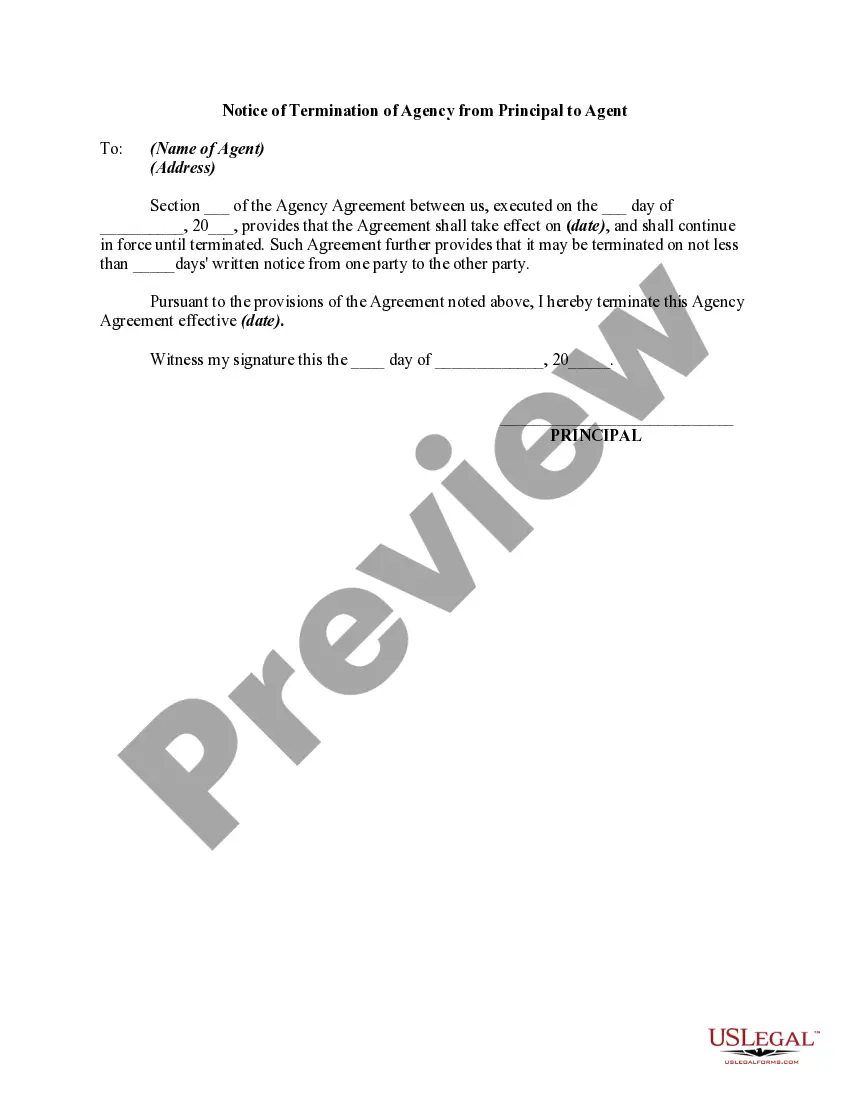
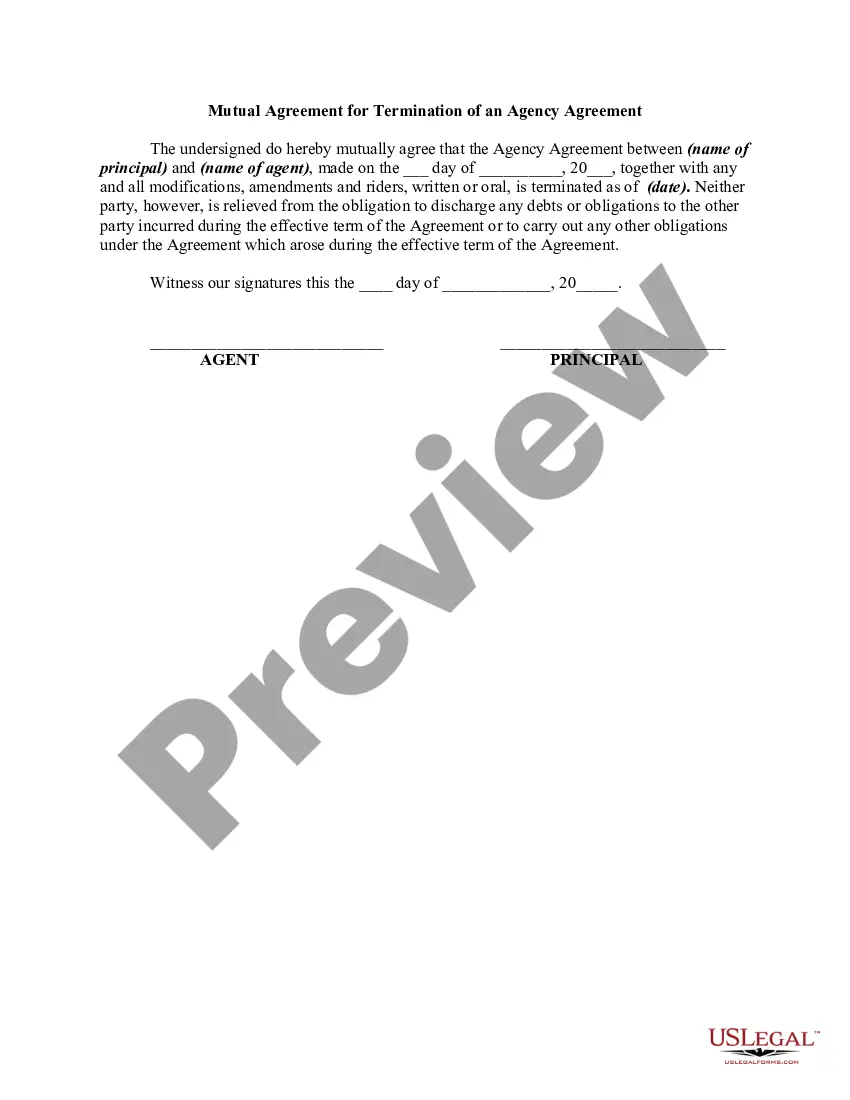
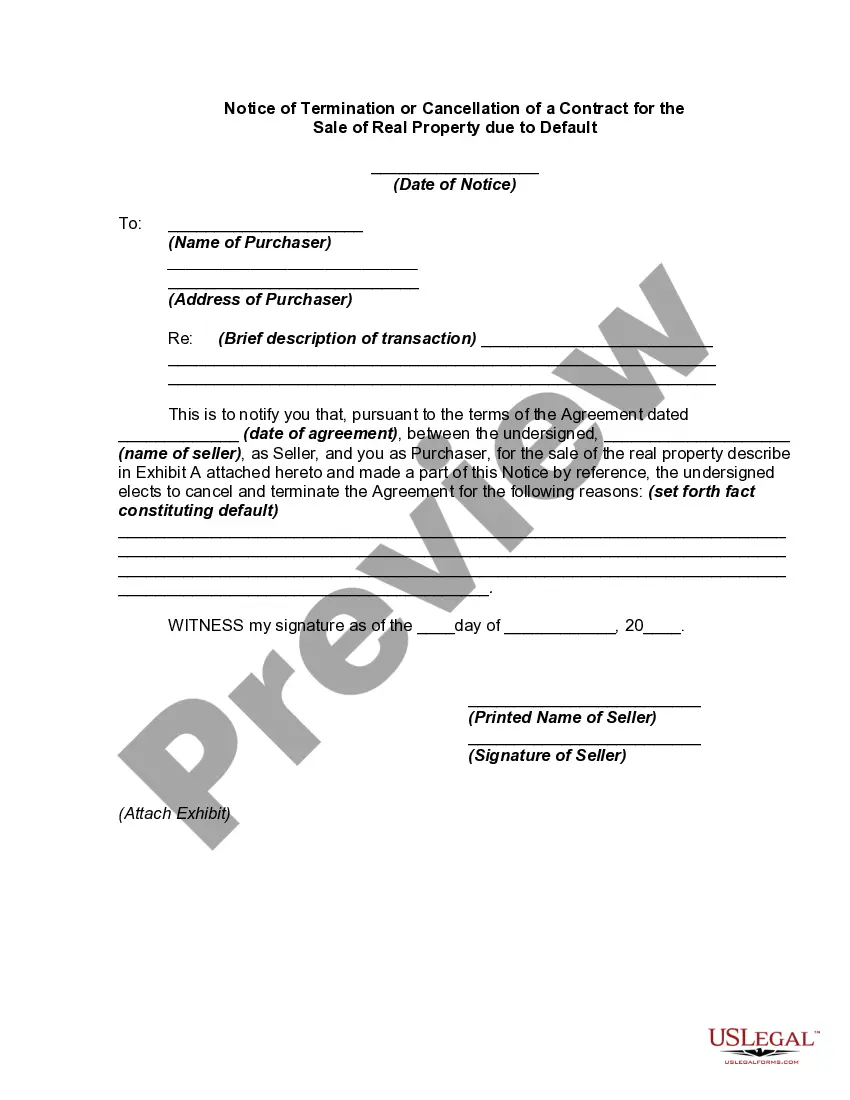
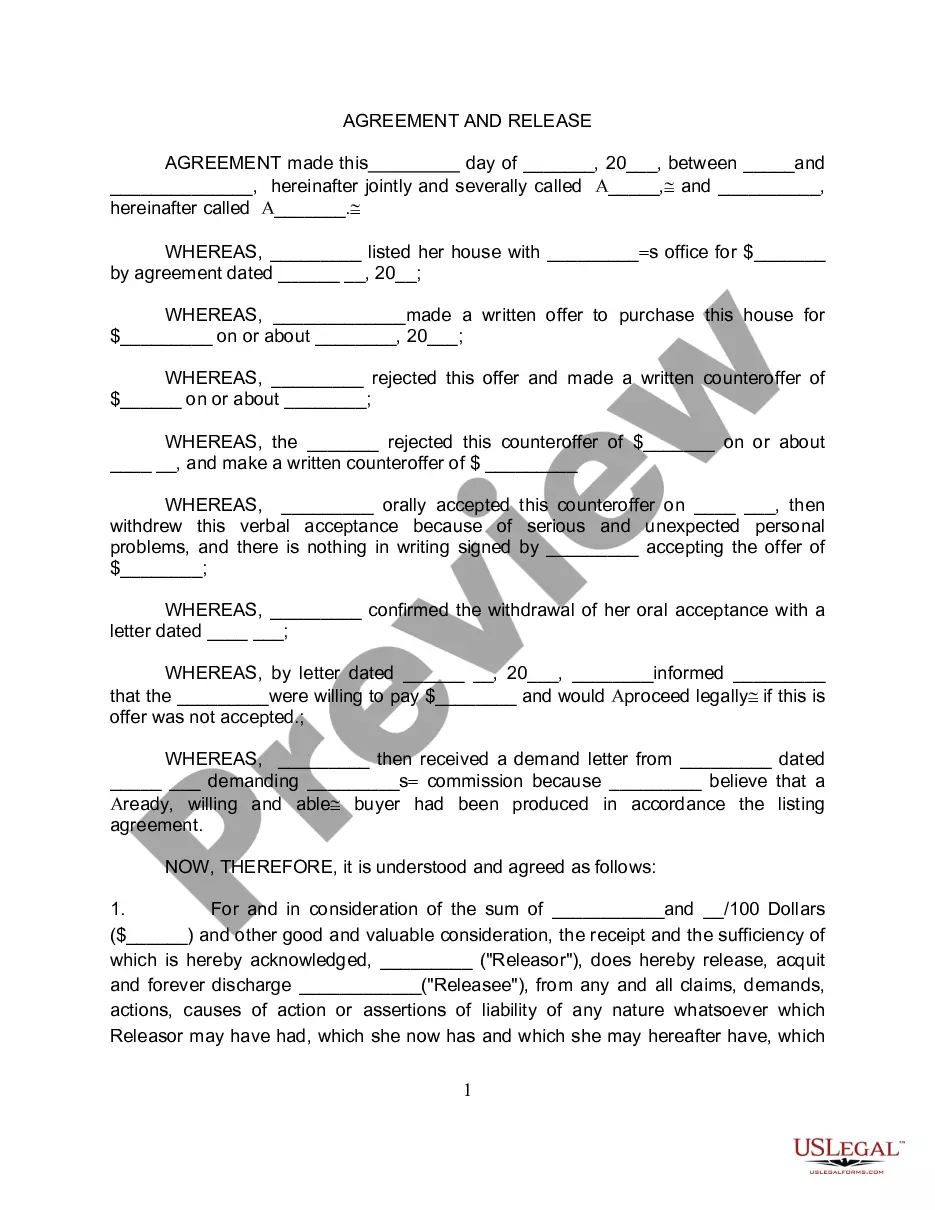
Get your form ready online
Our built-in tools help you complete, sign, share, and store your documents in one place.
Make edits, fill in missing information, and update formatting in US Legal Forms—just like you would in MS Word.
Download a copy, print it, send it by email, or mail it via USPS—whatever works best for your next step.
Sign and collect signatures with our SignNow integration. Send to multiple recipients, set reminders, and more. Go Premium to unlock E-Sign.
If this form requires notarization, complete it online through a secure video call—no need to meet a notary in person or wait for an appointment.
We protect your documents and personal data by following strict security and privacy standards.

Make edits, fill in missing information, and update formatting in US Legal Forms—just like you would in MS Word.

Download a copy, print it, send it by email, or mail it via USPS—whatever works best for your next step.

Sign and collect signatures with our SignNow integration. Send to multiple recipients, set reminders, and more. Go Premium to unlock E-Sign.

If this form requires notarization, complete it online through a secure video call—no need to meet a notary in person or wait for an appointment.

We protect your documents and personal data by following strict security and privacy standards.
Looking for another form?








Form popularity
FAQ
To cancel a contract, take the following steps: Make sure you send the cancellation notice within the time allowed. Always cancel in writing. You can use the cancellation form or send a letter. Keep a copy of your cancellation notice or letter. Send your cancellation notice by certified mail, return receipt.
The main ways that a contract can be discharged include through performance, breach, agreement or frustration. Discharge of a contract by performance. Discharge of a contract by breach. Discharge of contract by agreement. Discharge of contract by frustration.
Some of the most common are nonpayment by the owner or contractor, nonperformance by the contractor or subcontractors, timeliness of performance, lack of communication or simply an inability to get along.
Typically, a contract will require a series of notices to be issued by the complainant prior to termination. 2 These notices are to be followed by a grace period, allowing the defaulting party the opportunity to remedy the breach before termination of the contract becomes effective.
The consumer's written notice of cancellation must be sent to the contractor at the address specified in the contract or offer. If the notice is given by mail, it is effective when it is deposited in the mail, properly addressed, with postage prepaid.
Termination grounds: A termination clause outlines the conditions or grounds under which parties can terminate the contract. These grounds may include failure to meet performance expectations, contract breach or nonperformance, mutual agreement, insolvency, and change in circumstances.
Where there is an active fixed term or periodic tenancy under management, this Agreement may be terminated by either party by way of three months' written notice. Where a tenancy comes to a natural end, no notice needs to be provided to terminate the Agreement by either party.
Backing out after signing the contract For example, it's perfectly legal for a buyer to back out of a signed contract if the contract included contingencies that were not met. Contingencies outline specific conditions that must be fulfilled in order for the deal to be closed.
The common method of contract termination is satisfactory fulfillment of all contractual obligations on the part of both parties. Another two typical bases for termination of contract is material breach of contract and default, or failure to perform under the contract.
Sometimes an agreement will contain a clause that allows a party to terminate the contract at will. This is called an express right to terminate. Express right to terminate a contract refers to a clause or provision included in a contract that allows one or both parties to end the agreement under certain circumstances.

