Listing Agreement Cancellation Clause With Multiple Parties In Queens
Description
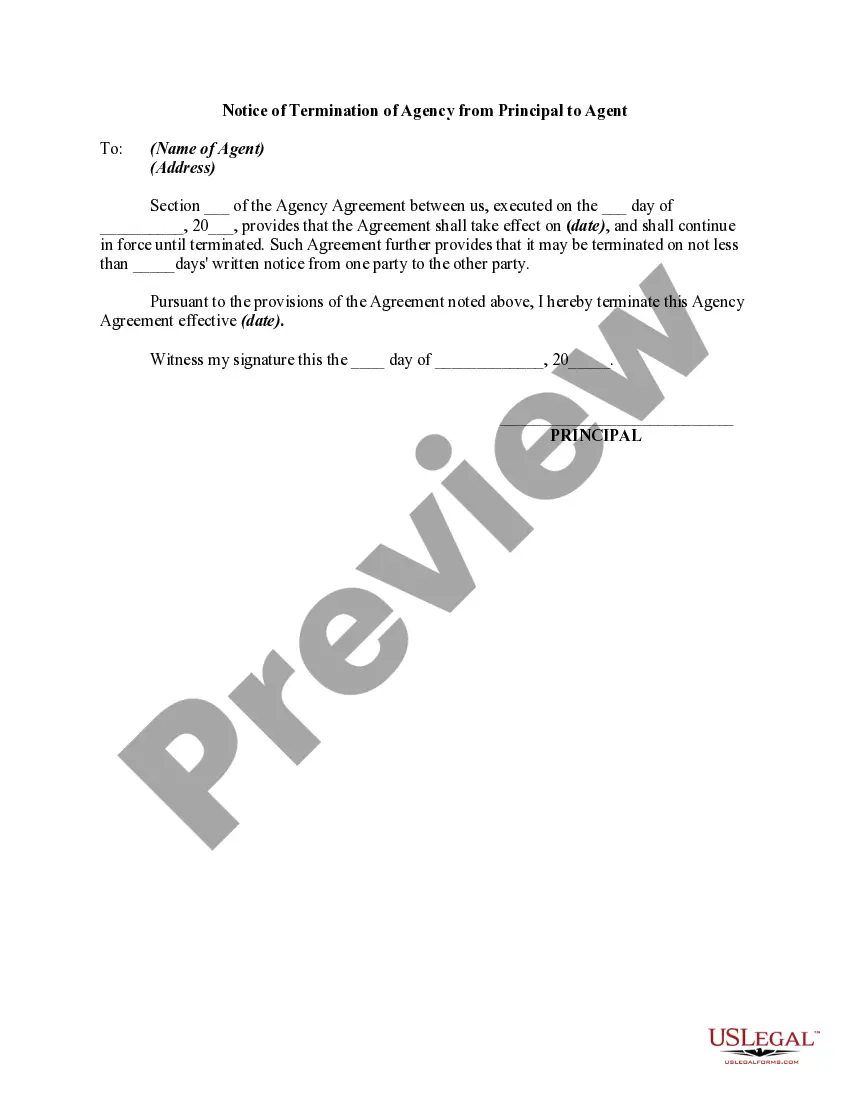
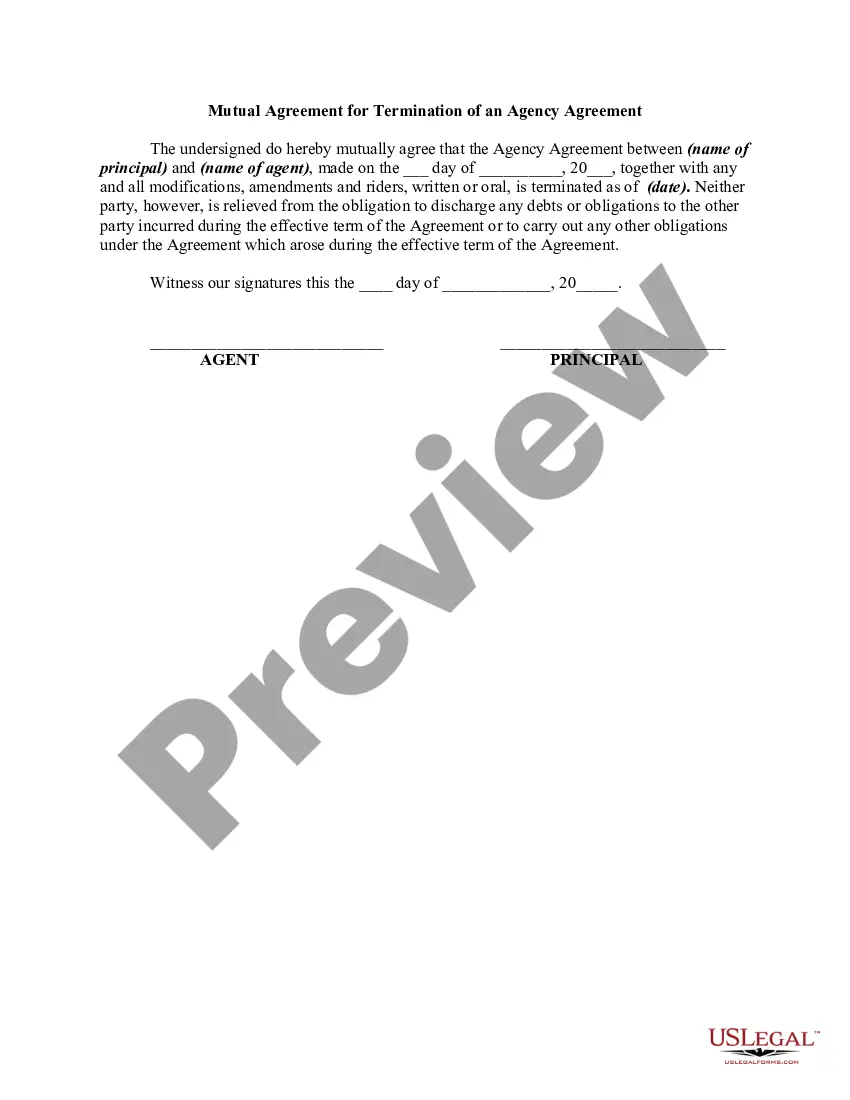
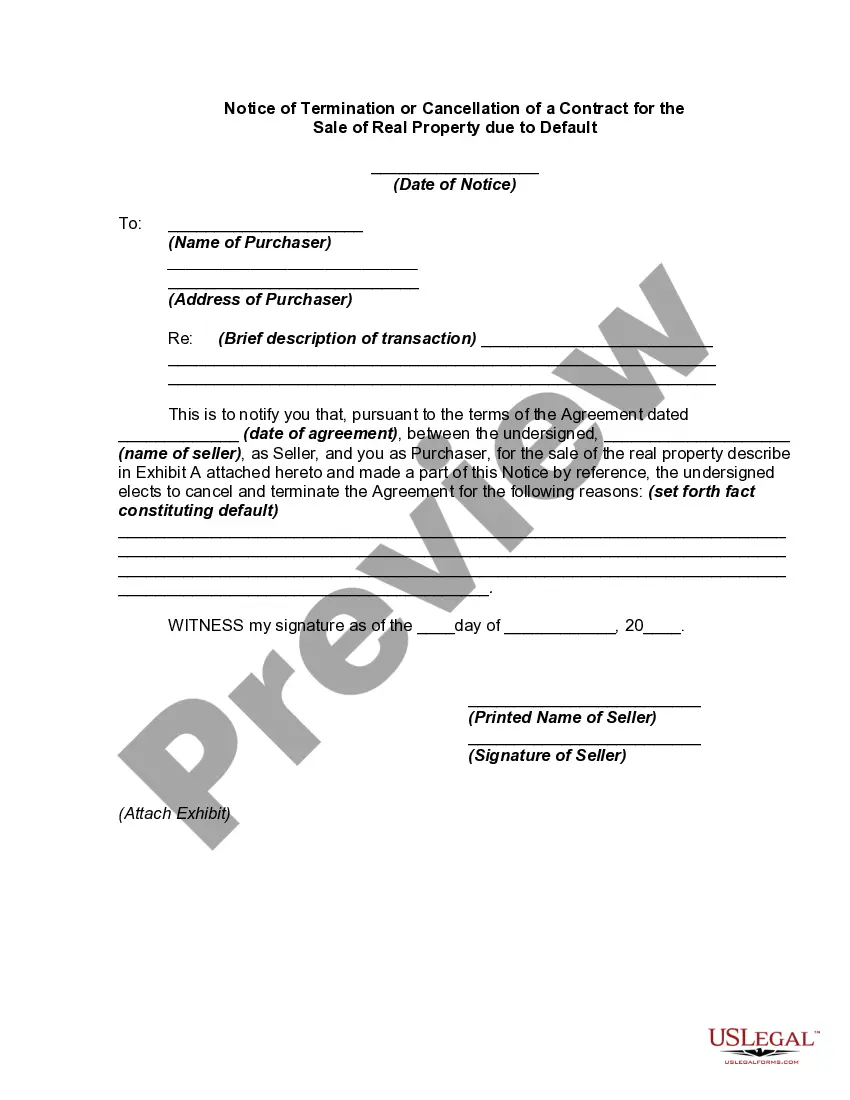
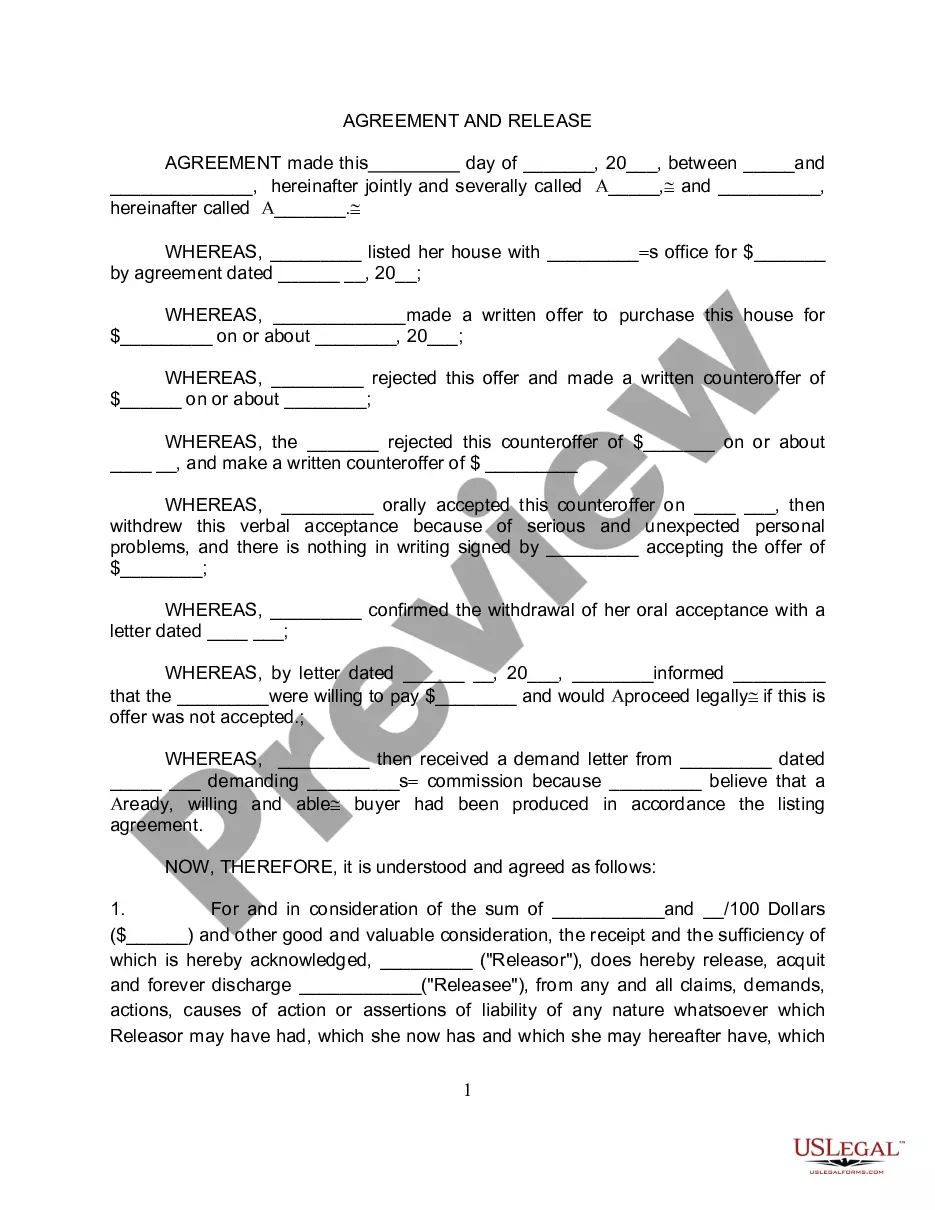
Get your form ready online
Our built-in tools help you complete, sign, share, and store your documents in one place.
Make edits, fill in missing information, and update formatting in US Legal Forms—just like you would in MS Word.
Download a copy, print it, send it by email, or mail it via USPS—whatever works best for your next step.
Sign and collect signatures with our SignNow integration. Send to multiple recipients, set reminders, and more. Go Premium to unlock E-Sign.
If this form requires notarization, complete it online through a secure video call—no need to meet a notary in person or wait for an appointment.
We protect your documents and personal data by following strict security and privacy standards.

Make edits, fill in missing information, and update formatting in US Legal Forms—just like you would in MS Word.

Download a copy, print it, send it by email, or mail it via USPS—whatever works best for your next step.

Sign and collect signatures with our SignNow integration. Send to multiple recipients, set reminders, and more. Go Premium to unlock E-Sign.

If this form requires notarization, complete it online through a secure video call—no need to meet a notary in person or wait for an appointment.

We protect your documents and personal data by following strict security and privacy standards.
Looking for another form?








Form popularity
FAQ
A listing agreement is a binding contract, but there are a number of ways to get out of one. Whether you change your mind about selling, have ethical or performance concerns about the agent, or you just don't find a buyer, you can get out of a listing agreement.
Reasons for termination might include an agent's unsatisfactory performance, the seller changing their mind about selling the property or a mutual decision to otherwise end the contract.
Breach of Contract: If your agent fails to fulfill their obligations as outlined in the listing agreement, you may be able to terminate the contract due to a breach. Common breaches include inadequate marketing efforts, failing to communicate effectively, or not abiding by the terms specified in the agreement.
An agency relationship can be terminated by the completion of the agency, death or incapacity of either party, destruction or condemnation of the property, expiration of the terms of agency, mutual agreement, renunciation by the agent or revocation by the principal, or bankruptcy of the principal.
A listing can be canceled during its term primarily by the seller and the broker. The seller can withdraw their property from the market, while the broker may terminate the agreement based on certain conditions.
The real estate listing agreement would not be terminated when the broker brings the seller an acceptable offer, fulfilling the purpose of the agreement. Other scenarios like property destruction, broker's death, or the seller's insanity typically lead to termination. Therefore, the correct option is B.
Whether you change your mind about selling, have ethical or performance concerns about the agent, or you just don't find a buyer, you can get out of a listing agreement. But before you sign one, you should understand your options for terminating a listing agreement so you don't feel stuck in a bad situation.
A listing agreement is a contract between a property owner and a real estate broker that authorizes the broker to represent the seller and find a buyer for the property. The three types of real estate listing agreements are open listing, exclusive agency listing, and exclusive right-to-sell listing.
Whether you change your mind about selling, have ethical or performance concerns about the agent, or you just don't find a buyer, you can get out of a listing agreement.
The exclusive right to sell listing agreement is the most common type of agreement in real estate. Under this arrangement, the broker is given exclusive rights to market the property for a set period.

