Termination Of Contract For Frustration In Pima
Description
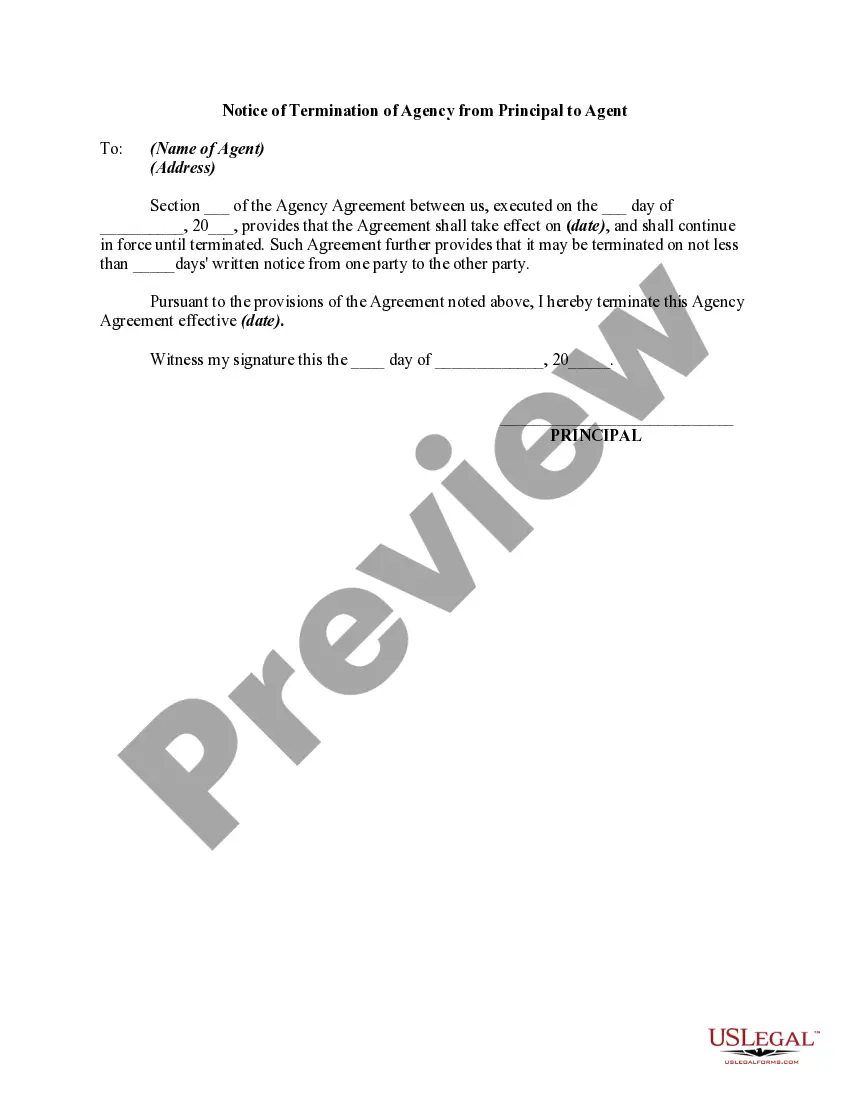
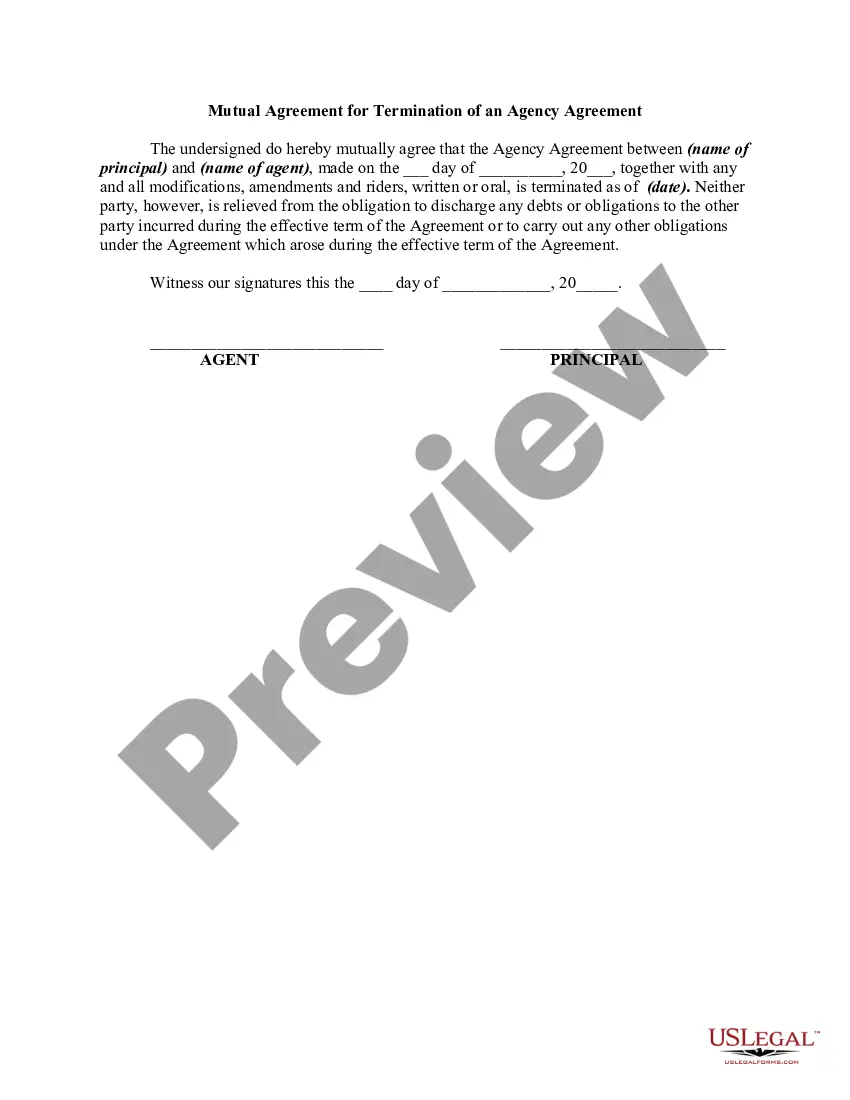
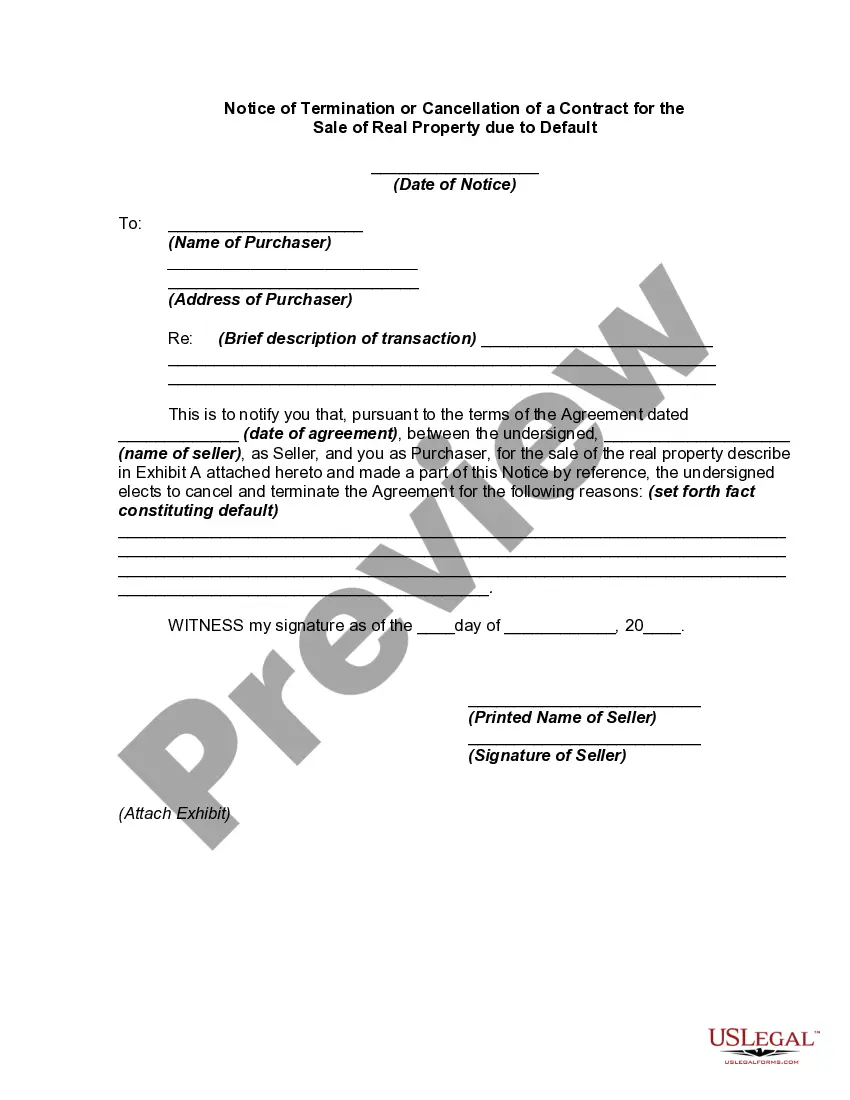
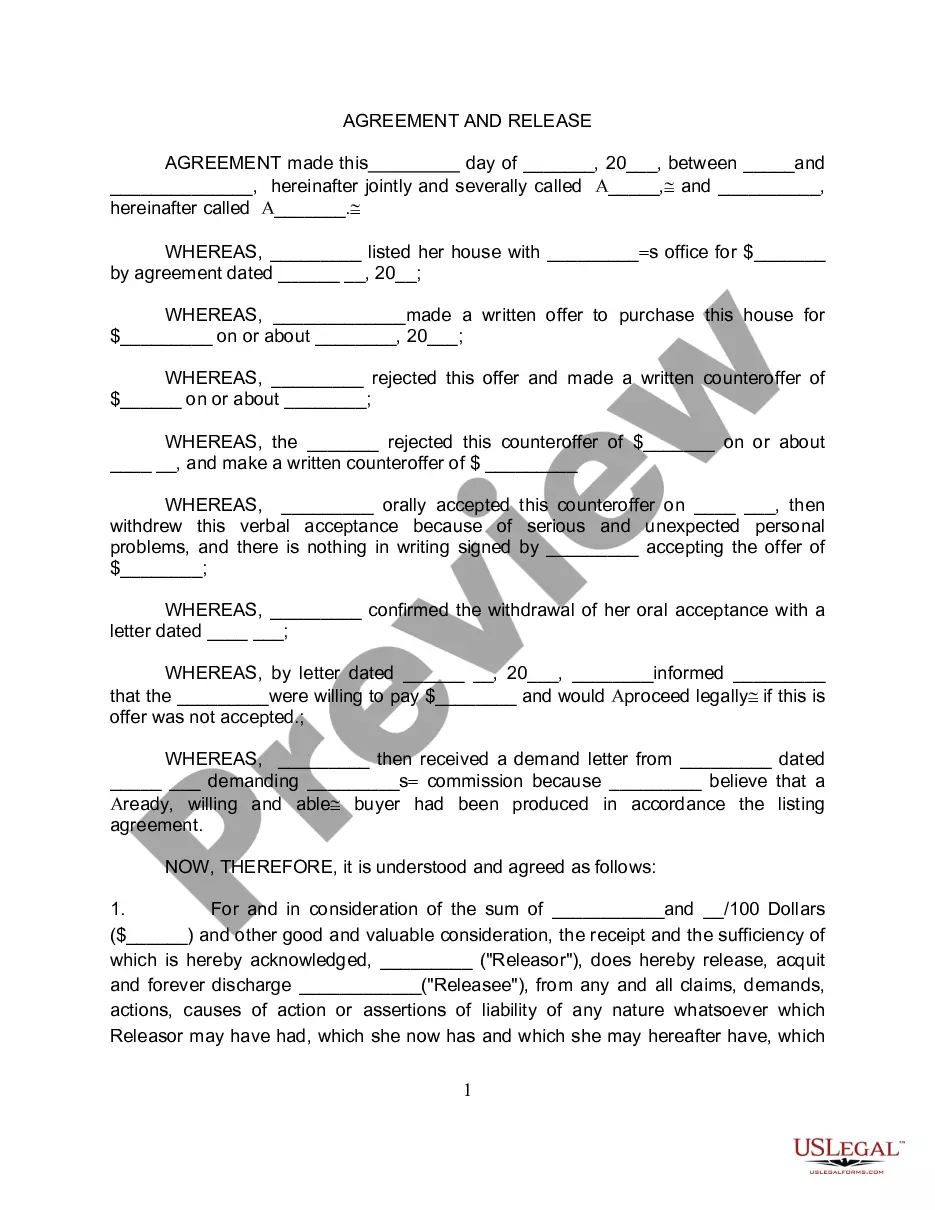
Get your form ready online
Our built-in tools help you complete, sign, share, and store your documents in one place.
Make edits, fill in missing information, and update formatting in US Legal Forms—just like you would in MS Word.
Download a copy, print it, send it by email, or mail it via USPS—whatever works best for your next step.
Sign and collect signatures with our SignNow integration. Send to multiple recipients, set reminders, and more. Go Premium to unlock E-Sign.
If this form requires notarization, complete it online through a secure video call—no need to meet a notary in person or wait for an appointment.
We protect your documents and personal data by following strict security and privacy standards.

Make edits, fill in missing information, and update formatting in US Legal Forms—just like you would in MS Word.

Download a copy, print it, send it by email, or mail it via USPS—whatever works best for your next step.

Sign and collect signatures with our SignNow integration. Send to multiple recipients, set reminders, and more. Go Premium to unlock E-Sign.

If this form requires notarization, complete it online through a secure video call—no need to meet a notary in person or wait for an appointment.

We protect your documents and personal data by following strict security and privacy standards.
Looking for another form?








Form popularity
FAQ
As mentioned earlier, frustration is a rare remedy in contract law. Since it discharges the contract, it effectively terminates the parties' future obligations. However, it's important to remember that frustration isn't a cure-all solution and not all contractual disputes can be resolved through this doctrine.
Frustration of contract will occur if one of the parties dies or becomes incapacitated. The obvious reason for this is that they can't fulfil their contractual obligations anymore. Importantly, this only applies if the party is an individual, not a company or other legal entity.
At common law, where frustration is established the contract is terminated automatically (in futuro); there is no option to discharge or to perform and, at common law, the loss resulting from the termination lies where it falls (although there are limited exceptions to that rule).
Frustration occurs in certain situations where continuing to perform a contract becomes impossible due to an unforeseen event or series of events at neither party's fault. If a contract is frustrated, both parties are discharged from their obligations to perform under that contract.
In some cases a contract will be brought to an end because of a supervening event that is beyond the control of the parties; for example, a contract between A and B, whereby B agrees to hire A's theatre on a particular night may be frustrated if, as a result of a terrorist act the theatre is destroyed prior to the date ...
The frustration of a contract refers to a legal concept when unforeseen events or circumstances occur that make it impossible or difficult for the parties to fulfill them. These unforeseen circumstances fundamentally alter the terms of the agreement, making it unenforceable, commercially unviable, or impossible.
3 Importantly, to give rise to frustration, the triggering event must cause disruption to contractual performance that is permanent (or at least substantially so), as opposed to temporary or transient. 4 The remedy for frustration is to discharge both parties of their obligations to perform on a going-forward basis.
The best way to end a contract early is to speak with the party you're in contract with. Simple negotiation is often all it takes to reach a favorable resolution. If they don't agree to ending the contract early, consider getting a lawyer to help you determine your next best step.
