Listing Contract In Real Estate In Pima
Description
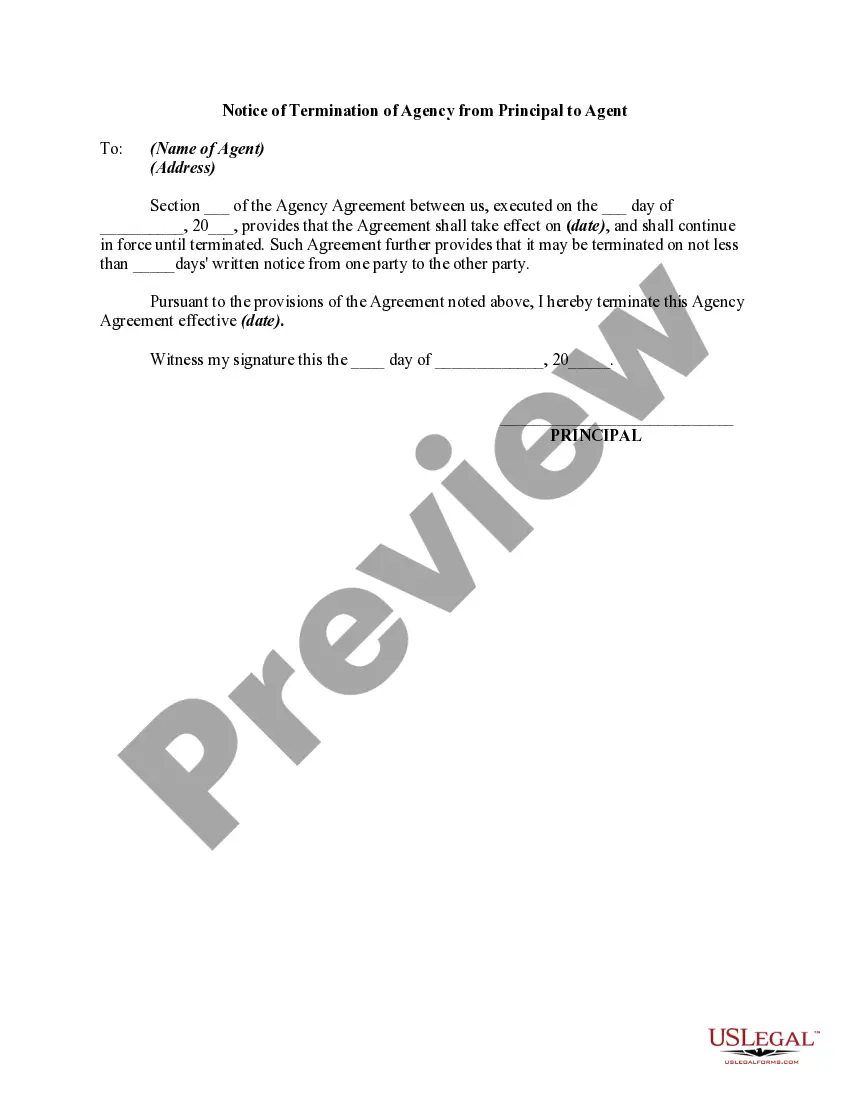
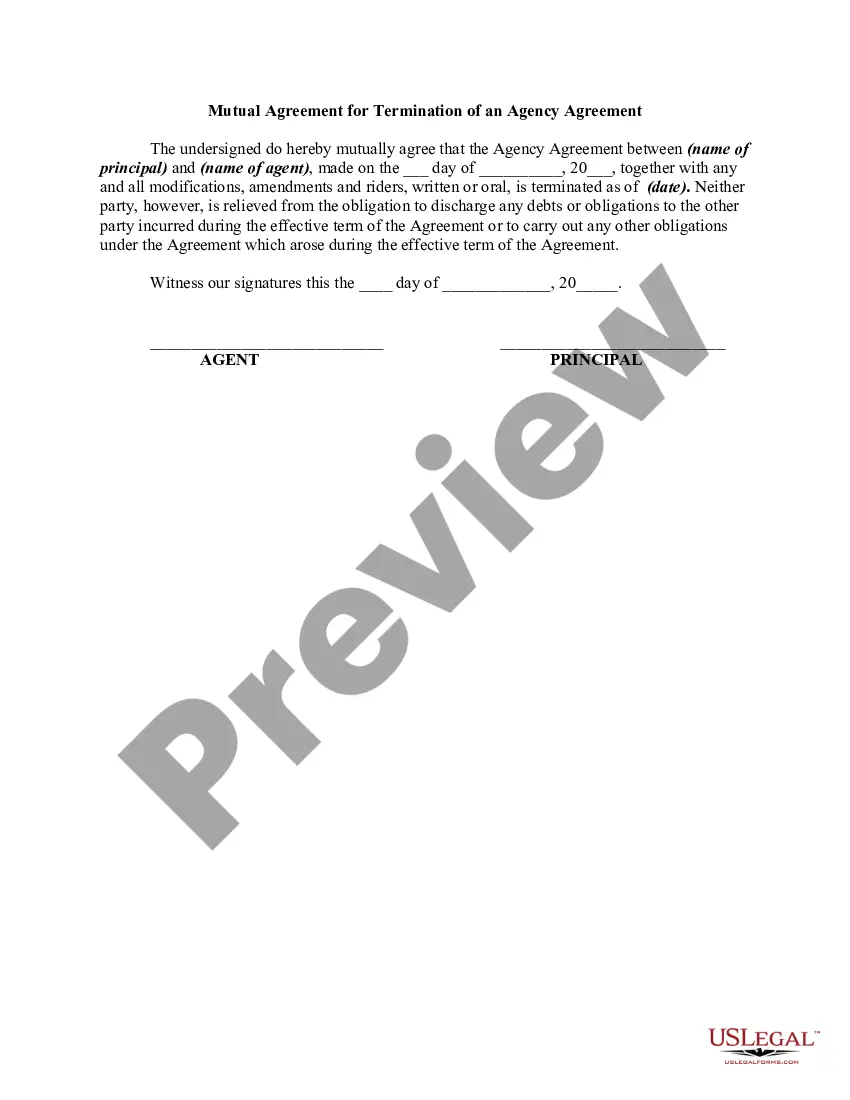
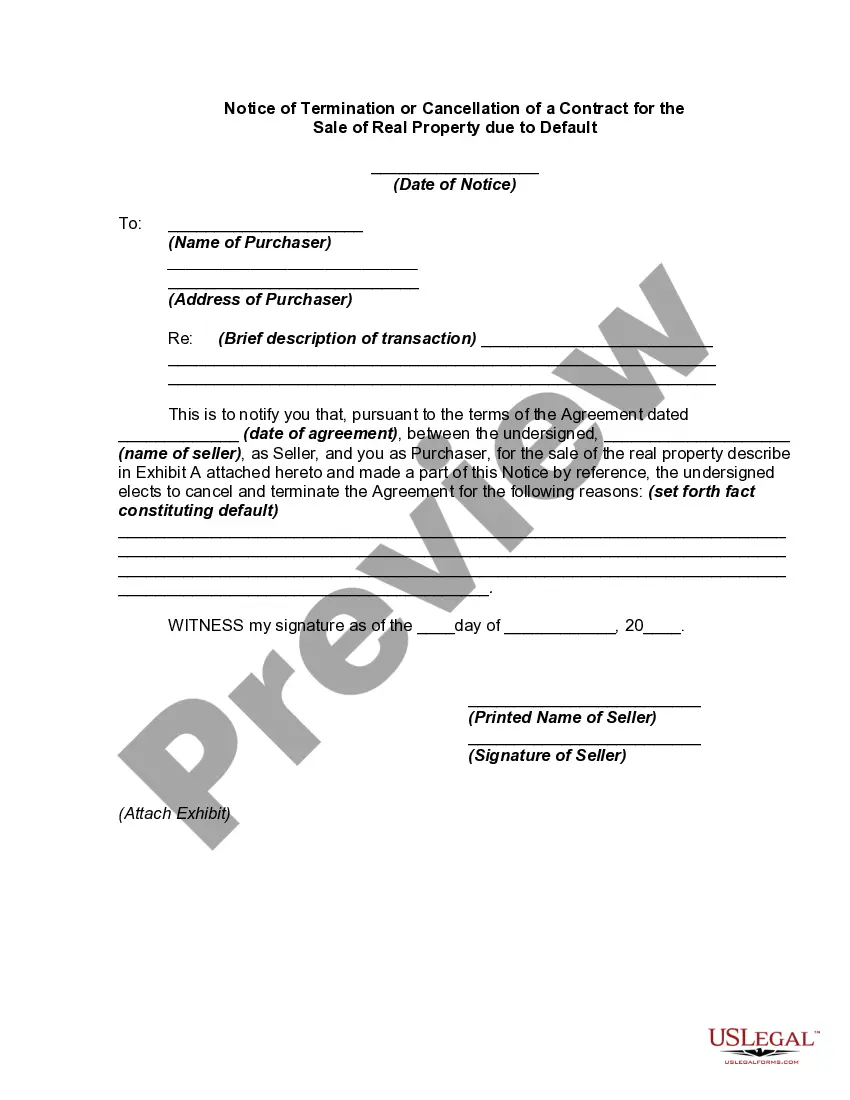

Get your form ready online
Our built-in tools help you complete, sign, share, and store your documents in one place.
Make edits, fill in missing information, and update formatting in US Legal Forms—just like you would in MS Word.
Download a copy, print it, send it by email, or mail it via USPS—whatever works best for your next step.
Sign and collect signatures with our SignNow integration. Send to multiple recipients, set reminders, and more. Go Premium to unlock E-Sign.
If this form requires notarization, complete it online through a secure video call—no need to meet a notary in person or wait for an appointment.
We protect your documents and personal data by following strict security and privacy standards.

Make edits, fill in missing information, and update formatting in US Legal Forms—just like you would in MS Word.

Download a copy, print it, send it by email, or mail it via USPS—whatever works best for your next step.

Sign and collect signatures with our SignNow integration. Send to multiple recipients, set reminders, and more. Go Premium to unlock E-Sign.

If this form requires notarization, complete it online through a secure video call—no need to meet a notary in person or wait for an appointment.

We protect your documents and personal data by following strict security and privacy standards.
Looking for another form?









Form popularity
FAQ
A listing contract (or listing agreement) is a contract between a real estate broker and an owner of real property granting the broker the authority to act as the owner's agent in the sale of the property.
Writing your own contracts is perfectly possible, and legal. But it's also an incredibly bad idea. There's two reasons for this: Property law is complicated. Because it's such a fundamental part of legislation, it's often lots and lots of different laws layered on top of each other.
Listing agreements are usually cancelled only with the mutual consent of the involved parties.
While the right to cancel does exist as an option, it should be exercised cautiously and responsibly. By comprehending the legal parameters, seeking professional guidance, and maintaining open communication, sellers can navigate the intricacies of cancellations while upholding the integrity of the transaction process.
A listing agreement is a type of real estate contract in which a property owner gives a real estate agent or broker the authority to find a buyer for their property. If you decide to sell your home using a realtor, you will likely be asked to sign a listing agreement.
A listing agreement is a written document signed by all owners of real estate or their authorized attorney in fact authorizing a broker to offer or advertise real estate described in such document for sale or lease on specified terms for a defined period of time and is only valid if signed by all owners or their ...
A listing agreement is an example of an agency relationship that is created by express agency. In this context, express agency arises when the principal explicitly states their intention to create an agency relationship with the agent through a written or verbal agreement.
A listing agreement is between the parties that own a property and the agents or brokers who will find a buyer for it. Typically, a real estate listing agreement involves the property owner and a real estate agent. The property owner, or seller, grants the agent the right to market and sell the property.
Though notarization is not required, it may still be a good idea to have a notary present in order to verify the identities of all signers.

