Listing Agreement Cancel Clause With Realtor In Pima
Description
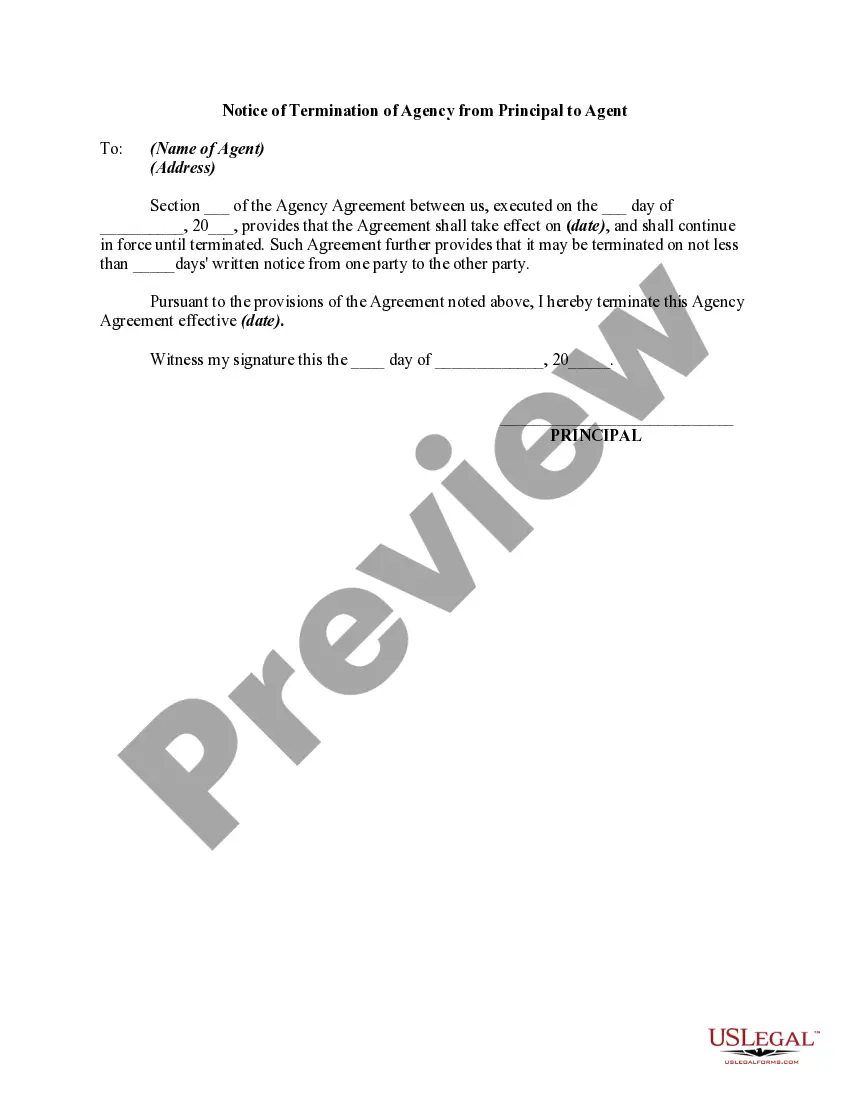
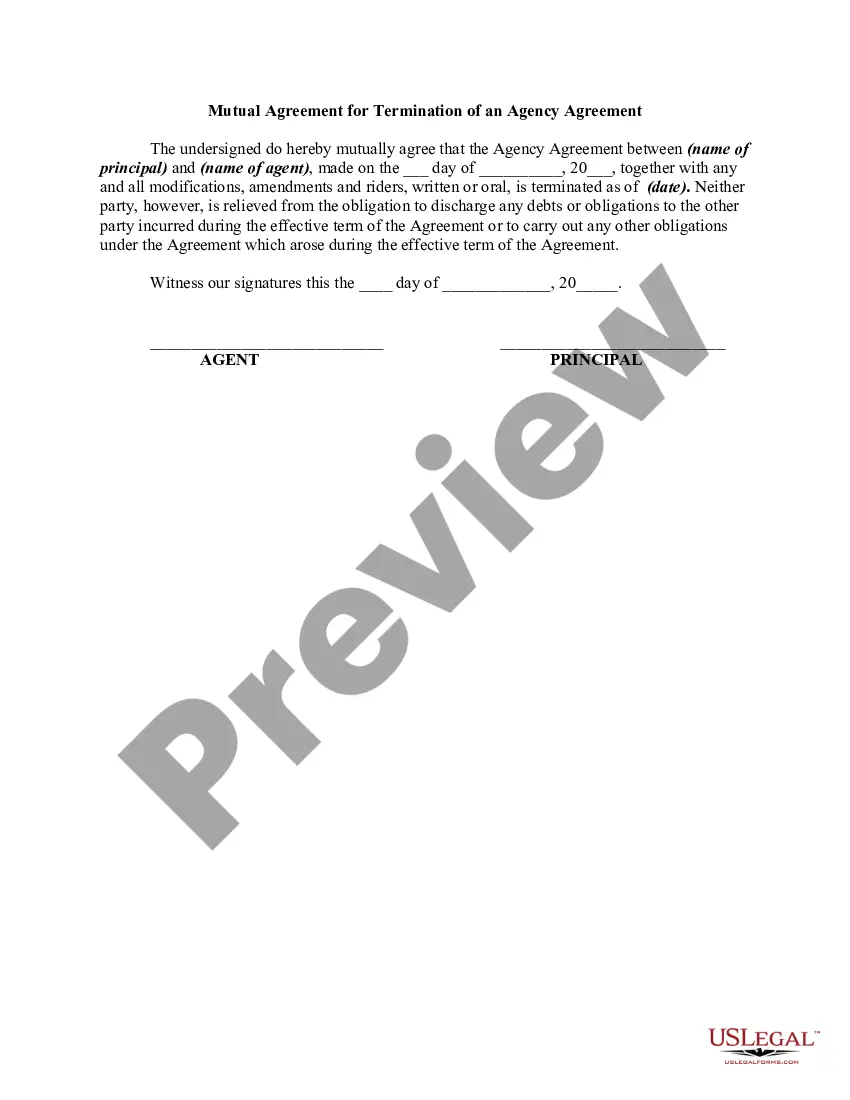
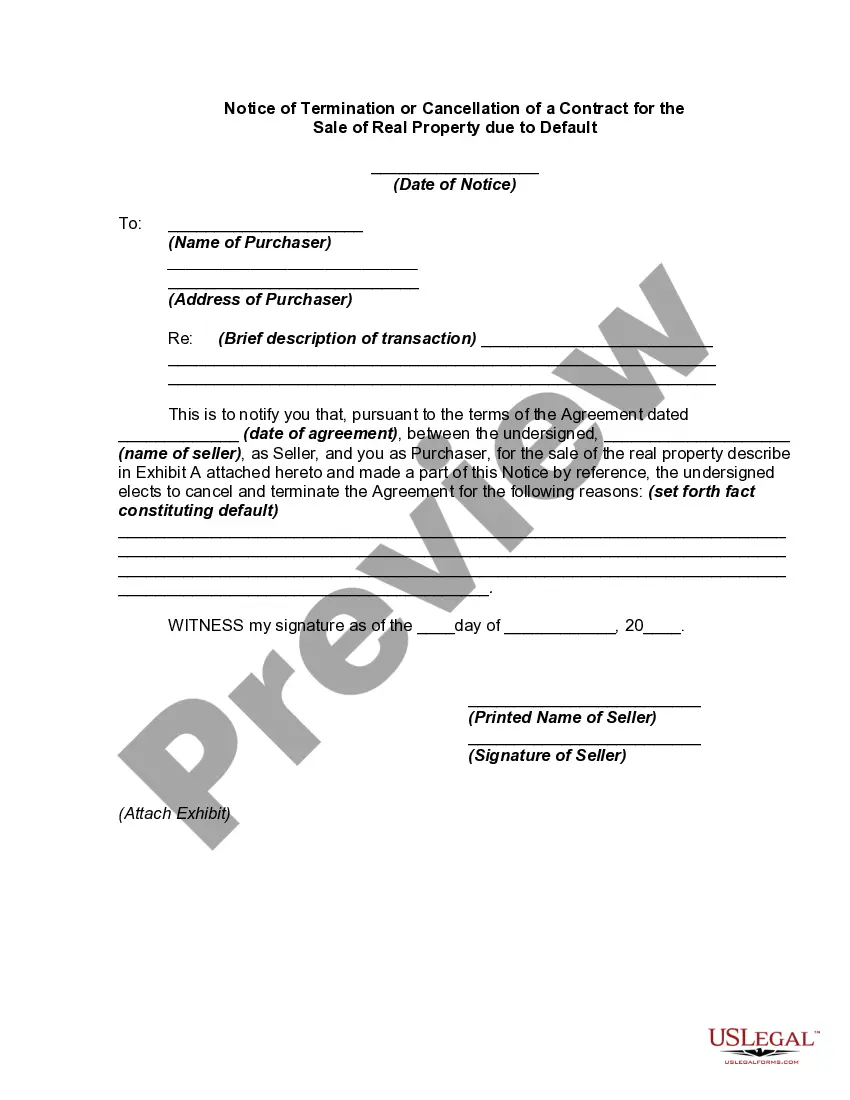

Get your form ready online
Our built-in tools help you complete, sign, share, and store your documents in one place.
Make edits, fill in missing information, and update formatting in US Legal Forms—just like you would in MS Word.
Download a copy, print it, send it by email, or mail it via USPS—whatever works best for your next step.
Sign and collect signatures with our SignNow integration. Send to multiple recipients, set reminders, and more. Go Premium to unlock E-Sign.
If this form requires notarization, complete it online through a secure video call—no need to meet a notary in person or wait for an appointment.
We protect your documents and personal data by following strict security and privacy standards.

Make edits, fill in missing information, and update formatting in US Legal Forms—just like you would in MS Word.

Download a copy, print it, send it by email, or mail it via USPS—whatever works best for your next step.

Sign and collect signatures with our SignNow integration. Send to multiple recipients, set reminders, and more. Go Premium to unlock E-Sign.

If this form requires notarization, complete it online through a secure video call—no need to meet a notary in person or wait for an appointment.

We protect your documents and personal data by following strict security and privacy standards.
Looking for another form?








Form popularity
FAQ
First off, without a defined expiration date, you didn't have a ratified listing agreement. Second, in California, as of 2024, you cannot have a listing agreement term for longer than 24 months, and if you essentially had an indefinite listing agreement, this would be unlawful.
Listing agreements are usually cancelled only with the mutual consent of the involved parties.
Termination clauses can always be customized but standard ones are included in almost every agreement.
Whether you change your mind about selling, have ethical or performance concerns about the agent, or you just don't find a buyer, you can get out of a listing agreement. But before you sign one, you should understand your options for terminating a listing agreement so you don't feel stuck in a bad situation.
Both principals to the listing agreement have the power to revoke the contract at any time. They do not, however, always have the right. That is, client or broker may cancel a listing but remain liable for damages to the other party.
Listing agreements are usually cancelled only with the mutual consent of the involved parties. Depending on the terms of the agreement, a Broker may be not required to cancel the listing at the owner's request. The listing agreement may obligate the consumer monetarily after cancellation.
The seller can allow a listing to be canceled during the term of the agreement. The seller, being the owner of the property, can decide to withdraw his or her property from the market.
If you're set on canceling, send a formal request in writing, either via email or certified letter. Be sure to include your property address, the date, and a clear statement that you're terminating the agreement. If you want to work with a different agent in the future, be clear about the termination timeframe.
Final answer: In terms of a real estate transaction, the ability to cancel a listing during the term of the listing agreement primarily lies with the seller and the broker.
