Termination Letter Template For Employee In Phoenix
Description
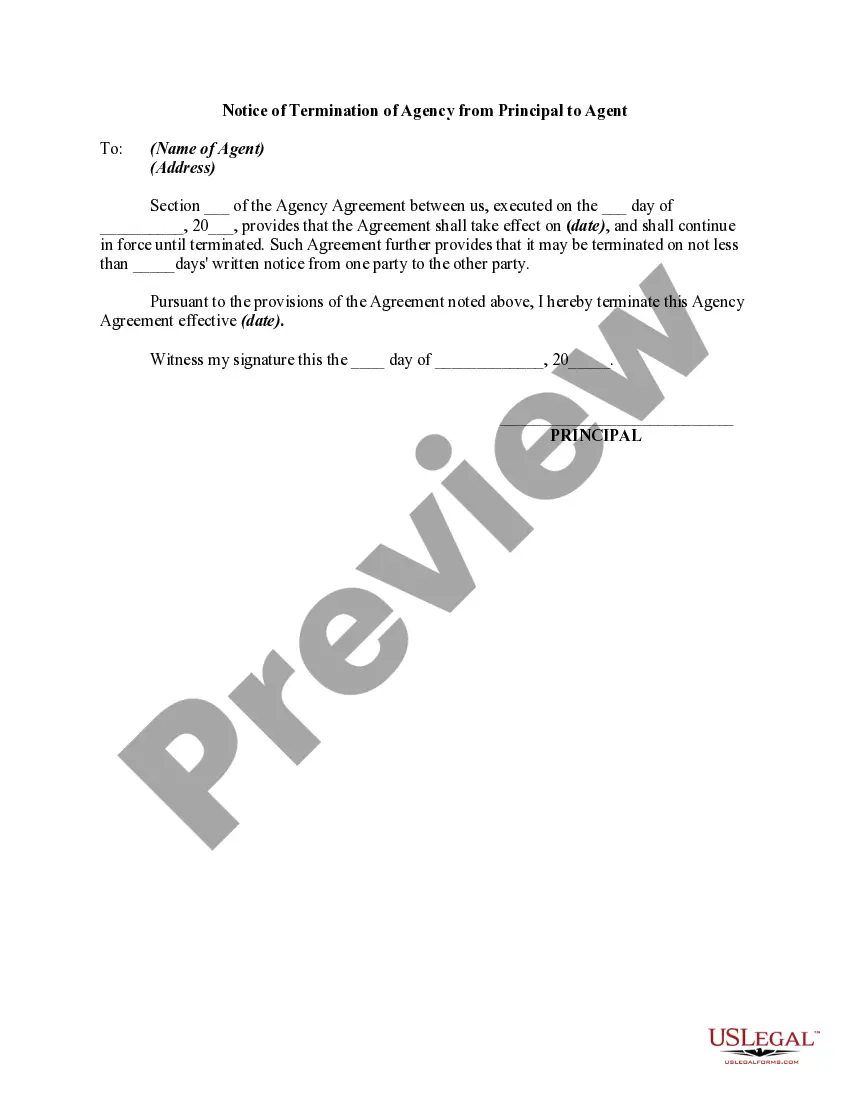
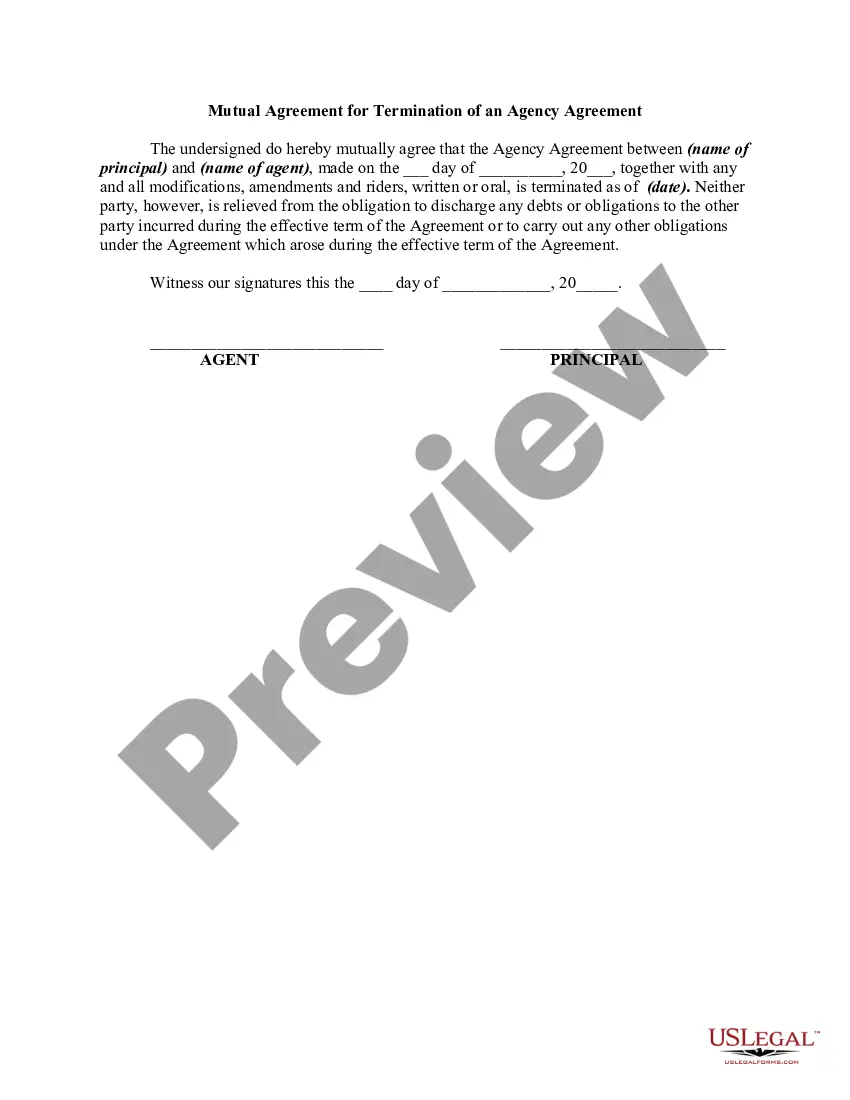
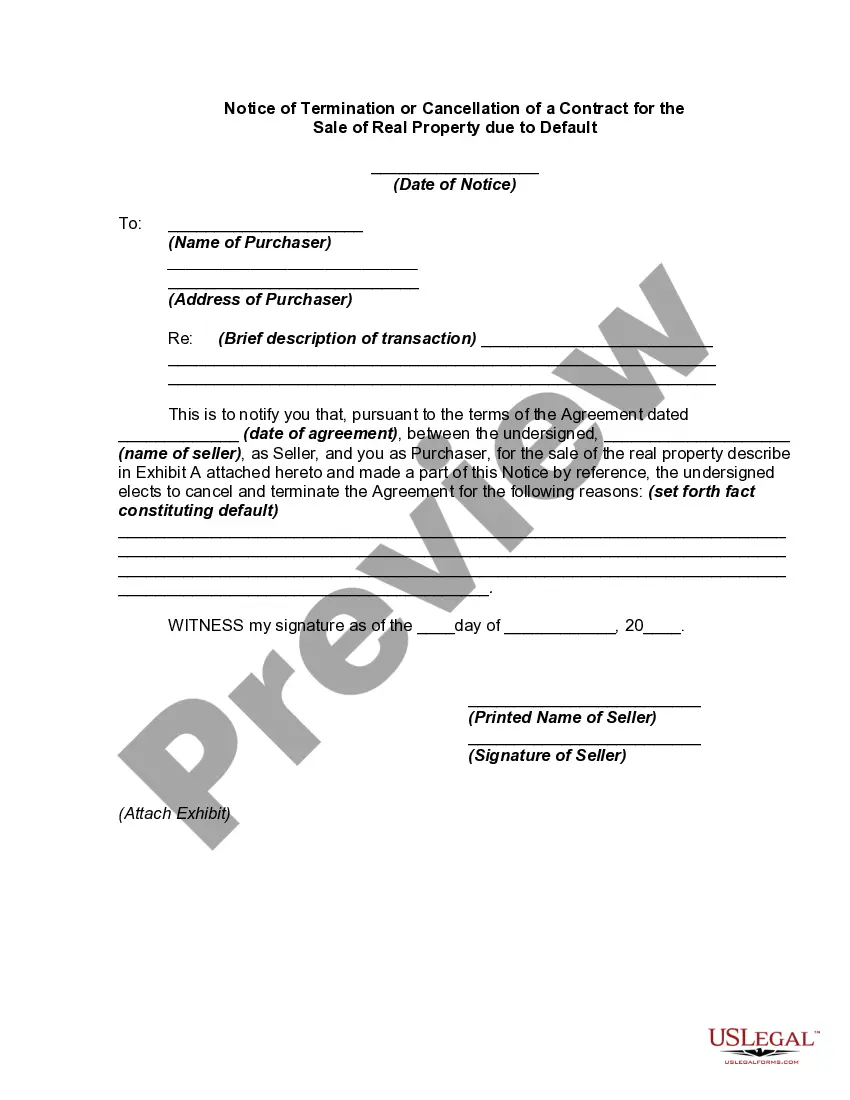
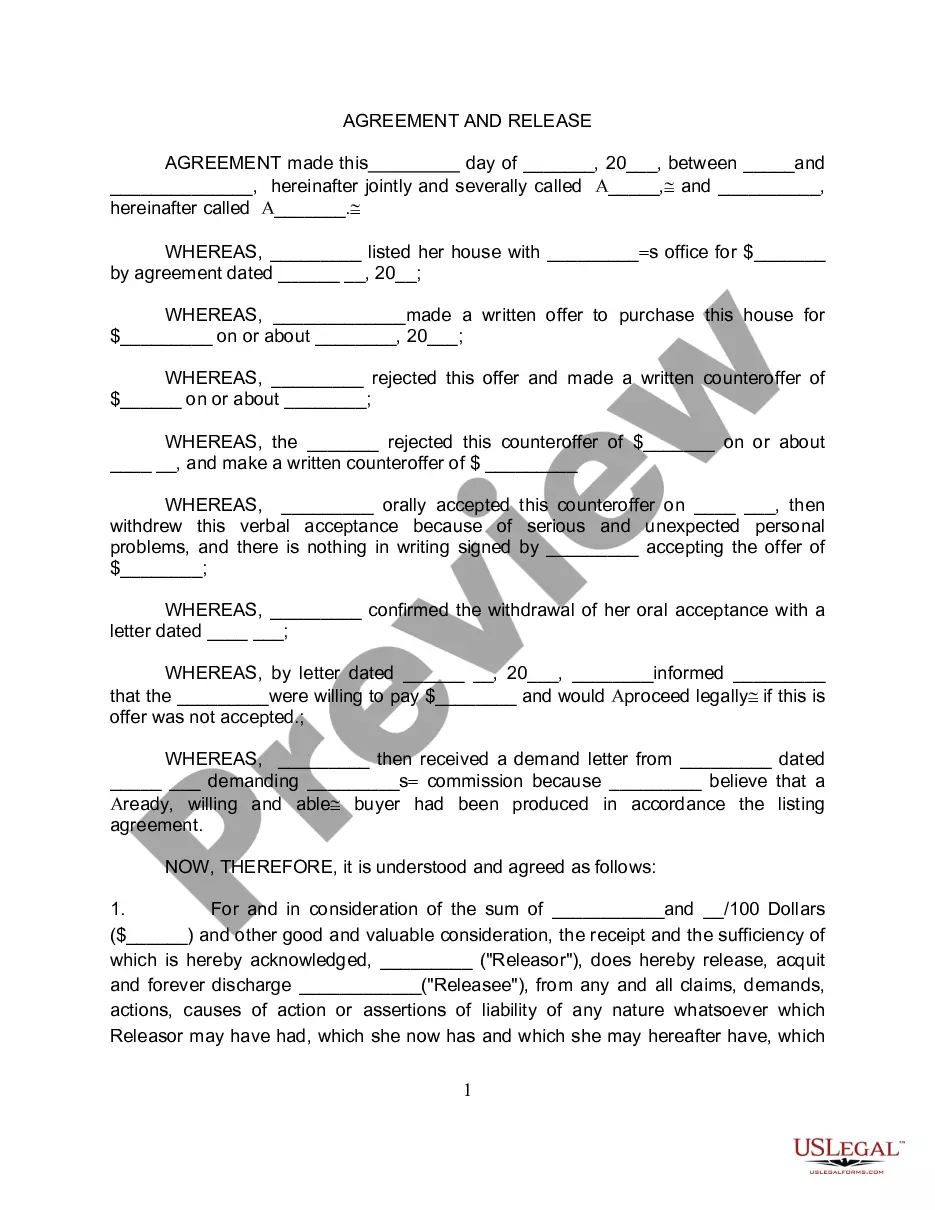
Get your form ready online
Our built-in tools help you complete, sign, share, and store your documents in one place.
Make edits, fill in missing information, and update formatting in US Legal Forms—just like you would in MS Word.
Download a copy, print it, send it by email, or mail it via USPS—whatever works best for your next step.
Sign and collect signatures with our SignNow integration. Send to multiple recipients, set reminders, and more. Go Premium to unlock E-Sign.
If this form requires notarization, complete it online through a secure video call—no need to meet a notary in person or wait for an appointment.
We protect your documents and personal data by following strict security and privacy standards.

Make edits, fill in missing information, and update formatting in US Legal Forms—just like you would in MS Word.

Download a copy, print it, send it by email, or mail it via USPS—whatever works best for your next step.

Sign and collect signatures with our SignNow integration. Send to multiple recipients, set reminders, and more. Go Premium to unlock E-Sign.

If this form requires notarization, complete it online through a secure video call—no need to meet a notary in person or wait for an appointment.

We protect your documents and personal data by following strict security and privacy standards.
Looking for another form?









Form popularity
FAQ
Use a termination letter. This is rarely required by law, but drafting a termination letter gives managers time to carefully think through what to say and how to say it. A termination letter should explain the decision to terminate employment and a general statement of the reasons behind it.
The six critical pieces of information to include are: The effective date of termination. The reason for dismissal. Compensation and benefits information going forward. Company property that is to be returned. Reminder of signed employment documents. Name and contact information for a human resources representative.
How to Write a Termination Letter to an Employee? Always start with the date of drafting the letter, it can be mentioned at either side. Use salutations like 'Dear' and include the entire name of the employee. Be crisp and clear that the company has terminated the services of the employee.
How to write an employee termination letter with ease Choose your tone carefully. Gather all necessary details. Start with basic information. Notify the employee of their termination date. State the reason(s) for termination of employment. Explain compensation and benefits going forward. Outline next steps and disclaimers.
How to fire an employee gracefully Offer opportunities for improvement beforehand. Have HR as a witness. Meet face-to-face. Keep it clear, short, and professional. Before the employee leaves the building. Tell your team the news. Prepare for the future.
How to Write a Termination Letter Start with empathy. Be direct and concise. Explain your decision. Express appreciation. Offer support. Provide administrative and logistical information. Be respectful and professional. Review the letter with the HR department.
How to write an employee termination letter with ease Choose your tone carefully. Gather all necessary details. Start with basic information. Notify the employee of their termination date. State the reason(s) for termination of employment. Explain compensation and benefits going forward. Outline next steps and disclaimers.
How to Write a Termination Letter Start with empathy. Be direct and concise. Explain your decision. Express appreciation. Offer support. Provide administrative and logistical information. Be respectful and professional. Review the letter with the HR department.
Use a termination letter. This is rarely required by law, but drafting a termination letter gives managers time to carefully think through what to say and how to say it. A termination letter should explain the decision to terminate employment and a general statement of the reasons behind it.
Best Practices for Writing Employee Termination Letters and Emails Maintain a Professional and Compassionate Tone. Be Clear and Concise. Explain the Reason for Termination. Outline the Next Steps and Final Arrangements. Mention Any Severance and Benefits Information. Reiterate Confidentiality and Non-Disclosure Agreements.

