Contract Termination For Convenience In Ohio
Description
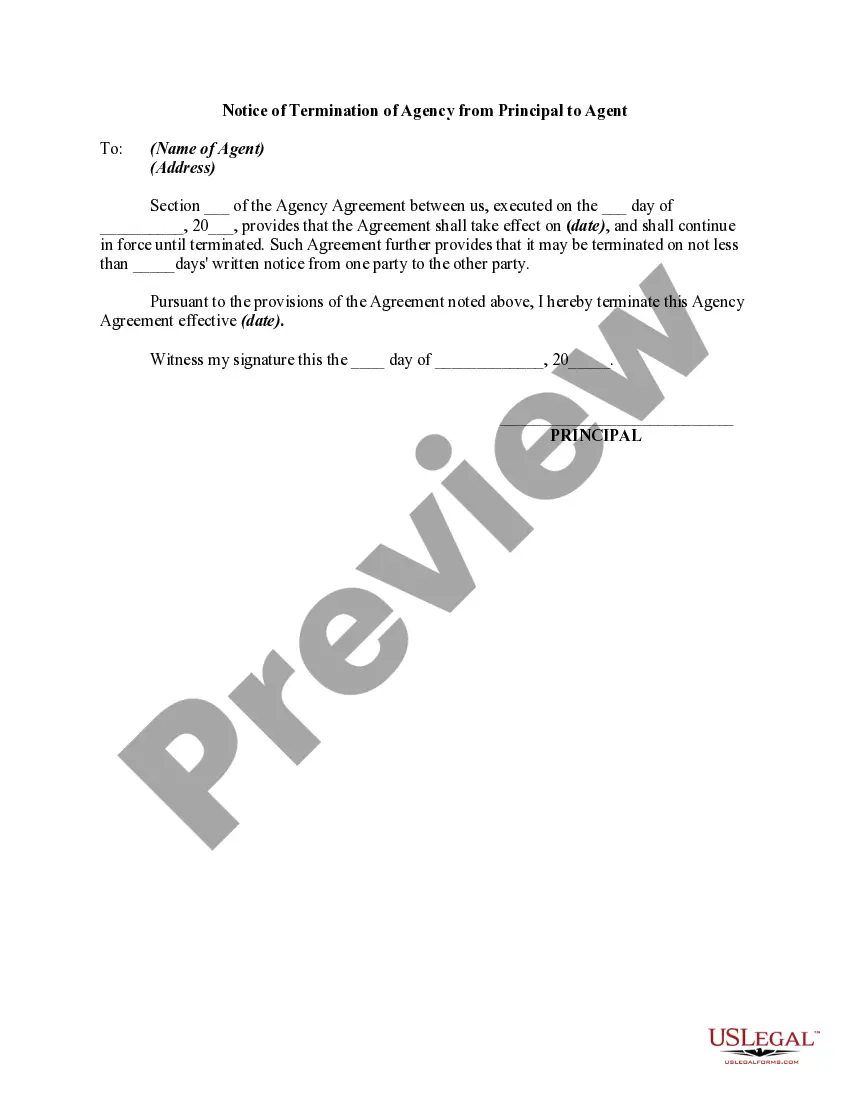
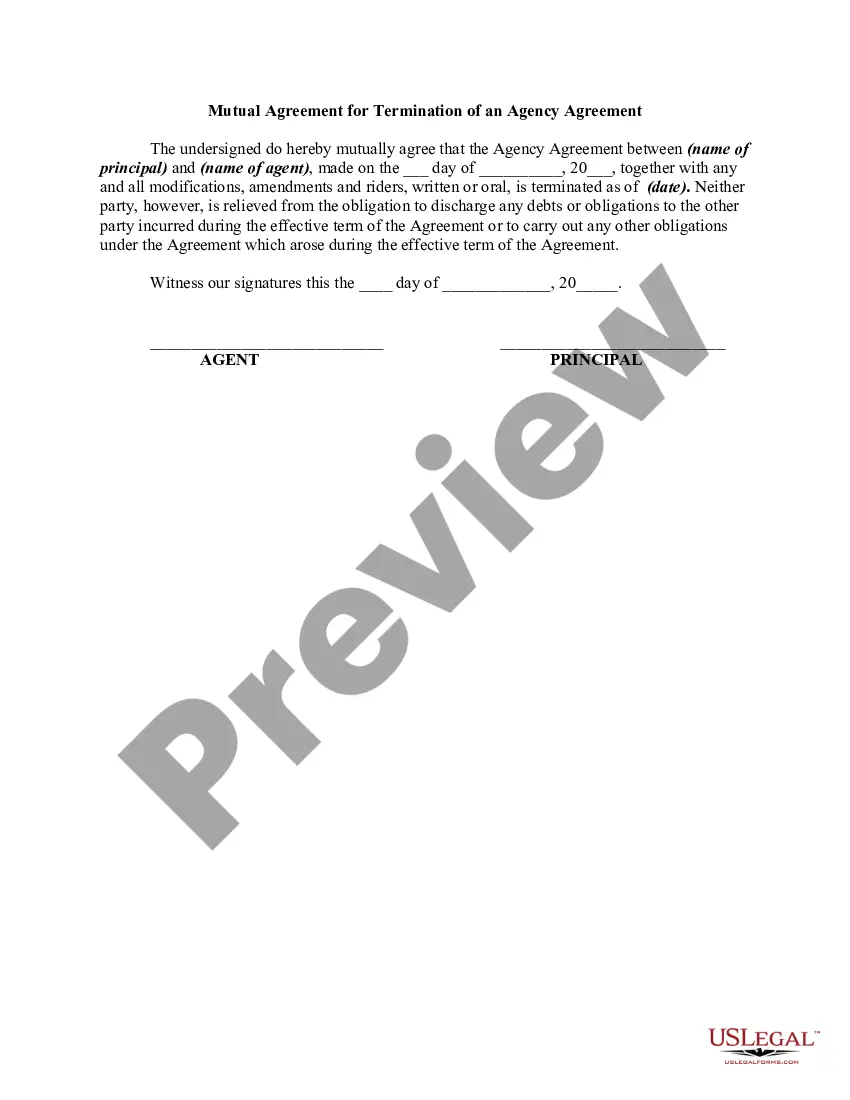
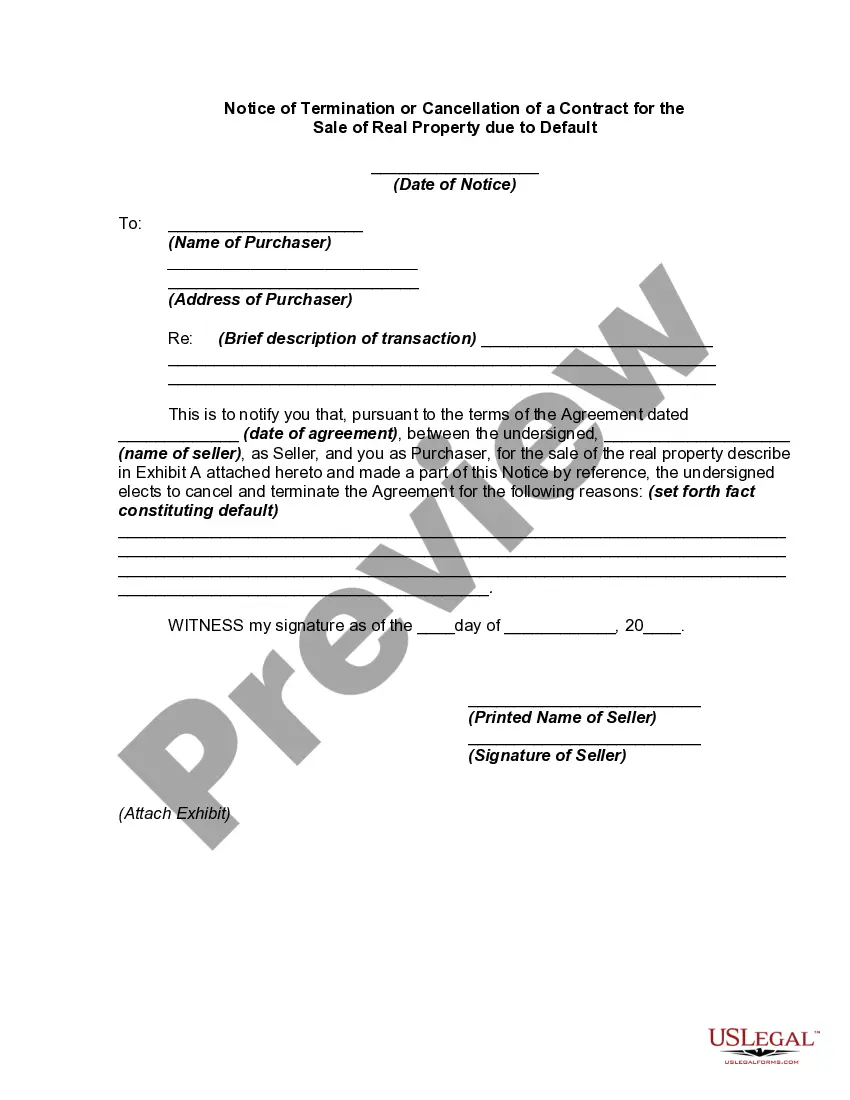
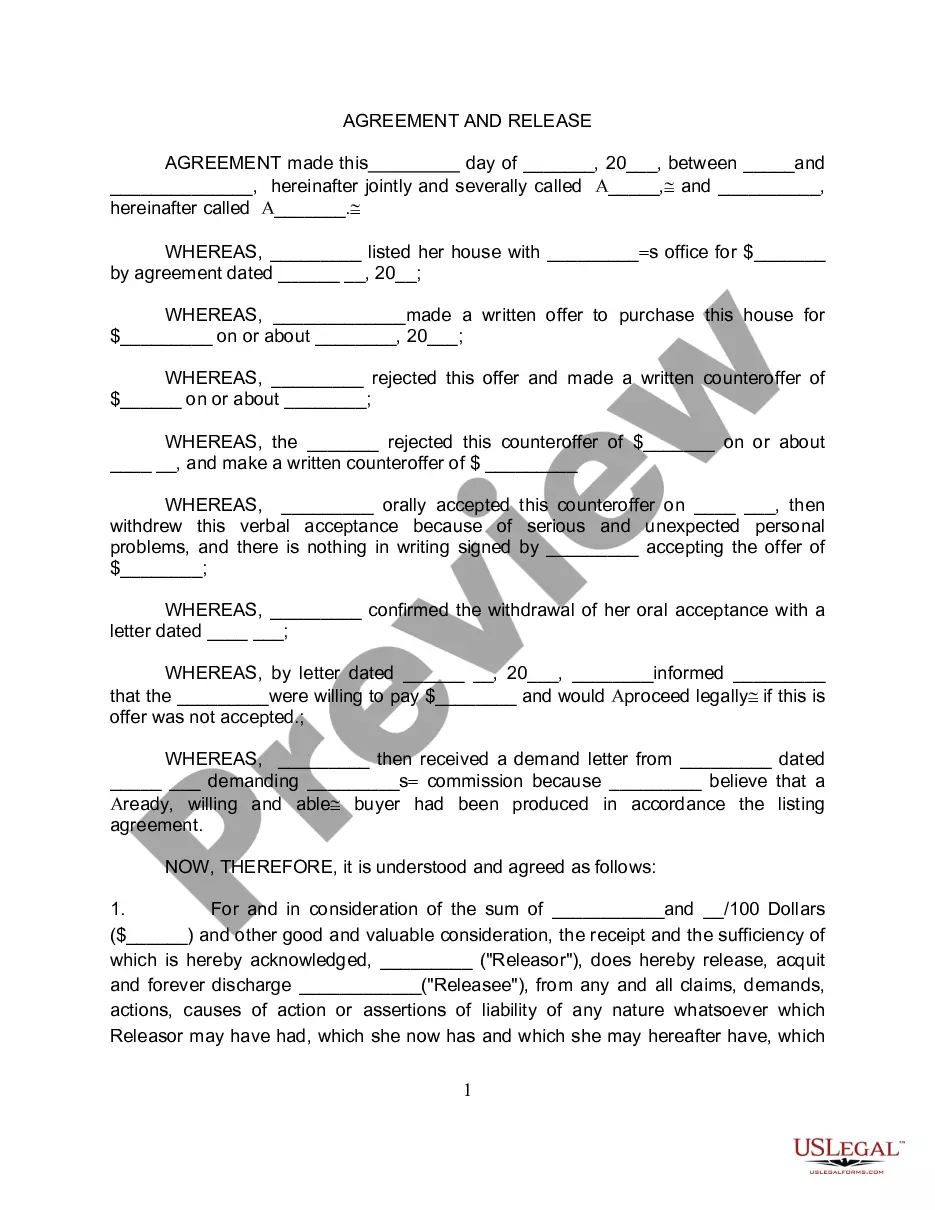
Get your form ready online
Our built-in tools help you complete, sign, share, and store your documents in one place.
Make edits, fill in missing information, and update formatting in US Legal Forms—just like you would in MS Word.
Download a copy, print it, send it by email, or mail it via USPS—whatever works best for your next step.
Sign and collect signatures with our SignNow integration. Send to multiple recipients, set reminders, and more. Go Premium to unlock E-Sign.
If this form requires notarization, complete it online through a secure video call—no need to meet a notary in person or wait for an appointment.
We protect your documents and personal data by following strict security and privacy standards.

Make edits, fill in missing information, and update formatting in US Legal Forms—just like you would in MS Word.

Download a copy, print it, send it by email, or mail it via USPS—whatever works best for your next step.

Sign and collect signatures with our SignNow integration. Send to multiple recipients, set reminders, and more. Go Premium to unlock E-Sign.

If this form requires notarization, complete it online through a secure video call—no need to meet a notary in person or wait for an appointment.

We protect your documents and personal data by following strict security and privacy standards.
Looking for another form?










Form popularity
FAQ
A “termination for convenience” clause states that a property owner may terminate a contractor at its convenience for no reason at all. There does not need to be any breach of contract in place. However, the clauses typically require advance notice (such as 30 days).
Ohio's Home Solicitation Sales Act (starting at Ohio Revised Code (ORC) Section 1345.21) gives consumers three days to cancel sales made in their homes or outside the seller's regular place of business. Credit and debt counseling services: 3 days.
Termination for Convenience. Either party may terminate this Agreement without cause and at any time upon giving 30 days' prior written notice to the other party (each, a termination for "Convenience"). Such termination will be effective on the date stated in the notice.
Unilateral Right to Terminate Without Cause: Termination for convenience clauses generally allow one party, often the government entity, to terminate the contract without needing to establish fault or breach by the other party.
Cooling-off Rule is a rule that allows you to cancel a contract within a few days (usually three days) after signing it. As explained by the Federal Trade Commission (FTC), the federal cooling-off rules gives the consumer three days to cancel certain sales for a full refund.
How are Termination Agreements created? Identify the Need for Termination. The first step in creating a termination agreement is recognizing the need to end a contract. Review the original contract. Draft the Termination Agreement. Review and negotiate the agreement. Sign the agreement. Implement the agreement.
Write a termination contract letter Include your heading information. This includes the date of creation and recipient and sender information. Get specific. Create your statement of intent for contract cancellation. End with an end date. Explicitly state the date that you intend to halt the contract.
The most professional, polite way to notify someone that a contract is ending is to do so in writing. Be direct and narrow in your word choice. Don't explain your reasoning away or give anyone the chance to use your words against you.
Tips for Writing an Effective Termination of Contract Letter Be Clear and Direct: Clearly state the reason for termination and the effective date. Avoid ambiguity to prevent misunderstandings. Maintain Professional Tone: Regardless of the circumstances, use a respectful and professional tone.
The parties to the contract can agree to end the contract early via a subsequent agreement where they agree to release the other from the original contract. This can be possible even if the contract does not include a termination clause. However, all parties to the contract must agree.

