Cancellation Agreement Form For Employees In Minnesota
Description
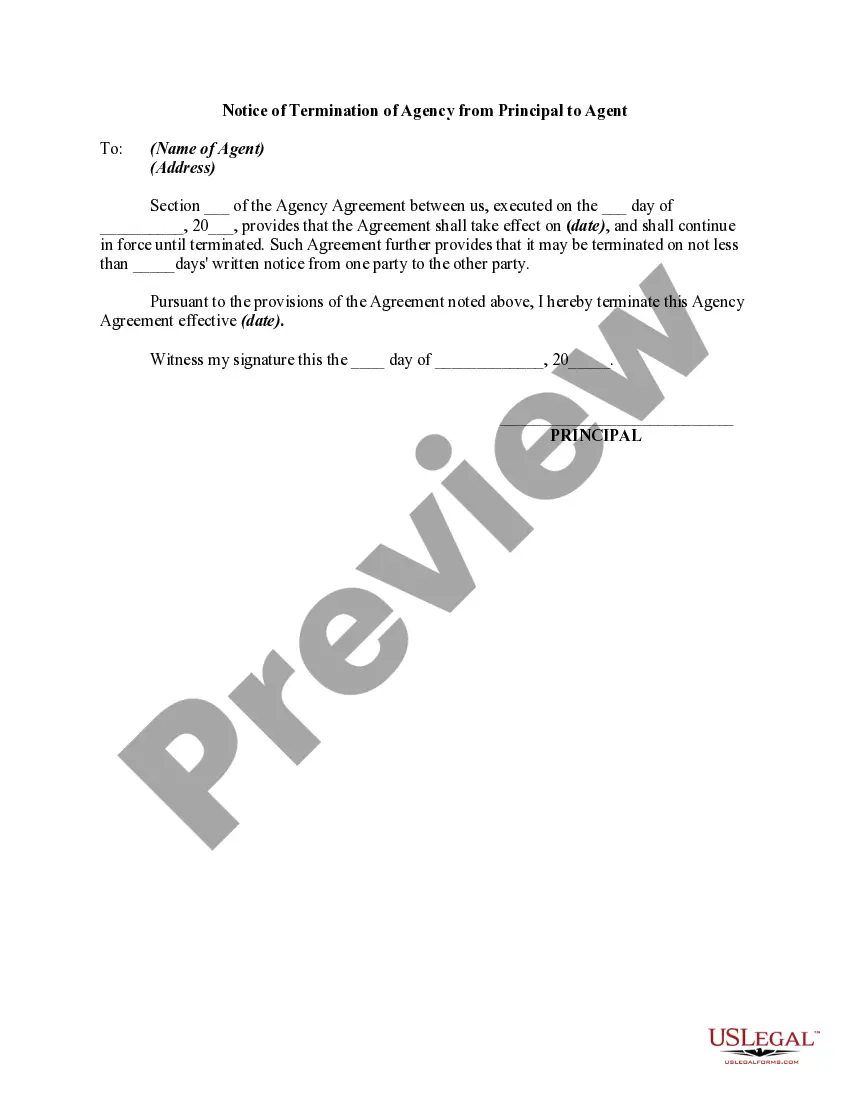
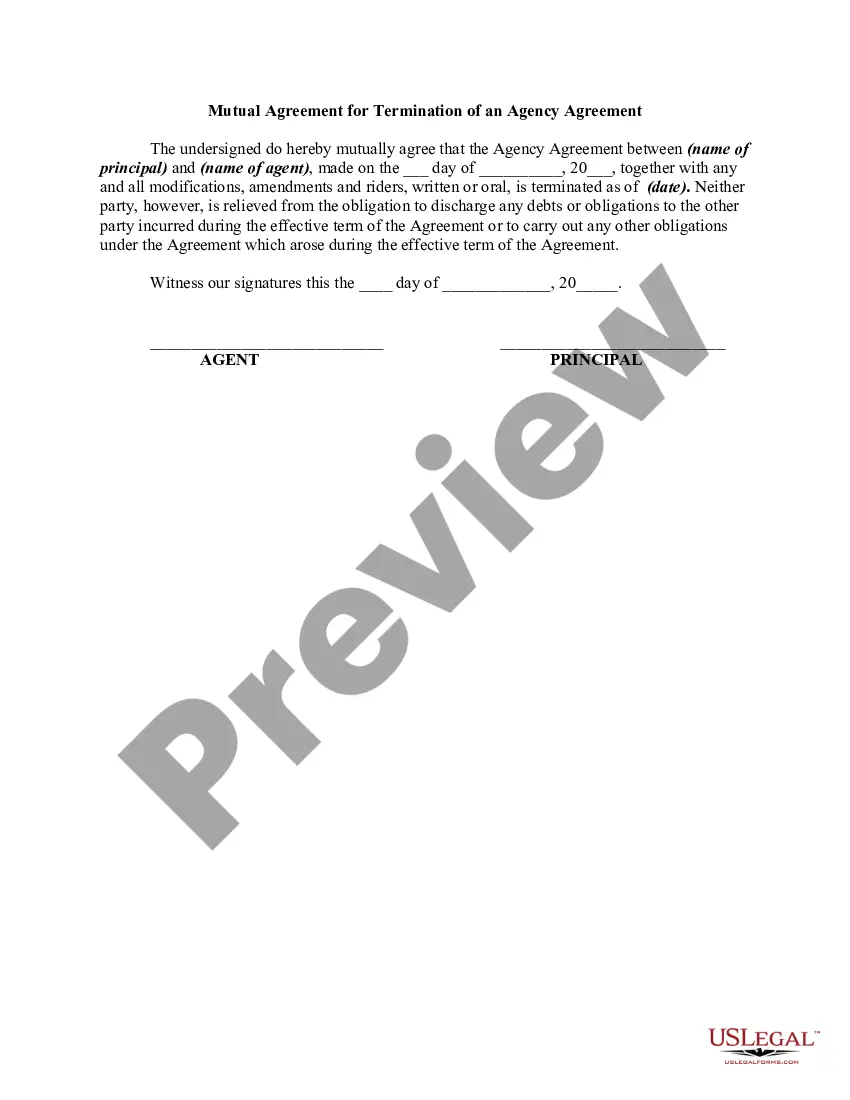
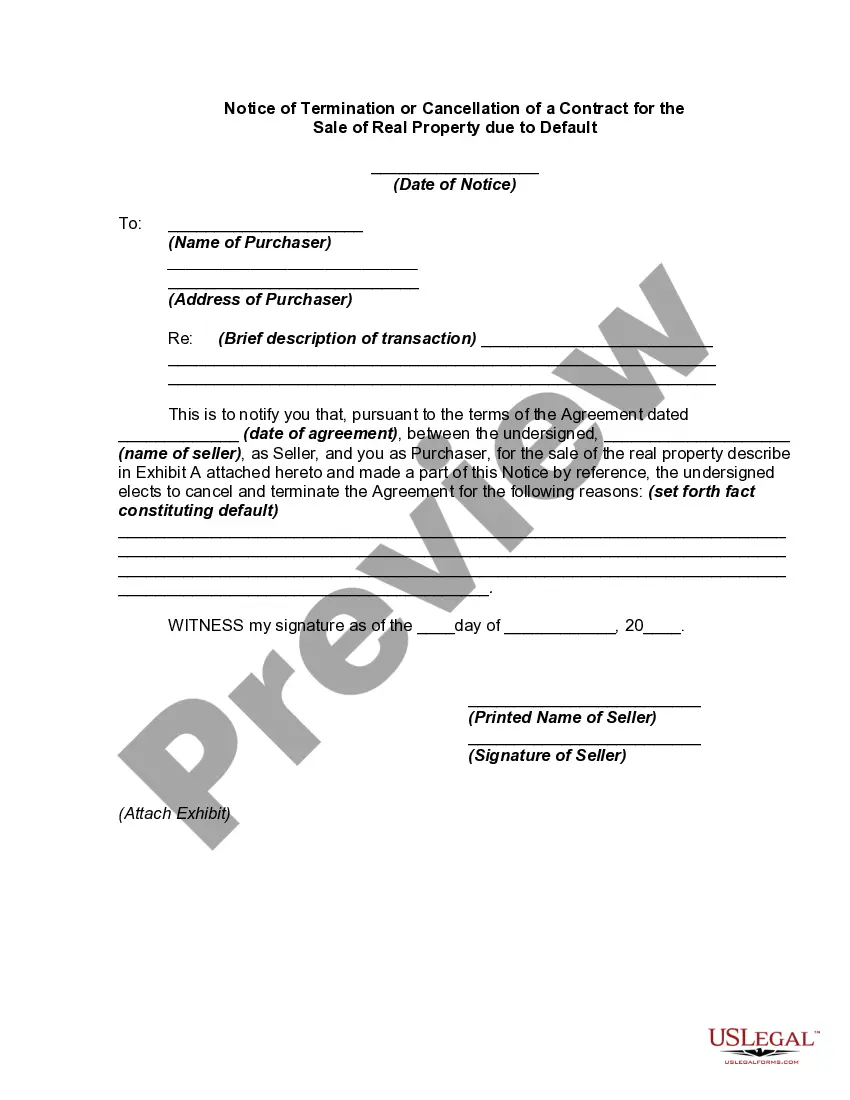
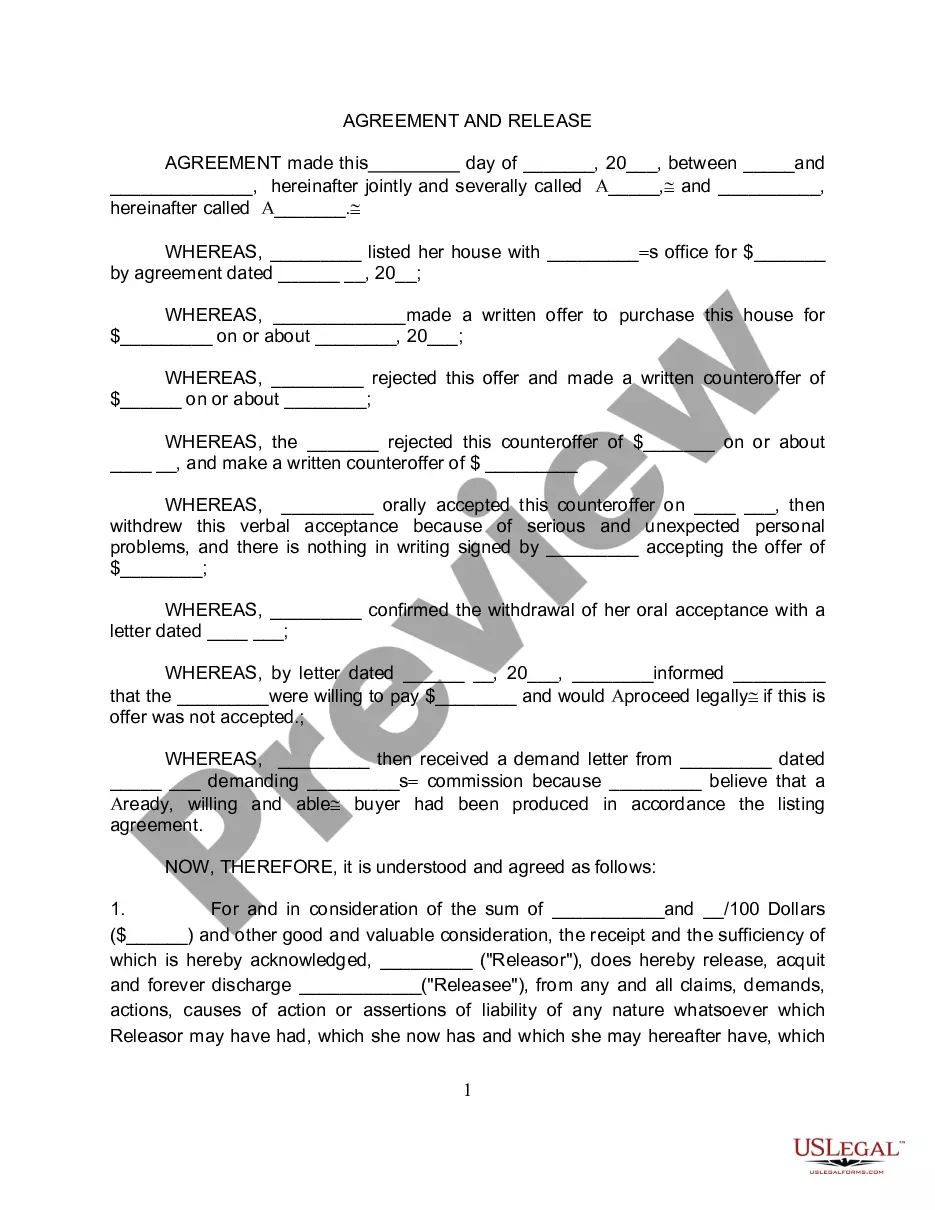
Get your form ready online
Our built-in tools help you complete, sign, share, and store your documents in one place.
Make edits, fill in missing information, and update formatting in US Legal Forms—just like you would in MS Word.
Download a copy, print it, send it by email, or mail it via USPS—whatever works best for your next step.
Sign and collect signatures with our SignNow integration. Send to multiple recipients, set reminders, and more. Go Premium to unlock E-Sign.
If this form requires notarization, complete it online through a secure video call—no need to meet a notary in person or wait for an appointment.
We protect your documents and personal data by following strict security and privacy standards.

Make edits, fill in missing information, and update formatting in US Legal Forms—just like you would in MS Word.

Download a copy, print it, send it by email, or mail it via USPS—whatever works best for your next step.

Sign and collect signatures with our SignNow integration. Send to multiple recipients, set reminders, and more. Go Premium to unlock E-Sign.

If this form requires notarization, complete it online through a secure video call—no need to meet a notary in person or wait for an appointment.

We protect your documents and personal data by following strict security and privacy standards.
Looking for another form?

Form popularity
FAQ
Steps to Getting Out of an Employment Contract Step One: Speak to an Attorney. Step Two: Take Stock of Your Post-Employment Opportunities and Resources. Step Three: Give Your Employer Notice. Step Four: Make Sure You Have Written Evidence of Any Resolutions with Your Employer.
An employer must give a truthful reason why an employee was terminated, if requested in writing by the employee within 15 working-days of termination. The employer has 10 working-days from receipt of the request to give a truthful reason in writing for the termination.
If you need to fire a contractor, follow these three steps: Review their contract. If you want to end a freelancer's employment contract early, the contract must have a termination clause. Establish cause. Write a termination letter.
If you've lost your job, you have certain rights, such as the right to continue your health care coverage and, in some cases, the right to unemployment compensation.
A termination letter is an official notice from your employer that informs you your job with the company is ending. This letter will usually explain why you are being let go, tell you your last day of work, and provide details about your final paycheck and benefits.
This letter confirms our discussion today informing you that your employment with Company Name is terminated effective immediately due to reason for termination. Insert details regarding coaching, warnings and other related documentation. Your final paycheck will be provided to you on date.
A termination letter is a formal document that communicates the end of an employee's relationship with a company. The letter must include specific key components to ensure clarity, legal compliance, and professionalism.
A termination notice is a formally written notification from your employer that you are being terminated from your current job. It also includes information about the next steps you require to take and any compensation or benefits you may receive before leaving.
WARN notices in Minnesota have a 60-day advance requirement for employees facing layoffs or plant closures. If there are also union workers involved, the notification is directed to union representatives rather than individual employees.

