Termination Document For Employee In Mecklenburg
Description
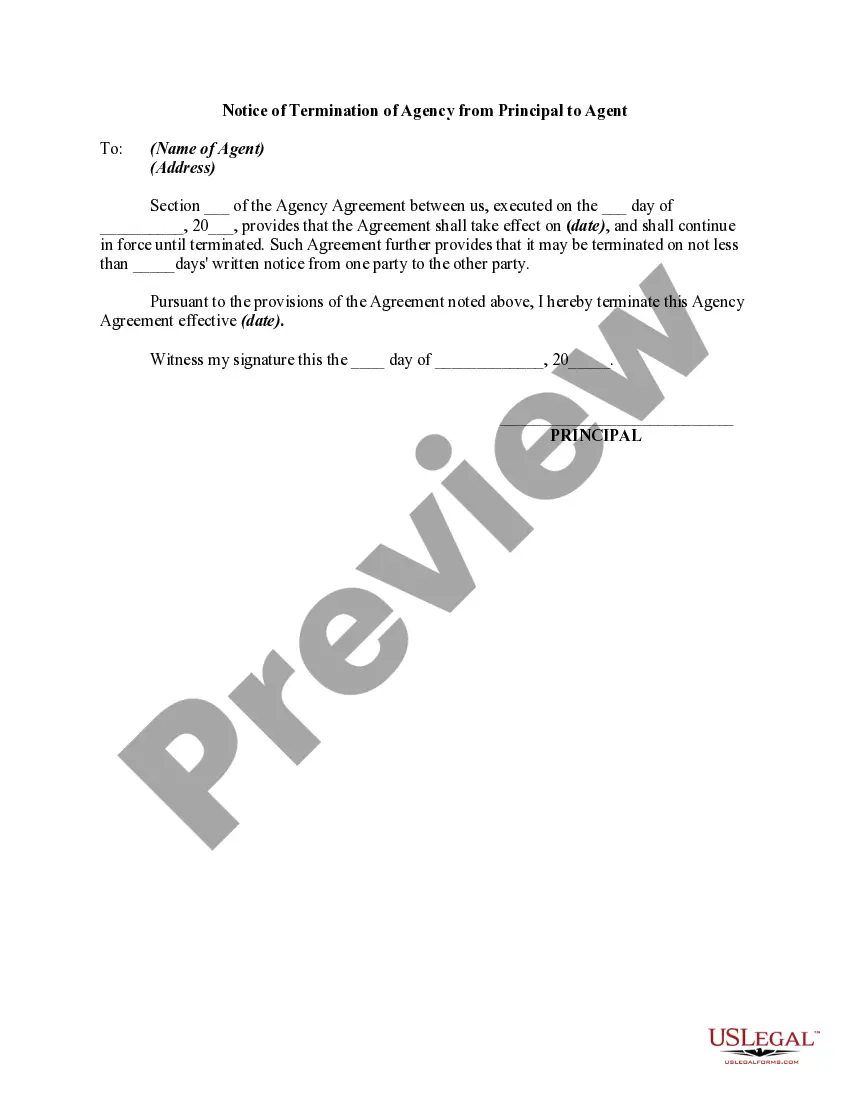
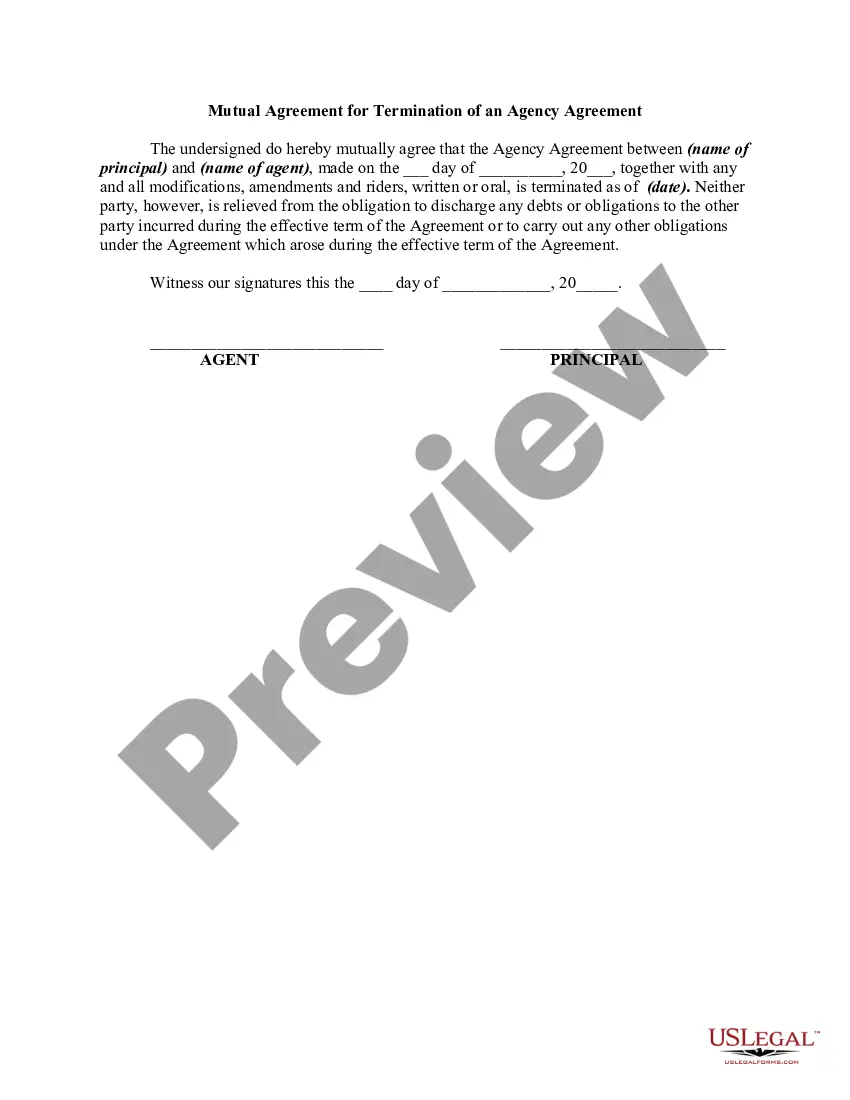
Get your form ready online
Our built-in tools help you complete, sign, share, and store your documents in one place.
Make edits, fill in missing information, and update formatting in US Legal Forms—just like you would in MS Word.
Download a copy, print it, send it by email, or mail it via USPS—whatever works best for your next step.
Sign and collect signatures with our SignNow integration. Send to multiple recipients, set reminders, and more. Go Premium to unlock E-Sign.
If this form requires notarization, complete it online through a secure video call—no need to meet a notary in person or wait for an appointment.
We protect your documents and personal data by following strict security and privacy standards.

Make edits, fill in missing information, and update formatting in US Legal Forms—just like you would in MS Word.

Download a copy, print it, send it by email, or mail it via USPS—whatever works best for your next step.

Sign and collect signatures with our SignNow integration. Send to multiple recipients, set reminders, and more. Go Premium to unlock E-Sign.

If this form requires notarization, complete it online through a secure video call—no need to meet a notary in person or wait for an appointment.

We protect your documents and personal data by following strict security and privacy standards.
Looking for another form?









Form popularity
FAQ
The Hard Truth: Yep, It Goes on Your Record Most companies will at least note the fact that you were terminated, even if they're light on specifics. Oftentimes, when a new employer checks your references, all they can check is your dates of employment and whether of not you're “eligible for rehire”.
It's typically used as a formal notice to the employee and an official record of the fact that they've been let go from the company. This document is also referred to as a: Letter of termination.
Ask your former employer for a letter of termination, if they will not provide it, write a letter to the former employer and basically sumarize in the letter your resignation and tell them you are writing to confirm in writing your resignation from employment on whatever date you resigned.
North Carolina is an at-will employment state. No notice of termination is required absent a contractual obligation.
If you find yourself in need of a termination letter, don't hesitate to request one from your former employer. The best approach is to reach out politely and directly to your previous supervisor, the HR department, or the person who communicated your termination.
Contact HR or Payroll: If you haven't already, try reaching out to the human resources (HR) department or payroll department of your past employer. They may have procedures in place for issuing termination letters or may be able to assist you in obtaining the letter.
As long as your previous employer's contact information is accurate, it's easy to verify this information. Your former employer can confirm that you were laid off and did not leave of your own .
Documentation is critical when terminating an employee. Employers should document any performance issues, disciplinary actions, and the reasons for termination. This documentation can be useful in case of a lawsuit or unemployment claim.
What is proof of employee termination? This could include a written notice from the employer to the employee, a signed separation agreement, payroll records showing no further payments were made after a certain date, and other documents that prove there was an official ending to the employment relationship.

