Terminated Contract With In Massachusetts
Description
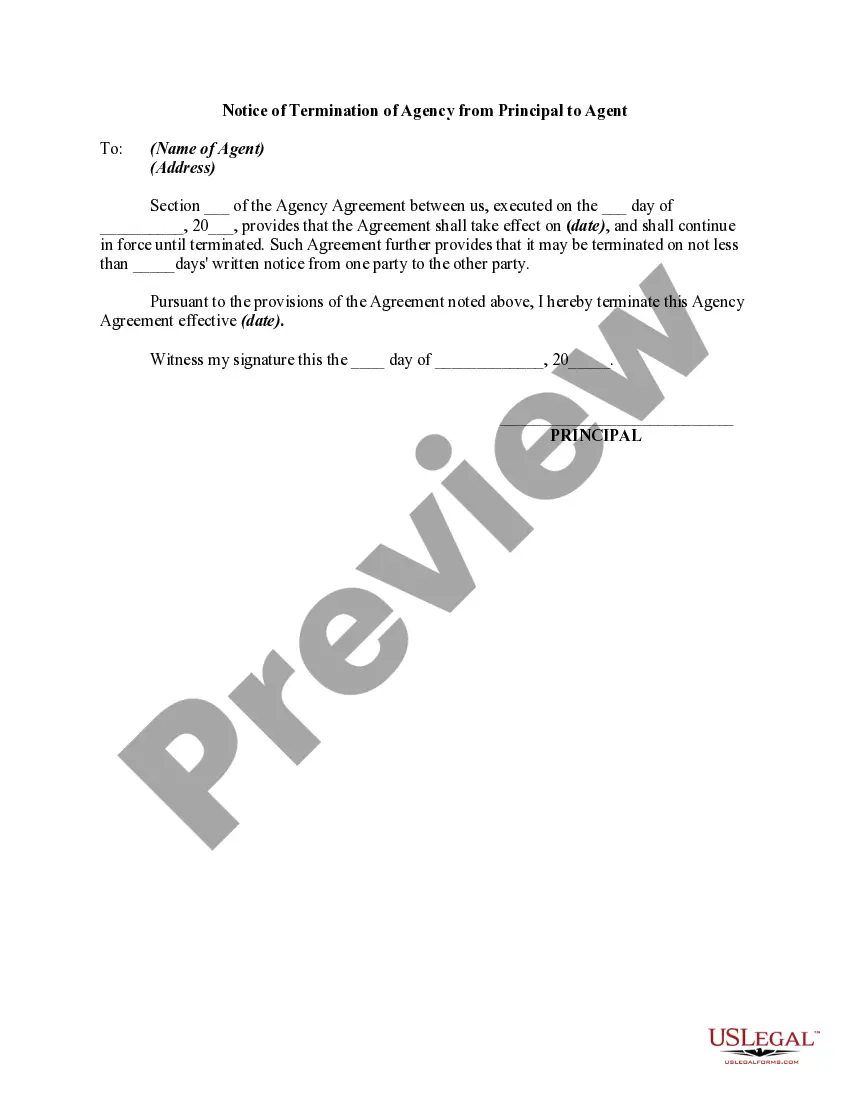
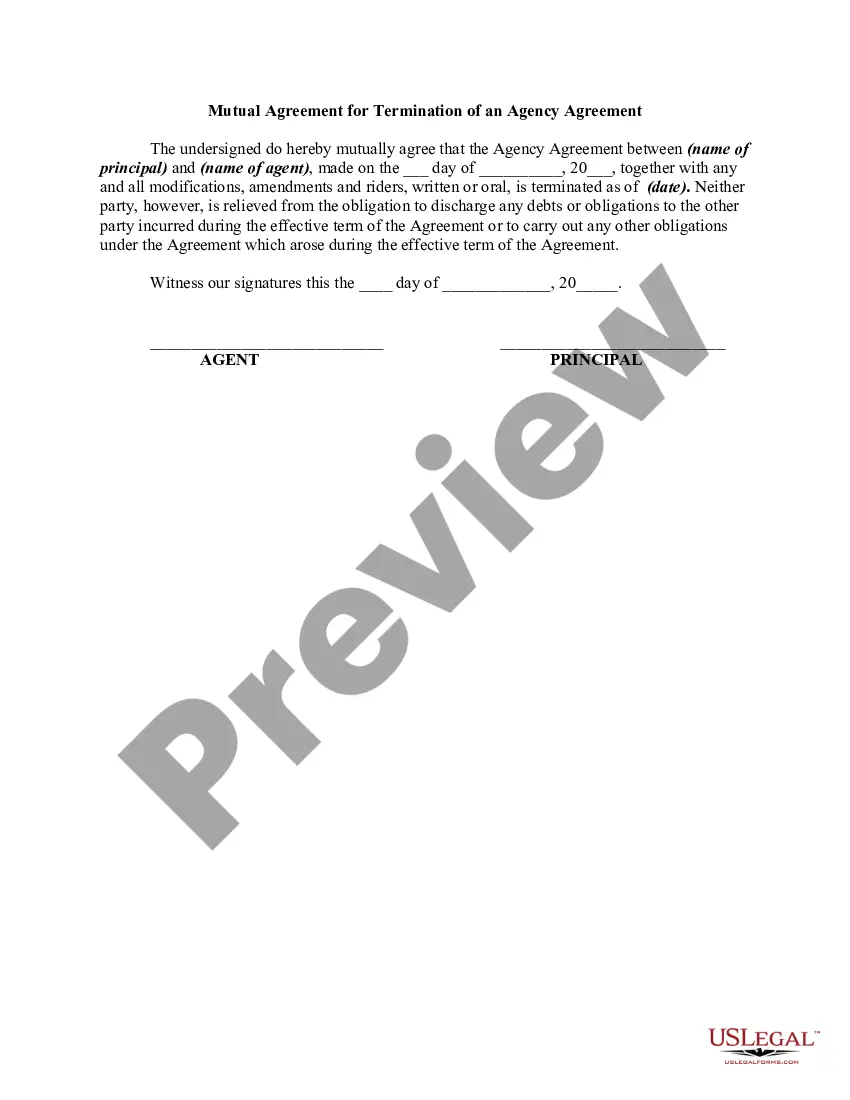
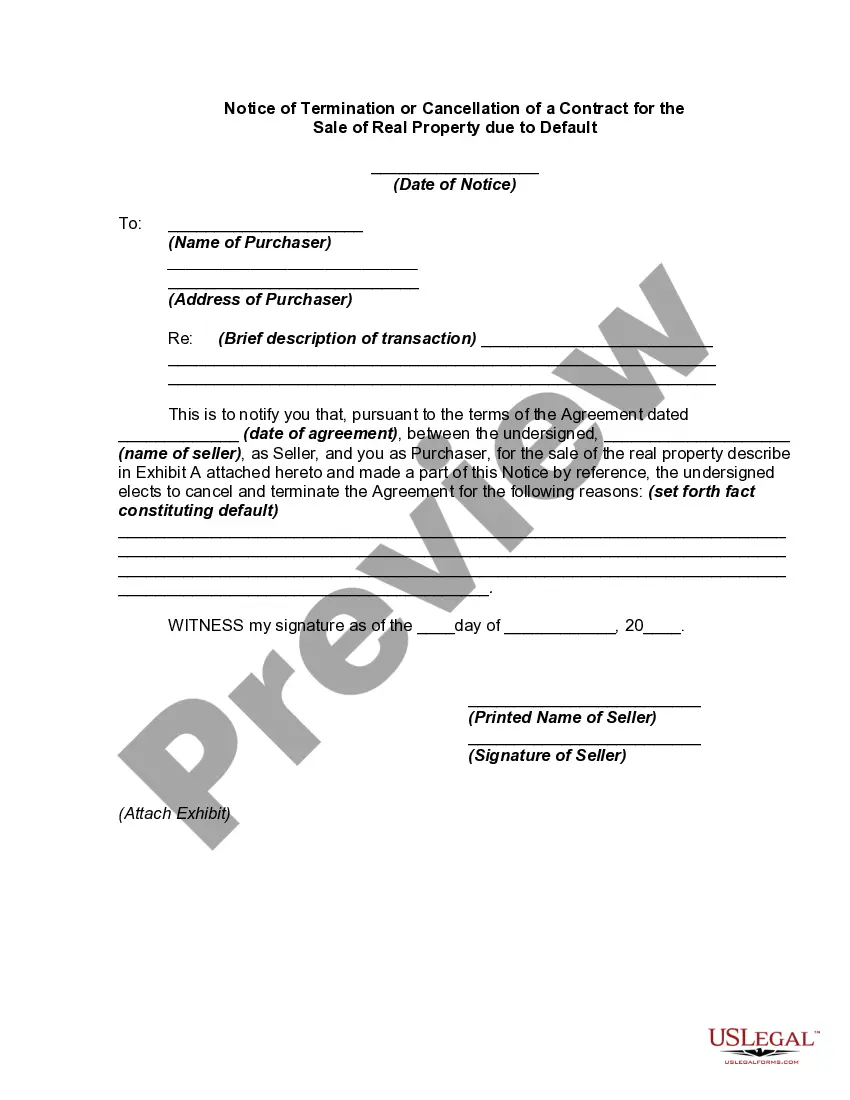
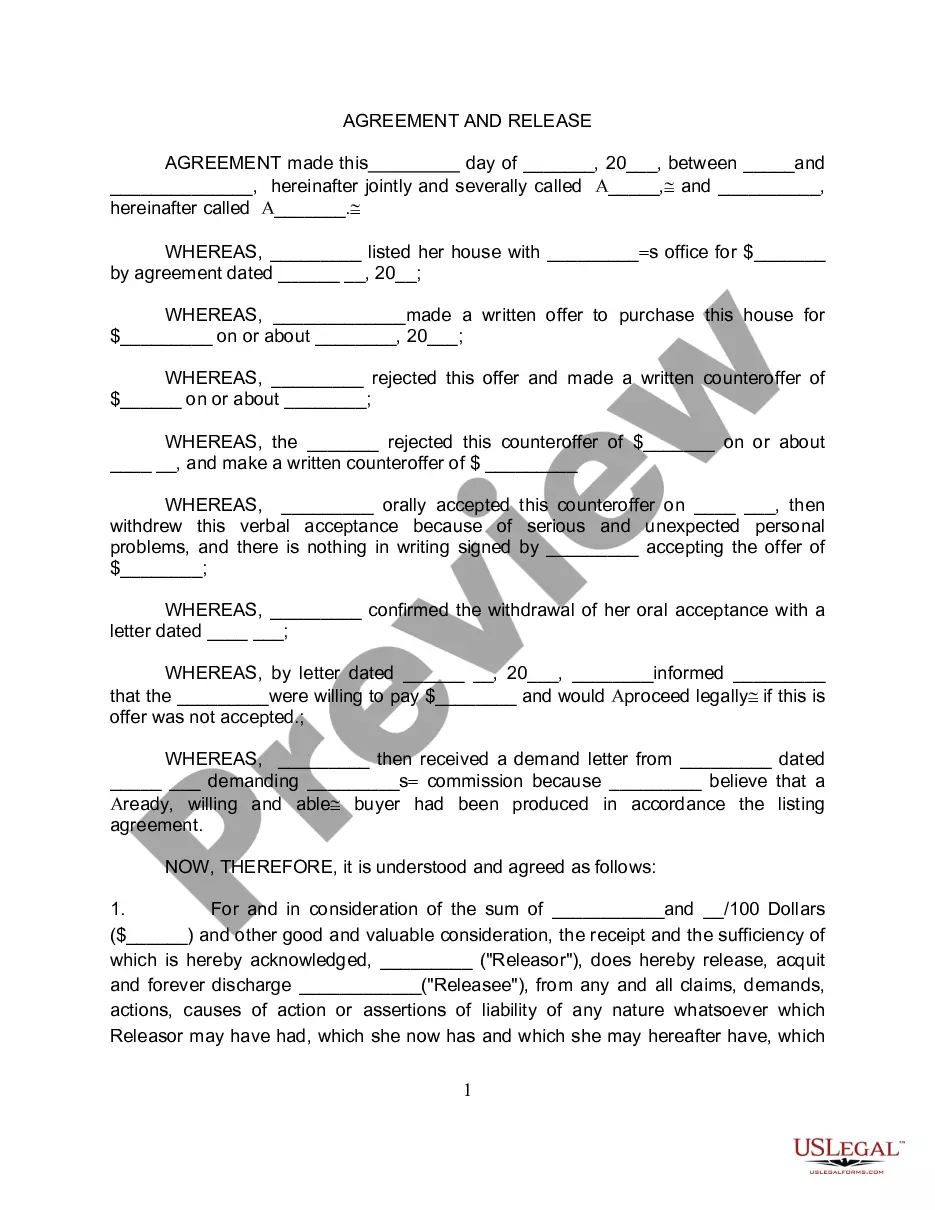
Get your form ready online
Our built-in tools help you complete, sign, share, and store your documents in one place.
Make edits, fill in missing information, and update formatting in US Legal Forms—just like you would in MS Word.
Download a copy, print it, send it by email, or mail it via USPS—whatever works best for your next step.
Sign and collect signatures with our SignNow integration. Send to multiple recipients, set reminders, and more. Go Premium to unlock E-Sign.
If this form requires notarization, complete it online through a secure video call—no need to meet a notary in person or wait for an appointment.
We protect your documents and personal data by following strict security and privacy standards.

Make edits, fill in missing information, and update formatting in US Legal Forms—just like you would in MS Word.

Download a copy, print it, send it by email, or mail it via USPS—whatever works best for your next step.

Sign and collect signatures with our SignNow integration. Send to multiple recipients, set reminders, and more. Go Premium to unlock E-Sign.

If this form requires notarization, complete it online through a secure video call—no need to meet a notary in person or wait for an appointment.

We protect your documents and personal data by following strict security and privacy standards.
Looking for another form?






Form popularity
FAQ
Although it seems almost impossible to believe, employers in Massachusetts, or in any other employee-at-will state, can fire any employee at any time for any reason — or even for no reason at all. An employer can terminate any employee, with or without notice.
Under California law, employers must provide notice to employees before termination. For employees who have been employed for less than one year, the notice period is at least 90 days. For employees who have been employed for more than one year, the notice period is at least 60 days.
Yes. Employees may request an opportunity to review their personnel record. Employers have 5 business days after receiving a written request to comply.
How do you write a Termination Agreement? Provide the names and mailing addresses of each party involved. Provide details from the original contract. Select a termination date after which the contract will no longer be in effect. State if either party is providing compensation as part of the Termination Agreement.
In contract law, rescission is an equitable remedy which allows a contractual party to cancel the contract. Parties may rescind if they are the victims of a vitiating factor, such as misrepresentation, mistake, duress, or undue influence.
In some cases, the parties may choose to renegotiate and renew the contract for another term. The parties are no longer subject to the terms if they do not continue with them. One of the implications of an expired contract is that any rights or obligations outlined in the original agreement are no longer enforceable.
Reinstatement of terminated contracts With written consent of the contractor, the terminated portion of a contract may be reinstated in whole or in part by amending the notice of termination if it has been determined in writing that: Circumstances clearly indicate a requirement for the terminated items; and.
This means that one or more parties have made the decision to conclude the contract earlier than they had originally agreed when drafting and signing it. If a contract is terminated, all parties will be freed from their responsibilities and obligations. This is also known as discharging a contract.
The ideal (and more formal) method to accomplish a reinstatement would be to have an attorney draft a simple reinstatement agreement and then have that agreement signed by all of the parties.

