Termination Contract For Breach In Los Angeles
Description
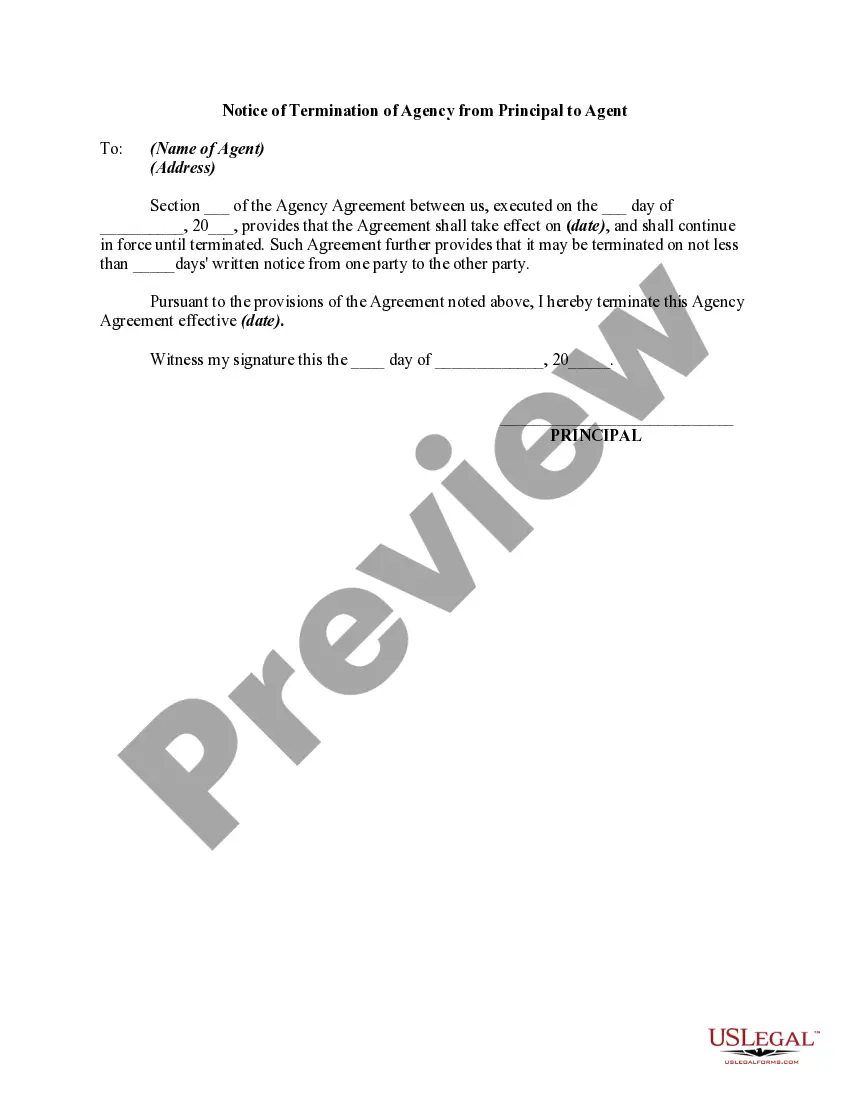
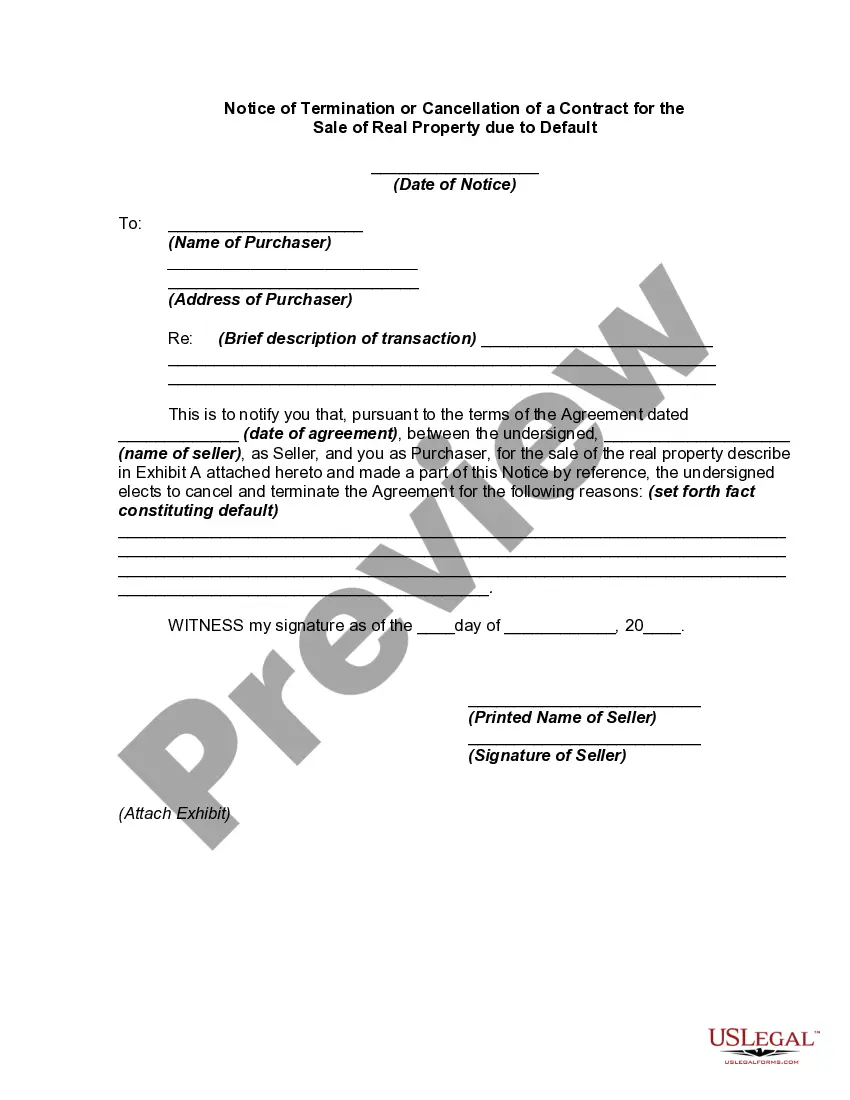

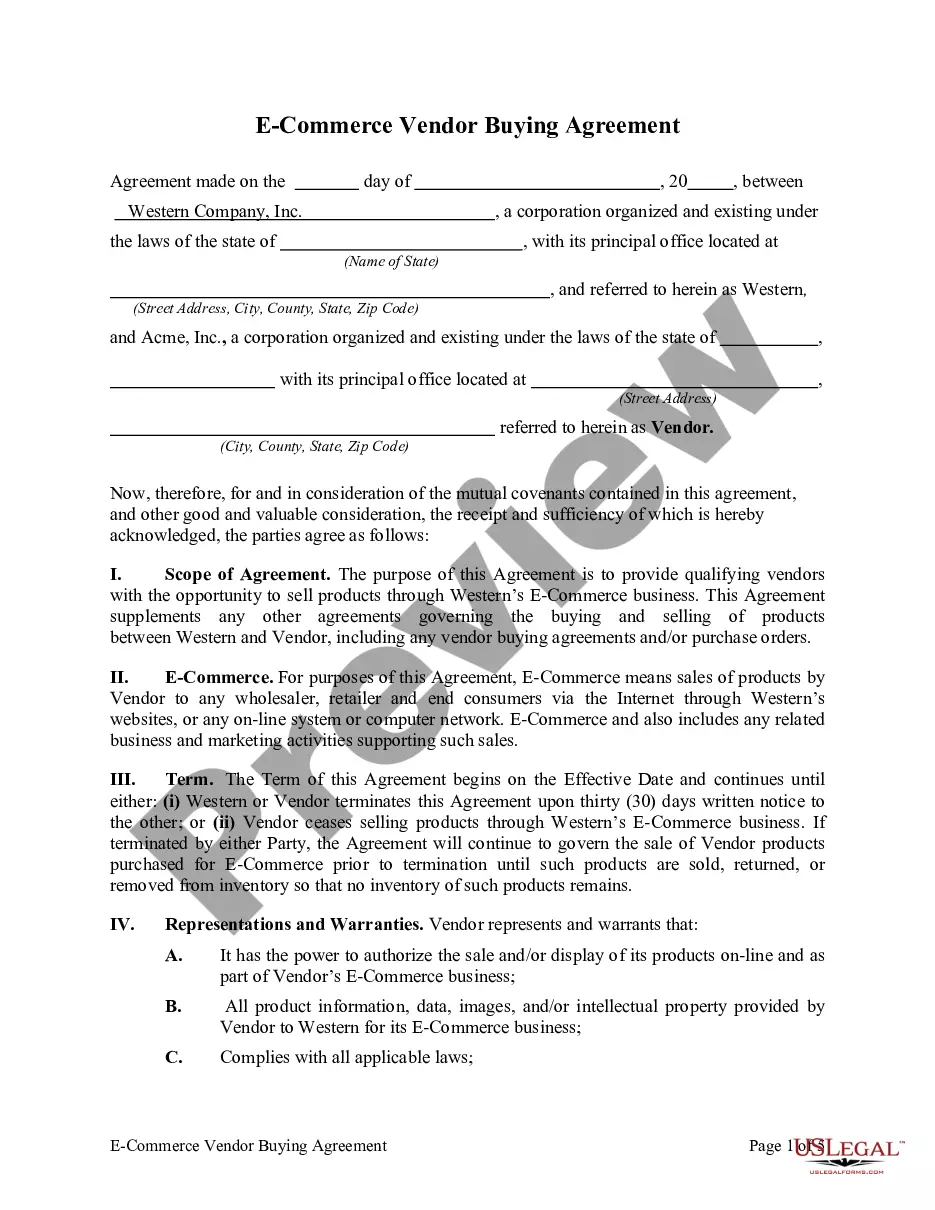
Get your form ready online
Our built-in tools help you complete, sign, share, and store your documents in one place.
Make edits, fill in missing information, and update formatting in US Legal Forms—just like you would in MS Word.
Download a copy, print it, send it by email, or mail it via USPS—whatever works best for your next step.
Sign and collect signatures with our SignNow integration. Send to multiple recipients, set reminders, and more. Go Premium to unlock E-Sign.
If this form requires notarization, complete it online through a secure video call—no need to meet a notary in person or wait for an appointment.
We protect your documents and personal data by following strict security and privacy standards.

Make edits, fill in missing information, and update formatting in US Legal Forms—just like you would in MS Word.

Download a copy, print it, send it by email, or mail it via USPS—whatever works best for your next step.

Sign and collect signatures with our SignNow integration. Send to multiple recipients, set reminders, and more. Go Premium to unlock E-Sign.

If this form requires notarization, complete it online through a secure video call—no need to meet a notary in person or wait for an appointment.

We protect your documents and personal data by following strict security and privacy standards.
Looking for another form?







Form popularity
FAQ
A repudiatory or fundamental breach is so serious that the injured party can choose to terminate the contract. An example might be if a builder stopped turning up so that no progress was being made on the agreed work. Damages may be payable, along with the ending of the contract.
When the breach of contract is a serious breach or a breach of an essential term, the other party will have a right to terminate the contract or keep the contract going. However, your contract may require the hirer to provide you with a 'notice to remedy a breach' before it can be terminated.
What is a termination clause? A termination clause is a written provision in an agreement that defines the circumstances under which said agreement can be terminated. Termination can happen before the duties outlined in the agreement are fulfilled.
Here is an example of a termination clause: “Party A and Party B have the right to terminate the Contract under material breach, change in circumstances, insolvency, and mutual agreement. To terminate the Contract, the terminating party must provide 30 days of written notice to the other party.
Either party may, upon prior written notice to the other party, terminate this Agreement in the event the other party is in default or breach of this Agreement and such breach or default is not corrected within thirty (30) days after the breaching party has been notified of same.
Breach of condition The innocent party will be discharged from future performance of the contract if the term breached qualifies as a condition, i.e. a vital term. Provided the term is a condition, the innocent party will be entitled to terminate the contract, no matter how minor the consequences of the breach.
One of the most common reasons for contract termination is when one of the parties to the contract has breached the contract. This happens when a party has failed to fulfill their obligations or has acted in a way that was inconsistent with the rules set out by the contract or agreement.
A complaint for breach of contract must include the following: (1) the existence of a contract, (2) plaintiff's performance or excuse for nonperformance, (3) defendant's breach, and (4) damages to plaintiff therefrom.
As a plaintiff, you always need a Summons, a Complaint, and at least one cause of action. You must use the Summons (form SUM-100) and a Civil Case Cover Sheet (form CM-010) You can use Complaint—Contract (form PLD-C-001) or create your own.
Write a termination contract letter A contract termination letter allows you to give written notice of your contract's cancellation. It clearly states intent and limits your liability, which arerequired if you're looking to avoid issues while terminating a contract. Writing the letter is simple.

