Termination Of Contract Without Cause In Kings
Description
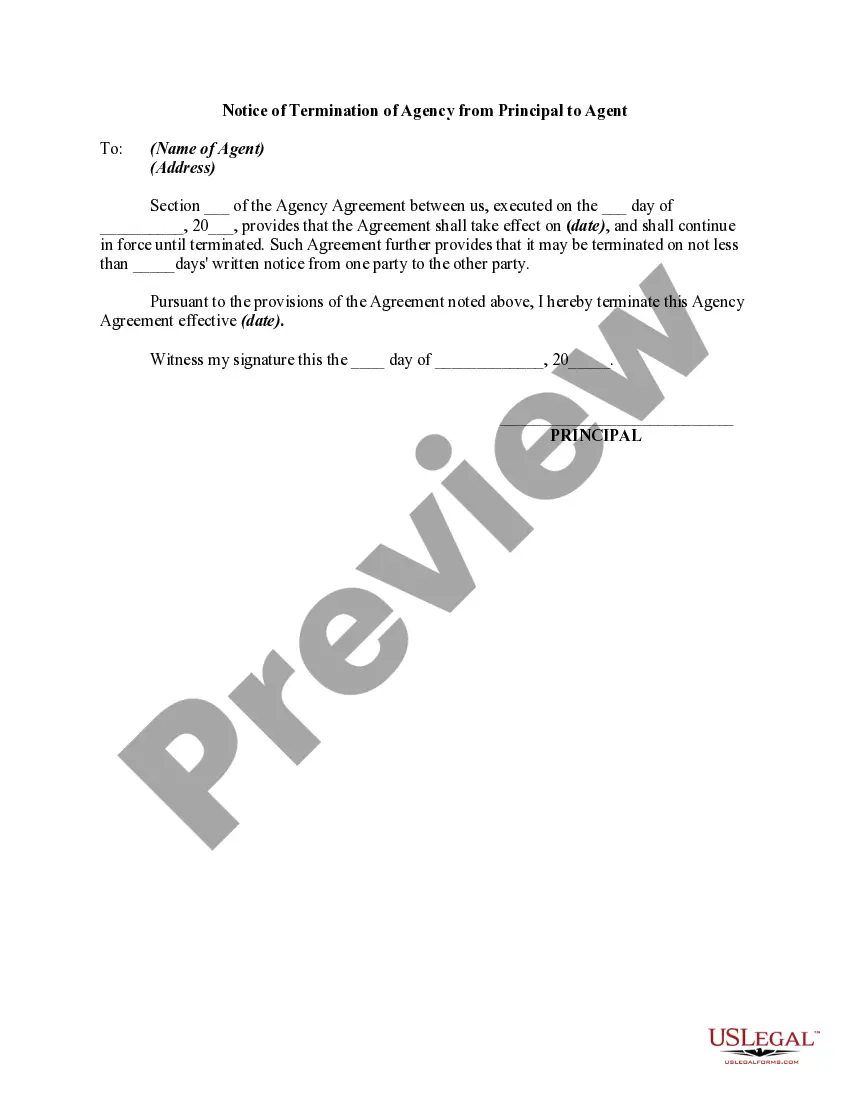
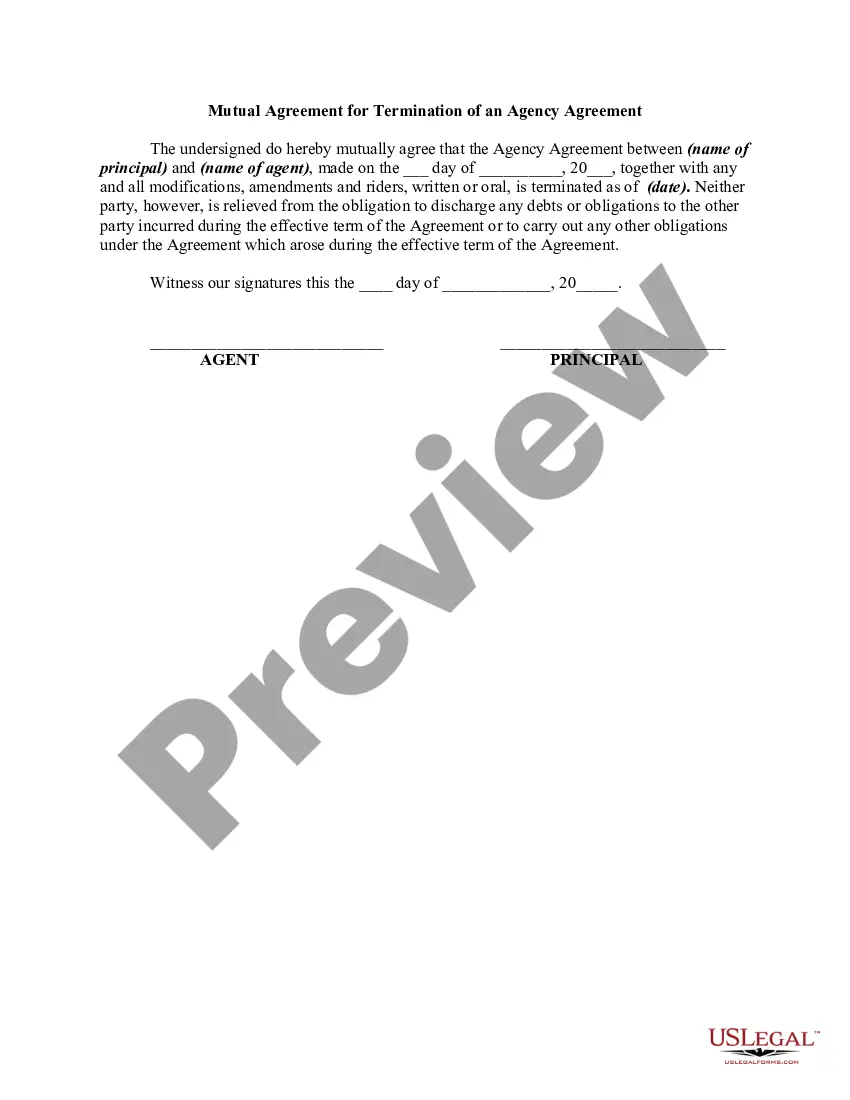
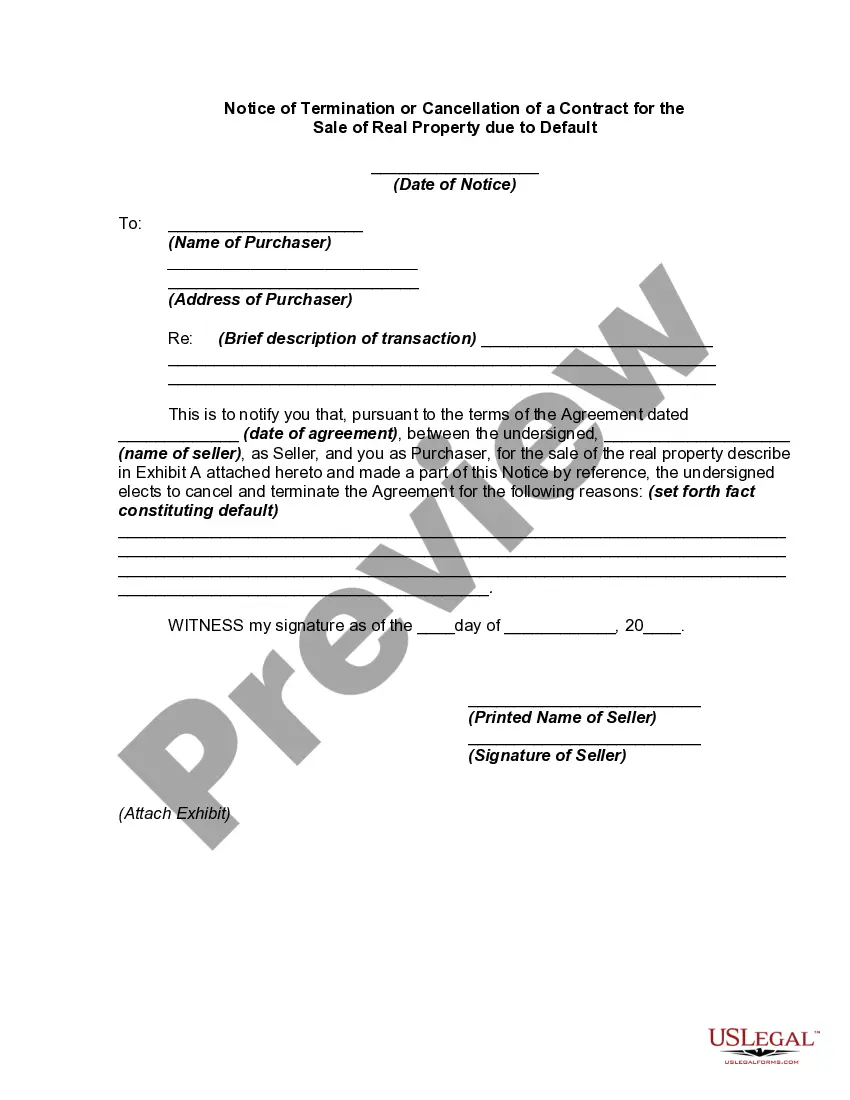
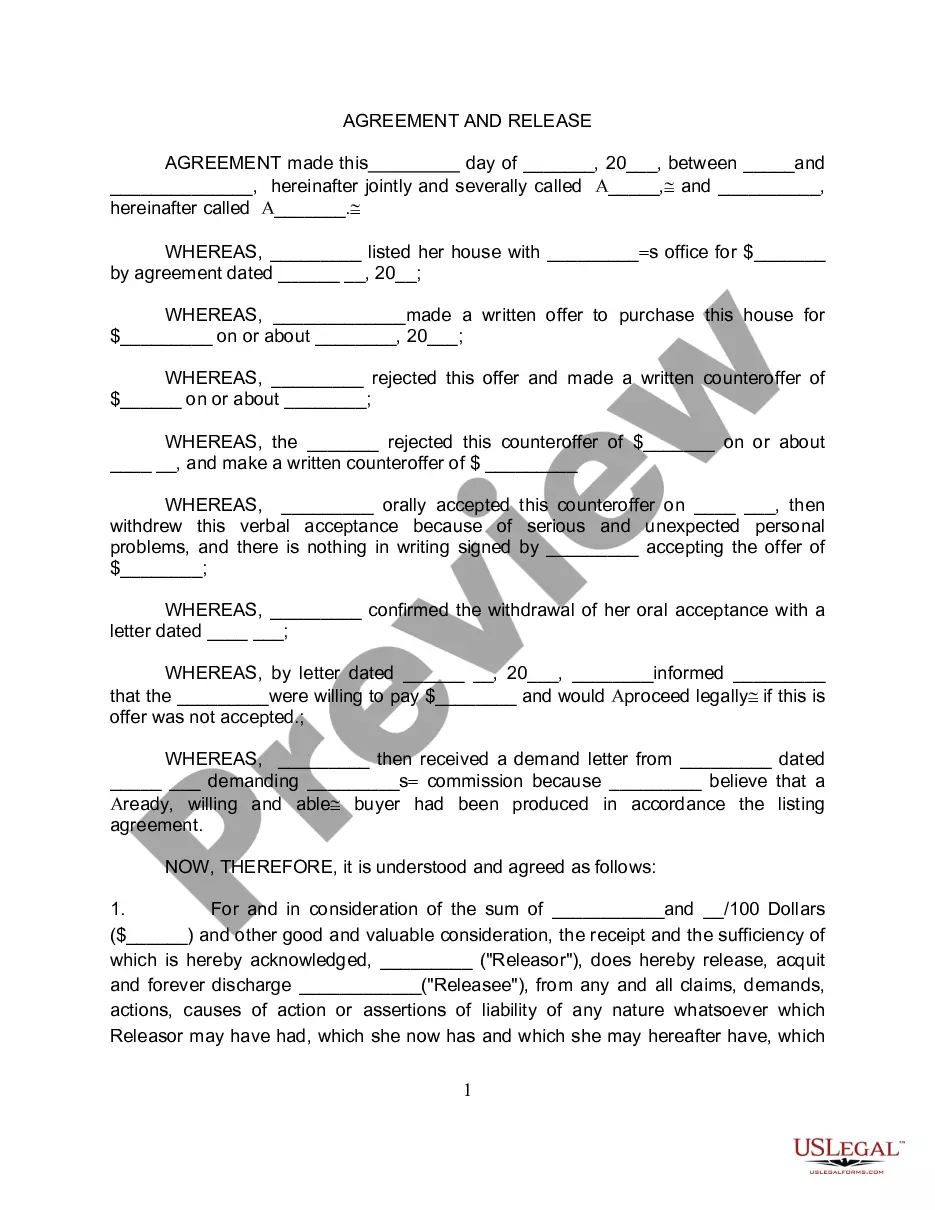
Get your form ready online
Our built-in tools help you complete, sign, share, and store your documents in one place.
Make edits, fill in missing information, and update formatting in US Legal Forms—just like you would in MS Word.
Download a copy, print it, send it by email, or mail it via USPS—whatever works best for your next step.
Sign and collect signatures with our SignNow integration. Send to multiple recipients, set reminders, and more. Go Premium to unlock E-Sign.
If this form requires notarization, complete it online through a secure video call—no need to meet a notary in person or wait for an appointment.
We protect your documents and personal data by following strict security and privacy standards.

Make edits, fill in missing information, and update formatting in US Legal Forms—just like you would in MS Word.

Download a copy, print it, send it by email, or mail it via USPS—whatever works best for your next step.

Sign and collect signatures with our SignNow integration. Send to multiple recipients, set reminders, and more. Go Premium to unlock E-Sign.

If this form requires notarization, complete it online through a secure video call—no need to meet a notary in person or wait for an appointment.

We protect your documents and personal data by following strict security and privacy standards.
Looking for another form?





Form popularity
FAQ
As a rule of law, unless it is excluded by the terms of the contract, a party has a right to terminate a contract where there has been: a breach of an essential term (otherwise known as a condition); a sufficiently serious breach of an intermediate term; or. a repudiation of the contract.
Comment: A termination without cause provision (also called a “termination for convenience” clause) permits one or both parties to terminate the agreement at any time after an initial contracting period.
Gather evidence—collect any documentation, emails, performance evaluations, or other relevant records supporting your wrongful termination claim. Consult with an employment attorney—schedule a consultation with an experienced employment attorney specializing in California wrongful termination cases.
A 'termination for convenience' clause allows one party to a contract to terminate the contract without cause. although these clauses are increasingly being used to provide flexibility in contracts,they have been given little judicial consideration.
Termination without cause occurs when an employer ends your employment for reasons unrelated to your performance or conduct. Common termination without cause examples include: Company restructuring or downsizing, Economic reasons, Role redundancy due to technological changes, and.
Comment: A termination without cause provision (also called a “termination for convenience” clause) permits one or both parties to terminate the agreement at any time after an initial contracting period.
Ensure Proper Grounds for Termination Common grounds for this sort of action include a breach of the contract terms, changes in business circumstances, or non-performance of the breaching party. Be sure that the grounds for termination are legally sound and appropriately documented.
Yes, California is an at-will state. Legally, that means an employer can terminate an employee for any reason and without warning. The opposite is true as well. Any employee can quit without giving notice and for any reason.
Examples. Here are a few examples of a termination without cause: Business Restructuring: The company might be going through organizational changes, leading to some roles becoming redundant. Economic Downturn: Due to economic challenges, the company may need to downsize its workforce to cut costs.
Write a termination contract letter A contract termination letter allows you to give written notice of your contract's cancellation. It clearly states intent and limits your liability, which arerequired if you're looking to avoid issues while terminating a contract.
