Terminate Contract With Attorney In King
Description
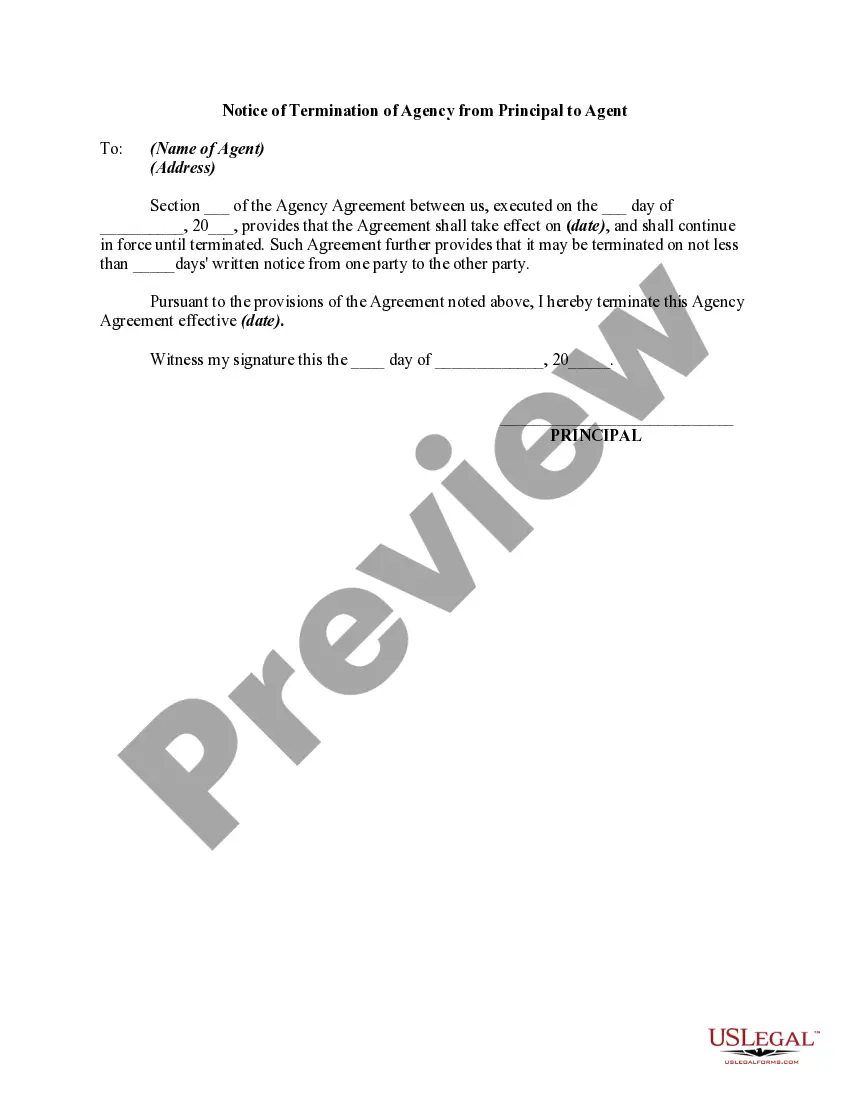
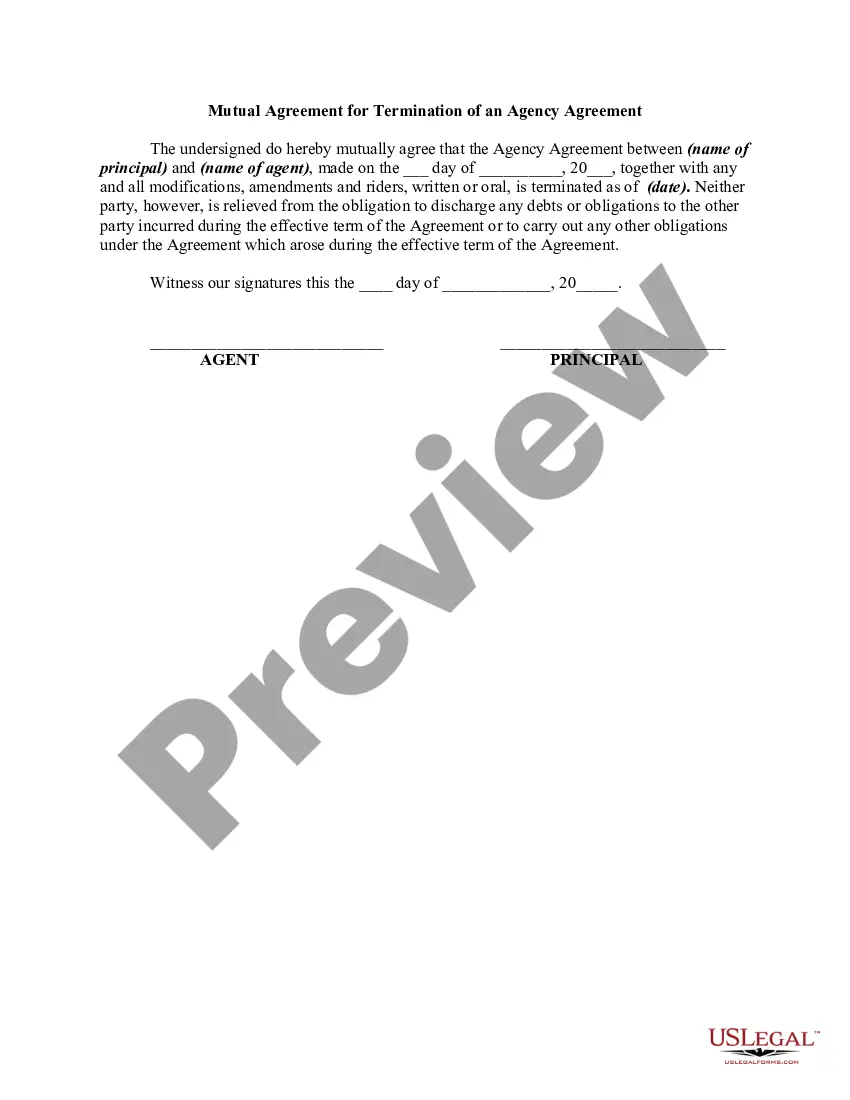
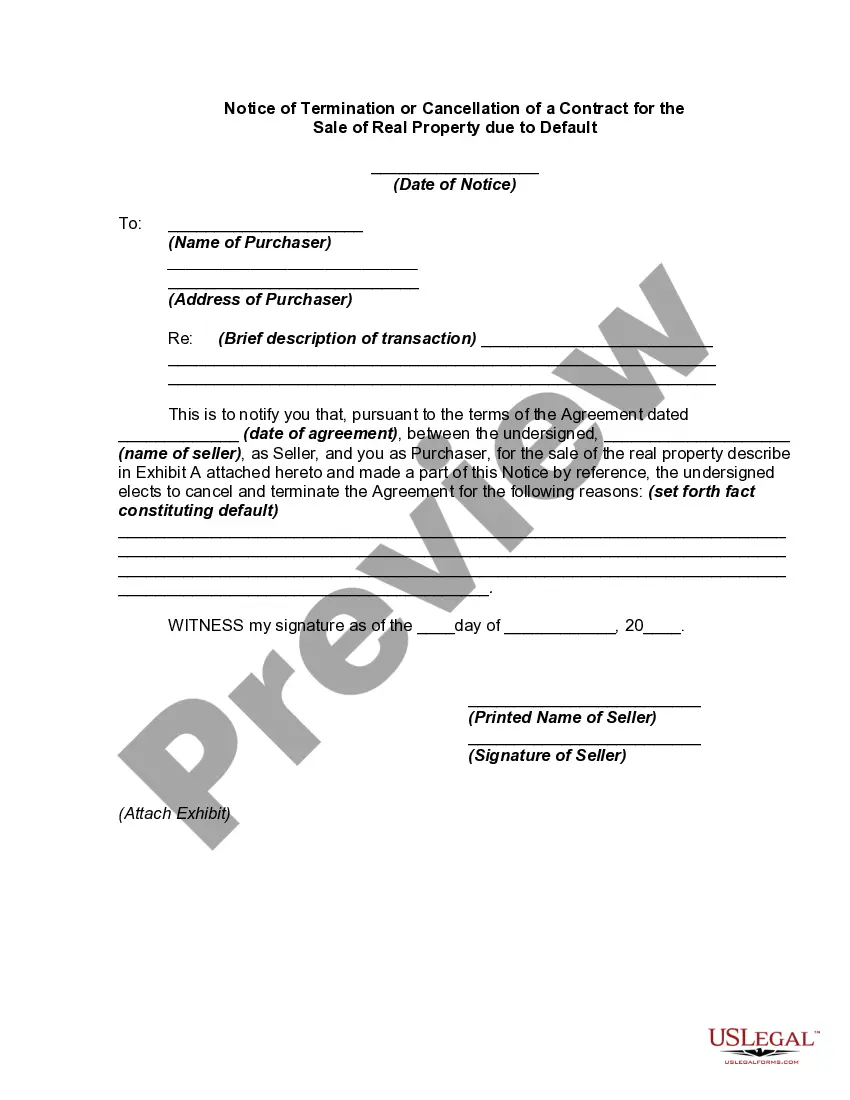
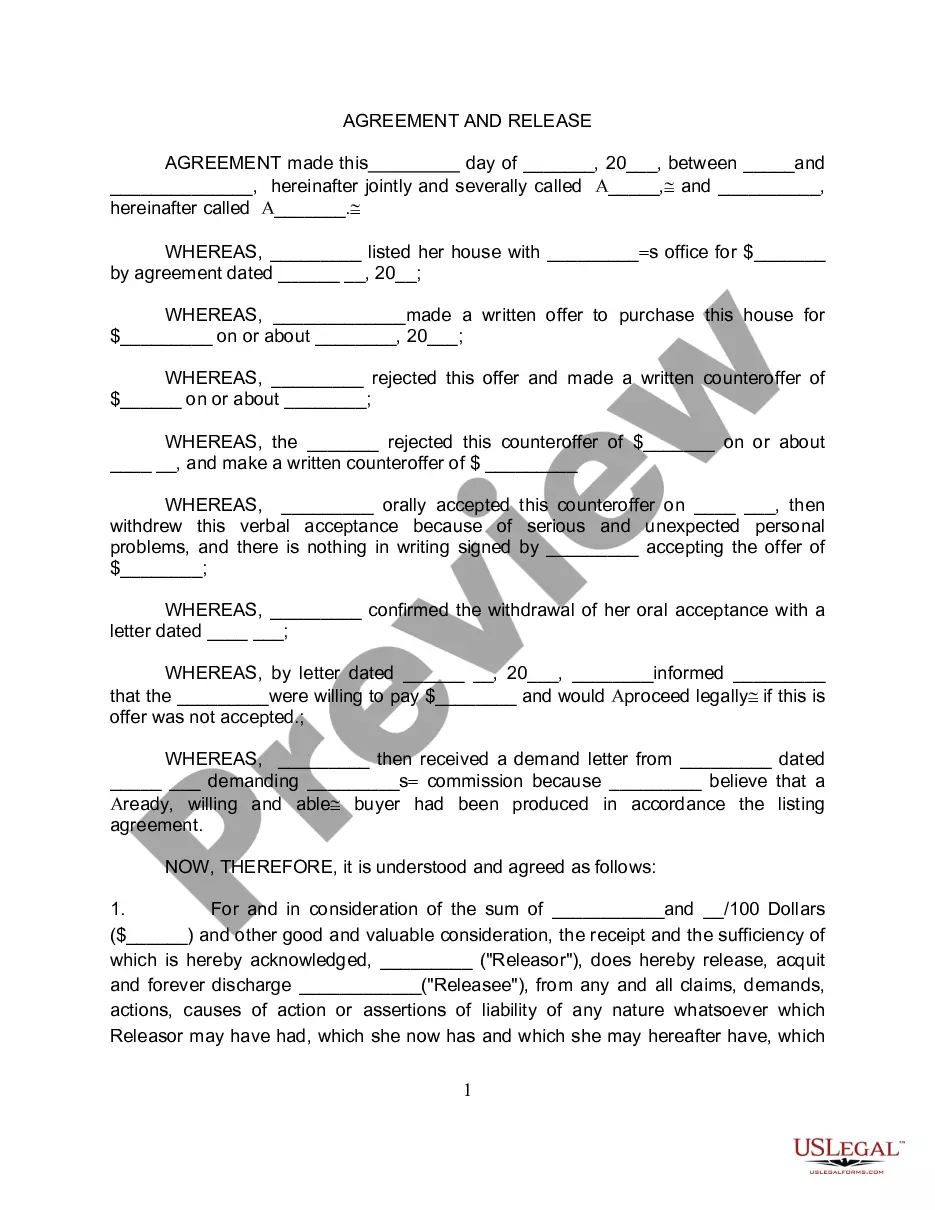
Get your form ready online
Our built-in tools help you complete, sign, share, and store your documents in one place.
Make edits, fill in missing information, and update formatting in US Legal Forms—just like you would in MS Word.
Download a copy, print it, send it by email, or mail it via USPS—whatever works best for your next step.
Sign and collect signatures with our SignNow integration. Send to multiple recipients, set reminders, and more. Go Premium to unlock E-Sign.
If this form requires notarization, complete it online through a secure video call—no need to meet a notary in person or wait for an appointment.
We protect your documents and personal data by following strict security and privacy standards.

Make edits, fill in missing information, and update formatting in US Legal Forms—just like you would in MS Word.

Download a copy, print it, send it by email, or mail it via USPS—whatever works best for your next step.

Sign and collect signatures with our SignNow integration. Send to multiple recipients, set reminders, and more. Go Premium to unlock E-Sign.

If this form requires notarization, complete it online through a secure video call—no need to meet a notary in person or wait for an appointment.

We protect your documents and personal data by following strict security and privacy standards.
Looking for another form?









Form popularity
FAQ
“Sincerely” is one often used by lawyers. When writing to someone without referring to them by name (e.g. “Dear Sir or Madam”), the convention in the US is to sign off with “Yours truly” (or something similar) and the convention in the UK is to sign off with “Yours faithfully” (or something similar).
All you would need to do is notify your current attorney that you would like to terminate services, ask for a detailed final bill, and have your retainer balance returned.
1. Terminating Your Current Attorney: You can terminate your attorney-client relationship at any time. However, it is crucial to do so in writing. A formal letter stating your intention to end the relationship should be sent to your attorney. This letter serves as a record of your decision and its date. 2.
Tips on how to write a lawyer termination letter Always terminate the relationship in writing. Even if you fire your attorney in a verbal exchange, you should follow up by sending a written termination letter. Get to the point. Be firm. Be polite. Ask for a copy of your case file.
The lawyer should send a disengagement letter to establish that the relationship is no longer continuing, and to refer the client to another lawyer. In the disengagement letter, the lawyer should warn the client of applicable time limitations, deadlines, and uncompleted investigation or casework.
Termination Letter After you have your case file, send a registered or certified letter to your old attorney. In the first paragraph let him know you are terminating the relationship. Ask him to stop all work on your case immediately. If you are due a refund of prepaid fees, ask for the refund.
You can stop working with your lawyer, as you don't have a contract preventing you from doing so. Firing your attorney before a settlement pays out might not cut them out of the settlement entirely, though.
8 Tips for Improving Your Writing Style Be direct in your writing. Good writing is clear and concise. Choose your words wisely. Short sentences are more powerful than long sentences. Write short paragraphs. Always use the active voice. Review and edit your work. Use a natural, conversational tone. Read famous authors.
If your lawyer doesn't seem to be working on your case, sending a polite but firm letter expressing your concerns should get your lawyer's attention. Don't threaten to file a malpractice lawsuit or complain to the bar association; such threats will probably make your lawyer angry and defensive, not attentive.

