Contract Termination Without Notice In Illinois
Description
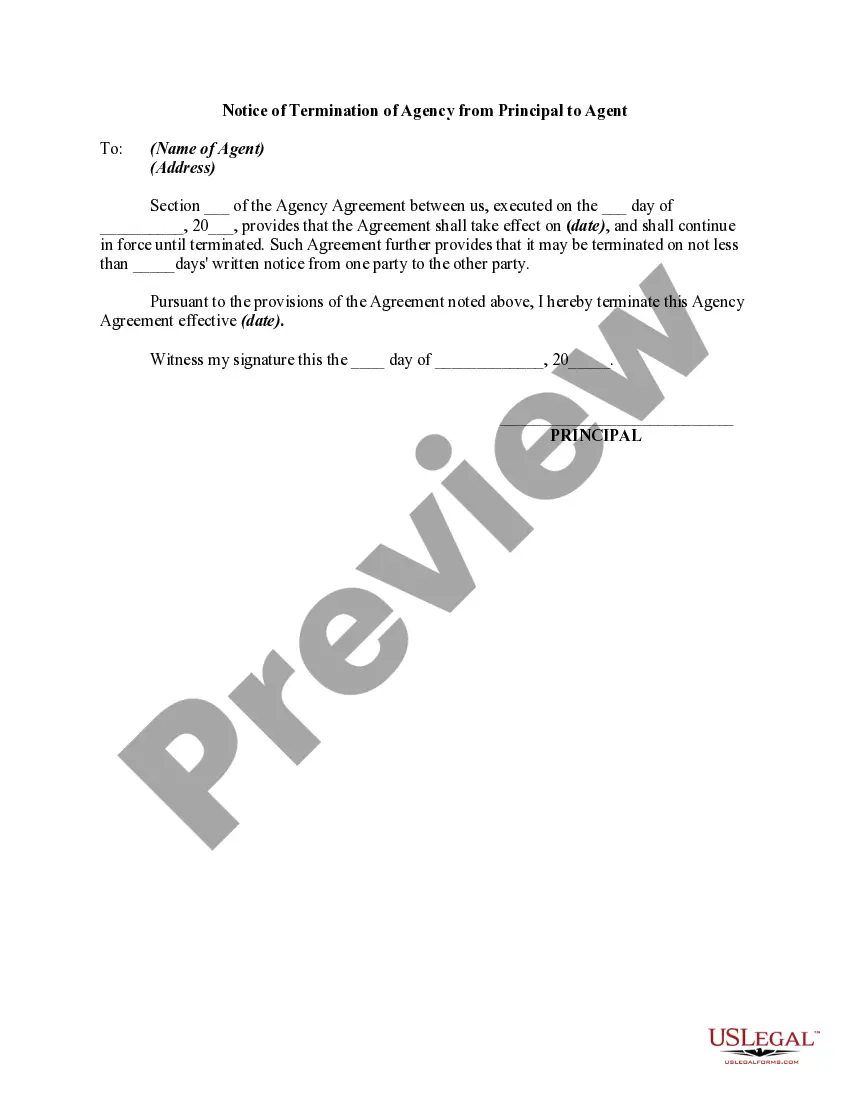
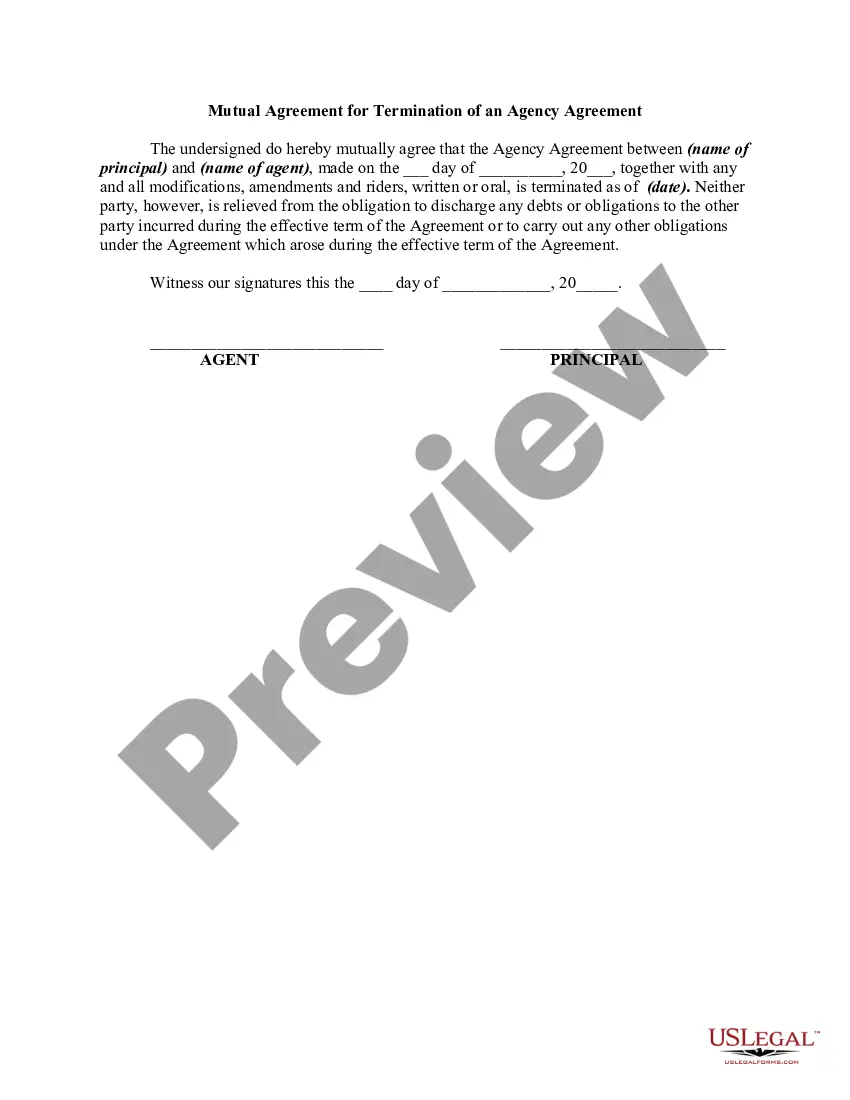
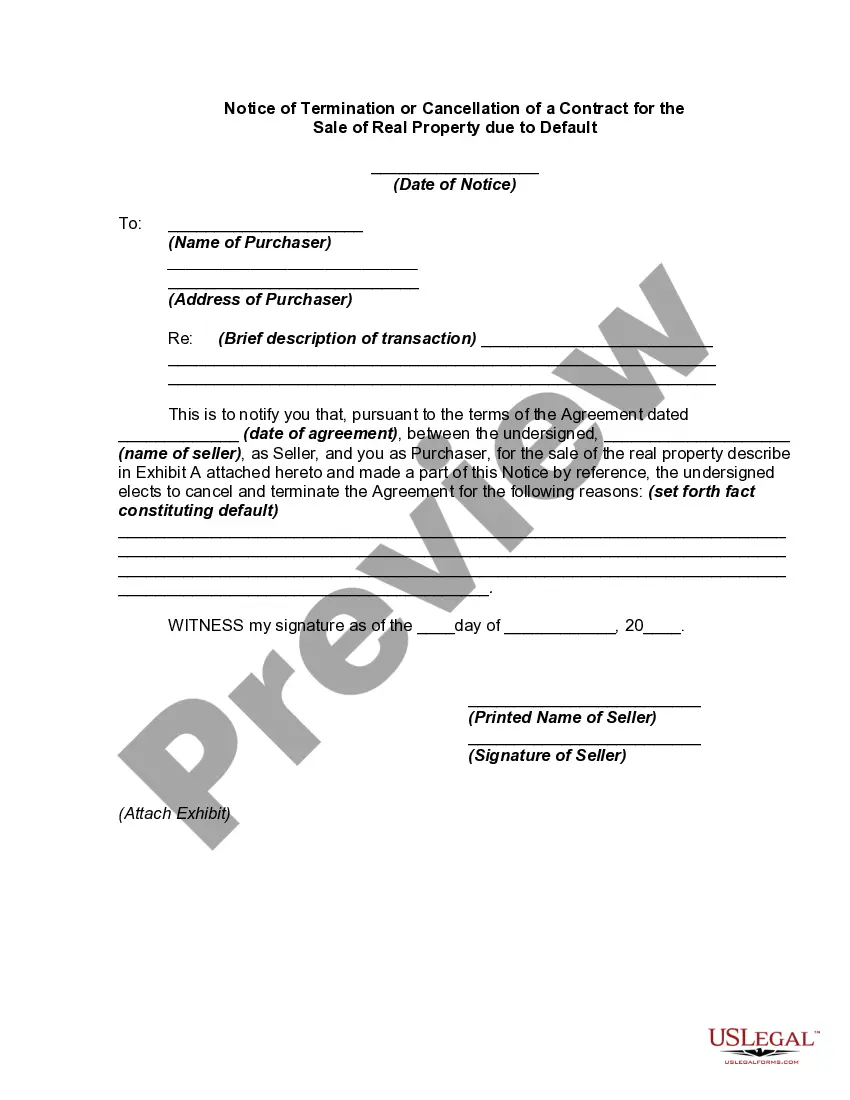
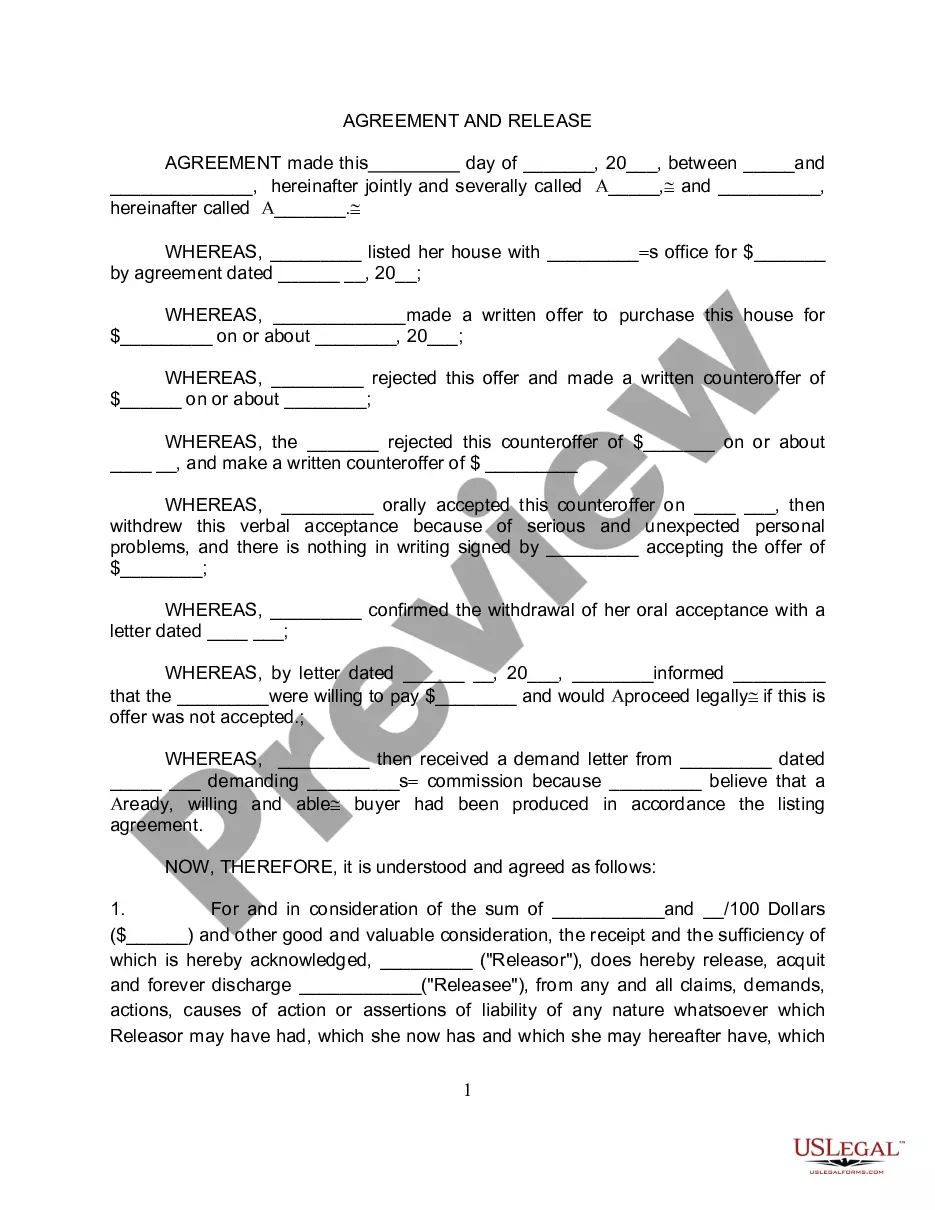
Get your form ready online
Our built-in tools help you complete, sign, share, and store your documents in one place.
Make edits, fill in missing information, and update formatting in US Legal Forms—just like you would in MS Word.
Download a copy, print it, send it by email, or mail it via USPS—whatever works best for your next step.
Sign and collect signatures with our SignNow integration. Send to multiple recipients, set reminders, and more. Go Premium to unlock E-Sign.
If this form requires notarization, complete it online through a secure video call—no need to meet a notary in person or wait for an appointment.
We protect your documents and personal data by following strict security and privacy standards.

Make edits, fill in missing information, and update formatting in US Legal Forms—just like you would in MS Word.

Download a copy, print it, send it by email, or mail it via USPS—whatever works best for your next step.

Sign and collect signatures with our SignNow integration. Send to multiple recipients, set reminders, and more. Go Premium to unlock E-Sign.

If this form requires notarization, complete it online through a secure video call—no need to meet a notary in person or wait for an appointment.

We protect your documents and personal data by following strict security and privacy standards.
Looking for another form?









Form popularity
FAQ
An aggrieved employee must generally prove the following: He/she has been discharged; In retaliation for his/her protected activities; and the discharge violates a clear mandate of public policy.
Employers should require all employees to record their time out and back in for all meal breaks. If an employee does not want to take a meal break or wants to work 7 or more days in a row, employers should obtain written confirmation directly from the employee that doing so is voluntary.
Employers should require all employees to record their time out and back in for all meal breaks. If an employee does not want to take a meal break or wants to work 7 or more days in a row, employers should obtain written confirmation directly from the employee that doing so is voluntary.
Unless that contract states that the company is an ``at will'' company and either party (the employer OR the employee) can terminate their side of the contract without notice.
If a worker has been fired in an act of retaliation against the employee, that worker can seek legal action. Public policy. If workers are terminated for reasons that go against Illinois or national public policy, then this could result in a wrongful termination case.
No. Notice is not required by either party based on the doctrine of "employment at-will."
The best way to end a contract early is to speak with the party you're in contract with. Simple negotiation is often all it takes to reach a favorable resolution. If they don't agree to ending the contract early, consider getting a lawyer to help you determine your next best step.
Regardless of what your grounds are, notice is required to terminate any contract. Typically, this notice will come in the form of a written document that clearly explains your decision to terminate the contract, why you wish to do so, and on what grounds.
If you've been in your job for less than a month, you don't have to give notice unless the contract or terms and conditions require you to. If you've been in your job for more than 1 month, you must give at least 1 week's notice. It's best to resign in writing, so there's no argument about when you did it.

